
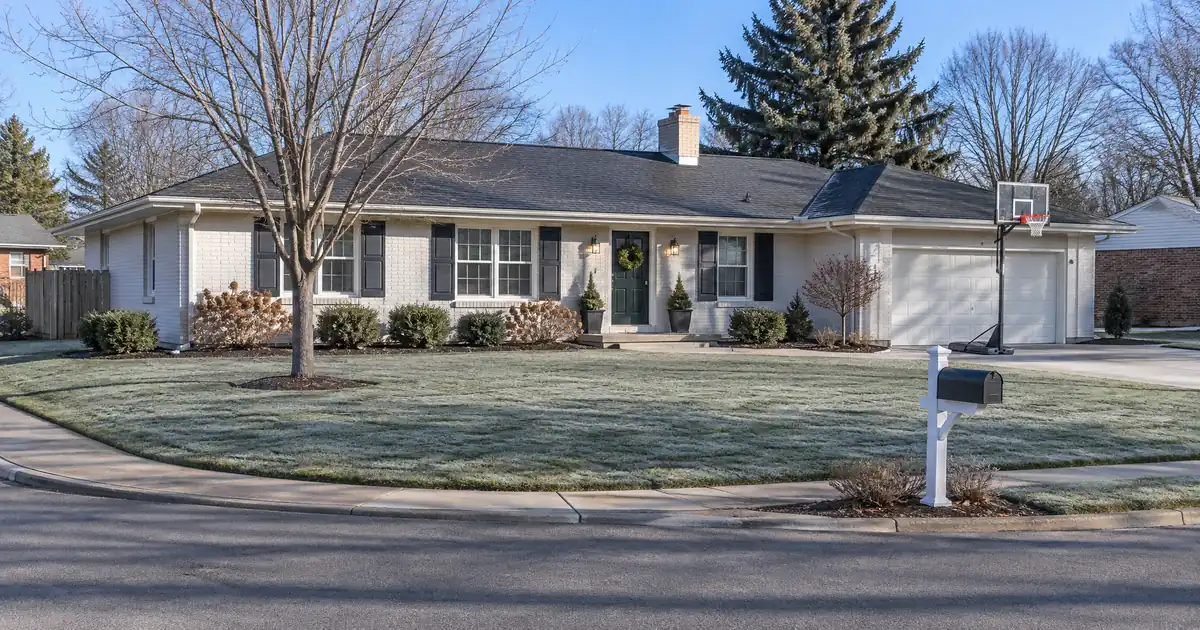
The Quick Read: An FHA cash-out refinance replaces your current mortgage with a larger one and hands you the difference in cash. The loan reaches 80% of your home’s appraised value, and FHA does not restrict what you spend the cash on. The rental you buy with it needs its own non-FHA loan, and that lender will look hard at where your down payment came from.
Two separate deals sit inside this strategy. The first is a refinance on the home you live in. The second is a purchase of a different property. FHA insures only the first one. Everything that makes this plan work or fail comes from how the two deals connect.
FHA cash-out estimate
Seeded with an example value, a balance to match, and a round cash request; change any field.
Editable benchmark: 7.18% as of November 5, 2026 · Freddie Mac 30-year average via FRED®. A conventional market reference, not an FHA cash-out refinance quote.
Illustrative starting assumptions: a $350,000 home value, a $193,000 current balance, the FHA cap on a principal residence with the upfront premium financed, a thirty-year term at the current Freddie Mac benchmark, and property taxes and insurance estimated at typical national rates. Every field is editable.
An illustration, not a Loan Estimate, an approval, a quote, or a commitment to lend. The rate shown is the weekly Freddie Mac thirty-year conventional benchmark, used as a market reference; an FHA cash-out is priced by the lender at lock, and this is not an FHA cash-out refinance quote. HUD’s cap limits the base loan; the upfront premium is financed on top of the capped base loan; the monthly premium for the first year follows the snapshot’s schedule. Cash available means the base loan the cap permits less the balances retired, before closing costs, which this calculator leaves out. The line figure applies the line program’s combined loan-to-value ceiling to the same value and balance. Taxes and insurance are estimates you can edit. Licensed in sixteen states for consumer mortgages.
What Is an FHA Cash-Out Refinance?
An FHA cash-out refinance is a new FHA mortgage on your own home that is larger than what you owe. The new loan pays off the old one first. Whatever is left after payoff and closing costs comes to you as cash.
It is a full reset, not a tweak. Your balance, your term, and your monthly payment all change. A lower payment is not the point of this loan. Often the payment goes up, because the balance goes up.
Here is the catch for anyone planning a rental purchase: FHA is a principal-residence program. It finances a home you live in. It does not finance the rental.
Key Terms Defined
Cash-out refinance: a new mortgage larger than your current one, with the difference paid to you in cash.
LTV (loan-to-value): the loan balance divided by the home’s appraised value, shown as a percentage.
Seasoning: the waiting period a lender wants before a rule applies, such as owning and living in a home for a set time.
Reserves: money left in your accounts after closing, which a lender may count as a cushion against missed payments.
Rescission: your legal right to cancel certain refinances within three business days after signing.
Mortgage insurance premium: FHA’s insurance charge, paid upfront and every year, which protects the lender if you default.
Debt-to-income ratio (DTI): your monthly debts divided by your monthly income.
How Is the Loan Underwritten, Step by Step?
The loan is underwritten on your home and your household finances. The lender checks that you qualify to live there, orders an appraisal, reviews income, credit, and debts, and sizes the loan to 80% of the appraised value. The rental plays no part in the FHA decision.
Step 1: The eligibility screen. The home must be your principal residence. The FHA cash-out reaches 80% LTV on a home you have owned and occupied for 12 months before the case number is assigned. A case number is the FHA’s file identifier for your loan. The lender also checks your mortgage payment history on the current loan, and every parameter is subject to lender guidelines and full file review.
Step 2: The appraisal. The appraisal sets the ceiling. The 80% cap applies to the whole new loan, not just the cash. A low appraisal shrinks your cash directly.
Note that the cap is 80% of value, not 80% of your equity. Your old balance is paid off first, and the cash is what remains under that cap. HUD cut the cap to 80% in Mortgagee Letter 2019-11. The earlier cap was 85%. HUD’s press release says the change aligned FHA with the cash-out maximum used in the conventional market. If you read an older article that says 85%, it is out of date.
Step 3: Income, credit, and ratios. FHA underwrites your income, credit, and debts against the new payment on your home. The base ratio pair is 31/43. That means housing costs near 31% of income and total debts near 43%. Documented compensating factors can stretch that, and at the top tier they reach 40/50. An automated underwriting finding governs most files. The wholesale programs Lendmire places FHA loans with start at a decision score of 580. All of this is subject to lender guidelines and full file review.
Step 4: Mortgage insurance. FHA charges an upfront premium of 1.75% of the base loan, usually financed into the balance. An annual premium also applies, between 0.15% and 0.75% of the balance depending on term, loan amount, and LTV. On a thirty-year loan above 90% LTV, the annual premium lasts for the term. At or below 90%, it ends after eleven years. Because a cash-out loan tops out at 80%, the eleven-year version is the one that typically applies, though your lender confirms it on your file.
Step 5: Closing and the waiting window. The three-business-day rescission window runs first. Then the old loan is paid off. The CFPB explains that you can cancel a refinance of your principal residence within three business days. Cash generally reaches you after that window closes. Rescission applies to the refinance, not to the later rental purchase.
What Decides the Outcome?
Five things decide whether this works: the appraised value, the equity left after the 80% cap, the new higher payment on your home, the reserves left after both deals, and whether the rental lender accepts your funds as documented.
The first two are math. Appraised value times 80% sets the maximum new loan. Subtract your payoff and costs, and you see the cash. Your lender can run this for you before you commit to anything.
The last three are judgment calls. They decide whether a smart-looking plan survives the second underwriting, so they deserve the most attention.
How Does the Rental Lender See This Money?
The rental lender sees borrowed money that arrived as cash-out proceeds from a refinance. It will want to trace the funds, and it will count your new, higher home payment among your debts. Lenders vary on how they treat these funds, so ask early.
Expect to document three things:
- The refinance closing statement showing your proceeds.
- Bank statements showing the cash landing in your account.
- The new payment on your primary home.
The rental loan must be a non-FHA product. Different lenders weigh these funds differently, and no single rule governs how every rental lender must treat them. Fannie Mae’s published guide shows how one agency thinks about it. Its reserve rules list cash-out proceeds from the subject property as an unacceptable source of reserves. That rule is about the same property being financed. Proceeds from a different property, like your home, depend on the lender and the product.
Here is the practical read. Cash from your home can usually serve as a down payment if a lender will document it. Ask the rental lender before you refinance, not after.
What Does the Money Trail Look Like?
The trail runs in one direction: your home’s equity becomes loan proceeds, the proceeds land in your account, and the account funds the rental down payment. Each step leaves a paper record. A lender reviewing the rental can follow it end to end.
Picture a homeowner who has lived in a house for more than a year. The appraisal supports an 80% loan. The new loan pays off the old mortgage, covers closing costs, and sends the remainder to the borrower after the rescission window. The borrower deposits the cash and keeps the statements. When the rental purchase comes up, the borrower hands over the refinance closing statement, the deposit record, and the new mortgage statement for the primary home.
Clean paper makes the second lender’s job easy. Messy paper, like cash moved through several accounts without a record, slows it down. Keep one account for the proceeds if you can.
What Does It Do to Your Monthly Budget?
It usually raises your housing payment, and that higher payment counts against you when the rental lender calculates your debts. Rental income may only partly offset the rental’s own costs. So your household carries more debt on the same income.
The CFPB’s guide on using home equity says a cash-out refinance replaces your mortgage with a larger one. The payment may rise and the payoff period may lengthen. It also notes that lenders typically require you to keep some equity in the home.
This is the part of the plan people underestimate. You are not just buying a property. You are taking on a bigger payment at home and a second property’s costs. After both closings, you own two properties against one household income. Reserves can become the tightest constraint, even when the numbers looked fine on paper.
Where Do the General Rules Break?
The general rule is simple: an owner-occupied home, 12 months of ownership and occupancy, 80% of value. The exceptions are specific. Each one has a named trigger, and each one changes the plan.
Paid-off home
A home with no mortgage still counts as a cash-out refinance if you take equity out. You do not need an existing loan to qualify, only the owner-occupancy history.
Inherited home
If you inherited the home and never rented it out afterward, HUD’s handbook language, as quoted by trade publishers, indicates the 12-month wait may not apply. If you rented it after inheriting, you would need to occupy it for 12 months first. Have your lender confirm the current handbook text on your file.
An existing FHA loan on a home you plan to keep
This is the reverse strategy, and it trips people up. Some borrowers want to keep their current FHA home as a rental and buy a new home with a fresh FHA loan. HUD generally allows only one FHA-insured mortgage on a principal residence at a time, with exceptions. HUD’s FHA Answers page lists them, including a job-related move of more than 100 miles, vacating a jointly owned property, and non-occupying co-borrower status. If you do not fit one, the plan does not work.
A two- to four-unit home
FHA lends on multi-unit homes when you live in one unit. Renting the others is allowed. That is a different strategy from using cash-out to buy a separate rental. HUD’s owner-occupant definition requires at least one borrower to move in within 60 days of signing and intend to stay at least one year.
A non-occupant co-borrower
On a purchase, FHA allows a non-occupant co-borrower. On a cash-out refinance, HUD’s guidance does not let a non-occupant’s income help you meet the credit guidelines. If someone else’s income was part of your plan, check this first.
Occupancy misrepresentation
You certify that the home is your principal residence. If you sign that while planning to move out and rent it, you have a problem. Moving out after a year of good-faith occupancy is not the issue. The issue is whether the certification was truthful when you made it.
Quick Comparison: Funding a Rental Down Payment
| Source | Collateral | Stays with primary home? |
|---|---|---|
| FHA cash-out refinance | Your home | Yes, risk stays on home |
| Conventional cash-out | Your home | Yes, risk stays on home |
| HELOC | Your home | Yes, second lien |
| Savings | None | No risk to home |
Each home-equity option puts your primary residence behind the rental’s performance. FHA’s draw is its credit flexibility, not a lower risk profile.
When Should You Not Do This?
Skip this plan if your reserves would be thin after both closings, if your household income depends on one job, or if the rental only works with perfect occupancy. Equity in your home is the one thing you cannot easily rebuild.
The CFPB has described cash-out refinances as worth monitoring for default risk. The point is not that every cash-out borrower struggles. It is that you are putting your own roof behind a second property. The CFPB’s research on cash-out borrowers found paying off other debts was the most common stated reason for taking cash out. Funding a rental was not a use it tracked, so do not read it as endorsement.
Common Mistakes
- Assuming FHA can buy the rental. It cannot. FHA finances a principal residence only.
- Using the old 85% figure. The cap is 80%.
- Treating the cap as 80% of equity. It is 80% of value, with your old balance paid first.
- Expecting funds right after signing. The rescission window runs after signing, so proceeds are not available immediately.
- Assuming proceeds count as reserves. That depends on the rental lender.
- Ignoring the higher home payment. It counts against your debts.
What Does Your Decision Look Like in Practice?
It starts with three questions: does your home qualify, how much cash does the 80% cap leave you, and will the rental lender accept those funds? Answer them in that order, before you sign anything.
Start by confirming your 12 months of ownership and occupancy. Then get a rough value and run the cap math against your payoff. Next, talk to the rental lender before the refinance, not after. Ask how they document and treat cash-out proceeds, what reserves they want, and how they count your new home payment. If the answers hold up, the refinance becomes a tool. If they do not, you have learned it before paying closing costs.
If you are weighing a cash-out refinance against keeping the loan you have, Lendmire can help you compare the programs and the equity each one reaches.
Frequently Asked Questions
Can I use FHA cash-out money for any purpose, including a rental down payment?
Yes. FHA does not restrict how you spend cash-out proceeds from the refinance on your own home. The restriction sits on the property: FHA only insures the home you live in. The rental purchase needs a separate non-FHA loan, and that lender decides whether your funds are acceptable.
How much cash can I actually get?
The new loan can reach 80% of your home’s appraised value. Your old mortgage balance and closing costs come out of that amount first, and what remains is your cash. A low appraisal directly shrinks it. County loan limits also apply, and they change every year, so your lender confirms the ceiling for your county.
Do I have to wait before the cash reaches me?
Yes. On a refinance of your principal residence, you have three business days to cancel after signing. Cash generally is not released until that window ends. The window applies to the refinance only, not to your later rental purchase.
Will a bigger mortgage on my home hurt my chances on the rental loan?
It can, because the rental lender counts your new, higher home payment among your monthly debts. Rental income may offset only part of the rental’s own costs. Ask the rental lender how it treats that income, and have it review your debt picture before you refinance.
Can I keep my FHA home as a rental and buy another home with FHA?
Only under HUD’s listed exceptions. HUD generally allows one FHA-insured principal-residence mortgage at a time. Exceptions include a job-related move of more than 100 miles, vacating a jointly owned property, and non-occupying co-borrower status. Subject to lender guidelines and full file review.
For your own numbers, request a scenario review with Lendmire.
For current guidelines and terms, see Lendmire’s FHA loan programs page.
About Lendmire
Lendmire, NMLS# 2371349, is a mortgage brokerage with consumer lending licenses in 16 states. FHA, VA, conventional and jumbo purchase and refinance loans are arranged through wholesale lending partners, and each application is reviewed individually by the lender. Scotsman Guide named Lendmire a Top Mortgage Workplace in both 2025 and 2026.
Get Started
Ready to find the right loan for you?
See your offer in seconds. No credit pull, no obligation.
Informational only. Not a Loan Estimate, approval, or commitment to lend. Program availability and eligibility are subject to lender guidelines, credit approval, property review, and underwriting.
References
1. HUD Mortgagee Letter 2019-11
2. HUD press release PR 19-114
3. CFPB: waive right to rescind
4. Fannie Mae Selling Guide B3-4.1-01
5. CFPB: Using your home equity guide
7. HUD FHA Answers: owner occupant
8. CFPB’s research on cash-out borrowers
This article is part of Lendmire’s FHA cash-out refinance program — full qualification details, guidelines, and scenarios live on the program page.
Related reading: Does Leaving FHA for a Conventional Cash-Out Lower the Payment? · FHA Cash-Out Refinance Requirements With No Mortgage · Can You Do an FHA Cash-Out Before the Occupancy Period Ends?
Brandon Miller
Founder & CEO, Mortgage Loan Originator, Lendmire LLC
- Mortgage Loan Originator · NMLS# 1129696 · Verify on NMLS Consumer Access
- North Carolina Real Estate Broker · License# 343312 · Verify on NCREC
- North Carolina Insurance Producer · License# 19053198 · Property, Casualty, Life, Health · Verify on NAIC SBS
- Lendmire LLC · Firm NMLS# 2371349 · Verify firm licensure
Disclosures. The information presented in this article is general market commentary, not financial, legal, or tax advice. Lendmire is a mortgage brokerage (NMLS# 2371349) — not a direct lender or depository institution — and loan placement is subject to lender underwriting. Nothing in this content represents a commitment to lend. Loan terms, pricing, and program availability vary based on borrower qualifications, property characteristics, and state of subject property, and are subject to change at any time. Lendmire complies with Equal Housing Opportunity requirements. Consumer access: nmlsconsumeraccess.org.