
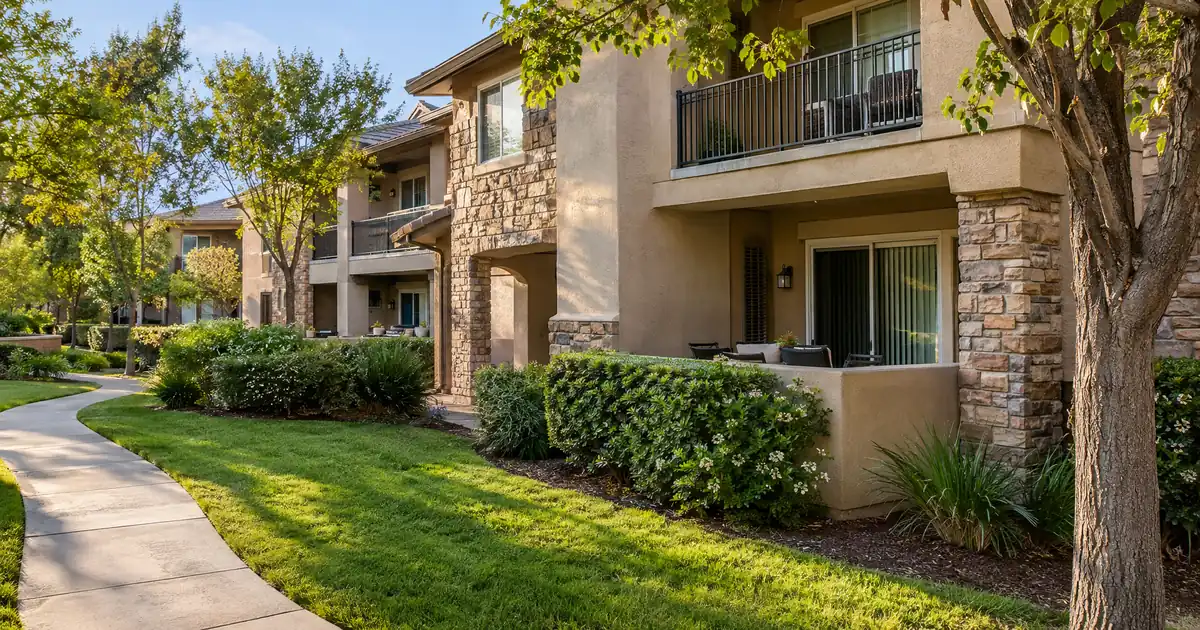
The Quick Read: Yes, in many cases, but not automatically. A building does not have to be on FHA’s approved list if the single unit can earn its own one-time approval. The building still has to pass a set of tests, and you still have to meet the normal cash-out rules. If the building fails, FHA cash-out is off the table for that unit, and you look at other programs.
Most borrowers think the question is about their credit. It is mostly about the building.
Why the Building Gets Tested, Not Just You
The lender reviews the condo project as well as your file. FHA insures the loan, so FHA wants to know the association is financially healthy and not overloaded with FHA borrowers. A strong borrower in a weak building can still be declined.
Here is the split in plain terms:
- Your file: occupancy, equity, credit, income and payment history.
- The building’s file: how many owners live there, how many are behind on dues, how much is in reserve, and what insurance is in place.
Across the wholesale programs Lendmire places files with, the borrower side is rarely where an unapproved-condo file stalls. The building side is. The association supplies much of the data, so its cooperation often decides how the file goes.
That is why this question trips people up. Generic FHA cash-out guides cover the borrower and skip the building. Condo guides cover the building and give cash-out one line. This article joins the two.
What Does “Unapproved” Actually Mean?
An unapproved condo is a project that is not currently on FHA’s approved list. That can mean two things, and the difference matters.
- The project never went through FHA’s project approval process.
- The project was approved before, but the status now shows as expired, rejected or withdrawn.
Both can be eligible for a single-unit approval. FHA’s own help page for lenders describes both situations as eligible for the single-unit route. A lapsed approval is not a dead end.
Does a lapsed approval hurt the loan you already have? No. Your current mortgage is unaffected. It only matters when you try to get a new FHA loan on that unit.
Single-Unit Approval: How the Exception Works
Single-unit approval (SUA) lets one unit qualify even though its project is not approved. FHA says it insures condo loans to purchase or refinance a unit in an approved project or in a non-approved project that meets the SUA requirements.
To be eligible, the project generally must:
- be complete and ready for occupancy,
- have at least five dwelling units,
- not be a manufactured home project, and
- pass a subset of FHA’s project tests, including FHA insurance concentration, owner-occupancy mix and financial condition.
“Subset” is the word to remember. SUA is not a pass on building standards. It is a shorter test, run for one unit at a time.
Two concentration limits show how this plays out. For a project with ten or more units, FHA-insured units are capped at 10% of the total. A project with fewer than ten units can have at most two. Those limits come straight from FHA’s condo processing guidance.
So a building with a handful of FHA loans may already be full. Even a spotless borrower can be turned away. (Whether a building has room changes over time, which is why a “no” last year is not a “no” forever.)
Owner-occupancy is the other big test. A trade-group review from the National Association of Realtors describes a minimum share of owner-occupied units, plus an exception for older projects with few units behind on dues. It also describes limits on commercial space. Exact percentages are set by FHA’s current rules, so ask your loan officer for the figures that apply to your building.
Can You Take Cash Out, or Only Do a Streamline?
You can take cash out only if the unit is eligible before closing, either through an approved project or single-unit approval. An FHA streamline is a different product. It refinances an existing FHA loan with no appraisal and a limited credit review. It does not put cash in your hands.
That is the fork most competing pages blur. The streamline can sidestep the condo questionnaire. Cash-out cannot. Switching your goal from “I want cash” to “I want a smaller loan cost” changes which door you walk through.
| Item | FHA Streamline | FHA Cash-Out |
|---|---|---|
| Existing FHA loan needed | Yes | Not required |
| Appraisal | Not required | Required |
| Cash to you | No | Yes |
| Building must be eligible | Questionnaire waived | Yes, via approval or SUA |
FHA does not require the single-unit questionnaire for an FHA-to-FHA streamline, per the same FHA lender help page. Because a streamline allows no cash out, it is not a workaround for this question.
If you want the full cash-out picture for a condo, Lendmire’s piece FHA and Conventional Cash-Out Requirements for a Condo Primary Home walks through both sides.
The Cash-Out Rules That Sit on Top
Passing the building test only gets the unit through the door. Your own file still has to meet the cash-out rules. On the wholesale programs Lendmire works with, those look like this:
- Principal residence only. FHA cash-out is for the home you live in. A second home does not qualify.
- Owned and lived in for 12 months before the case number is assigned.
- Maximum 80% loan-to-value (LTV). LTV is the new loan divided by the home’s appraised value. At 80%, you keep at least 20% equity after closing.
- A documented payment history and occupancy. Utility bills or employment records often help show you live there.
Every figure is subject to lender guidelines and full file review. County loan limits also apply, and they change, so a loan officer has to confirm yours.
The 80% cap is the part that surprises people who remember FHA as a 96.5%-financing program. That figure belongs to purchases. A cash-out sits lower because you are pulling equity out of a home that is already yours.
The appraisal matters here too. FHA no longer asks the appraiser to check whether a project is on the approved list, according to the HUD handbook update for that change. Approval status rests with the lender and FHA. The appraiser’s job is value, and value drives the 80% cap.
Already hold a conventional loan and wondering if FHA cash-out is even open to you? Lendmire’s piece Does a Conventional Loan Borrower Qualify Better for FHA Cash-Out? covers that comparison.
What Happens During a Single-Unit Review
The lender runs the review, but you and the association supply the paperwork. The steps follow a set order.
1. Check whether the project is already approved. If it is, the lender does a standard unit-level review and no SUA is needed.
2. The lender completes the FHA condominium questionnaire (Form HUD-9991). The form and its instructions show that a separate section applies only to unapproved projects. Information must come from verifiable sources, such as the association, its management company or public records.
3. The lender submits it when requesting the FHA case number. If it passes, a project record is created for the unit.
4. The association and you supply supporting documents. These include insurance certificates and data on dues, reserves, delinquencies and special assessments.
5. The lender reviews everything. More documents may be requested.
Who does what:
| Step | You | Association / manager | Lender |
|---|---|---|---|
| Collect building data | Ask for it | Provides it | Verifies it |
| Complete the questionnaire | Sign off on file | Answers questions | Completes and submits |
| Decide eligibility | Reviews and FHA reviews |
Expect the association’s responsiveness to shape the experience. Some management companies handle these requests routinely. Others do not, and the file waits on them.
Why a Unit Fails (and What You Can Do)
Units fail because the building fails, and the fix is usually in the association’s hands. Common reasons:
- Too many FHA loans already in the building. You cannot fix this directly. It can open up as other owners refinance or sell.
- Too many renters. The owner-occupancy mix is a test, and a builder-owned unit does not count as owner-occupied.
- Delinquent dues. Units behind on assessments weigh on the building’s finances.
- Thin reserves or heavy special assessments. The lender reviews both.
- Too much commercial space.
- Missing or inadequate insurance.
- A project that is too small, with fewer than five units, or a manufactured-home project.
What can you actually do? Ask the association whether it will complete the project’s own approval process, which would help every owner. Check dues and reserves before applying. And talk with your loan officer first, since many lenders decline SUA files altogether. Pre-screening the lender and the building saves you from paying for an appraisal on a file that was never going to clear.
One more risk is honest to name. Building problems can surface late, after you have paid for the appraisal. A pre-screen reduces that risk but does not remove it.
Decision Table: Your Goal and the Building
| Your goal | Approved project | Lapsed approval | Never approved |
|---|---|---|---|
| Cash out | Standard review | SUA route | SUA route |
| No cash, existing FHA | Streamline | Streamline | Streamline |
| Switch to FHA | Standard review | SUA route | SUA route |
“SUA route” means the unit must pass the building tests, with no guarantee it will. If it does not, see the alternatives later in this article.
Do You Need an Existing FHA Loan?
No. Cash-out does not require an existing FHA loan, subject to the lender’s guidelines. You can start with a conventional mortgage, though the unit and building tests apply the same way. Occupancy decides the leverage: FHA cash-out is for your principal residence, and it tops out at 80% LTV. Terms depend on the lender’s guidelines, the property type, the leverage, and a full review of the credit profile.
If FHA Cash-Out Is Blocked, What Are the Alternatives?
A conventional cash-out refinance is the usual fallback when a unit fails the building tests. Conventional loans look at condo projects differently, not more leniently, so a project that fails FHA’s tests can still fail elsewhere. Your options:
| Option | Strength | Tradeoff |
|---|---|---|
| Conventional cash-out | Different project tests | Stricter credit expectations on many files |
| Home equity loan or line | Keeps your first loan | A second payment; the building still reviewed |
| FHA streamline (no cash) | Condo questionnaire waived | No cash out; existing FHA loan needed |
| Wait and retest | Building may improve | No cash in the meantime |
Which fits best depends on your credit profile, your equity and why you want the cash. A borrower with a lower credit score may find FHA the better fit when the building clears.
A Walk-Through Scenario
Picture a homeowner in a mid-sized condo building. She has lived in her unit for a few years and has well over 20% equity. She wants cash for a renovation.
Her first call turns up a snag: the building’s FHA approval shows as expired. She asks whether that kills the idea. It does not, but it changes the route.
Her loan officer starts with the building. The association confirms it has fewer than ten units and asks how many already carry FHA loans. The count is one, which fits the limit for a small building. Dues are current for nearly every owner, and reserves are documented.
Because the unit clears those early checks, the lender takes the file forward through the single-unit review. The appraisal comes in, the 80% cap holds, and she keeps at least 20% equity after closing. (That is a modeled walk-through, not a promise about any particular building.)
Change one fact and the picture shifts. Suppose three units already carry FHA loans in that same small building. Then the unit fails the concentration test, and she is looking at the conventional or home equity routes above. Same borrower, same credit, different building, different answer.
Key Terms Defined
Single-Unit Approval (SUA): A one-time FHA approval of a single condo unit in a project that is not on the approved list.
FHA concentration: The share of units in a building that carry FHA-insured loans, which FHA caps.
Owner-occupancy: The share of units lived in by their owners, not rented out.
LTV (loan-to-value): The loan balance compared with the home’s appraised value. FHA cash-out stops at 80%.
FHA streamline: A refinance of an existing FHA loan with limited review and no cash out.
Adjusted value: The value FHA uses on a refinance. For a home owned less than 12 months, it can be the lesser of purchase price plus documented improvements, or the appraised value, per FHA’s housing glossary.
Frequently Asked Questions
Can I do FHA cash-out on an unapproved condo?
Yes, if the unit earns single-unit approval before closing. The building must pass a subset of FHA’s project tests, and you must meet the usual cash-out rules: principal residence, 12 months owned and lived in, and a maximum of 80% LTV. If the building fails, FHA cash-out is not available on that unit. Everything is subject to lender guidelines and full file review.
Can I do an FHA streamline instead?
Possibly, if you already have an FHA loan. A streamline skips the condo questionnaire, but it gives you no cash. It is a way to change your existing loan, not to tap equity. If cash is the goal, the streamline does not get you there.
Does lapsed approval hurt my current loan?
No. Your existing mortgage is unaffected. Lapsed or withdrawn status matters only when you want a new FHA loan on the unit. At that point the unit can go through single-unit approval or the association can recertify the project.
Can my homeowners’ association fix this?
Often, yes. The association can pursue approval for the whole project, which helps every owner. It can also improve the numbers FHA tests, such as collecting past-due assessments and documenting reserves. Fixes take effort and cooperation, and the building’s board decides whether to pursue them.
What if my lender does not handle single-unit approvals?
Ask before you pay for an appraisal. Many lenders decline these files, and that is a lender choice, not an FHA rule. A mortgage broker can place the file with a lender that works on single-unit reviews, though nothing here is a commitment to lend.
Your Next Step
Start with two facts: whether your building is approved, and whether it has room under FHA’s concentration limit. Those answers tell you which route to take before you spend on an appraisal.
If you are weighing a cash-out refinance against keeping the loan you have, Lendmire can help you compare the programs and the equity each one reaches. You can start with Lendmire’s FHA cash-out refinance program page.
In a building with a handful of FHA loans already, the question is rarely your credit. It is whether your building still has room.
For your own numbers, request a scenario review with Lendmire.
About Lendmire
As a mortgage broker (NMLS# 2371349), Lendmire helps homeowners and home buyers in 16 states with FHA, VA, conventional and jumbo purchase and refinance loans arranged through wholesale lenders. Lendmire is never the lender; program terms are set by the lender and the agency guidelines. Scotsman Guide named Lendmire a Top Mortgage Workplace in both 2025 and 2026.
Get Started
Ready to find the right loan for you?
In about 30 seconds you can review financing options available for your home or investment property. No commitment required.
Informational only. Not a Loan Estimate, approval, or commitment to lend. Program availability and eligibility are subject to lender guidelines, credit approval, property review, and underwriting.
References
1. HUD – FHA Connection Help, Condo Project Processing
3. NAR – FHA Condominium Rule Assessment
4. HUD – Handbook 4000.1 Update 9 transmittal
5. HUD – Form HUD-9991, FHA Condominium Questionnaire
This article is part of Lendmire’s FHA Loan series — every loan program’s qualification details, guidelines, and scenarios live on the loan options page.
Related reading: FHA Cash-Out Appraisal Rules for a Condo Unit · How to Prepare a Condo for an FHA Cash-Out Appraisal · How to End Mortgage Insurance After an FHA Cash-Out on a Condo
Brandon Miller
Founder & CEO, Mortgage Loan Originator, Lendmire LLC
- Mortgage Loan Originator · NMLS# 1129696 · Verify on NMLS Consumer Access
- North Carolina Real Estate Broker · License# 343312 · Verify on NCREC
- North Carolina Insurance Producer · License# 19053198 · Property, Casualty, Life, Health · Verify on NAIC SBS
- Lendmire LLC · Firm NMLS# 2371349 · Verify firm licensure
Disclosure information. Lendmire is a state-licensed mortgage brokerage under NMLS# 2371349. Lendmire is not a depository institution, direct lender, or financial advisor — all loans referenced are placed through wholesale lender partners and are subject to each lender's underwriting standards. This article is provided for general informational purposes and is not a commitment to lend, nor does it constitute financial, legal, or tax advice. Loan programs, terms, rates, and qualification standards change without notice and depend on borrower profile, property type, and the state in which the subject property is located. Equal Housing Opportunity provider. NMLS Consumer Access: nmlsconsumeraccess.org.