
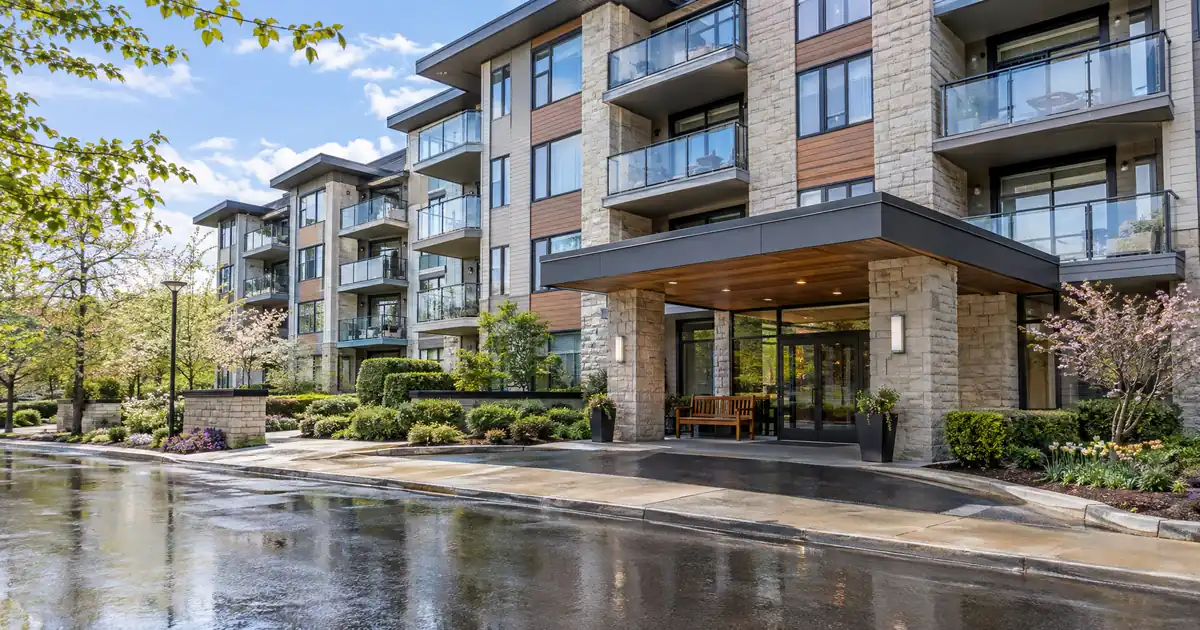
The Quick Read: For a condo buyer with little down, the building matters as much as the borrower. An FHA loan tends to fit a buyer with thinner credit or a higher debt load, and it needs a building that is FHA-approved or that passes Single-Unit Approval. A conventional loan tends to fit a buyer with stronger credit who wants mortgage insurance that can come off later, and it needs a building that passes the conventional project review. Neither choice is safe until the building is checked.
Side-by-Side
| Factor | FHA Loan | Conventional Loan |
|---|---|---|
| Leverage | Up to 96.5% LTV | Low-down options exist; varies by lender |
| Minimum investment | 3.5% at a 580 decision score | Some products allow as little as 3% |
| Credit floor | Starts at 580 on the wholesale programs Lendmire uses | Generally higher; varies by lender |
| Mortgage insurance | Upfront premium plus annual premium | Private mortgage insurance, usually monthly |
| Insurance duration | Can last the loan term above 90% LTV | Can be cancelled on request |
| Occupancy | Principal residence only | Primary, second home or other uses, by product |
| Ratios | 31/43 base; up to 40/50 with documented factors | Set by the automated finding and lender |
| Building review | FHA approval or Single-Unit Approval | Fannie Mae project standards |
| Documentation | HUD-9991 questionnaire for non-approved buildings | Condo project questionnaire and review |
All figures are program guidelines, subject to lender guidelines and full file review. They are not a commitment to lend.
FHA payment estimate
Starting assumptions reflect an example price and the FHA minimum investment. Replace them with your own figures.
Editable benchmark: 7.32% as of October 22, 2026 · Freddie Mac 30-year average via FRED®. A conventional market reference, not an FHA loan quote.
Illustrative starting assumptions: a $350,000 price, the FHA minimum investment as the down payment, a thirty-year term at the current Freddie Mac benchmark, and property taxes and insurance estimated at typical national rates. Every field is editable.
Illustrative estimate only — not a Loan Estimate, approval, quote, or commitment to lend. The rate field carries the weekly Freddie Mac thirty-year conventional benchmark, a market reference and not an FHA loan quote; your rate is set by the lender at lock. FHA mortgage insurance follows HUD’s published schedule for the term, leverage and loan size entered; taxes, insurance and dues are editable estimates; closing costs are not included; county loan limits are not checked here. Licensed in sixteen states for consumer mortgages. Lendmire is not affiliated with or acting on behalf of FHA, HUD, or the federal government.
The Honest Answer on Who Each Loan Fits
FHA is built for the buyer who is short on credit history or cash. Conventional is built for the buyer who can show clean credit and wants to shed mortgage insurance later. That is the borrower side.
The condo adds a second question: will the building pass? A strong borrower can fail on the building. A building can pass one program and fail the other. Across the wholesale programs Lendmire places files with, the building check often decides the loan type before the borrower’s numbers do.
Step One: Check the Building
Start with the project, not the pricing. HUD says FHA insures condo loans for terms of up to 30 years when the unit sits in an FHA-approved project, or in a non-approved project that meets Single-Unit Approval. Approval looks at insurance coverage, financial condition, title, pending legal action and physical condition.
If the building is not FHA-approved, Single-Unit Approval is the back door. It has hard edges:
- The project must be complete and ready for occupancy.
- It must have at least five dwelling units.
- It cannot be a manufactured home.
- It must stay under the FHA concentration limit.
The concentration limit is the quiet killer. Under 24 CFR 203.43b, a project with fewer than ten units cannot exceed two FHA-insured mortgages, and larger projects face a percentage cap on FHA-insured units. HUD can suspend new case numbers once a project goes over. A building can look fine and still be full.
The conventional side runs its own review. Condo units must meet Fannie Mae’s project standards, and the lender works through a project questionnaire and a review method. Established projects that once qualified for a lighter review now need a Full Review or a waiver where one applies, per Fannie Mae’s lender letter. The waiver also reaches projects with ten or fewer units, though five-to-ten-unit projects cannot sit inside a master association.
Detached or site condos are the easy case. Fannie Mae generally waives project review for detached units.
What Derails Condo Files
Documentation gaps, not credit, sink most condo files. The association or its management company has to supply the paper. Ask for it before you pick a loan type:
1. The completed condo questionnaire (HUD-9991 for FHA Single-Unit Approval). 2. The current-year budget and reserve balance. 3. Dues, any special assessments, and units behind on dues. 4. Insurance certificates for the project. 5. Recorded legal documents and CC&Rs. 6. Owner-occupancy and individual-owner concentration figures.
For FHA Single-Unit Approval, the information must come from verifiable sources within the last 90 days, per HUD’s form instructions. A stale questionnaire gets sent back. Association managers are slow, so the request should go out early.
The appraiser values the unit, not the building. Project eligibility is a separate lender review, though large special assessments or critical repairs can affect marketability.
HOA dues count in the monthly housing cost, and that feeds the ratios. A building with high dues squeezes the housing ratio on either loan. On a 31/43 base file, high dues can push the buyer out of range before anything else does.
When FHA Is the Better Fit
FHA is usually the better fit when the borrower side is the weak point and the building is clean. Look at it this way:
- Credit is in the 580s or low 600s. The FHA programs start at a 580 decision score. Conventional pricing tends to get harder as credit drops.
- Cash is tight. A 3.5% minimum investment at 96.5% LTV is the base. Seller or interested-party contributions can reach 6% of the price, which can help with costs.
- Debt is heavy. The base ratios are 31/43, and documented compensating factors can reach 40/50 at the top tier. The automated finding governs most files.
- A co-borrower helps. A non-occupant co-borrower is allowed.
- The building is already FHA-approved. The lender checks the condo ID and the FHA concentration before pulling a case number. That path is cleaner than Single-Unit Approval.
The cost is mortgage insurance. FHA charges an upfront premium of 1.75% of the base loan, which is financed, plus an annual premium between 0.15% and 0.75% of the balance. The annual figure depends on term, loan amount and LTV. On a thirty-year loan above 90% LTV, the annual premium lasts the full term. At or below 90% LTV it ends after eleven years. All of it is subject to lender guidelines and full file review.
That is the trade. Easier entry now, and a long-lived insurance cost for a low-down buyer. HUD’s mortgage insurance page notes that FHA insurance is an agreement between FHA and the lender, so dropping it means asking the mortgage company what it requires. There is no cancel-on-request right like the one on conventional loans.
The exit is usually a refinance. A buyer who builds equity and improves credit can later refinance out of FHA. The FHA Streamline is for people staying in FHA, and it carries the premium forward. Lendmire’s FHA loan programs page lays out the program basics. Lendmire’s piece FHA vs. Conventional Loan for a First-Time Buyer With Little Down covers the same choice without the condo layer.
When Conventional Is the Better Fit
Conventional is usually the better fit when the borrower is strong and the building passes the conventional review. Look at it this way:
- Credit is solid. The CFPB says private mortgage insurance is generally cheaper than FHA insurance for borrowers with good credit. That does not hold for every borrower.
- You want insurance that can end. You can ask your servicer to cancel PMI when the balance is scheduled to reach 80% of the home’s original value, per the CFPB. Conditions apply, such as payment history.
- You want no upfront premium. Conventional PMI typically has none. FHA’s upfront premium is financed into the loan.
- The building fails FHA but passes conventional. This happens when the FHA concentration is full or the building is under five units. A small, non-master-association building may qualify under the newer waiver.
- The unit may not stay a primary home. FHA needs principal-residence occupancy. If a second home is possible, occupancy rules decide the leverage, so conventional keeps more doors open.
The cost is a tougher file. Conventional low-down options usually ask more of credit and ratios. A 3% product exists at some lenders, but eligibility and pricing vary by borrower and lender.
The Building Fails One Program. Now What?
Switch programs.
Say a buyer with a 640 score and little cash finds a ten-unit building. FHA concentration is at the cap. The file stalls. The lender can test conventional instead, where the project rules differ. The reverse also happens: a building that fails the conventional review may carry FHA approval. Approval under one program says nothing about the other.
If both fail, the options are a different building or a larger down payment on a program with a different review. That is a decision for the buyer and the file, not a formula.
A Simple Order of Operations
1. Get the building’s FHA status and the HOA documents before writing an offer you cannot undo.
2. Confirm your credit tier, debt load and cash.
3. Compare mortgage insurance structure, not just the upfront number: upfront versus monthly, and how long it lasts.
4. Add HOA dues to the monthly housing cost on each path.
5. Decide how long you expect to hold the unit. A short hold favors the cheaper entry. A long hold favors insurance that can end.
Key Terms Defined
Single-Unit Approval (SUA): An FHA path that lets one unit in a non-approved building be financed if the project meets set rules.
FHA concentration: The share of units in a project that carry FHA-insured loans.
Private mortgage insurance (PMI): Insurance on a conventional loan that protects the lender and can be cancelled in set cases.
Project review: The lender’s check of the condo building’s finances, insurance, legal status and owner mix.
HUD-9991: HUD’s condo questionnaire used for Single-Unit Approval.
Decision score: The credit score the lender uses to set eligibility.
Balanced Verdict
Pick FHA when the borrower is the constraint and the building is approved or passes Single-Unit Approval. Pick conventional when the borrower is strong, the building passes the conventional review, and shedding mortgage insurance matters. When the building fails one, test the other. A pairing of a sound building and a clean file beats any loan label.
If you are buying a condo and want to see whether an FHA loan fits your file, Lendmire can help you compare the options and what each one asks of the file. Lendmire is a mortgage broker and works through wholesale lenders. Another useful read is Lendmire’s piece FHA vs Conventional Loan Requirements for a Low Down Payment Buyer.
Frequently Asked Questions
Does an FHA loan need an FHA-approved condo building?
The unit must be in an FHA-approved project or in a non-approved project that meets Single-Unit Approval. SUA requires at least five units, a completed project and a concentration under the cap. A building that meets neither cannot carry the FHA loan.
Which is cheaper for a condo buyer with little down?
It depends on credit and how long you hold the unit. For borrowers with good credit, PMI tends to cost less than FHA insurance. For borrowers with weaker credit, FHA can come out ahead. Compare the insurance structure and duration, not only the upfront figure.
When does mortgage insurance end?
On conventional loans, you can ask the servicer to cancel PMI when the balance is scheduled to reach 80% of the original value. On a thirty-year FHA loan above 90% LTV, the annual premium lasts the term. Final terms depend on the lender’s guidelines, the property type, and the borrower’s complete credit picture.
Do HOA dues affect approval?
Yes. Dues count in the monthly housing cost, which feeds the ratios. High dues can push a file past the base 31/43 pair on either loan. The lender also reviews the association’s reserves, special assessments and units behind on dues.
Can I use an FHA loan on a condo I plan to rent out?
Not as a rental. FHA requires the home to be your principal residence. If occupancy may change, occupancy rules set the leverage, and a conventional product may fit better.
For your own numbers, request a scenario review with Lendmire.
About Lendmire
Lendmire — NMLS# 2371349 — is a mortgage broker that arranges FHA, VA, conventional and jumbo home purchase and refinance financing in 16 states through wholesale lenders. Every option is subject to the lender’s guidelines and full underwriting. Scotsman Guide named Lendmire a Top Mortgage Workplace in both 2025 and 2026.
Get Started
Ready to find the right loan for you?
In about two minutes you can review financing options available for your home or investment property. No commitment required.
Informational only. Not a Loan Estimate, approval, or commitment to lend. Program availability and eligibility are subject to lender guidelines, credit approval, property review, and underwriting.
References
3. Fannie Mae – Lender Letter LL-2026-03
4. Fannie Mae Selling Guide B4-2.1-01
5. HUD – Form HUD-9991 Instructions
This article is part of Lendmire’s FHA loan program — full qualification details, guidelines, and scenarios live on the program page.
Related reading: Conventional Loan vs FHA Loan for a Low Down Payment: Credit Decides · Conventional Loan vs FHA Streamline for a Borrower With Equity · FHA Loan vs Conventional Loan for a Buyer With Thin Credit
Brandon Miller
Founder & CEO, Mortgage Loan Originator, Lendmire LLC
- Mortgage Loan Originator · NMLS# 1129696 · Verify on NMLS Consumer Access
- North Carolina Real Estate Broker · License# 343312 · Verify on NCREC
- North Carolina Insurance Producer · License# 19053198 · Property, Casualty, Life, Health · Verify on NAIC SBS
- Lendmire LLC · Firm NMLS# 2371349 · Verify firm licensure
Important disclosures. Lendmire (NMLS# 2371349) is a licensed mortgage brokerage. Lendmire is not a direct lender, depository institution, or financial advisor. All loan inquiries are subject to lender underwriting; this article does not constitute a commitment to lend. Rates, terms, and program guidelines are subject to change without notice and vary by borrower profile, property type, and state. Information in this article is general in nature and is not financial, legal, or tax advice. Equal Housing Opportunity. NMLS Consumer Access: nmlsconsumeraccess.org.