
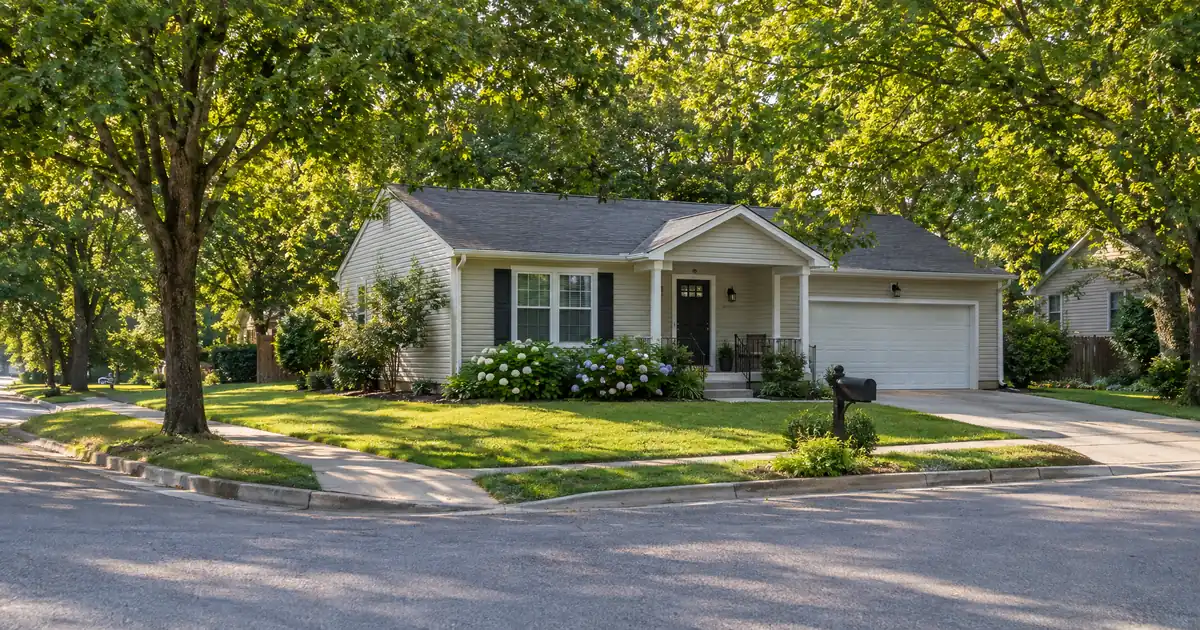
The Quick Read: Which route fits depends mostly on two facts: whether your adult child served, and how large the gap is between the home’s price and the parent’s loan balance. An assumption suits a child who can qualify on credit and cover that gap. A new loan suits a child who has their own VA eligibility, or who needs a fresh start on balance and term. A child with no VA eligibility cannot get a VA loan of their own, so the “new loan” in that case is a non-VA mortgage.
Key Takeaways
- An assumption is a transfer of the existing loan plus a release of the parent’s liability. It is not a new loan.
- The child does not have to be a Veteran to assume. The child does have to qualify on credit and income.
- A parent’s VA benefit cannot be handed to a child. A new VA loan requires the child’s own eligibility.
- The equity gap is the cash problem in most family assumptions. The child pays it in cash or with secondary financing.
- Adding a child to the deed does not make the child the borrower.
Lendmire arranges VA loan programs through wholesale lenders in 16 states, and these two paths come up often. The question usually arrives as “Can my kid just take over my loan?” Sometimes yes. Sometimes it is a poor idea even when it is allowed.
VA payment estimate
Starting assumptions reflect an example price with no down payment and a first-use funding fee. Replace them with your own figures.
Editable benchmark: 7.32% as of October 22, 2026 · Freddie Mac 30-year average via FRED®. A conventional market reference, not a VA loan quote.
Illustrative starting assumptions: a $350,000 price, no down payment with full entitlement, a first-use funding fee financed into the loan, a thirty-year term at the current Freddie Mac benchmark, and property taxes and insurance estimated at typical national rates. Every field is editable.
Illustrative estimate only — not a Loan Estimate, approval, quote, or commitment to lend. The rate field carries the weekly Freddie Mac thirty-year conventional benchmark, a market reference and not a VA loan quote; your rate is set by the lender at lock. The funding fee follows VA’s published table for the use and down payment entered; the residual-income figure is VA’s guideline for the region and family size, and the rough residual shown subtracts only the housing payment and the debts entered, while VA also deducts taxes, maintenance and utilities. Taxes, insurance and dues are editable estimates; closing costs are not included. Licensed in sixteen states for consumer mortgages. Lendmire is not affiliated with or acting on behalf of the Department of Veterans Affairs.
Side-by-Side
The table compares an assumption with a new VA loan for a child who has their own eligibility. If your child has no VA eligibility, read the “new loan” column as a different loan type with different rules.
| Factor | Assumption | New VA Loan |
|---|---|---|
| Who can do it | Any creditworthy buyer | Eligible Veteran or service member |
| Leverage | Existing balance stays; gap paid separately | Up to 100% of price, if not above appraised value |
| Credit floor | VA sets none; servicer may add one | VA sets none; wholesale programs start at a 580 decision score |
| Mortgage insurance | None on a VA loan | None |
| Funding fee | Applies unless assumer is exempt | 2.15% / 1.5% / 1.25% by down payment, first use |
| Occupancy | Veteran substituting must occupy | Owner-occupied required |
| Documentation | Servicer’s assumption package | Full application, COE, VA appraisal |
| Parent’s entitlement | Stays tied up unless an eligible Veteran substitutes | Not involved |
Every figure above is subject to lender guidelines and full file review, and none of it is a commitment to lend.
What Actually Decides It?
Five things decide it, in roughly this order: the child’s eligibility, the child’s creditworthiness, the equity gap, the parent’s own plans for their benefit, and the servicer’s overlays. Walk through them in that order and the answer usually shows itself.
Does the child have VA eligibility? This is the fork in the road. The certificate of eligibility (COE) from VA decides it, and service requirements are VA’s rules. A child with eligibility can use either path. A child without it can assume, or use a non-VA loan. That is all.
Can the child qualify? Both paths test the child, not the parent. VA sets no minimum credit score for an assumption, and its underwriting guidance treats a thin credit file as neutral, not negative, per VA’s credit underwriting presentation. Servicers can add their own overlays, so confirm theirs. On a new loan, across the wholesale programs Lendmire places VA files with, the floor starts at a 580 decision score. Residual income is the controlling test. That is the money left each month after debts and living costs. The 41% debt-to-income figure is a guideline, not a cap, and a higher ratio needs residual income well above the table.
How big is the equity gap? The equity gap is the difference between the home’s price and the loan balance the child would take over. An assumption keeps the old balance, so the child must cover the gap with cash or a second loan. A new loan can finance up to the full price.
Does the parent need their benefit back? An approved assumption releases the parent from the debt. It does not free the parent’s entitlement unless an eligible Veteran substitutes theirs. That detail is in VA’s assumption presentation. If the parent plans to buy again with VA, this matters.
What does the servicer require? Servicers with authority decide creditworthiness on VA’s behalf and follow VA underwriting. Their paperwork habits and overlays vary. Ask early.
When Assumption Is the Better Fit
Assumption fits best when the equity gap is small, the child qualifies comfortably, and the parent has no near-term need for their entitlement. Under those conditions the child inherits a structure that already exists and skips a full origination.
Start with what the child inherits: the existing balance, the existing term and the existing note terms. A new loan resets all three. If the parent’s loan is well along, the child gets a shorter runway to payoff. That is a real feature, and nobody should dismiss it.
Next, the child does not need VA eligibility. The approval test in VA Circular 26-23-10 has three parts. The loan must be current. The assumer must be contractually obligated to buy and take on full liability. The assumer must be creditworthy under VA standards. A non-Veteran child can meet all three.
Assumption also makes sense when the child’s own options are narrow. A child with no VA eligibility has no new VA loan to compare against. For that child, the choice is assumption or a non-VA mortgage, and assumption keeps the no-mortgage-insurance feature of the VA loan.
It works best in these situations:
- The parent’s balance is close to the home’s value.
- The child has steady income and manageable debts.
- The loan is current, or will be brought current by closing.
- The parent does not plan to use VA again soon, or the child is an eligible Veteran who can substitute entitlement.
One more point on process. If the servicer denies the assumption, VA’s presentation says the denial can be appealed to VA within 30 calendar days. Few people know that path exists.
When a New Loan Is the Better Fit
A new loan fits best when the equity gap is large, the child has their own VA eligibility, or the parent wants their benefit freed. In each case the assumption either strains the child’s cash or leaves the parent tied to the property.
Take the gap first. A child who cannot cover a large gap in cash has two choices: stack a second loan on top, or finance the whole purchase fresh. A new VA loan with full entitlement offers 100% financing with no down payment, as long as the price is not above the appraised value. There is no VA loan limit with full entitlement, and the wholesale programs Lendmire works with serve amounts to $4,000,000. With remaining entitlement a down payment may be required, so speak with a loan officer about the specifics.
Then consider the child’s own benefit. A child who served has entitlement that a civilian child lacks. Using it on a new loan protects the parent’s entitlement and gives the child a clean file. The funding fee is financeable and is waived for veterans receiving compensation for a service-connected disability and the other exempt groups. For first use the tiers are 2.15% with less than five percent down, 1.5% with five to under ten percent down, and 1.25% with ten percent or more down.
A new loan also brings a VA appraisal and an occupancy check. Those protect the buyer on a price set between family members, which can drift from market value. That is a real benefit when a parent is giving a discount.
It is the better fit when:
- The gap is too large for the child to fund.
- The child is a Veteran with enough entitlement.
- The parent needs a clean exit and a free benefit.
- The parent’s loan is not current, or the servicer will not cooperate.
- The child wants a reset on balance and term.
Is there a catch? Yes. A child with no VA eligibility is not shopping a new VA loan at all. For that child, a conventional or FHA loan is the real alternative. Lendmire arranges those too. Their down payment and insurance rules differ from VA’s, so compare them item by item.
Funding the Equity Gap
The child funds the gap with cash, a second loan, or funds from family. Each route has to fit inside the child’s qualifying picture.
Cash is simplest. A second loan adds a payment, and the servicer counts it when testing the child’s ratios. Money from the parent, whether a gift or a discount on the price, needs clean documentation. A seller-held note raises its own questions about how the servicer sees the debt. Ask before you sign anything.
A family discount does not erase the gap. It shrinks it. The parent still owns equity, and the child still has to account for that value somehow. A below-market price on a new VA loan runs into the appraisal, which is based on value and not on what the family agreed to.
The Parent’s Side
The parent needs three things settled before agreeing to anything: the written release of liability, the status of their entitlement, and what happens if the child falls behind.
An approved assumption releases the seller. That release is the whole point for the parent. Without it, the parent can remain on the hook for a debt on a home they no longer own. Insist on the written release. Releasing an obligor without proper approval can also put the VA guaranty at risk, so these steps are not optional.
Entitlement is a separate question. VA’s presentation says it stays encumbered unless an eligible Veteran with enough entitlement substitutes. A parent who assumes out to a civilian child cannot fully reuse that benefit until the loan is paid off. Parents planning a later purchase should weigh this against the new-loan path.
Then there is the deed trap. Adding a child to title is called an unrestricted transfer in VA’s terms. It conveys ownership. It does not move the debt, and the child is neither qualified nor released through it. The loan stays in the parent’s name. 38 CFR Part 36 is the regulatory home for these transfer rules, and the current list of covered transfers should be checked against the VA Lenders Handbook before relying on it.
Two Modeled Scenarios
These are illustrations built on assumed percentages, not market data and not predictions of what any lender will do.
Scenario one: small gap. Say the parent’s balance equals about 95% of the price. The child has steady income and decent credit, and the parent has no plans to buy again. The child’s cash need is small, and the assumption keeps the existing note terms. A new loan would restart everything for little gain. Assumption looks strong here, subject to the servicer’s review.
Scenario two: large gap. Say the parent’s balance is about 55% of the price, and the child served and holds full entitlement. The child would need to find a large share of the price in cash or secondary financing to assume. A new VA loan at up to 100% financing, with no mortgage insurance, avoids that scramble. It also leaves the parent’s benefit freed after payoff. The new loan looks stronger, subject to appraisal and file review.
Mixed cases exist. A child with no eligibility and a large gap faces a hard choice between a big cash need and a non-VA loan with its own costs. Those files are worth working through with a loan officer before anyone commits.
Key Terms Defined
Assumption: An approved transfer of an existing loan to a new borrower, with the original borrower released from liability.
Entitlement: The portion of a Veteran’s VA benefit that backs a loan. It stays tied to a property until the loan is paid off or an eligible Veteran substitutes.
Equity gap: The difference between the home’s price and the loan balance being taken over.
Residual income: The money left each month after debts and living costs. VA uses it as the controlling test for a new loan.
Funding fee: A one-time VA charge, financeable on a new loan and waived for exempt borrowers.
Unrestricted transfer: A change in ownership that does not move the debt and does not release anyone.
The Verdict
Neither path wins on its own. Assumption wins when the gap is small, the child qualifies, and the parent can leave their entitlement tied up. A new loan wins when the gap is large, when the child has their own eligibility, or when the parent needs a clean exit.
A sharp way to frame it: assumption is the right tool when what the parent has is worth keeping, and a new loan is right when it isn’t. Check eligibility first, then the gap, then the parent’s plans. If the answers conflict, go with the gap. Cash problems end more family transfers than paperwork does.
Lendmire’s article VA Loan Purchase vs Renting Through the First Tour at a New Station may help if the child is also a service member weighing a first purchase.
Frequently Asked Questions
Can my child take over my VA loan if they never served?
Yes, if they qualify. VA’s approval test looks at three things: the loan is current, the assumer takes on full liability, and the assumer is creditworthy. Service is not on the list. The servicer reviews the child’s income, debts and credit, and may apply its own overlays.
Does an assumption give me my VA benefit back?
Only if an eligible Veteran substitutes their entitlement. When a civilian child assumes, your release of liability is approved, but your entitlement stays tied to the property until the loan is paid off. Plan any future VA purchase around that.
Does adding my child to the deed make them the borrower?
No. Adding a name to title conveys ownership but does not move the debt or release you. The loan stays yours, and the child is not qualified through that route. Only an approved assumption transfers liability.
Does the child need a minimum credit score to assume?
VA sets none, and lack of credit history is not treated as a negative. The servicer can still set its own requirements, so ask them directly. On a new VA loan through the wholesale programs Lendmire works with, the decision score floor starts at 580, subject to lender guidelines.
Will a new VA loan for my child cost more because of the funding fee?
It carries a funding fee unless the child is exempt, and the fee is financeable. For first use it is 2.15% with less than five percent down, 1.5% with five to under ten percent down, and 1.25% with ten percent or more down. An assumption carries its own VA fee unless the assumer is exempt, so confirm the amount and the exemption list on VA’s funding fee and closing costs page.
If You Are Weighing These Two Paths
If you are buying a home and want to see whether a VA loan fits your file, Lendmire can help you compare the options and what each one asks of the file.
For your own numbers, request a scenario review with Lendmire.
About Lendmire
Lendmire (NMLS# 2371349) is a mortgage broker licensed for consumer lending in 16 states. Lendmire arranges FHA, VA, conventional and jumbo purchase and refinance loans through wholesale lenders; every file is underwritten by the lender under the applicable program guidelines. Scotsman Guide named Lendmire a Top Mortgage Workplace in both 2025 and 2026.
Get Started
Ready to find the right loan for you?
In about two minutes you can review financing options available for your home or investment property. No commitment required.
Informational only. Not a Loan Estimate, approval, or commitment to lend. Program availability and eligibility are subject to lender guidelines, credit approval, property review, and underwriting.
References
1. VA Loan Guaranty Conference: Credit Underwriting
2. VA Loan Guaranty Conference: Assumptions
5. VA Lenders Handbook (VAP26-07)
6. VA Funding Fee and Closing Costs
This article is part of Lendmire’s VA loan program — full qualification details, guidelines, and scenarios live on the program page.
Related reading: How to Qualify for a VA Loan When Your Spouse Is Not a Veteran · VA Loan vs Conventional Loan for a Guard Member: What Decides · Can a VA Loan Be Transferred to Another Buyer Through Assumption?
Brandon Miller
Founder & CEO, Mortgage Loan Originator, Lendmire LLC
- Mortgage Loan Originator · NMLS# 1129696 · Verify on NMLS Consumer Access
- North Carolina Real Estate Broker · License# 343312 · Verify on NCREC
- North Carolina Insurance Producer · License# 19053198 · Property, Casualty, Life, Health · Verify on NAIC SBS
- Lendmire LLC · Firm NMLS# 2371349 · Verify firm licensure
Compliance and disclosures. Lendmire (NMLS# 2371349) is a licensed mortgage broker and is not a direct lender, depository institution, financial advisor, or tax professional. Content in this article is general market analysis and educational information — not financial, legal, or tax advice for any specific situation. Lendmire does not guarantee loan approval; every transaction is subject to underwriting by the funding lender. Mortgage pricing and loan program guidelines are subject to change at any time without notice and vary by borrower characteristics, property type, and state regulations. Lendmire complies with Equal Housing Opportunity. Licensure verification: NMLS Consumer Access.