
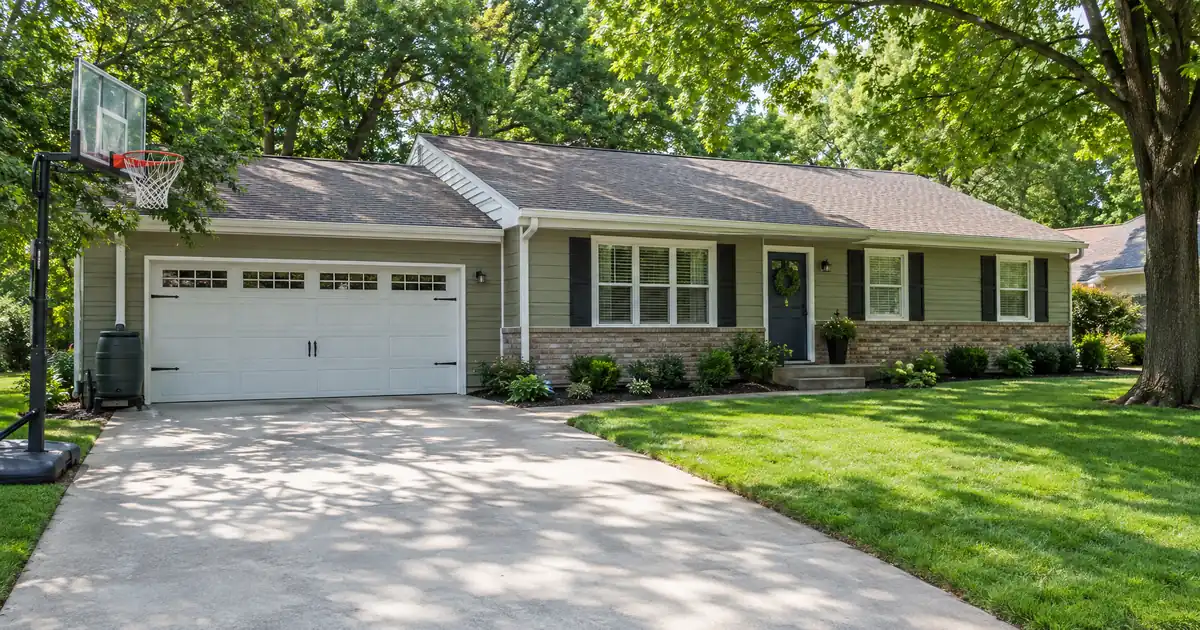
The Quick Read: Selling a home does not shut you out of FHA financing. The real limit is on holding two FHA loans at the same time, not on using the program twice. Once your old loan is paid off at the sale closing, the new purchase is judged on its own merits. That means occupancy, credit, income, debt ratios and the cash you can document.
Key Takeaways
- FHA is not a one-time-use program. The restriction is on carrying more than one FHA mortgage at once.
- Sell and pay off the old loan, and you can finance the next primary residence with FHA like any other buyer.
- Your sale proceeds can fund the new purchase, but only once the lender can document them.
- Keep the old home instead of selling, and you need a listed exception. The best known is a job-related move of more than 100 miles.
- Most surprises come from sequencing: when the old payment leaves your ratios, and when the cash becomes usable.
Can You Really Use FHA Again After Selling?
Yes. Plenty of people assume FHA is for first-time buyers only. It is not.
FHA payment estimate
Starting assumptions reflect an example price and the FHA minimum investment. Replace them with your own figures.
Editable benchmark: 7.32% as of October 22, 2026 · Freddie Mac 30-year average via FRED®. A conventional market reference, not an FHA loan quote.
Illustrative starting assumptions: a $350,000 price, the FHA minimum investment as the down payment, a thirty-year term at the current Freddie Mac benchmark, and property taxes and insurance estimated at typical national rates. Every field is editable.
Illustrative estimate only — not a Loan Estimate, approval, quote, or commitment to lend. The rate field carries the weekly Freddie Mac thirty-year conventional benchmark, a market reference and not an FHA loan quote; your rate is set by the lender at lock. FHA mortgage insurance follows HUD’s published schedule for the term, leverage and loan size entered; taxes, insurance and dues are editable estimates; closing costs are not included; county loan limits are not checked here. Licensed in sixteen states for consumer mortgages. Lendmire is not affiliated with or acting on behalf of FHA, HUD, or the federal government.
HUD’s own answer page frames the rule around an existing FHA mortgage. A borrower who already has one may get another on a new principal residence only in listed circumstances. Those are relocation, a growing family, leaving a jointly owned home, and acting as a non-occupying co-borrower.
Now flip the picture. You sold the house. The old FHA loan was paid off from the proceeds at the closing table. There is no existing FHA mortgage anymore, so the one-at-a-time question never comes up. The limit is on holding more than one at a time, not on how many times you use the program over your life.
The program works like this across the wholesale lenders Lendmire places FHA files with. The maximum financing is 96.5% of value, with a 3.5% minimum investment, at a decision score of 580 or higher. It is for an owner-occupied primary residence, one to four units. A non-occupant co-borrower is allowed. You can read more about FHA loan programs on Lendmire’s program page. Every figure here is subject to lender guidelines and full file review, and none of it is a commitment to lend.
Your Situation, Your Rule
Here is the quick map. Find the row that sounds like you.
| Your situation | What applies |
|---|---|
| Sold, old FHA loan paid off | Normal new-purchase rules |
| Sold, now renting | Same, plus rental history gets read |
| Still own the old FHA home | One-at-a-time rule; need an exception |
| Moving for work, 100+ miles away | Listed relocation exception |
| Refinanced out of FHA | No existing FHA loan to count |
| Short sale or foreclosure | Credit-event waiting periods apply |
Start with the most common one, the clean sale.
How the Lender Underwrites You After a Sale
Underwriting is the lender’s file review. After a sale, it runs in a few steps, and each one touches your old home in some way.
Step 1: Occupancy
FHA finances a primary residence. At least one borrower must plan to live in the new home as a main residence. The lender asks about your intent and checks that the story holds together: your job location, your household and your timeline. A buyer who sold and is relocating for work usually has an easy answer here.
Step 2: The old home’s debt
The lender needs to know whether the old mortgage still counts against you. The general principle is simple. A payment you still owe counts in your debt ratios. A payment with a documented payoff at closing does not.
That is why the status of the sale matters. If the new purchase closes first and the old home is still under contract, the lender will usually want to see the sale contract and the paperwork that shows the old loan will be paid off. Some files also need proof that you are released from the old obligation. Handbook rules on this point are detailed, so a loan officer has to check the current wording for your file.
Step 3: Credit and ratios
The ratios are the share of your income that goes to housing and to all debts. Across the wholesale programs Lendmire works with, the base pair is 31/43, housing over total, with no compensating factors. Documented compensating factors can stretch that to 40/50 at the top tier. Compensating factors are strengths in the file, like strong reserves or a solid payment history. Most files are decided by the automated underwriting finding, not by the base pair alone.
The decision score floor on these programs is 580. HUD itself has a lower tier. The wholesale programs Lendmire places FHA loans with do not reach below 580.
Step 4: Appraisal and loan limits
The FHA appraisal sets the value of the new home. The loan amount also has to fit under the county loan limit. HUD sets those limits by county within a national floor and ceiling, and they change every year. If you are moving from a high-cost area to a lower-cost one, or the reverse, check the new county’s limit before you fall in love with a house.
Using Your Sale Proceeds as Your Down Payment
This is the part most buyers care about, and the part most articles skip. Your equity is probably your down payment.
The 3.5% minimum investment, measured against the lesser of price or appraised value, has to come from acceptable, documented sources. Net proceeds from selling your own home are an acceptable source. But “documented” is the keyword. A listing price does not count. A signed contract does not count as cash in hand. The lender wants the final settlement paperwork from the sale, showing what you actually netted.
Here is what that looks like in practice:
1. The sale closes and the old loan is paid off.
2. The settlement documents show your net proceeds.
3. The funds land in your account.
4. You give the lender the sale paperwork and the matching deposit.
If the proceeds are not in hand yet, they cannot yet fund the new purchase on paper. That is the timing problem behind most delays.
One more point. Lenders look hard at large, unexplained deposits. Moving sale money from one account to another is fine, as long as the paper trail connects the two. Keep the sale paperwork and the bank statements together. Do not send the lender a pile and hope.
Don’t mix up the two closing documents
You will see two settlement forms. The one from the old home’s sale shows your proceeds. The one for the new loan, the Closing Disclosure from the CFPB, shows the loan terms, projected payments and cash to close. They do different jobs. Compare the new one against your Loan Estimate, and ask questions about any line that changed.
What About Mortgage Insurance?
FHA loans carry mortgage insurance, which protects the lender if the loan goes bad. It comes in two parts. Here is how it works across the programs Lendmire arranges.
The upfront premium is 1.75% of the base loan, and it is usually financed into the loan. The annual premium runs between 0.15% and 0.75% of the balance. Where you land depends on the loan term, the loan amount and the LTV, which is the loan as a share of the home’s value.
How long the annual premium lasts matters just as much. On a thirty-year loan above 90% LTV, it lasts for the term. At or below 90% LTV, it ends after eleven years. These specifics are subject to lender guidelines and a full review of property, leverage, and credit.
HUD lowered the annual premium for most loans with a 30-basis-point cut. That made FHA easier to carry than it used to be. These are program facts, not prices. Your actual cost shows up on your Loan Estimate.
If you are leaving an old FHA loan, ask the servicer of that loan whether any part of the old upfront premium comes back on payoff. Do not assume. The answer depends on the loan and the rules in force.
Timing Problems and How They Get Solved
The sale and the purchase rarely line up neatly. Three patterns come up all the time.
The sale closes first. You have cash and a clean slate, but no home. Many buyers rent for a stretch. The lender will read your rental history like any other housing payment record. This is the simplest version for underwriting, because the old debt is gone and the proceeds are documented.
The purchase closes first. This is harder. Your old payment may still count in your ratios until the sale is documented. That can shrink what you qualify for. Some buyers handle it with a contract that allows a short stay in the old home after closing, or with a sale contract the lender can verify. Others plan the purchase date around the sale date.
Both closings happen together. This can work well, but it asks the most of everyone. The sale paperwork has to reach the lender in time. A stale credit report may still show the old mortgage as open. If that happens, the lender needs proof of payoff, and you may need to ask the old servicer to update the account. Raise this early.
One related idea is contingent liability. That means you remain obligated on a mortgage tied to a property you sold or traded without a release. Underwriters take it seriously. It comes up mostly when a buyer takes over the old loan instead of paying it off. If your buyer is assuming your loan, ask your lender how it will be treated.
Where the General Rule Breaks
The clean-sale rule has edges. Here are the ones that matter.
You keep the old FHA home
Now the one-at-a-time rule applies. You need an exception. HUD’s best-known is a job-related move to an area more than 100 miles from your current home. Both parts must be true: the reason is employment, and the distance is more than 100 miles. Older talk of a “reasonable commuting distance” is out of date.
HUD also says that if you later move back to the original area, you do not have to live in the first house. You may get a new FHA mortgage on a new principal residence, as long as the earlier relocation met both tests: the move was job-related, and the distance was more than 100 miles.
Family size or a shared home
A growing family is on HUD’s list of exceptions. So is leaving a jointly owned home that a co-borrower keeps. Lenders attach specific conditions to these. A loan officer should walk you through the current ones.
Non-occupying co-borrower
A person with an existing FHA mortgage on their own home may still be a non-occupying co-borrower on someone else’s FHA loan. This is common when a parent helps a child buy.
Short sale, foreclosure or bankruptcy
If the old home ended in a short sale or foreclosure, the question changes. Lenders want to know how the sale happened, and whether you were current on your debts when it did. HUD sets waiting periods after certain credit events. They include two years from a chapter 7 discharge and three years from a foreclosure. Those are HUD rules, not a promise from any lender. A distressed sale is not an automatic lifetime ban, but the details of your history decide it.
Other HUD programs
HUD’s reverse mortgage program has its own limit rules, and it is a different product. This article is about the standard forward mortgage.
Capital gains
If you sold at a gain, the tax side is a separate question. Tax treatment can depend on your situation; borrowers should speak with a qualified tax professional before relying on any deduction or credit.
Three Scenarios, No Dollar Signs
These are hypothetical, and each one is built to show a pattern.
The downsizer. A couple sells a larger home and plans to buy a smaller one. The old FHA loan is paid off at the sale. Their net proceeds cover the minimum investment, and then some. Because the old payment is gone, their ratios look the way they did before. The county limit is the only ceiling to check.
The mover. A buyer takes a job far away and has not sold yet. They want to keep the old home for a while. That puts them in exception territory. The move is job-related, but the distance has to clear 100 miles. If it does, a second FHA loan may be possible, subject to the lender’s review. If not, the path is to sell, or to refinance the old loan out of FHA.
The renter between homes. A seller closes, banks the proceeds and rents for a time. The lender reads the rental history and the documented cash. Nothing about the sale counts against them. The main risk is moving money around without a paper trail.
FHA or Conventional When You Have Equity?
An honest answer: it depends, and this one is a real toss-up for some buyers.
FHA often suits buyers who want a lower minimum investment, or whose credit profile is thinner than a conventional lender wants. The tradeoff is mortgage insurance that can last the whole loan term when you start above 90% LTV. A repeat buyer with large equity, strong credit and a bigger down payment may find a conventional loan carries less long-term insurance cost. A buyer who wants to keep cash in reserve may prefer FHA’s 96.5% maximum financing.
Compare both on your Loan Estimate, line by line. Look at how the insurance behaves over time, not only at the day-one cost. The honest test is which one leaves you more cushion after closing.
Common Mistakes
- Assuming FHA is one-use. It is not. The limit is on simultaneous loans.
- Assuming the lender sees the sale. The lender sees only what you document.
- Counting proceeds before they exist. Cash from a pending sale is not cash to close.
- Ignoring the credit report. A paid-off loan can still show open for a while.
- Skipping the county limit check. Limits vary by county and change each year.
- Moving money without a trail. Keep the sale paperwork next to the bank statements.
Key Terms Defined
Net proceeds: What you walk away with from a sale after the old loan and selling costs are paid.
LTV (loan-to-value): The loan amount as a percentage of the home’s value or price.
Compensating factor: A documented strength in your file, like reserves, that lets a lender accept higher debt ratios.
Contingent liability: An obligation on a mortgage tied to a property you sold or traded without being released from it.
Non-occupying co-borrower: Someone who signs on the loan to help you qualify but does not live in the home.
Mortgage insurance premium (MIP): FHA’s insurance charge, paid as an upfront premium and an annual premium.
Frequently Asked Questions
Can I get another FHA loan after selling my house?
Yes. Once the old FHA loan is paid off at the sale, no existing FHA mortgage stands in your way. The new loan is underwritten for occupancy, credit, income, ratios and documented funds. Eligibility is subject to lender guidelines and full file review.
Is there a lifetime limit on FHA loans?
No lifetime cap shows up in HUD’s own answer on this. The rule restricts holding more than one FHA mortgage at a time, with listed exceptions. Selling and paying off the old loan puts you back at one-or-none.
Can I keep my old home and still use FHA for the next one?
Only if an exception applies. The best known is a job-related relocation to an area more than 100 miles away. Others cover a growing family, leaving a jointly owned home, and non-occupying co-borrower status. Otherwise, sell the old home or refinance it out of FHA first.
Do I count as a first-time buyer after selling?
FHA itself does not require you to be a first-time buyer. Some down payment assistance programs do define the term, each with its own look-back period. If you plan to use assistance, check that program’s definition before you assume you qualify.
Can my sale proceeds be my down payment?
Yes, once they are documented. The lender wants the final settlement paperwork from the sale and a clear trail into your account. The 3.5% minimum investment still applies on the new loan, at a decision score of 580 or higher.
If You Are Ready to Compare
If you are buying a home and want to see whether an FHA loan fits your file, Lendmire can help you compare the options and what each one asks of the file. Bring your sale timeline and your questions about the old loan. The earlier the sequencing is on the table, the fewer surprises show up at closing.
For your own numbers, request a scenario review with Lendmire.
About Lendmire
As a mortgage broker (NMLS# 2371349), Lendmire helps homeowners and home buyers in 16 states with FHA, VA, conventional and jumbo purchase and refinance loans arranged through wholesale lenders. Lendmire is never the lender; program terms are set by the lender and the agency guidelines. Scotsman Guide named Lendmire a Top Mortgage Workplace in both 2025 and 2026.
Get Started
Ready to find the right loan for you?
In about two minutes you can review financing options available for your home or investment property. No commitment required.
Informational only. Not a Loan Estimate, approval, or commitment to lend. Program availability and eligibility are subject to lender guidelines, credit approval, property review, and underwriting.
References
2. HUD FHA Lenders, Maximum Mortgage Limits
3. Closing Disclosure from the CFPB
4. HUD FHA INFO 2023-11, annual mortgage insurance premium reduction
This article is part of Lendmire’s FHA loan program — full qualification details, guidelines, and scenarios live on the program page.
Related reading: Cash-Out Refinance LTV Limits for Conventional, FHA and VA Loans · Can an FHA Loan Make More Sense Than a VA Loan on a 2-4 Unit? · Can You Do an FHA Streamline Refinance Soon After Buying?
Brandon Miller
Founder & CEO, Mortgage Loan Originator, Lendmire LLC
- Mortgage Loan Originator · NMLS# 1129696 · Verify on NMLS Consumer Access
- North Carolina Real Estate Broker · License# 343312 · Verify on NCREC
- North Carolina Insurance Producer · License# 19053198 · Property, Casualty, Life, Health · Verify on NAIC SBS
- Lendmire LLC · Firm NMLS# 2371349 · Verify firm licensure
Compliance and disclosures. Lendmire (NMLS# 2371349) is a licensed mortgage broker and is not a direct lender, depository institution, financial advisor, or tax professional. Content in this article is general market analysis and educational information — not financial, legal, or tax advice for any specific situation. Lendmire does not guarantee loan approval; every transaction is subject to underwriting by the funding lender. Mortgage pricing and loan program guidelines are subject to change at any time without notice and vary by borrower characteristics, property type, and state regulations. Lendmire complies with Equal Housing Opportunity. Licensure verification: NMLS Consumer Access.