
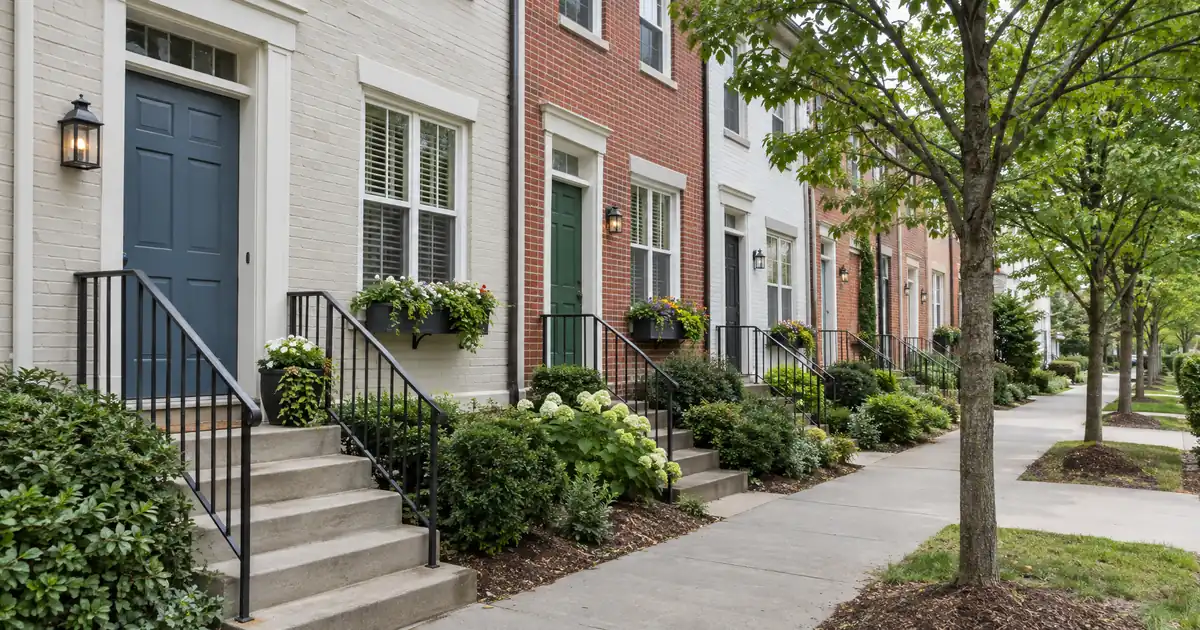
The Quick Read: An heir can usually take an FHA cash-out without the normal 12-month wait. The catch is that the heir has to live in the home as a primary residence and must not have rented it or treated it as an investment since inheriting. The new loan can reach up to 80% of the appraised value, counting every lien left on the house. The heir must also hold title and qualify on their own credit, income and debts, subject to lender guidelines and full file review.
What You Need to Know Before You Read On
- An FHA cash-out is a new first mortgage on the whole balance. It is not a second loan stacked on top.
- The inheritance exception removes the usual 12-month ownership-and-occupancy wait. It does not remove the occupancy requirement itself.
- Renting the house after you inherit it puts the 12-month wait back.
- A will alone does not make you the owner. You need title in your name.
- The limit is 80% of appraised value across all liens, so a leftover mortgage or HELOC shrinks your cash.
- Inheritance is not income. You qualify the same way any other borrower does.
What Is an FHA Cash-Out on an Inherited Home?
An FHA cash-out refinance is a new FHA-insured mortgage that pays off whatever is owed on the house and hands you the difference in cash. The word “refinance” confuses heirs, because many inherited homes have no mortgage at all. That is fine. A free-and-clear house can still be cashed out, because FHA treats a withdrawal of equity where no mortgage exists as a cash-out too.
Here is what “first” means in practice. If you have never done a cash-out, you are meeting three different refinance products, and they get mixed up constantly:
- FHA Streamline. It refinances an existing FHA loan with no appraisal and no meaningful cash back.
- FHA rate-and-term. It changes the loan’s terms. Cash to you is limited, and it can reach 97.75% on a principal residence you have occupied for the previous twelve months.
- FHA cash-out. It pulls equity out, and it reaches 80% LTV on a home you own and occupy. Every figure here varies by lender and program — guidelines, property type, leverage, and credit profile all apply.
Lendmire’s FHA cash-out refinance program page covers the program in general. This article covers what changes when the house came to you by inheritance.
One more note on scope. This loan is for a home you live in. If your plan for the inherited house is to rent it, a different kind of financing applies, and occupancy decides the leverage.
How Does the Inheritance Exception Work?
Normally FHA wants you to have owned and lived in the home as your principal residence for the 12 months before the case number is assigned. The case number is the file’s tracking number, issued when the lender opens the FHA file. An heir gets relief from that wait. You do not need to hold the house for a minimum period before applying for cash-out.
The relief comes with one condition. You cannot have treated the property as an investment at any point since you inherited it. Think of it as a clean-hands test.
| Piece | What it says |
|---|---|
| General rule | 12 months owned and occupied |
| Inheritance exception | No minimum holding period |
| The condition | Never used as an investment since inheriting |
| What still applies | Primary residence, your own qualifying |
The loan is still an owner-occupant loan. The exception only removes the clock.
Many investors reading this will want a second-home or rental version. FHA does not offer one on a cash-out. The occupancy rule decides everything here.
The Rental Trap
If you rent the home after inheriting, FHA treats it as an investment property. The no-wait rule is gone. You then need 12 months of principal-residence occupancy before a cash-out opens up.
The gray areas are where heirs get hurt. Consider how a lender would read each situation:
- Never rented, you live there. The exception applies.
- A short or informal rental to a relative or friend. This is risky. A lease, a rent deposit or rent checks can all read as investment use.
- Home sat vacant, never listed. Vacancy alone is not rental use, but the lender still needs proof you occupy it as your residence.
- Rented for a stretch, then you moved in. The 12-month clock starts when you occupy it, not when you inherited it.
If you rented and want to cure the problem, the cure is time living there. Lenders typically look at utility bills, employment records and similar paperwork as evidence of where you actually live. Keep those records from day one.
Title, Probate and Who Can Borrow
You cannot borrow against a house you do not yet own. A will names who gets the home, but title moves through probate unless the home passed outside it, for example through a transfer-on-death deed or a trust. After probate, a new deed is recorded in the heir’s name.
Here is what a lender typically needs in hand:
- The death certificate.
- The will, court letters or other proof of authority.
- The recorded deed, or other documents showing title is in your name.
- Proof of how you acquired the property, because the file has to document the inheritance.
- Proof you live in the home.
Whether a lender can move forward without full probate is a question for the lender and the title company, not a guess to make on your own.
What If There Are Several Heirs?
Co-heirs who stay on title and do not live there can complicate the file, because a non-occupant’s income cannot be used to qualify on a cash-out. Buying out siblings with the proceeds is a common goal, but it raises its own title and structuring questions. Raise it at the start so the lender can say whether it fits.
Inherited With a Mortgage Still Attached
Sometimes the house comes with the decedent’s loan. That changes two things.
First, you may have servicing rights. Federal servicing rules define a “successor in interest” broadly. It includes someone who receives a home through the death of a relative or joint tenant. Under Regulation X, section 1024.38, servicers must have procedures to deal with these heirs once they learn of a death. Where local law does not require probate, a servicer generally should not demand probate paperwork to recognize you. An affidavit of heirship may be enough.
Second, servicing rights are not loan approval. Being recognized as a successor does not mean you qualify for a new loan. A refinance still gets full underwriting.
If a mortgage exists, FHA wants to see its payment history. The lender looks at whether payments were made within the month due for the prior 12 months, or since the loan began if it is newer. The most recent month before closing also has to be on time. When someone else paid the mortgage while the owner was ill, expect questions and keep the records.
How Much Cash Can You Actually Reach?
The ceiling is 80% of the home’s adjusted value, counting every lien that stays on the property. That figure comes from HUD Mortgagee Letter 2019-11. HUD said the change lined FHA up with the cash-out leverage the big mortgage investors allow, according to its press release on the change.
Now the part that matters most to an heir. Normally, for a home owned under 12 months, FHA limits value to the lower of the purchase price or the appraisal. You never paid a purchase price. HUD’s Handbook 4000.1 glossary carves out homes acquired by inheritance or by gift from a family member. They can use the same adjusted-value calculation as homes held 12 months or more. In plain terms, the 80% applies to the appraised value. An as-is appraisal is part of the file.
The date-of-death or estate valuation does not drive the loan. The appraiser’s value on the new loan does.
Run three pictures in percentages only:
- Paid-off home. No lien remains, so the loan can reach up to 80% of the appraised value, before costs.
- Home with a leftover mortgage at 30% of value. About 50% of value is the most you could take as cash, before costs.
- Home with a mortgage at 30% plus a HELOC at 15%. Both are counted, so the room shrinks to roughly 35% of value, and the HELOC may need to be paid off or handled in the file.
Costs matter too. The new loan pays off existing liens and closing costs, and it finances the upfront mortgage insurance premium. Those items come out of the room before any cash reaches you. Because it is a new first mortgage, insurance applies to the whole loan balance, not just the cash portion.
Qualifying as the Heir
You qualify on your own. The house does not do it for you, and neither does the inheritance.
Pricing and available terms vary by lender, borrower profile, property type, and full underwriting review. Some lenders set a higher credit score floor for cash-out, which is why the same file can get different answers.
Ratios follow the usual FHA pattern. The base pair is 31/43, meaning housing costs and total debts as a percentage of income, with no compensating factors. Documented factors can stretch it to 40/50 at the top tier. An automated finding governs most files. Credit events carry HUD’s waiting periods: two years from a chapter 7 discharge and three years from a foreclosure.
Mortgage insurance has two parts. There is an upfront premium of 1.75% of the base loan, which is financed. There is also an annual premium between 0.15% and 0.75% of the balance, depending on term, loan amount and LTV. On a thirty-year loan above 90% LTV the annual premium lasts for the term. At or below 90% it ends after eleven years. County loan limits apply, and they change each year. Final terms depend on lender guidelines, property type, leverage, and the borrower’s complete credit picture.
You cannot count a non-occupant relative’s income on a cash-out, even though one can help on an FHA purchase. If the plan depends on a parent or sibling’s income, tell your loan officer early. Every program detail here is subject to lender guidelines and a full file review. None of it is a commitment to lend.
The Steps, Start to Finish
1. Get title in your name. Complete probate, or confirm the home passed outside it, and record the deed.
2. Gather the inheritance proof. Death certificate, will or court letters, and the recorded deed.
3. Move in and keep proof. Utility bills and employment records tie you to the address.
4. Do not rent it. Not even briefly, not even to family.
5. Pull the mortgage history. If a loan exists, collect 12 months of payment records.
6. Count your liens. Add the mortgage, any HELOC and any other lien against 80% of value.
7. Apply and order the appraisal. The lender opens an FHA case number and orders an as-is appraisal.
8. Review your Loan Estimate. It shows the loan terms and costs. Compare it with other programs before you commit.
9. Close and receive cash. Existing liens are paid first, and the rest comes to you.
Where the Rule Breaks
A few situations bend the general answer:
- Heir rented the home. The no-wait exception is lost. The 12-month clock applies.
- Three- or four-unit homes. Older HUD guidance asked for extra tests and reserves on these. Confirm current rules with a lender before assuming anything.
- Manufactured homes. Installation and seasoning rules tie into the cash-out occupancy requirements. It is a niche case that needs its own review.
- Hawaiian Homelands (Section 247). The 80% cut did not apply to these mortgages.
- An FHA loan already in place. A Streamline may fit better when you only want to change the loan and need no cash.
- A gift instead of an inheritance. The glossary carve-out also covers gifts from a family member, so the same value rule can apply.
Conventional loans handle inheritance differently, with their own title-seasoning waiver. The details vary by lender, so compare them side by side:
| Option | Cash to you | Appraisal | Best for |
|---|---|---|---|
| FHA cash-out | Up to 80% LTV | Yes | Heirs with modest credit |
| FHA Streamline | Little or none | No | Existing FHA loan, no cash needed |
| FHA rate-and-term | Limited | Yes | Changing terms, not pulling equity |
Key Terms Defined
Adjusted value: The value FHA uses to apply its leverage cap. For an inherited home, it is the appraised value.
CLTV: Combined loan-to-value. It adds every lien on the home, not just the new mortgage.
Case number: The tracking number FHA assigns when the lender opens your file. The 12-month occupancy test counts back from it.
Successor in interest: Someone who receives a home by death, divorce or certain family transfers. Servicing rules give this person rights to information.
Free and clear: A home with no mortgage on it.
Seasoning: A waiting period a loan program requires between two events, such as owning and refinancing.
Weighing Your Decision
An FHA cash-out is worth a hard look when you plan to live in the home, your credit is in the middle range, and you need the equity for repairs, estate debts or paying off other balances. It adds a new first mortgage, with insurance on the whole balance. Read that as a trade, not a freebie. Compare the Loan Estimate against keeping the loan you have, selling the home, or using other funds.
Tax treatment can depend on your situation; borrowers should speak with a qualified tax professional before relying on any deduction or credit.
If you are weighing a cash-out refinance against keeping the loan you have, Lendmire can help you compare the programs and the equity each one reaches.
Frequently Asked Questions
Do I have to wait 12 months after inheriting to take an FHA cash-out?
No, as long as you live in the home and have not rented it or treated it as an investment since inheriting. The wait applies only after a rental. Title still has to be in your name, and the lender will want proof of occupancy.
Can I take a cash-out on an inherited home with no mortgage?
Yes, in most cases. FHA treats equity withdrawal on a free-and-clear home as a cash-out. You still need title, an appraisal, and your own qualifying credit and income. The cap is 80% of appraised value, subject to lender guidelines.
What if my siblings and I inherited the house together?
Whoever takes the new loan has to hold title, live in the home and qualify. A relative who does not live there cannot add income to a cash-out. Buying out co-heirs with the proceeds raises title questions, so bring it up before applying.
Does the inherited home’s value at the date of death matter?
Not for the new loan. The lender uses the as-is appraisal, and the 80% limit applies to that adjusted value. The estate’s valuation can help with other purposes, but it does not set your loan amount.
Can I use the cash for anything?
FHA does not limit the purposes of a cash-out. Common uses include repairs, estate debts and paying off other balances. The money comes from a new loan on your home, so weigh the added debt first.
For your own numbers, request a scenario review with Lendmire.
About Lendmire
Lendmire (NMLS# 2371349) is a mortgage broker licensed for consumer lending in 16 states. Lendmire arranges FHA, VA, conventional and jumbo purchase and refinance loans through wholesale lenders; every file is underwritten by the lender under the applicable program guidelines. Scotsman Guide named Lendmire a Top Mortgage Workplace in both 2025 and 2026.
For the program’s current guidelines, see FHA loan programs.
Get Started
Ready to find the right loan for you?
In about 30 seconds you can review financing options available for your home or investment property. No commitment required.
Informational only. Not a Loan Estimate, approval, or commitment to lend. Program availability and eligibility are subject to lender guidelines, credit approval, property review, and underwriting.
References
1. CFPB Regulation X, section 1024.38
2. HUD Mortgagee Letter 2019-11
3. HUD press release on the cash-out LTV change
4. HUD Handbook 4000.1 glossary
This article is part of Lendmire’s FHA Loan series — every loan program’s qualification details, guidelines, and scenarios live on the loan options page.
Related reading: Can a Paid-Off Home Exceed the FHA Cash-Out Cap With a Second Lien? · Can You Get an FHA Cash-Out on an Inherited Home Before Probate Closes? · FHA Cash-Out Refinance Guidelines When the First Mortgage Is Cheap
Brandon Miller
Founder & CEO, Mortgage Loan Originator, Lendmire LLC
- Mortgage Loan Originator · NMLS# 1129696 · Verify on NMLS Consumer Access
- North Carolina Real Estate Broker · License# 343312 · Verify on NCREC
- North Carolina Insurance Producer · License# 19053198 · Property, Casualty, Life, Health · Verify on NAIC SBS
- Lendmire LLC · Firm NMLS# 2371349 · Verify firm licensure
Disclosure information. Lendmire is a state-licensed mortgage brokerage under NMLS# 2371349. Lendmire is not a depository institution, direct lender, or financial advisor — all loans referenced are placed through wholesale lender partners and are subject to each lender's underwriting standards. This article is provided for general informational purposes and is not a commitment to lend, nor does it constitute financial, legal, or tax advice. Loan programs, terms, rates, and qualification standards change without notice and depend on borrower profile, property type, and the state in which the subject property is located. Equal Housing Opportunity provider. NMLS Consumer Access: nmlsconsumeraccess.org.