
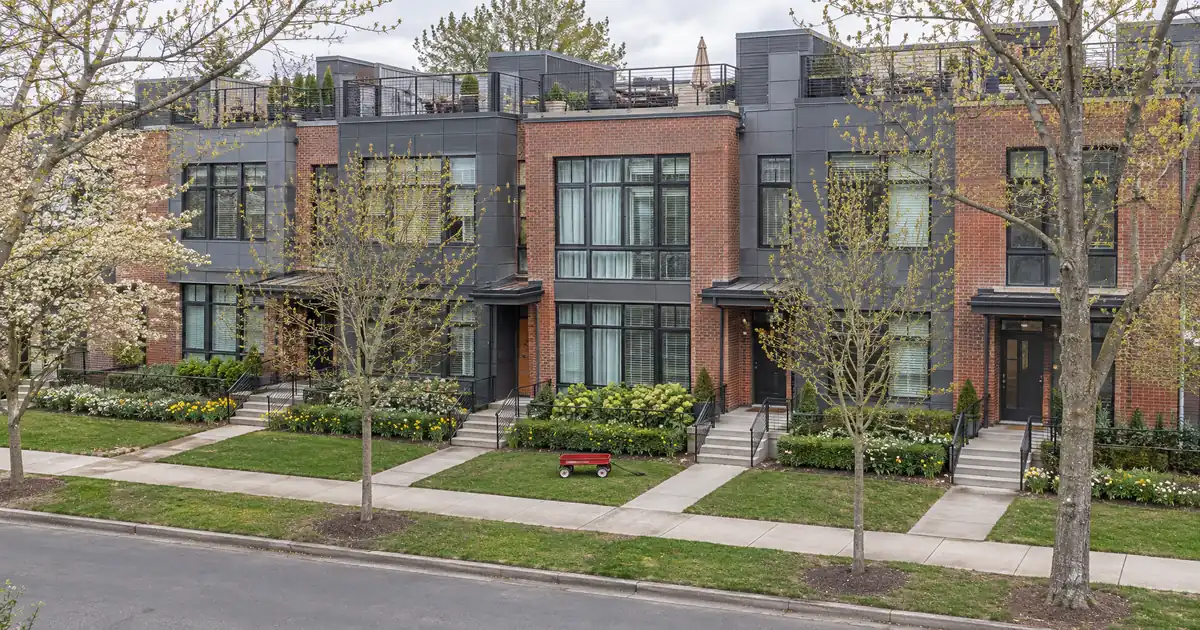
The Quick Read: A condo and a detached house you own outright both count as cash-out refinances, and on a primary residence the conventional leverage ceiling is the same for each. The real difference is underwriting. A house is reviewed on you and the property. A condo is reviewed on you, the unit, and the building. Subject to lender guidelines and full file review, the house tends to be the simpler file, and the condo depends on how healthy the project is.
The Honest Answer on Who Each Option Is For
If you own a condo with no mortgage, the borrower side looks identical, but the lender also has to be comfortable with the building. A strong borrower in a troubled project can still hit a wall.
Cash-out refinance estimate
The starting figures are an example value with a balance and a cash request in proportion. Replace them with yours.
Editable benchmark: 7.18% as of November 5, 2026 · Freddie Mac 30-year average via FRED®. A conventional market reference, not a cash-out refinance quote.
Illustrative starting assumptions: a $350,000 home value, a $193,000 current balance, the agency cap on a one-unit principal residence, a thirty-year term at the current Freddie Mac benchmark, and property taxes and insurance estimated at typical national rates. Every field is editable.
Illustrative estimate only — not a Loan Estimate, approval, quote, or commitment to lend. The rate field carries the weekly Freddie Mac thirty-year conventional benchmark, a market reference and not a cash-out refinance quote; a cash-out loan is priced by the lender at lock. The cash available is the loan the program cap allows less the balances paid off, before closing costs, which are not included. The HELOC line is the program’s combined loan-to-value ceiling applied to the same value and balance. Taxes and insurance are editable estimates. Licensed in sixteen states for consumer mortgages.
Neither choice is “better” in the abstract. You may not be choosing at all, since most people already own one or the other. The useful question is what each property type will ask of you, so you can plan for it. For more detail on the program options, see Lendmire’s cash-out refinance programs page.
One point trips up many owners. Having no mortgage doesn’t make the loan something gentler than a cash-out. HUD’s Handbook 4000.1 update transmittal describes cash-out as including the situation where no mortgage previously existed. The limited cash-out category, sometimes called rate-and-term, is for paying off an existing first mortgage. With no first mortgage to pay off, that category doesn’t apply to you.
Side-by-Side
On conventional loans, the leverage rules follow occupancy and unit count, not whether the property is attached or detached. The Fannie Mae Eligibility Matrix keys the cash-out ceiling to those two factors. The table reflects the conventional lane, subject to lender guidelines.
| Factor | Detached House | Condo |
|---|---|---|
| Loan classification | Cash-out | Cash-out |
| Leverage, one-unit primary home | 80% LTV | 80% LTV |
| Leverage, 2-4 units | 75% LTV | 75% LTV |
| Extra review | Borrower, appraisal, title | Adds building eligibility review |
| Documentation | Standard income, assets, credit | Standard, plus project and HOA documents |
A few notes on the rows. Occupancy and unit count set the leverage: a one-unit primary residence carries the 80% figure, while two- to four-unit principal residences, second homes and investment property carry 75%. A wholesale lane exists that reaches 89.99% LTV with no mortgage insurance at a 680 score and a 50% ratio ceiling, on a thirty-year fixed, primary residence, conforming balance, with its own six months of seasoning. It is the one exception to the rule that mortgage insurance applies above 80%. Whether a condo can use that lane depends on the building passing the same review. Terms vary by lender guidelines, property type, leverage, credit profile, and full file review.
Seasoning matters for both. For a cash-out, a borrower generally needs to have been on title for 6 months, with exceptions for delayed financing after a cash purchase, inheritance, and legal awards.
What the Condo Adds: Two Gates, Not One
A house has one gate: you and the property. A condo has two. Gate one is you. Gate two is the project.
For conventional loans, the lender checks whether the building is eligible. Fannie Mae assigns project statuses in its full review process, including approved, conditionally approved, a path where the lender certifies the project, and an “Unavailable” status. When a project is Unavailable, loans on units in it can’t be sold to Fannie Mae. Your credit score can’t fix that.
Borrowers often learn about it late, after the appraisal is ordered. Asking the HOA for its project documents early, and asking whether the building has any open repair or assessment issues, saves the most grief.
Reviewers look at things like:
- Critical repairs or evacuation orders affecting the building.
- Commercial space inside the project. Freddie Mac’s condo unit FAQ sets commercial-space limits by project size and describes a waiver request for projects outside them.
- Litigation or financial strain at the association.
- Project status with the agency or program being used.
Some condos skip the full project review. Fannie Mae’s waiver of project review covers detached condo units and units in two- to four-unit projects. There is also a waiver for Fannie Mae-owned loans being refinanced as a limited cash-out. That second one can’t help a free-and-clear owner, because there’s no existing loan to be Fannie-owned. Freddie Mac’s exempt-from-review path likewise covers no-cash-out and Refi Possible loans, not a cash-out on a home you own outright.
So a small or detached condo may face a lighter review than a large high-rise. That’s a real advantage, though it isn’t a guarantee.
When the Single-Family Home Is the Better Fit
The detached house fits when you want the fewest moving parts. Fewer parties can affect your loan. There’s no association whose finances, insurance or repairs the lender needs to examine. The appraisal looks at the home and comparable sales around it, not the health of a shared building.
A house is also the cleaner path if you may need a government cash-out. FHA cash-out is limited to owner-occupied principal residences, and a condo on FHA must sit in an approved project or qualify for single-unit approval. VA cash-out likewise needs a VA-approved condo project. A house doesn’t carry that extra approval question.
Picture a retiree who owns a detached home outright and wants to fund a renovation. The file is simple: appraisal, title, income and credit documentation. Leverage at the one-unit primary-residence level is the 80% ceiling, and the borrower decides how much of that equity to use. Using less keeps more equity cushion, which is the main practical lever the borrower controls.
The house isn’t automatically better, though. It may carry higher upkeep and its own insurance and maintenance responsibilities. Those are household budget questions, not loan-eligibility ones.
When the Condo Is the Better Fit
The condo fits when the building is healthy and the unit is the right size for your life. Leverage is the same as for a house, so you aren’t giving up borrowing power by holding a condo. A well-run association with solid finances can make the project review routine.
A condo can also be the smoother file than people expect when it is a detached condo or sits in a small two- to four-unit project, where project review may be waived.
Consider an owner who inherited a condo and has held it free and clear. Inheritance is one of the recognized exceptions to the title-seasoning rule. The borrower side is straightforward. The open questions are about the building: is the project eligible, and is anything pending that the lender would flag?
Keep in mind that a condo adds a cost that continues after the loan. HOA dues count in qualifying and in your monthly budget. Special assessments and major building repairs can also matter to a lender. You can’t control them, which is the cost of the shared-building model.
If the building proves ineligible for the conventional lane, some condo owners look at a different program with different project rules. Eligibility there turns on project approval for that program, so the same building question follows you.
What Changes for Your Budget
Free and clear means no mortgage payment. A cash-out replaces that with a new loan and, usually, escrow for taxes and insurance. The CFPB’s home equity guide notes that a cash-out refinance may lengthen the time to pay off the mortgage and may raise the monthly payment because a larger loan replaces the current one. For a household moving from no payment at all, that’s a bigger shift than it is for someone refinancing an existing loan.
The same guide says lenders typically require you to keep at least 10% to 20% of your home’s value as equity. The 80% and 75% ceilings above are the conventional version of that cushion.
Closing costs are a separate matter from cash to close. They come out of proceeds or are financed within the LTV cap, so financed costs use up borrowing room and reduce the cash you receive. Your Loan Estimate and Closing Disclosure show the details.
On what to do with the money, a caution applies to how proceeds are used rather than to the loan itself. Paying off other debts is a common reason people give for a cash-out refinance, but credit card balances can drift back up afterward, which would leave you with both a larger mortgage and new card debt.
Key Terms Defined
Free and clear: You own the home and no mortgage or other lien is recorded against it.
Cash-out refinance: A new mortgage that lets you borrow against your equity and receive part of it as cash.
LTV (loan-to-value): The loan amount divided by the home’s appraised value, shown as a percentage.
Project review: The lender’s check on a condo building’s eligibility, covering repairs, finances, litigation and commercial space.
Seasoning: The length of time you’ve held title or the loan has existed before a new cash-out is allowed.
Limited cash-out (rate-and-term): A refinance that pays off an existing first mortgage with only small incidental cash back. It requires a mortgage to pay off.
Common Misconceptions
- “No mortgage means it isn’t a cash-out.” It is one, under agency and FHA definitions.
- “A condo gets a lower cash-out LTV than a house.” On conventional one-unit primary homes, the ceiling follows occupancy and unit count. A particular lender may add its own limits, which is a separate point.
- “A strong borrower settles a condo approval.” The building has to qualify too.
- “Streamline products can take cash out.” The FHA Streamline and the VA IRRRL are for existing government loans and don’t provide cash-out.
- “Zero cash to close means zero closing costs.” The costs were netted from proceeds or financed.
The Balanced Verdict
For most free-and-clear owners, the leverage you can reach is the same on both property types. The house is the simpler path because it has one gate. The condo works well when the building is eligible, and a condo in a small project or a detached condo may face a lighter review.
If you own a condo, get the project facts early. If you own a house, your main decision is how much equity to use, and how much cushion to keep. In either case, a lien on a home that had none is a real change in your finances, and it deserves a plain look at the monthly budget before you start.
If you are weighing a cash-out refinance on a home you own outright, Lendmire can help you compare the programs and the equity each one reaches.
Frequently Asked Questions
Is a refinance on a home with no mortgage really a cash-out?
Yes. With no existing first mortgage to pay off, the limited cash-out category doesn’t apply, and the loan is treated as cash-out. That is why the cash-out leverage ceiling, 80% on a one-unit primary residence, governs both condos and houses.
Will a condo get a lower loan amount than a house?
Usually not on the conventional lane. The ceiling follows occupancy and unit count: 80% LTV for a one-unit primary home and 75% for two to four units. Individual lenders may set their own overlays, and the appraised value of the unit sets the actual loan size.
What can make a condo cash-out fail when my credit is strong?
The building. A project the agency marks Unavailable, critical repairs, evacuation orders, excess commercial space or association problems can all stop a conventional file. FHA and VA add their own project approval requirements. Gathering the HOA documents early shows you the risk sooner.
Do I have to own the property for a certain time first?
Generally, yes. A borrower is typically on title for 6 months, with exceptions for delayed financing after a cash purchase, inheritance and legal awards. A cash-out also requires that any first mortgage being paid off be at least 12 months old, which doesn’t apply to a free-and-clear owner.
Can a second home or rental condo use the same rules?
Occupancy sets the leverage. A cash-out can be written on a primary residence, second home or investment property, with 75% as the figure for second homes and investment property. Everything remains subject to lender guidelines and full file review, and nothing here is a commitment to lend.
For your own numbers, request a scenario review with Lendmire.
For current guidelines and terms, see Lendmire’s refinance programs page.
About Lendmire
Lendmire, NMLS# 2371349, is a mortgage brokerage with consumer lending licenses in 16 states. FHA, VA, conventional and jumbo purchase and refinance loans are arranged through wholesale lending partners, and each application is reviewed individually by the lender. Scotsman Guide named Lendmire a Top Mortgage Workplace in both 2025 and 2026.
Get Started
Ready to find the right loan for you?
See your offer in seconds. No credit pull, no obligation.
Informational only. Not a Loan Estimate, approval, or commitment to lend. Program availability and eligibility are subject to lender guidelines, credit approval, property review, and underwriting.
References
1. Handbook 4000.1 update transmittal
2. Fannie Mae Eligibility Matrix
3. Fannie Mae Selling Guide B4-2.2-02, Full Review Process
4. Freddie Mac Condominium Unit Mortgage FAQ
5. Fannie Mae Selling Guide B4-2.1-02, Waiver of Project Review
6. CFPB, Using Home Equity to Meet Financial Needs
This article is part of Lendmire’s cash-out refinance program — full qualification details, guidelines, and scenarios live on the program page.
Related reading: Best Cash-Out Refinance Program on a Single-Family Primary Home in 2026 · How Much a Cash-Out Refinance Lends a Free-and-Clear Homeowner · Does a Free-and-Clear Homeowner Face Cash-Out Refinance Limits? · How Much Less Cash a Duplex Cash-Out Releases Than a Single-Family · How to Cash Out a Free-and-Clear Home With a Conventional Loan
Brandon Miller
Founder & CEO, Mortgage Loan Originator, Lendmire LLC
- Mortgage Loan Originator · NMLS# 1129696 · Verify on NMLS Consumer Access
- North Carolina Real Estate Broker · License# 343312 · Verify on NCREC
- North Carolina Insurance Producer · License# 19053198 · Property, Casualty, Life, Health · Verify on NAIC SBS
- Lendmire LLC · Firm NMLS# 2371349 · Verify firm licensure
Legal disclosures. Lendmire (NMLS# 2371349) is a state-licensed mortgage brokerage that arranges financing through wholesale lender relationships. Lendmire is not a direct lender, depository institution, or registered financial advisor. The discussion above is general informational content about real estate financing — it is not financial, legal, or tax advice, and readers should consult licensed professionals for guidance on their individual circumstances. Loan inquiries are subject to lender underwriting; this article does not represent a commitment to lend. Loan terms, rates, and qualification standards vary by borrower, property, and state, and are subject to change at any time. Equal Housing Opportunity. NMLS Consumer Access: nmlsconsumeraccess.org.