
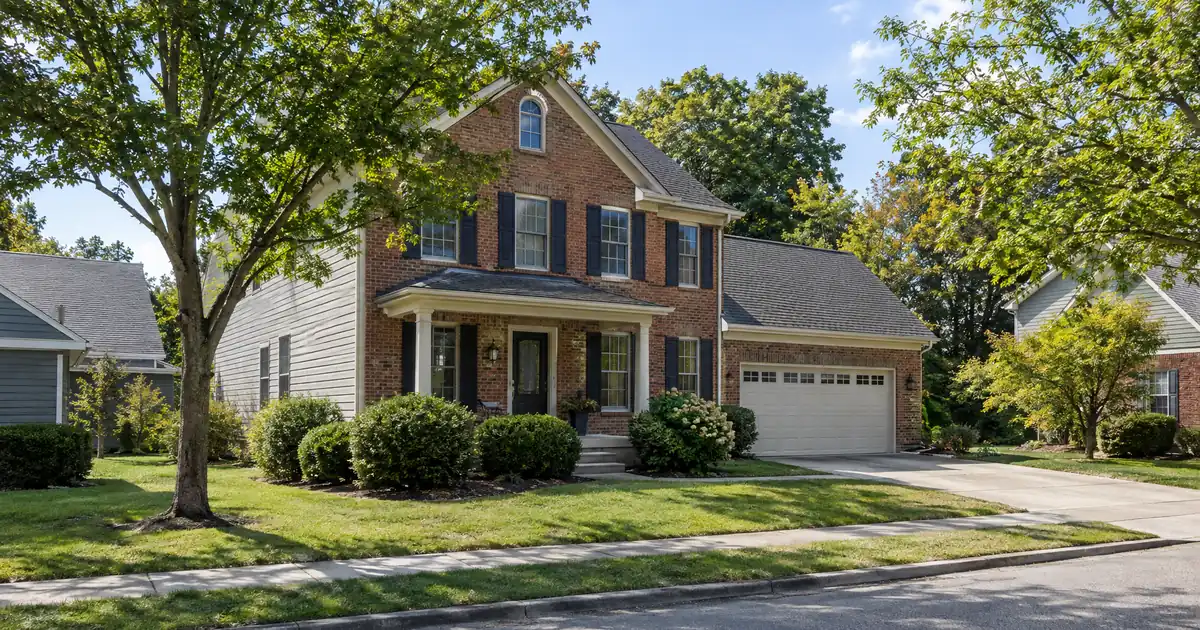
The Quick Read: Self-employed borrowers get a mortgage by qualifying on documented income instead of a W-2, and the most common route is 12 months of bank statements averaged into monthly income, under the applicable program and subject to lender guidelines. The path you pick depends on occupancy: a home you will live in follows one set of rules, and a pure rental follows another. Nothing here changes because of the state line, since the mechanics below are national.
- Bank statements can replace tax-return-based personal-income documentation on many programs, with qualifying income built from average deposits and a lender-set expense factor.
- Primary residence leverage reaches up to 90% LTV on a purchase or rate-term refinance through select lenders in Lendmire’s wholesale network.
- Owner-occupied cash-out tops out at up to 80% LTV, and investment-property cash-out at around 75% LTV.
- Loan amounts typically run from $125,000 to $3,500,000, with reserves commonly around 6 months of the housing payment.
- Rental purchases often move to a different product, which qualifies primarily on property-level rental income covering the payment, subject to lender guidelines.
Why Tax Returns Hurt Self-Employed Borrowers
Traditional personal-income documentation hurts because a conventional lender starts from net income, which is what remains after your write-offs. Every legitimate deduction that lowers your tax bill also lowers the income a lender will count.
What your deposits qualify you for in Indiana.
Alt-doc programs read 12 months of business or personal bank deposits instead of tax returns. Enter your average monthly deposits and see the income a lender would credit you.
The expense factor is set by the lender from your business type and profit-and-loss statement; it is not a number you choose. This widget quotes no rate and no payment.
Program parameters shown update from Lendmire’s centralized guideline source.
Estimate
Illustrative estimate only — not a quote, Loan Estimate, approval, or commitment to lend. Deposit average, expense factor, and housing ratio are editable assumptions; the expense factor a lender applies is set from your business type and documentation. No interest rate or monthly payment is quoted here. Purchase capacity is a simplified illustration and does not account for taxes, insurance, HOA dues, or other debts. Alt-doc income documentation is available on consumer mortgages in the states where Lendmire is licensed for consumer lending; actual terms vary by lender, borrower, and property.
That is the root problem. A business owner with strong cash flow and aggressive deductions can look modest on paper. The income is real, but the return hides it. Alternative documentation programs exist to close that gap.
Every file is underwritten individually, and the lender still reviews credit, assets, reserves and the property.
How Underwriting Treats Self-Employed Income, Step by Step
Bank-statement underwriting works in five steps: collect statements, remove non-income deposits, apply an expense factor, adjust for ownership, and average the result. The output is one monthly qualifying income figure, which is then compared with your obligations.
1. Collect the statements. Across the wholesale network, the standard is 12 months of business or personal statements. Some lenders ask for more, and the program sheet controls.
2. Strip out non-income deposits. Transfers between your own accounts, loan proceeds and one-time windfalls come out. This is why total deposits never equal qualifying income.
3. Apply an expense factor. On business accounts, the lender assumes part of each deposit went to operating costs. The factor is lender-set, not borrower-chosen, and it can vary by business type and documentation. Some programs offer a lower factor when an accountant prepares the expense ratio.
4. Adjust for ownership. If you own part of the business, only your share counts.
5. Average and test. The result is spread across the lookback period into monthly income, and your debt-to-income ratio is tested against it.
Deposit patterns matter more than any single number. Steady, explainable deposits help. Large unexplained transfers, frequent overdrafts and commingled personal and business funds slow files down. Most programs we place files with also want clean documentation of any big deposit.
Federal rules back this approach. The CFPB’s ability-to-repay guidance says lenders must consider and document income, assets, employment, credit history and expenses. Its compliance guide lists bank statements and traditional personal-income documentation among the acceptable records a lender may rely on. So a bank statement is a recognized proof of income, not a workaround.
The Structures That Exist
Four documentation paths cover most self-employed borrowers: full traditional income documentation, bank statements, accountant-prepared expense ratios, and asset depletion. A fifth path, property-based qualification, applies only to rentals. The comparison below shows how they differ.
| Path | What qualifies you | Best fit |
|---|---|---|
| Conventional personal-income paperwork | Net income after write-offs | Low deductions, rising income |
| Bank statements | Average deposits, expense factor | Heavy write-offs, strong cash flow |
| Accountant expense ratio | Deposits with a prepared ratio | Owners who want a lower factor |
| Asset depletion | Liquid assets, up to 80% LTV on a primary | Asset-rich, income-light |
| Property rent | Rent against full housing payment | Rental purchases only |
Leverage depends on the path and the occupancy. Within the network, a primary residence can reach up to 90% LTV on a purchase or rate-term refinance, and asset depletion on a primary residence runs to about 80% LTV. Stronger credit and cleaner files earn the top of the range. Qualification is on documented income under the applicable program, subject to lender guidelines.
If your standard personal-income documentation already shows healthy income, try that path first. It usually carries the simplest terms. Switch to bank statements when write-offs push qualifying income well below what the business actually earns.
Where the General Rule Breaks
The general rule is that bank statements stand in for conventional income documentation. It breaks in five places, and each one changes how you should structure the loan.
Occupancy. A home you will live in, including a second home, is a consumer mortgage, so TRID disclosures apply. A bank-statement loan on a non-owner-occupied rental, including a short-term rental, is business-purpose and exempt from TRID. Mixing the two up leads to the wrong expectations about paperwork.
Cash-out. Cash-out has a lower ceiling than purchase. Owner-occupied cash-out on a primary or second home goes up to 80% LTV with a fixed expense ratio, or 75% with an accountant-prepared ratio, depending on loan size and credit. Investment-property cash-out tops out around 75% LTV. The 90% figure belongs only to primary-residence purchase and rate-term files. These specifics are subject to lender guidelines and a full review of property, leverage, and credit.
Investment purchases. Leverage on a rental purchase using bank-statement documentation varies by lender, so treat any single number with caution. Investors buying rentals usually do better with a product built for them.
Entity borrowers. Loans to an LLC are generally treated as business-purpose, subject to program terms. That affects how disclosures work, but the lender still reviews credit and the property.
Tax and regulatory scope. Federal rules treat credit by purpose, not by label. The Federal Register’s ability-to-repay rule lists eight underwriting factors for consumer-purpose loans, which is why owner-occupied files get a full income review. Because rental loans are business-purpose investor credit, they are reviewed differently from a standard owner-occupied mortgage.
Which Path Fits Which Borrower
The right path follows your situation, not your title. Picture four common profiles.
- A consultant with heavy write-offs. Traditional income documentation shows low income, but deposits are steady. Bank statements usually fit, and an accountant-prepared expense ratio may improve the factor.
- A newer business owner with strong deposits. History requirements vary by program, so ask each lender about prior experience in the same field before assuming anything.
- An asset-rich owner with irregular income. Asset depletion can qualify the borrower from liquid assets, up to about 80% LTV on a primary residence.
- An investor buying a rental. Personal income is not the main lever. The strongest fit is a loan that qualifies primarily on property-level rental income covering the payment, subject to lender guidelines. Lendmire’s complete DSCR loans guide explains how that ratio works. Select lenders in the network also offer programs below 1.00 coverage, though leverage and terms adjust.
Rental coverage is calculated as monthly rent divided by the full monthly housing obligation, including taxes, insurance and any HOA dues. Rent evidence typically comes from a lease or an appraiser’s rent schedule, and the lender will still order an appraisal.
How to Prepare Before You Apply
Preparation is mostly about making your deposits easy to read. Lenders can only count what they can trace.
- Keep business and personal funds in separate accounts where you can.
- Document large deposits with a short written explanation and a paper trail.
- Avoid opening new credit lines or moving accounts mid-file.
- Build reserves. Most programs want around 6 months of the housing payment on hand.
- Gather an accountant’s letter or prepared expense ratio if your program offers that option.
- Check your credit and clear errors before the lender pulls it.
Tax treatment can depend on how the funds are used and how the property is held, so keep clear records and speak with a qualified tax professional before relying on any deduction.
Ask each lender the same questions: how many months of statements, which expense factor applies, whether an accountant’s ratio is accepted, and what the reserve requirement is. Overlays differ widely across lenders, which is why the same borrower can get different answers. A broker who sees many programs can compare them side by side. Terms depend on the lender’s guidelines, the property type, the leverage, and a full review of the credit profile.
Key Terms Defined
Expense factor: The share of business deposits a lender assumes went to operating costs before counting income.
Bank-statement loan: A mortgage that qualifies a borrower on average deposits rather than tax-return net income.
Asset depletion: A method that converts liquid assets into qualifying monthly income.
Reserves: Liquid funds left after closing, commonly measured in months of the housing payment.
Business-purpose loan: Credit taken for a rental or business use, reviewed differently from a standard owner-occupied mortgage.
LTV: Loan-to-value, the loan balance as a percentage of the property’s value.
Frequently Asked Questions
Can I use bank statements instead of conventional personal-income paperwork for a primary residence?
Yes, on many programs. The lender averages 12 months of deposits, applies an expense factor on business accounts, and tests your debt-to-income ratio. Leverage can reach up to 90% LTV on a purchase or rate-term refinance through select lenders, subject to lender guidelines and credit.
What is the maximum cash-out on a self-employed owner-occupied home?
Owner-occupied cash-out goes up to 80% LTV with a fixed expense ratio, or 75% with an accountant-prepared ratio. Loan size and credit affect where a file lands. The exact numbers vary by lender and program and follow a full review of property, leverage, and credit.
Do bank-statement loans mean no documents?
No. You still provide statements, credit, asset records and an appraisal. The lender reviews reserves and the property as well.
Should I use a bank-statement loan or a rental-income loan for an investment property?
Match the product to the property. If you will live in it, bank statements or standard personal-income documentation apply. If it is a non-owner-occupied rental, a loan that qualifies primarily on rental income covering the payment is usually the cleaner fit, and personal deductions matter less.
How much do I need in reserves?
Reserves commonly run around 6 months of the housing payment, though each lender’s program sheet sets the exact requirement. Larger loans and weaker credit can call for more.
Reach the team at 828-256-2183 or request a quote. For a related read, see Lendmire’s piece How to Get a Mortgage When You’re Self-Employed in 2026.
For current guidelines and terms, see Lendmire’s DSCR loan programs page.
About Lendmire
As a non-QM mortgage broker (NMLS# 2371349), Lendmire facilitates DSCR investor loans across 41 markets, including Washington, D.C. DSCR eligibility is generally reviewed around property-level rental income instead of personal income documentation, subject to lender guidelines. This approach can serve LLC-structured portfolios and self-employed borrowers who don’t fit conventional boxes. Lendmire is a two-time Scotsman Guide Top Mortgage Workplace (2025, 2026).
Get Started
Ready to find the right loan for you?
In about 30 seconds you can review financing options available for your home or investment property. No commitment required.
Informational only. Not a Loan Estimate, approval, or commitment to lend. Program availability and eligibility are subject to lender guidelines, credit approval, property review, and underwriting.
References
1. CFPB – What is the ability-to-repay rule?
2. CFPB – ATR/QM Small Entity Compliance Guide
This article is part of Lendmire’s bank statement loan program — full qualification details, guidelines, and scenarios live on the program page.
Related reading: Bank Statement vs P&L vs 1099 vs DSCR for a Self-Employed Mortgage · How to Choose a Look-Back Period When Newly Self-Employed · How a Same-Field W-2 History Supports a Self-Employed Mortgage
Guides: Bank Statement Loans in Indiana
Brandon Miller
Founder & CEO, Mortgage Loan Originator, Lendmire LLC
- Mortgage Loan Originator · NMLS# 1129696 · Verify on NMLS Consumer Access
- North Carolina Real Estate Broker · License# 343312 · Verify on NCREC
- North Carolina Insurance Producer · License# 19053198 · Property, Casualty, Life, Health · Verify on NAIC SBS
- Lendmire LLC · Firm NMLS# 2371349 · Verify firm licensure
Important disclosures. Lendmire (NMLS# 2371349) is a licensed mortgage brokerage. Lendmire is not a direct lender, depository institution, or financial advisor. All loan inquiries are subject to lender underwriting; this article does not constitute a commitment to lend. Rates, terms, and program guidelines are subject to change without notice and vary by borrower profile, property type, and state. Information in this article is general in nature and is not financial, legal, or tax advice. Equal Housing Opportunity. NMLS Consumer Access: nmlsconsumeraccess.org.