
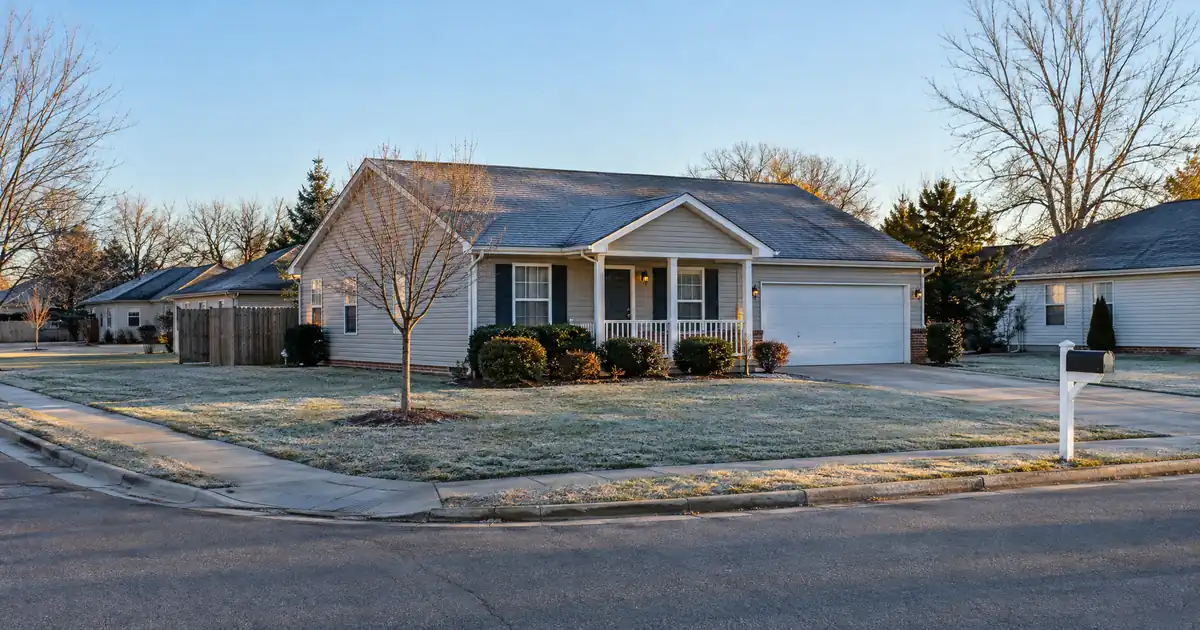
The Quick Read: No, not for the loans in this lane. Down payment assistance sits on top of an FHA, USDA or HUD-184 first mortgage, and each of those requires you to live in the home. The assistance repeats that condition. The closest thing to “no strings” is a grant with nothing to repay, but it still funds a primary home only.
That answer is short, but the reasons matter. They tell you which situations are dead ends, which ones only look like dead ends, and what to do in each. The rest of this piece covers the mechanics, the edge cases (military orders, a job transfer, a multi-unit purchase) and a few honest alternatives.
What Does “No Occupancy Requirement” Actually Mean?
Two different questions hide inside this phrase. The first is whether you can buy a home you won’t live in and still get assistance. The second is whether you can get assistance without a minimum stay or a waiting period before you can leave. The answers differ, so keep them apart.
Live-in requirement. Every assistance option Lendmire arranges is for an owner-occupied primary residence. That excludes second homes, vacation homes and rental or investment properties. There is no exception. If you won’t live there, assistance isn’t on the table.
Minimum-stay period. This one has real variation, and it is where the “no strings” idea has some truth. The four assistance shapes treat time differently:
| Assistance shape | What you owe after closing |
|---|---|
| Grant | Nothing to repay. No lien, no payment |
| Forgivable second | Nothing, if first-lien payments stay on time through 36 or 60 months |
| Repayable second | A monthly payment, with a balloon in year 10 |
| Refinance-cost second | A monthly payment, with a balloon in year 10 (repayable-style terms) |
So if you hoped for assistance without a long hold, the grant is the lightest. It is released at closing and leaves no lien. But the grant sits on an FHA first mortgage, and that loan still assumes you live there. Nothing about the grant erases the occupancy rule underneath.
Why Does Assistance Require You to Live There?
Assistance exists to put people into homes they will live in. It is aimed at buyers with thin savings, and the first mortgage underneath is a government-backed owner-occupant product.
Those first mortgages carry their own occupancy rules. USDA Rural Development states that applicants must personally occupy the home as a primary residence, and that the property can’t be income-producing. HUD says Section 184 loans are for one-to-four-unit homes and for a primary residence only. FHA works the same way: at least one borrower occupies soon after closing and intends to stay for at least a year.
The assistance layer sits on that foundation. Across the wholesale programs Lendmire places files with, the assistance options pair only with those government first liens. No assistance option can override the first lien’s rule. Even if one could, it wouldn’t help, because the first mortgage would still be out of compliance.
Which Four Shapes of Assistance Are We Talking About?
Before the edge cases, here is what exists. Lendmire is a mortgage broker. It arranges these through wholesale lenders, subject to program guidelines and full underwriting. You can read more on Lendmire’s down payment assistance programs page.
The grant. It covers 2% or 3.5% of the purchase price toward the FHA minimum investment. You repay nothing. It is released at closing, with no lien, no payment and no interest. Credit floor is 620. It pairs with FHA first liens at 96.5% loan-to-value on one to four units. It is not offered in Washington. A homebuyer education course is required.
The forgivable second. It covers 3.5% of the lesser of price or appraised value. There is no interest and no payment. It is fully forgiven after the first 36 or 60 on-time first-lien payments. Credit floor is 640. It pairs with FHA, USDA and HUD-184 first liens on one to two units.
The repayable second. It covers 3.5% or 5% of the lesser of price or value. At 5%, it also helps with closing costs and prepaid items. This is a real loan: interest-bearing, with a monthly payment, 30-year amortization and a balloon due in year 10. Credit floor is 660.
The refinance-cost second. It covers 1% to 3.5% of the lesser of the current first-lien balance or appraised value toward the closing costs of an FHA refinance, with combined leverage up to 104%. It is a loan too, with repayable-style terms, and it needs a primary residence. Credit floor is 660. Terms vary by lender guidelines, property type, leverage, credit profile, and full file review.
No option requires a first-time buyer. Repeat and move-up buyers qualify. You can’t stack one with another assistance program.
Do You Have to Be a First-Time Buyer or Low-Income?
Neither is a blanket rule. That surprises people, because many public programs do use both tests. The forgivable and repayable seconds carry no income limit beyond USDA’s own limit when the first lien is USDA. The grant uses an income test of 140% of area median income. But you can skip that test if you fall into a qualifying category: first responder, educator, medical worker, civil servant, military, first-time buyer, or a property in an underserved census tract.
Income and first-time status are not the same thing as occupancy. A repeat buyer earning well above local medians can still qualify for a second-lien option. That buyer still has to live in the home.
Situation by Situation: Where the Answer Changes
Most readers asking this question have a specific plan in mind. Here is how each one lands.
| Your plan | Assistance possible? | The real issue |
|---|---|---|
| Buying a rental you won’t live in | No | Assistance is for a primary residence only |
| Buying a second or vacation home | No | Same rule |
| Buying a duplex, living in one unit | Yes, as a primary residence | You occupy one unit; unit count varies by option |
| Relocating for work soon after buying | Depends | Occupancy intent at closing matters |
| Adding a non-occupant co-borrower | Depends | One borrower still has to live there |
| Keeping your old home as a rental | Possible, if the new home is your primary | The new home must be where you live |
The first two rows are firm. If your plan is an investment purchase, assistance isn’t built for it, and that is a different loan category altogether.
What About Buying a Multi-Unit Home and Renting the Other Units?
A multi-unit purchase is allowed when you live in one of the units. That is a primary-residence purchase, not a rental purchase. The grant pairs with FHA first liens on one to four units. The forgivable and repayable seconds are limited to one to two units. HUD’s Section 184 page likewise allows one-to-four-unit homes so long as the home is the borrower’s primary residence.
USDA is stricter. Its guaranteed loan excludes income-producing property, so a multi-unit plan generally doesn’t fit a USDA first lien. If you want a duplex with assistance, the first lien choice matters more than the assistance itself.
What If You Get Transferred or Called Up?
Life changes plans. A job transfer, a family emergency or a military order can interrupt the stay you intended when you closed. The programs treat this unevenly.
Military orders. Some government first-lien programs give active-duty buyers a reasonable window to occupy, with family continuing to live there. If you are military, ask about this before you sign.
A job transfer. Occupancy is about intent when you sign. A transfer that happens later, for reasons you didn’t foresee, is a different story from an investor who planned to rent from day one. But it is not a free pass. If the home stops being your residence, the assistance terms still apply.
Here is how each shape reacts if you leave:
- Grant. Nothing to repay, because there is no lien. The first mortgage still carries its own occupancy terms.
- Forgivable second. Forgiveness depends on on-time first-lien payments, and the second is a recorded lien until forgiven. Leaving early, selling or refinancing before forgiveness can bring the balance due.
- Repayable second. It is a loan with a balloon in year 10. Selling or refinancing typically pays it off.
The practical move is to ask your loan officer, before you commit, exactly what happens if you move in year two.
How Does a Lender Verify Occupancy?
You sign an occupancy certification at application. The lender documents it. That signed statement is the point where a plan becomes a legal representation.
Underwriters also look for consistency. A buyer who says they’ll live in the home but holds a lease on the old place through the next year may get questions. Expect to explain. Plain, honest answers help the file.
A few details the file needs:
- Application and AUS finding. The automated underwriting finding drives the second-lien options.
- Homebuyer education. Required for the grant. You pay up front and the cost is credited back at closing.
- Credit. Floors run from 620 for the grant to 660 for the repayable and refinance options. Some second-lien files can blend co-borrower scores. The primary wage earner must earn at least 60% of household income and hold the higher score.
- Property check. Unique property types are excluded.
What Happens If You Break the Occupancy Promise?
Three things can happen, and none of them is pleasant. The assistance can come due. The lender can call the first loan. And a false statement can create legal exposure.
HUD’s Office of Inspector General defines occupancy fraud as a borrower obtaining a mortgage to buy an investment property while claiming they will live there. That is the line. A change of plans after closing is not fraud. A plan to rent from the start, signed as a primary residence, is.
The risk isn’t theoretical. HUD OIG has published a civil action in which a borrower certified an intent to live in a home, then listed it for rent soon after closing, and settled with HUD. These statements get checked, and consequences exist.
So if rental is the plan, say so up front and choose a different path. It costs less than the alternative.
What About a Non-Occupant Co-Borrower?
A co-borrower who doesn’t live in the home is a first-lien question, not an assistance question. Some first-lien programs allow non-occupant co-borrowers under conditions. Others are narrower. Even where it is allowed, at least one borrower still has to occupy the home.
Some assistance programs exclude non-occupant co-borrowers entirely. California’s MyHome program is one public example. Don’t assume the first lien’s allowance carries over. If a parent or relative is helping you qualify, ask the loan officer how that role works with the specific assistance option, before you build your offer around it.
A family gift is a different tool. A gift carries no repayment expectation and no program rules. Assistance carries program rules, and often homebuyer education. Don’t treat the two as interchangeable. Gifts may still help fund your down payment if you are buying a primary home.
What Are the Honest Alternatives?
If assistance isn’t available for your plan, you have options, but they aren’t assistance and shouldn’t be treated as such.
| Situation | What may help instead |
|---|---|
| Buying a primary home, short on cash | Gift funds from family, seller concessions |
| Buying a primary home, want less cash up front | FHA at 3.5% down (96.5% first lien) |
| Not planning to live in the home | A different loan category, outside this article |
FHA itself is a low-down-payment loan. The minimum investment is 3.5% of the lesser of price or appraised value, with a representative credit score of 580 or higher. There is also an upfront mortgage insurance premium, which can be financed into the loan, and annual mortgage insurance that varies by tier. Assistance is meant to sit on top of that base.
If the home is for living in, FHA with a gift or seller concessions may close the gap on its own. Many state, local and nonprofit programs offer assistance that can be used with a regular FHA loan.
Key Terms Defined
First lien. The main mortgage on the home. It gets paid first if the home is sold or foreclosed.
Second lien. A second loan recorded against the same home, behind the first mortgage. In this lane, it carries the assistance.
Grant. Assistance with nothing to repay. It leaves no lien, no payment and no interest.
Forgivable second. A second lien with no interest or payment that is erased after a set number of on-time first-lien payments.
Balloon. A lump-sum balance due at a set date. On the repayable second, it is due in year 10.
Area median income. The middle household income for a local area. The grant uses it as one eligibility test.
Occupancy certification. The statement you sign saying the home will be your primary residence.
A Quick Checklist Before You Rely on Assistance
Ask these before you write an offer:
1. Which first lien fits my plan: FHA, USDA or HUD-184? 2. Does the assistance option I want pair with that first lien? 3. Is my unit count allowed under that option? 4. What happens to the assistance if I sell, refinance or move? 5. Does my credit score clear the floor for that shape? 6. Do I need homebuyer education, and when? 7. Is the assistance reserved for my contract, or could it run out?
Programs change, and every file is underwritten individually. Ask for the current terms in writing.
Frequently Asked Questions
Can I use down payment assistance on a second home or vacation home?
No. Every assistance option in this lane is for an owner-occupied primary residence. A second home, vacation home or rental doesn’t qualify, whatever the first lien. If you already own a home and want to buy another to live in, the new one has to become your primary residence.
Does the grant have a minimum stay since there is nothing to repay?
The grant itself leaves no lien and no payment, so it has no repayment trigger. But the FHA first mortgage underneath still assumes you live there. Nothing to repay doesn’t mean nothing to certify. You still sign an occupancy statement, and you still owe an honest answer about your plans.
Do I have to be a first-time buyer?
No. Repeat and move-up buyers qualify for every option Lendmire arranges. The three-year first-time definition is only one of several qualifying categories for the grant. The forgivable and repayable seconds don’t require first-time status at all.
What if I need to relocate for work soon after closing?
It depends on the shape and on your plans at signing. Occupancy is judged by intent when you close, so a genuine, unforeseen move is different from planning to rent from the start. Still, a forgivable or repayable second remains a lien. Selling or refinancing before forgiveness can bring a balance due, so ask how each option handles an early exit.
Can a relative who won’t live in the home co-sign to help me qualify?
Sometimes on the first mortgage, depending on the program, but at least one borrower still has to live in the home. Some assistance programs exclude non-occupant co-borrowers outright. Confirm how your chosen option treats that role before relying on it.
If you are buying a primary home and want to see whether a down payment assistance option fits your file, Lendmire can help you compare the grant, forgivable and repayable structures alongside an FHA, USDA or HUD-184 first mortgage. You can reach the team at 828-256-2183, subject to program guidelines, full underwriting and credit approval. This is not a commitment to lend.
Investors who want the broader program framework can review how DSCR loans work.
About Lendmire
As a mortgage broker (NMLS# 2371349), Lendmire helps home buyers in 16 states pair an FHA, USDA or HUD-184 first lien with a down payment assistance option arranged through wholesale lenders. Lendmire is never the lender; program terms are set by the lender and the agency guidelines. Scotsman Guide named Lendmire a Top Mortgage Workplace in both 2025 and 2026.
Get Started
Ready to find the right loan for you?
In about 30 seconds you can review financing options available for your home or investment property. No commitment required.
Informational only. Not a Loan Estimate, approval, or commitment to lend. Program availability and eligibility are subject to lender guidelines, credit approval, property review, and underwriting.
References
1. USDA Rural Development: Single Family Housing Guaranteed Loan Program
2. HUD: Section 184 Borrower Resources
This article is part of Lendmire’s down payment assistance program — full qualification details, guidelines, and scenarios live on the program page.
Related reading: Grant Vs Forgivable Vs Repayable Down Payment Assistance Explained · Does Down Payment Assistance Have to Be Paid Back? · Does Down Payment Assistance Affect Payments for High Earners?
Brandon Miller
Founder & CEO, Mortgage Loan Originator, Lendmire LLC
- Mortgage Loan Originator · NMLS# 1129696 · Verify on NMLS Consumer Access
- North Carolina Real Estate Broker · License# 343312 · Verify on NCREC
- North Carolina Insurance Producer · License# 19053198 · Property, Casualty, Life, Health · Verify on NAIC SBS
- Lendmire LLC · Firm NMLS# 2371349 · Verify firm licensure
Compliance and disclosures. Lendmire (NMLS# 2371349) is a licensed mortgage broker and is not a direct lender, depository institution, financial advisor, or tax professional. Content in this article is general market analysis and educational information — not financial, legal, or tax advice for any specific situation. Lendmire does not guarantee loan approval; every transaction is subject to underwriting by the funding lender. Mortgage pricing and loan program guidelines are subject to change at any time without notice and vary by borrower characteristics, property type, and state regulations. Lendmire complies with Equal Housing Opportunity. Licensure verification: NMLS Consumer Access.