
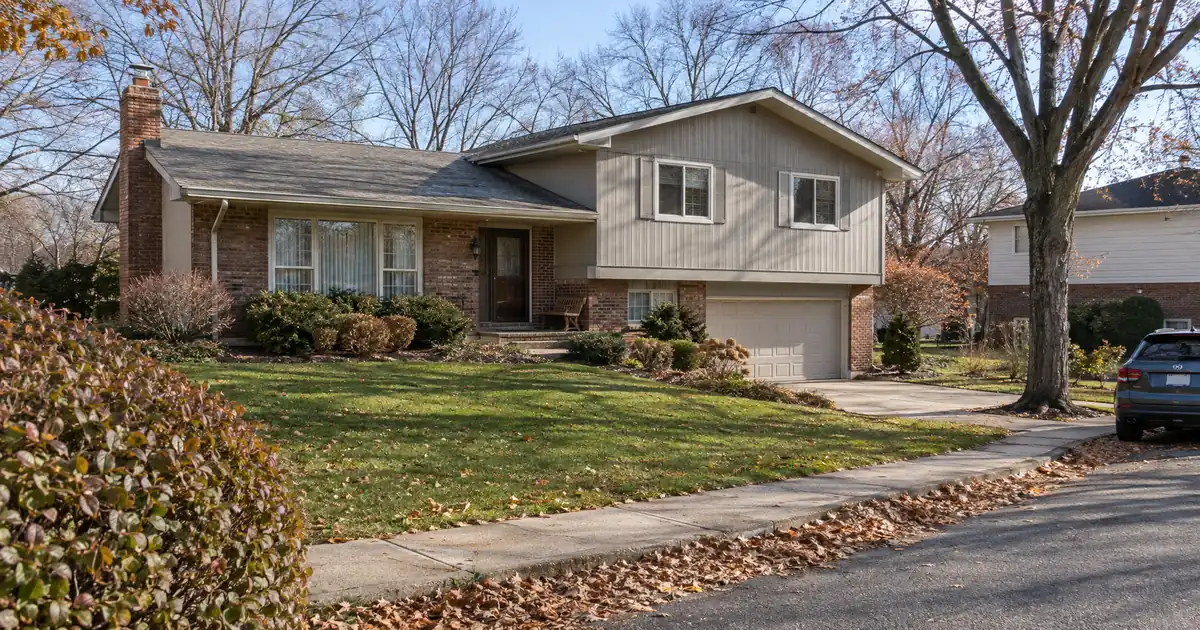
The Quick Read: Usually yes, when your payouts land in a real bank account as steady, traceable deposits that a lender can average over twelve months of statements. The gig label does not decide the file. The deposits, your credit, your other debts, and your down payment do. Most of these programs were built for self-employed borrowers, so gig workers fit best when the income reads like a business.
- Qualification runs on documented income under the applicable program, subject to lender guidelines.
- Select lenders in Lendmire’s wholesale network typically review twelve months of business or personal statements.
- On a primary residence, leverage can reach up to 90% LTV on a purchase or rate-term refinance through select lenders. Stronger files earn the top of that range.
- Loan sizes typically run from $125,000 to $3,500,000, with reserves commonly around six months of the housing payment.
- If your traditional personal-income documentation already shows enough income, a conventional or government-backed loan is often the better first try.
What Is a Bank Statement Loan, and Why Do Gig Workers Use One?
A bank statement loan is reviewed against deposits instead of your traditional personal-income documentation. The lender reads twelve months of statements, strips out money that is not earned income, applies an expense factor where required, and averages what remains into a monthly qualifying figure.
What your deposits qualify you for.
Alt-doc programs read 12 months of business or personal bank deposits instead of tax returns. Enter your average monthly deposits and see the income a lender would credit you.
The expense factor is set by the lender from your business type and profit-and-loss statement; it is not a number you choose. This widget quotes no rate and no payment.
Program parameters shown update from Lendmire’s centralized guideline source.
Estimate
Illustrative estimate only — not a quote, Loan Estimate, approval, or commitment to lend. Deposit average, expense factor, and housing ratio are editable assumptions; the expense factor a lender applies is set from your business type and documentation. No interest rate or monthly payment is quoted here. Purchase capacity is a simplified illustration and does not account for taxes, insurance, HOA dues, or other debts. Alt-doc income documentation is available on consumer mortgages in the states where Lendmire is licensed for consumer lending; actual terms vary by lender, borrower, and property.
Gig workers use it because traditional personal-income documentation and cash flow often tell different stories. A driver, delivery courier, or freelancer may deduct vehicle costs, phone bills, and supplies. Those write-offs lower taxable income, and they lower the income a conventional underwriter sees. The bank account shows what actually came in. For some borrowers, that is a materially higher number.
This loan type is built for a home you will live in. A first home you will occupy is a bank statement question. A rental purchase is a different question, and it usually leads to a DSCR loan, which qualifies the property’s rent against the payment instead of your personal income. The complete DSCR loans guide covers that side in full.
Does the Gig Worker Label Matter?
The label matters less than the paper trail. The Federal Reserve’s household well-being survey found that 20 percent of adults did some gig activity in the prior month. The same report notes there is no single definition of a gig. Selling items was the most common activity at 13 percent, and much of that was selling personal belongings.
That finding explains how lenders think. Selling a used couch is gig activity in a survey, but it is not underwritable income. A lender wants repeatable deposits tied to work you do regularly. A rideshare driver with a year of weekly payouts looks like a business. Someone who flipped a few items does not.
Across the programs Lendmire’s network places files with, the question is always the same. Can the lender trace this money to ongoing work, and will it likely continue?
How Deposits Become Qualifying Income
Underwriters turn statements into income in five steps. The numbers below are an illustration of the logic, not a program factor.
| Step | What happens |
|---|---|
| 1. Collect | Pull twelve months of statements |
| 2. Screen | Remove transfers, loan proceeds, gifts, refunds |
| 3. Adjust | Apply the lender’s expense factor if business account |
| 4. Average | Divide earned deposits by months reviewed |
| 5. Test | Compare against housing payment and other debts |
Say a statement set shows 100 units of gross deposits. If 20 units are transfers between your own accounts and a refund, 80 units are earned revenue. A business account then takes an expense factor on that 80. A personal account typically does not take one, though the lender may want proof that the deposits trace to your work.
The lender sets the expense factor, not you. It varies by program. A market source’s reporting says business type, employee count, and whether there is a physical location can influence it. Some programs allow an accountant-prepared expense ratio instead of the default. That can help a low-expense business and can hurt a high-expense one, so it is worth testing both.
The last step is where first-time buyers get surprised. Your car loan, student debt, and credit cards still count. A bank statement loan changes how income is measured. It does not erase debt.
Which Loan Path Fits a Gig Worker?
A bank statement loan is one of several routes. Here is how they compare for a first primary home.
| Path | How income is proven | First primary home? |
|---|---|---|
| Tax-return loan | Returns and W-2s or 1099s | Yes, if returns show enough |
| Bank statement | Averaged deposits | Yes |
| 1099-only | Platform 1099 forms | Lender-specific |
| P&L-only | CPA-prepared profit and loss | Lender-specific |
| Asset depletion | Liquid assets | Yes, up to 80% LTV on a primary |
| DSCR | Property rent | No, investment only |
Asset depletion deserves a mention for gig workers with real savings but uneven income. It qualifies from liquid assets, and select lenders allow it up to about 80% LTV on a primary residence. Terms depend on the lender’s guidelines, the property type, the leverage, and a full review of the credit profile.
A P&L program swaps the assumed expense factor for actual expenses prepared by a CPA. A business with low true expenses may come out ahead there. A business with heavy expenses may prefer the bank statement route.
Good Fit, Not a Fit
A bank statement loan tends to fit when:
- Your work is your main income and has run steadily for a year or more.
- Write-offs make your traditional income documentation look smaller than your cash flow.
- Your deposits are clean, with payouts landing in one or two accounts you control.
- You can fund a down payment and the reserves.
It tends to be the wrong tool when:
- A W-2 job is your primary income and gig work is a side supplement. A conventional loan may fit better.
- Your conventional personal-income paperwork already supports the loan. A market source’s reporting notes that if you qualify for a conventional or government-backed loan, that is likely the better option, because non-QM loans can carry higher costs and larger down-payment or reserve requirements.
- Your income is under a year old, seasonal, or erratic. Newly self-employed borrowers can sometimes qualify, but that is lender-specific.
- Much of your income is cash that never reaches a bank account. Cash that is not deposited cannot be counted toward qualifying income. The exact numbers vary by lender and program and follow a full review of property, leverage, and credit.
Here is the honest decision rule. Try tax-return qualifying first. Move to bank statements when write-offs, not weak earnings, are what hold your income down.
Messy Deposits and Platform Payouts
Gig income rarely arrives in a tidy line. Several habits cause real trouble in underwriting.
Mixed accounts. If payouts land in the same account as a spouse’s pay, savings transfers, or reimbursements, the lender removes those deposits. Clean separation helps. Many gig workers open a dedicated account for payouts several months before applying.
Multiple platforms. Weekly payouts from one app and monthly payouts from another both count. The statements simply need to show them clearly. An underwriter may ask which platform each deposit came from.
Instant-cash-out fees. Payout fees reduce what you actually receive. The deposit is what counts, so the net amount is what gets averaged.
Peer-to-peer payments. Tips and payments through payment apps can count if you can show they are work income. Expect questions when the sender is a friend or family member.
Switching platforms mid-year. This is workable when the income continues. A short written explanation of the change, with statements showing the overlap, helps the file.
The fix for almost all of these is a brief, factual letter of explanation, written before the underwriter asks.
Down Payment, Reserves, and Leverage
On a primary residence, select lenders in the network allow up to 90% LTV on a purchase or rate-term refinance. Most files do not get the full 90%. Stronger credit, lower debt, and more reserves earn higher leverage, and weaker files get less. Reserves commonly sit around six months of the housing payment, so a gig worker should plan to hold cash beyond the down payment itself.
Loan amounts typically run from $125,000 to $3,500,000. Lender guidelines, credit approval, and property review all apply, and every file is underwritten on its own facts.
Gig workers sometimes ask how to build a down payment on uneven income. Practical steps include moving a fixed share of each payout into savings and keeping the savings in one seasoned account. Gift funds and assistance programs follow each lender’s own rules, so confirm them before you rely on them.
If you later pull equity from an owner-occupied home, the ceiling is lower. Cash-out on a primary residence or second home reaches up to 80% LTV with a fixed expense ratio, or 75% with an accountant-prepared ratio, depending on loan size and credit. Do not carry the 90% purchase figure into a cash-out conversation. Final terms depend on the lender’s guidelines, the property type, and the borrower’s complete credit picture.
The First-Home Roadmap for a Gig Worker
1. Separate your money. Route payouts to one account and keep personal transfers out of it.
2. Gather twelve months of statements. Add proof the work is ongoing, such as platform earnings summaries or a business license where one exists.
3. Check your credit and debts. Pay down revolving balances before applying. Do not open new credit.
4. Get pre-qualified with a broker who sees several programs. Different lenders use different expense factors, so the same deposits can produce different qualifying incomes.
5. Shop with a realistic price range. Base it on the qualifying income the lender actually calculates, not the gross deposits.
6. Keep your credit quiet until the file is done. A new car loan between pre-approval and closing can change your debt ratio and derail the file.
7. Plan for variable income after closing. A fixed housing payment against uneven earnings calls for a cash buffer beyond the lender’s reserve requirement. Each figure is subject to lender guidelines and a complete review of property type, leverage, and credit.
What Lenders Must Still Check
Non-QM does not mean no underwriting. A first home is owner-occupied, so it is a consumer mortgage with consumer disclosure rules. A bank statement loan on a non-owner-occupied rental is business-purpose and sits under a different regime. The occupancy of the property decides which applies.
The Consumer Financial Protection Bureau’s small entity compliance guide says a creditor must make a reasonable, good-faith determination that you can repay. It lists eight factors, including income or assets, employment status if relied on, current debts, debt-to-income or residual income, and credit history. The rule does not ban particular loan types. That is why a bank statement loan is legitimate, and why your file still has to hold up.
Tax treatment can depend on how the funds are used and how the property is held; borrowers should keep clear records and speak with a qualified tax professional before relying on any deduction.
When the Next Purchase Is a Rental
A gig worker who buys a first primary home on bank statements may buy rentals later. Those purchases usually move to DSCR, which divides the property’s rent by its monthly obligation and does not average your deposits.
One caution applies. The bank statement loan on your home adds to your personal debts. Whether a later DSCR lender counts those obligations depends on the program, so confirm that before you stack the two. On investment leverage with bank statement documentation, lender terms vary, and investment cash-out on that documentation tops out around 75% LTV. Leverage, reserves, and pricing vary by lender and program; the final terms follow the full file review.
House-hacking is a related question. A first home with several units might let rent help you qualify, but that depends entirely on program rules, so ask early.
Key Terms Defined
Bank statement loan: A mortgage that is reviewed around averaged deposits from twelve months of statements instead of standard personal-income documentation.
Non-QM loan: A mortgage that falls outside standard agency documentation rules and uses an alternative way to verify income.
Expense factor: The share of business deposits a lender assumes goes to costs, which reduces qualifying income.
Asset depletion: A way to qualify using liquid assets divided over a set period instead of earned income.
DSCR loan: An investor loan that is reviewed on the property’s rent compared with its monthly obligation.
Frequently Asked Questions
Do I need a business to use a bank statement loan as a gig worker?
Not always. Programs typically accept personal statements, though business-account deposits take an expense factor and personal-account deposits usually do not. The lender may ask for proof that personal deposits trace to your work. A business license or earnings summaries from your platforms can support that.
Can a bank statement loan work if I also have a W-2 job?
Sometimes, but it may not be the best fit. If the W-2 job is your main income, a conventional loan often costs less and needs lighter documentation. Bank statements make more sense when gig or freelance income carries the file and conventional income documentation understates it.
What if I have been gig working for less than a year?
Twelve months of statements is the typical review window, so a shorter history is harder. Some lenders consider newly self-employed borrowers, especially with a prior history in the same field. That is lender-specific, so ask before assuming either way.
Does a bank statement loan mean no documentation?
No. The loan is reviewed on documented income under the applicable program, subject to lender guidelines. The lender still reviews credit, debts, assets, reserves, and the property. The difference is how income is proven, not whether it is verified.
Can I use this loan to buy a rental property?
Bank statement documentation can apply to investment purchases, but leverage varies by lender. Most investors buying rentals look to DSCR instead, because it qualifies the property’s rent and keeps your personal income out of the review.
Next Steps
Lendmire is a mortgage broker, so it arranges financing through select lenders, and its consumer mortgage licensing covers 16 states. Availability for an owner-occupied purchase depends on where the home is. Reach the team at 828-256-2183 or request a quote at Lendmire’s quote page.
A gig worker with twelve months of clean payouts and a modest debt load is often closer to qualifying than the paperwork first suggests.
About Lendmire
Lendmire (NMLS# 2371349) is a mortgage brokerage built around DSCR investor lending, with programs available in 41 markets, including Washington, D.C. DSCR lenders commonly evaluate rental-income coverage instead of personal income paperwork, a practical fit for LLC-owned and multi-property investors. Terms vary by lender, property, leverage, and program. Scotsman Guide named Lendmire a Top Mortgage Workplace in both 2025 and 2026.
Get Started
Ready to find the right loan for you?
In about 30 seconds you can review financing options available for your home or investment property. No commitment required.
Informational only. Not a Loan Estimate, approval, or commitment to lend. Program availability and eligibility are subject to lender guidelines, credit approval, property review, and underwriting.
References
1. Federal Reserve: Economic Well-Being of U.S. Households, Employment and Gig Work
2. CFPB ATR/QM Small Entity Compliance Guide
This article is part of Lendmire’s bank statement loan program — full qualification details, guidelines, and scenarios live on the program page.
Related reading: How Much a 1099 Earner Qualifies for on a Bank Statement Loan · How a Bank Statement Home Equity Loan Works · For a First Rental 12-Month Bank Statement Loan vs Profit and Loss Only Loan
Brandon Miller
Founder & CEO, Mortgage Loan Originator, Lendmire LLC
- Mortgage Loan Originator · NMLS# 1129696 · Verify on NMLS Consumer Access
- North Carolina Real Estate Broker · License# 343312 · Verify on NCREC
- North Carolina Insurance Producer · License# 19053198 · Property, Casualty, Life, Health · Verify on NAIC SBS
- Lendmire LLC · Firm NMLS# 2371349 · Verify firm licensure
Required disclosures. Lendmire (NMLS# 2371349) operates as a licensed mortgage broker, not a direct lender or depository. The discussion in this article is general in nature and should not be relied upon as financial, legal, or tax advice — every investment scenario is unique and should be reviewed by a qualified professional. Any loan inquiry is subject to lender underwriting, and this article is not a commitment to lend or a guarantee of approval. Mortgage rates, loan terms, and program guidelines vary by borrower, property, and state, and may change without notice. Equal Housing Opportunity. Verify licensure at NMLS Consumer Access.