
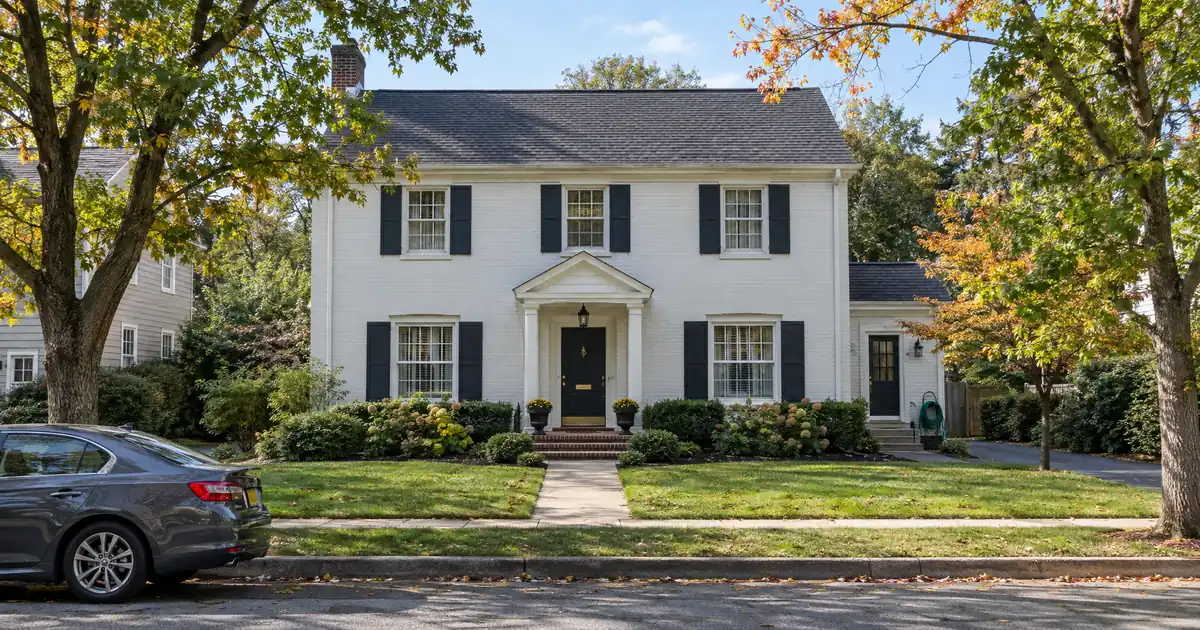
The Quick Read: Lenders build your income from 12 months of deposits, cap the cash-out by loan-to-value, and then check title, marital status, and spousal signatures. Community property does not change the income math. It changes who must sign the lien documents and how title is handled, and the loan still is reviewed on documented income under the applicable program, subject to lender guidelines.
- Income comes from averaged deposits, with an expense factor set by the lender on business accounts.
- Owner-occupied cash-out on a primary residence typically tops out at 80% LTV, or 75% with an accountant-prepared expense ratio.
- A second home cash-out typically tops out at 75% LTV. An investment property cash-out tops out around 75% LTV.
- A non-borrowing spouse may be asked to sign the lien instrument without becoming a borrower.
- Occupancy decides the disclosure rules: owner-occupied files are consumer mortgages, while rentals are business-purpose.
Married, self-employed, and sitting on equity in Arizona, California, or Texas? Your file gets two reviews at once. One looks at your cash flow. The other looks at your marriage, because state law decides who has a claim on the property. This guide walks through both, in the order a lender actually works them.
Key Terms Defined
Bank statement loan: A non-QM (non-qualified mortgage) loan that is reviewed around average monthly deposits instead of traditional personal-income documentation.
Cash-out refinance: A new, larger mortgage that pays off the old one and hands you the difference in cash.
Expense factor: The percentage of business deposits the lender treats as overhead rather than income.
LTV (loan-to-value): The loan balance divided by the property’s appraised value.
Community property: Assets and debts acquired during a marriage, owned equally by both spouses regardless of whose name is on them.
Non-borrowing spouse: A spouse who is not on the note but may still sign documents that protect the lien.
Joinder or consent: A signature that lets the lender enforce its lien against the property.
Which Track Are You On?
Two different non-QM tracks get mixed up constantly. A bank statement loan is reviewed around deposits. A DSCR loan (debt service coverage ratio) qualifies a rental on whether its rent covers its payment. This article covers the first.
Which fits? If the property is a rental that covers its own payment, DSCR may be simpler. If you need the loan sized on your personal or business cash flow, or the property will not self-cover, bank statements are the tool. The broader complete DSCR loans guide lays out when each makes sense.
A broker who shops several wholesale lenders can run both and see which gives you better terms for your situation.
How Underwriting Turns Deposits Into Income
Underwriters follow a predictable sequence. Across the wholesale network, the steps look like this:
1. Collect 12 months of statements. These are business or personal, depending on how you earn. Missing months are a common reason files stall.
2. Scrub the deposits. Transfers between your own accounts, loan proceeds, and unexplained large deposits come out.
3. Apply the expense factor. On business accounts, the lender strips out overhead. The lender sets the factor based on business type and any support you provide. You do not choose it, and no universal formula exists.
4. Average the remainder. The result is your qualifying monthly income.
5. Add your obligations. Your debts, plus the new housing payment, are compared against that income.
A fixed expense ratio is the simpler route. An accountant-prepared ratio, backed by a profit-and-loss statement, can change the factor, but on a cash-out the accountant-prepared route carries the lower leverage ceiling: 75% on a primary residence versus 80% with the fixed ratio.
Picture a restaurant owner whose deposits look strong but include owner transfers from a savings account. Those transfers get stripped before averaging. That surprises people, and it is why clean statements matter more than big ones.
How Much Cash Can You Pull Out?
The ceiling depends on occupancy, and the cash-out numbers differ from purchase numbers.
| Property use | Typical cash-out ceiling |
|---|---|
| Primary residence | Up to 80% LTV (75% with accountant-prepared ratio) |
| Second home | Up to 75% LTV |
| Investment property | Around 75% LTV |
Purchase and rate-and-term loans on a primary residence can reach up to 90% LTV through select lenders. Do not apply that figure to a cash-out. Investment purchase leverage on bank statements varies by lender, and investor-focused leverage generally belongs on the DSCR side.
If you would rather qualify from savings than deposits, an asset-depletion alternative runs to about 80% LTV on a primary residence. Loan sizes typically run from $125,000 to $3,500,000, and most programs look for roughly six months of reserves. All of it is subject to lender guidelines and individual underwriting.
Equity also caps the loan. If a spouse’s debts or a weak income calculation shrink what you qualify for, income becomes the limit before LTV does.
What Changes in a Community Property State?
Community property changes the paperwork, not the income calculation. Nine states use it: Arizona, California, Idaho, Louisiana, Nevada, New Mexico, Texas, Washington, and Wisconsin, per NerdWallet. Under that system, property acquired during marriage is generally owned equally by both spouses. Separate property, such as gifts, inheritance, and premarital assets, is treated differently.
Here is the practical sequence lenders and title companies follow:
1. Vesting review. Title reviews how the property is held: one spouse, both, an LLC, or a trust.
2. Marital status. The lender asks whether you are married.
3. Joinder or consent. If state law or title requires it, your spouse signs the deed of trust or a consent form.
4. Separate-property claims. A disclaimer or consent deed may be used where a spouse claims no interest.
5. Entity matching. If an LLC holds title, the entity on the note, title, and operating agreement should line up.
A nuance trips up many borrowers. A federal rule on spousal signatures, Regulation B, generally bars a lender from requiring your spouse to sign the note when you qualify alone. For secured credit like a cash-out refinance, though, a lender may require a signature on any instrument it reasonably believes state law requires to create a valid lien. Signing the lien document does not make your spouse a borrower. It protects the lender’s claim on the property.
A spouse’s signature can also be required if you rely on that spouse’s separate income to qualify.
Where the General Rule Breaks
Your spouse will not sign. You cannot be forced to put your spouse on the loan. But if state or title requirements call for a lien signature and it is not available, the loan may not close. The spouse never becomes a borrower; the lien simply cannot be completed.
Your spouse’s income is part of the file. If your qualifying income depends on it, expect the signature requirement above.
Spouse’s debts. Treatment varies by program and lender. Conventional and other traditional loans handle these debts under their own rules. DSCR loans qualify primarily on property-level rental income covering the payment, subject to lender guidelines, so ask your broker how a given lender treats a spouse’s debts rather than assuming.
Joint accounts and commingled deposits. If your business deposits mix with a spouse’s, lenders look at who owns the business and which account the funds belong to. Clean separation helps.
Divorce. Refinancing is the usual way to remove a spouse from the loan and title. Pending divorces complicate underwriting.
Opt-in states. Alaska, Tennessee, and a few others let couples choose community property, often by agreement or trust, as Nolo explains. These behave differently from the nine automatic states.
A business younger than 24 months. Shorter histories point toward a 12-month statement option, which is the documentation standard in the programs described here.
Short statement history or missing months. These are the most common stall points. Gather every statement before you apply.
Owner-Occupied vs. Rental: Different Rulebooks
Occupancy decides which disclosure regime applies. An owner-occupied file, meaning your primary residence or second home, is a consumer mortgage, and the full consumer disclosure rules (TRID) apply. A bank statement loan on a non-owner-occupied rental, including a short-term rental, is business-purpose and exempt from TRID. Short-term rental rules can vary by city, county, HOA, and property type, so confirm local rules before relying on projected rental income.
Purpose matters more than the label. The CFPB’s business-purpose rule treats credit to acquire, improve, or maintain a non-owner-occupied rental as business-purpose. Owner-occupied or mixed-purpose loans are not automatically exempt.
Consumer mortgage licensing for this lane covers 16 states, so availability is narrower than on the investor side. Lendmire brokers these files through select lenders in its wholesale network, and they are not a commitment to lend.
A Practical Pre-Application Checklist
Married borrowers in these states can save time by lining up the following before the file opens:
- Twelve months of complete statements for every account you are using, with explanations for large deposits.
- A profit-and-loss statement or accountant letter if you want a non-default expense factor.
- Title and vesting details, including whether the property is community or separate.
- Your spouse’s availability to sign lien documents, even if they are not borrowing.
- Entity documents if an LLC is involved.
- A list of debts, including any your spouse carries.
For married investors, the real cost of community property is timing and paperwork, not a worse income calculation.
What the Decision Looks Like in Practice
Say you are a self-employed contractor in a community property state with a primary residence and strong equity. Tax returns show heavy write-offs, so conventional income looks thin. Deposits tell a stronger story. A broker compares lenders on expense factor treatment, leverage, and how each handles spousal documents, then matches your file to the program that fits.
The best program for your situation depends on property type, credit profile, leverage need, and documentation. Term length follows each lender’s program sheet, so ask rather than assume. Extended structures like 40-year or interest-only terms are generally DSCR-side offerings.
If you are self-employed and want to see how the numbers work, Lendmire can help you compare bank statement loan options based on your deposits, the property, credit profile, leverage, and your goals. Call 828-256-2183 or request a quote at Lendmire.
Frequently Asked Questions
Does my spouse have to be on the loan?
No, not when you qualify on your own income. A lender generally cannot require your spouse to sign the note. It may require a signature on the lien instrument if state law or title calls for one. That signature supports the lien and does not create liability on the debt.
Can a lender use my spouse’s income?
Only in connection with the spouse’s participation. If your qualifying income includes the spouse’s separate income, a signature may be required.
Is a bank statement loan the same as a no-documentation loan?
No. It is fully underwritten. You provide 12 months of statements, the lender scrubs and averages deposits, and the loan is reviewed on documented income under the applicable program, subject to lender guidelines.
What is the maximum cash-out on a primary residence?
Typically up to 80% LTV with a fixed expense ratio, or 75% with an accountant-prepared ratio. A second home generally reaches 75%. The 90% figure applies only to purchase and rate-and-term loans on a primary residence.
Do these rules apply in states that let couples opt in?
Often differently. Alaska, Tennessee, and similar states depend on whether you created an agreement or trust. Ask your broker how title will treat your property before you apply.
Investors weighing their equity options can start with Lendmire’s guide to cash-out refinance on an investment property.
About Lendmire
As a mortgage broker (NMLS# 2371349), Lendmire helps self-employed and high-net-worth borrowers in 16 states qualify on bank statements, a profit-and-loss statement, 1099s or liquid assets instead of tax returns, through wholesale lenders. Lendmire is never the lender; program terms are set by the lender and its guidelines. Scotsman Guide named Lendmire a Top Mortgage Workplace in both 2025 and 2026.
Get Started
Ready to find the right loan for you?
See your offer in seconds. No credit pull, no obligation.
Informational only. Not a Loan Estimate, approval, or commitment to lend. Program availability and eligibility are subject to lender guidelines, credit approval, property review, and underwriting.
References
1. NerdWallet — Community Property
2. CFPB — Regulation B §1002.7
3. Nolo — Marriage Property Ownership
4. CFPB — Regulation Z §1026.3
This article is part of Lendmire’s bank statement loan program — full qualification details, guidelines, and scenarios live on the program page.
Related reading: Does a Bank Statement Cash-Out Refinance Make Sense to Invest in the Stock Market? · How Lenders Underwrite a Bank Statement Cash-Out Refinance With a 50% Expense Ratio · Can You Get Approved for a Bank Statement Cash-Out Refinance When the Appraisal Is Low?
Brandon Miller
Founder & CEO, Mortgage Loan Originator, Lendmire LLC
- Mortgage Loan Originator · NMLS# 1129696 · Verify on NMLS Consumer Access
- North Carolina Real Estate Broker · License# 343312 · Verify on NCREC
- North Carolina Insurance Producer · License# 19053198 · Property, Casualty, Life, Health · Verify on NAIC SBS
- Lendmire LLC · Firm NMLS# 2371349 · Verify firm licensure
Required disclosures. Lendmire (NMLS# 2371349) operates as a licensed mortgage broker, not a direct lender or depository. The discussion in this article is general in nature and should not be relied upon as financial, legal, or tax advice — every investment scenario is unique and should be reviewed by a qualified professional. Any loan inquiry is subject to lender underwriting, and this article is not a commitment to lend or a guarantee of approval. Mortgage rates, loan terms, and program guidelines vary by borrower, property, and state, and may change without notice. Equal Housing Opportunity. Verify licensure at NMLS Consumer Access.