
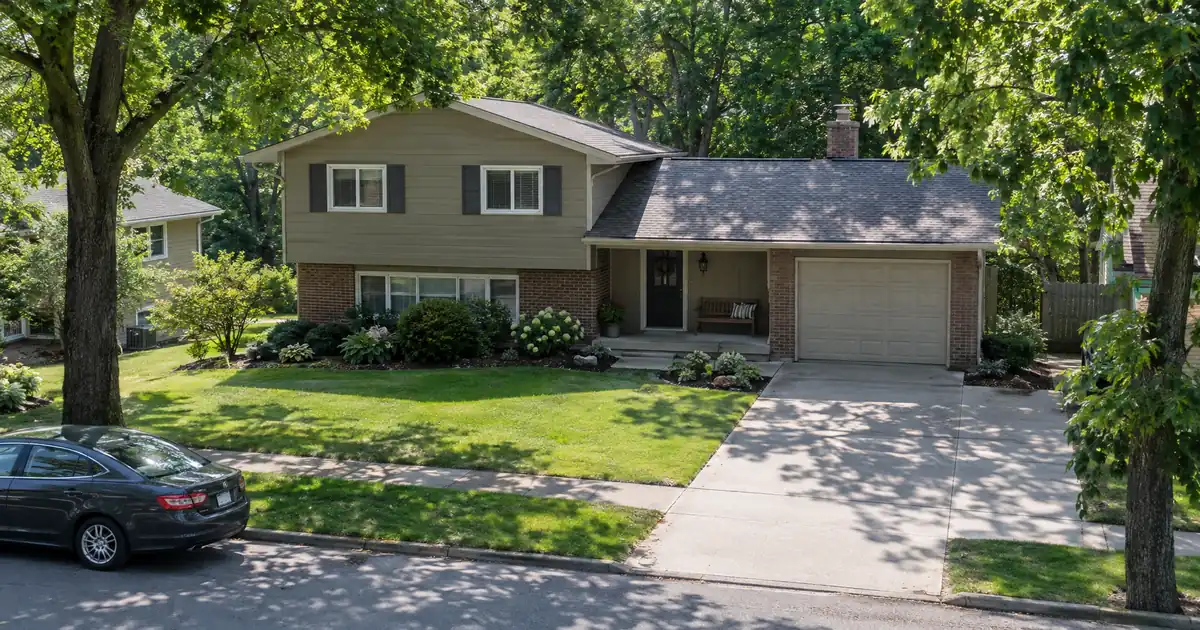
The Quick Read: A bank statement cash-out refinance replaces your current mortgage with a larger one, is reviewed around twelve months of deposits instead of tax returns, and hands you the equity as one lump sum that you spend on repairs yourself, because the lender does not review bids, approve a scope of work, or release money in draws. That freedom is the whole appeal. It also means you own the budget, the schedule, and the paperwork.
- The loan is sized by your documented income, the home’s current value, and the leverage cap for your occupancy type. The repair budget does not set the loan amount.
- Repairs not yet done add nothing to the value the lender uses, so size the request to a written plan rather than to the maximum.
- Owner-occupied cash-out typically tops out near 80% LTV on a primary residence and near 75% on a second home or investment property, subject to lender guidelines.
- Do-it-yourself work carries permit, insurance, and timeline risks that the loan never checks for you.
Key Terms Defined
Bank statement loan: A mortgage that is reviewed around 12 months of business or personal bank deposits instead of tax returns.
Cash-out refinance: A new, larger mortgage that pays off the old one and pays you the difference in cash.
LTV (loan-to-value): The loan balance divided by the home’s appraised value, shown as a percentage.
Expense factor: The share of business deposits a lender treats as operating costs rather than income. The lender sets it, not you.
As-is value: What the appraiser says the property is worth today, in its current condition, before any planned repairs.
Reserves: Liquid savings the lender wants you to hold after closing, with the required amount varying by file and lender.
Renovation loan: A separate product that releases money in stages against bids, plans, and often an approved contractor.
DSCR loan: An investor loan that qualifies primarily on property-level rental income covering the payment, subject to lender guidelines, with no review of your personal earnings.
What Is a Bank Statement Cash-Out Refinance, and How Does It Differ From a DSCR Loan?
It is a cash-out refinance where qualifying income comes from your deposits. Across Lendmire’s wholesale network, the programs that write this loan generally ask for 12 months of statements. The lender totals eligible deposits, strips out transfers between your own accounts, refunds, and loan proceeds, and averages the rest by month.
On business accounts, the lender then applies an expense factor. Personal-account programs generally skip that step. The lender picks the factor based on your business type and, in some programs, a profit-and-loss statement. No one can promise you a specific factor before a lender reviews the file.
People often mix this loan up with a DSCR loan. They are different income paths, and the choice depends on what you own.
| Factor | Bank Statement | DSCR |
|---|---|---|
| Income basis | Your deposits | The property’s rent |
| Property types | Primary, second home, rental | Investment property only |
| Personal income reviewed | Yes, through deposits | No |
| Best fit | Self-employed owners | Investors with strong rents |
If you own a rental and want to qualify on its rent alone, read the complete DSCR loans guide. If you live in the home, or your rent is thin and your deposits are strong, the bank statement path usually fits better.
Why Does “No Contractor” Work With This Loan?
Because a standard cash-out refinance is a lump sum with no strings on use. The lender checks your income, your credit, and the home’s value. It does not check what you plan to build. There is no escrowed holdback, no draw schedule, and no contractor approval.
A renovation loan works the other way around.
| Question | Cash-Out Refinance | Renovation Loan |
|---|---|---|
| Who approves the project? | No one | The lender |
| Are bids required? | No | Usually |
| How is money released? | One lump sum | In stages |
| Can you do the work? | Yes | Often restricted |
| Value used | As-is value | Varies by program |
The tradeoff is simple. A renovation loan gives you oversight and lets you borrow against planned improvements. A cash-out gives you control and limits you to the equity that exists today.
How Does Underwriting Treat the Loan, Step by Step?
Underwriting follows seven steps, and each one has a checkpoint you can verify before moving on. The repair plan matters at the front end. The lender’s process matters in the middle. Your discipline matters after the money lands.
1. Scope the repairs. List every item, in order of urgency. Done when: each line has a material cost, a labor cost, and a priority.
2. Price it and add a buffer. Use written supplier quotes or receipts-based estimates. Add a contingency, because owner-managed jobs tend to run over. Done when: you have one total with the buffer shown separately.
3. Choose the documentation path. Pick bank statements, or a DSCR loan if the property is a rental that is reviewed on rent. Asset depletion, which is reviewed against liquid assets, is a third route and runs to about 80% LTV on a primary residence. Done when: you know which income story fits your file.
4. Assemble 12 months of statements. Use the accounts where your deposits actually land. Mark large one-off deposits and transfers so you can explain them. Done when: every unusual deposit has a short written explanation.
5. Let the lender build qualifying income. Eligible deposits are averaged, the expense factor is applied on business accounts, and your ownership share is counted. A CPA-prepared expense ratio can sometimes replace the default factor, though it can also change the leverage ceiling, as covered below. Done when: you have a qualifying income figure from the lender, not your own guess.
6. Test debt load and size the loan. There is no single federal debt-to-income cap on these loans. Each program sets its own limits, and the loan is bound by the lowest of three things: income after the expense factor, the LTV cap for your occupancy, and the program’s loan-size range. Loan amounts run roughly $125,000 to $3,500,000. Done when: the maximum matches or exceeds your plan.
7. Appraise, close, and receive the lump sum. The appraiser values the home as it stands today. The new loan pays the old one off, and the net equity comes to you. Done when: funds are in your account and your vendor payments are sequenced.
Reserves matter here. Most programs in the network want about six months of the housing payment in liquid savings after closing. Do not count your repair fund toward that cushion.
How Big Can the Loan Be?
The cash-out amount equals current value times the leverage cap, minus your payoff and closing costs. The leverage cap depends on how you use the home. Always check which transaction a quoted LTV belongs to.
| Occupancy | Cash-Out Ceiling (typical) |
|---|---|
| Primary residence, fixed expense ratio | Up to 80% LTV |
| Primary residence, accountant-prepared ratio | Up to 75% LTV |
| Second home | Up to 75% LTV |
| Investment property | Up to around 75% LTV |
The accountant-prepared route is the lower ceiling, not the higher one. That surprises borrowers who assume more paperwork earns more leverage. Short-term rentals generally run lower than long-term rentals. Separately, primary-residence purchases and rate-and-term refinances can go up to 90% LTV through select lenders, but that figure does not apply to a cash-out.
Here is a modeled example, using percentages only. Say the home appraises at 100 units of value and your payoff is 60% of that. At an 80% cash-out ceiling, the new loan can reach 80 units, which leaves up to 20 units before closing costs. Now assume a repair plan of 12% of value plus a buffer. It fits, but the margin is thin once costs come out. Every figure here varies by lender and program — guidelines, property type, leverage, and credit profile all apply.
Run the same file on a 75% ceiling, and the room shrinks to 15 units before costs. The same plan now fits only if the buffer stays small. That is why you size the loan to the plan, then test it against the cap, rather than starting from the maximum.
One more point about timing. The appraisal reflects the home in its current state. Finished repairs may support a higher appraised value on a later refinance, depending on comps and underwriter review. They will not raise the amount you can borrow today.
Which Disclosure Rules Apply to Your Property?
Occupancy decides this, and you should know which side you are on before you apply. An owner-occupied home, meaning a primary residence or second home, gets a consumer mortgage. A rental is generally treated as a business-purpose loan.
For an owner-occupied file, the lender must make a reasonable, good-faith determination that you can repay. That is why bank statement underwriters verify deposits instead of accepting them at face value. The CFPB’s General QM final rule lays out that ability-to-repay requirement. Consumer-purpose files also follow the standard consumer disclosure process, and on a primary residence a short cancellation window applies before funds are released. Plan your vendor payments around that, not around closing day. This consumer lane is available through Lendmire in 16 states.
A bank statement loan on a non-owner-occupied rental, including a short-term rental, is business-purpose and sits outside that consumer disclosure process. The CFPB’s rule on exempt transactions says the lender must decide the primary purpose of the credit file by file. It looks at factors such as the size of the transaction and your statement of purpose. Do not assume a rental qualifies for the exemption; the lender makes that call.
What Should You Do With the Cash After Closing?
Treat the lump sum like a project account, not spending money. Lendmire’s broader experience across alt-doc files is that borrowers who open a separate account for repair funds finish with fewer surprises. The money is easy to blur into everyday cash flow, especially for self-employed owners whose business and personal accounts already overlap.
Put these habits in place:
- Separate the money. Keep repair funds in their own account, away from the deposits that qualified you.
- Pay vendors directly. Pay suppliers and subs yourself, and keep every invoice and receipt.
- Stage the spending. Match payments to the work’s order, such as structural and systems first, finishes last.
- Hold the buffer. Do not release contingency money until the end of the job.
- Plan for leftovers. Unspent funds can pay down the loan, but check your program first, since some lenders restrict how that works.
Keep clear records of repairs versus improvements. Tax treatment can depend on how the funds are used and how the property is held; borrowers should keep clear records and speak with a qualified tax professional before relying on any deduction.
Also keep your reserves intact. Many borrowers spend the cash, then discover the lender wanted six months of housing payments sitting untouched. Your bank statements for any future refinance will also show this activity, so tidy records help the next file.
Where Does the General Rule Break?
The general rule is that a cash-out funds your repair plan and asks no questions. These edge cases are where it stops being that simple.
The budget exceeds the equity. The ceiling is firm. A rate-and-term refinance can reach higher leverage, but it cannot fund repairs. If the work costs more than the equity supports, a renovation product with escrow may fit better, even with its contractor rules.
The home needs heavy work. The appraiser values current condition. A property with major deficiencies may appraise low or draw lender condition requirements. How a given underwriter treats deferred maintenance varies, so ask before assuming.
Large deposits and transfers. Lenders typically exclude one-off deposits or ask you to explain them. A single large deposit that you cannot document may simply drop out of qualifying income.
Business accounts with unusual expense profiles. A lower documented expense factor raises qualifying income, but it needs support. On the accountant-prepared route, remember the lower leverage ceiling.
Short-term rentals. Cash-out on a short-term rental generally runs lower than on a long-term rental.
Do-it-yourself work and permits. Owning the property does not mean you may legally do every job. Some jurisdictions require a licensed contractor for electrical or structural work and may refuse a permit otherwise. Unpermitted work can also complicate insurance claims and a later sale. Handle this at the plan stage, not after the drywall is up.
Your first mortgage is worth keeping. A cash-out replaces the whole existing balance. If your current first mortgage has terms you value, compare it against a separate second-lien option before deciding.
Term length here follows each lender’s program sheet. Do not assume a bank statement loan offers the extended or interest-only structures common on the DSCR side.
Which Product Fits Your Situation?
The best program for your situation depends on what you own, what you need to borrow, and how you want to control the work. Use this as a starting point, not a verdict.
| Situation | Likely Fit |
|---|---|
| Self-employed, ample equity, want full control | Bank statement cash-out |
| Rental with strong rent coverage | DSCR cash-out |
| Large project, lender oversight wanted | Renovation loan |
| Low-rate first mortgage you want to keep | Separate-lien option |
| Small, short-term repair need | Home equity line |
For a closer look at the repair-spending side of this decision, see Lendmire’s piece Does a Bank Statement Cash-Out Refinance Make Sense for Repairs Without a Contractor?.
What Mistakes Should You Avoid?
Most mistakes come from treating the maximum as the target.
- Borrowing the maximum. A bigger loan means a bigger balance on the whole property, not just the repair slice.
- Skipping a payoff statement. A wrong payoff estimate shrinks your net cash.
- Promising vendors a closing-day deposit. Funds arrive after closing steps are complete, and cancellation windows may apply.
- Ignoring closing costs. They come out of your proceeds, so budget for them.
- Skipping the buffer. Owner-managed work tends to run over, and a loan cannot be reopened mid-project.
- Counting on repair value. The appraisal uses today’s condition, not tomorrow’s.
- Mixing deposits. Moving money between your own accounts muddies the statements a lender must verify.
Frequently Asked Questions
Do I need contractor bids to get this loan?
No. A standard cash-out refinance does not require bids, a scope of work, or contractor approval. You pay your contractors, suppliers, or both directly. Bids are a feature of renovation loans, which release funds in stages.
Can I do the repairs myself?
The loan does not restrict it, but local permit and licensing rules might. Some jurisdictions require licensed professionals for electrical or structural work. Check your local requirements before you plan the budget around do-it-yourself labor.
Does my repair plan change the loan amount?
No. The amount is set by your qualifying income, the as-is appraised value, and the leverage cap for your occupancy. Your plan only tells you how much to request within those limits.
How is income calculated from my bank statements?
The lender totals eligible deposits over 12 months, removes transfers and loan proceeds, applies an expense factor on business accounts, and divides by the number of months. The exact formula varies by program, and qualification is subject to lender guidelines.
What if I run over budget?
That is why you build a buffer before you size the loan. If you run short after closing, your options are using other cash, scaling back the scope of work, or applying for a separate financing product. A cash-out cannot be topped up afterward.
Next Step
If you are self-employed and want to see how the numbers work, Lendmire can help you compare bank statement loan options based on your deposits, the property, credit profile, leverage, and your goals. Reach the team at 828-256-2183 or request a quote. Lendmire is a mortgage broker that shops multiple wholesale lenders, and every file is underwritten individually, subject to lender guidelines. Nothing here is a commitment to lend.
The strongest repair plans share one trait: the budget is written before the loan is sized, so equity limits never surprise the project.
A deeper walk-through of investment-property equity extraction lives in Lendmire’s guide to cash-out refinance on an investment property.
About Lendmire
Lendmire (NMLS# 2371349) is a mortgage broker licensed for consumer lending in 16 states. Bank statement, P&L-only, 1099-only and asset-based mortgages for self-employed and high-net-worth borrowers are arranged through wholesale lenders on primary residences, second homes and investment properties; every file is underwritten by the lender under its program guidelines. Scotsman Guide named Lendmire a Top Mortgage Workplace in both 2025 and 2026.
Get Started
Ready to find the right loan for you?
See your offer in seconds. No credit pull, no obligation.
Informational only. Not a Loan Estimate, approval, or commitment to lend. Program availability and eligibility are subject to lender guidelines, credit approval, property review, and underwriting.
References
2. CFPB Regulation Z, Section 1026.3 Exempt Transactions
This article is part of Lendmire’s bank statement loan program — full qualification details, guidelines, and scenarios live on the program page.
Related reading: Can You Get Approved for a Bank Statement Cash-Out Refinance When the Appraisal Is Low? · Does a Bank Statement Cash-Out Refinance Make Sense to Invest in the Stock Market? · How Lenders Underwrite a Bank Statement Cash-Out Refinance With a 50% Expense Ratio
Brandon Miller
Founder & CEO, Mortgage Loan Originator, Lendmire LLC
- Mortgage Loan Originator · NMLS# 1129696 · Verify on NMLS Consumer Access
- North Carolina Real Estate Broker · License# 343312 · Verify on NCREC
- North Carolina Insurance Producer · License# 19053198 · Property, Casualty, Life, Health · Verify on NAIC SBS
- Lendmire LLC · Firm NMLS# 2371349 · Verify firm licensure
Important disclosures. Lendmire (NMLS# 2371349) is a licensed mortgage brokerage. Lendmire is not a direct lender, depository institution, or financial advisor. All loan inquiries are subject to lender underwriting; this article does not constitute a commitment to lend. Rates, terms, and program guidelines are subject to change without notice and vary by borrower profile, property type, and state. Information in this article is general in nature and is not financial, legal, or tax advice. Equal Housing Opportunity. NMLS Consumer Access: nmlsconsumeraccess.org.