
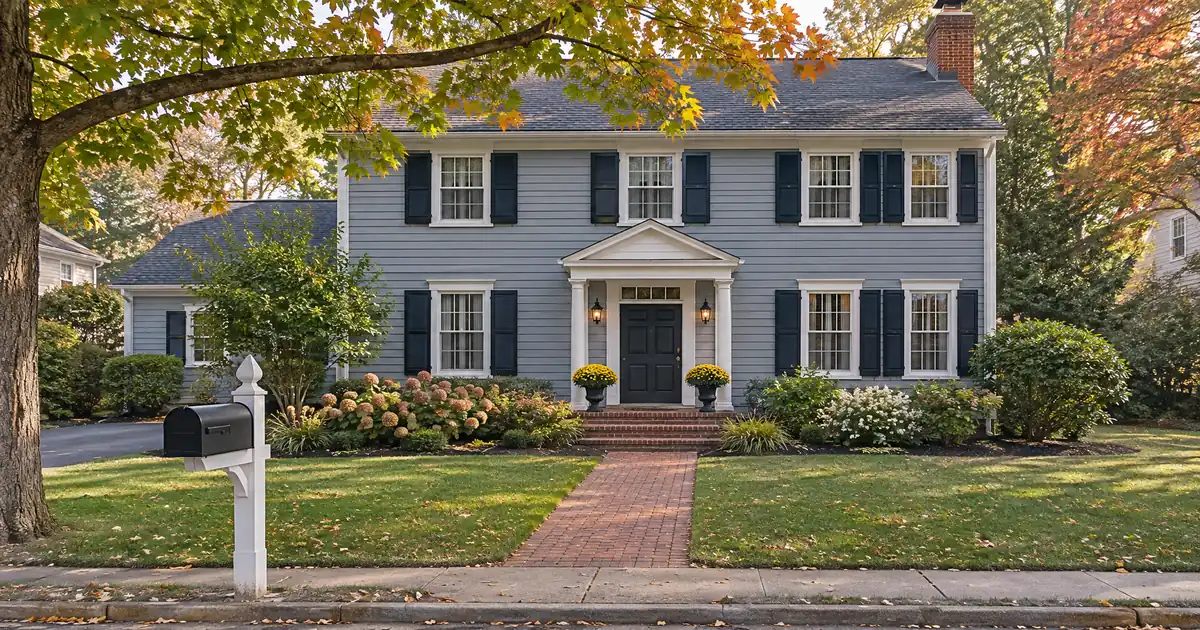
The Quick Read: A home with one accessory dwelling unit (ADU) is usually treated as a one-unit property, so the standard cash-out rules apply. The ADU adds to the appraised value, which can raise how much cash you can reach. On a full cash-out loan, though, the ADU’s rent generally cannot help you qualify. You will need to carry the new payment on your other income.
Key Takeaways
- A single ADU usually does not change the property type. One-unit cash-out limits apply.
- Conventional cash-out tops out at 80% of the home’s value on a one-unit primary residence, subject to lender guidelines.
- ADU rent generally does not count toward qualifying on a full cash-out refinance, though it can still help your household budget.
- The appraisal is where the ADU earns its keep, and legal status decides how much credit it gets.
- The ADU needs its own kitchen and bath, and it has to be legal and documented.
What Is an ADU, and How Do Lenders See One?
An ADU is a second, self-contained living space on the same lot as your main house. Think of a backyard cottage, a garage apartment, or a finished basement unit with its own entrance. Lenders look for a kitchen, a bathroom, and sleeping and living areas.
Cash-out refinance estimate
The starting figures are an example value with a balance and a cash request in proportion. Replace them with yours.
Editable benchmark: 7.18% as of November 5, 2026 · Freddie Mac 30-year average via FRED®. A conventional market reference, not a cash-out refinance quote.
Illustrative starting assumptions: a $350,000 home value, a $193,000 current balance, the agency cap on a one-unit principal residence, a thirty-year term at the current Freddie Mac benchmark, and property taxes and insurance estimated at typical national rates. Every field is editable.
Illustrative estimate only — not a Loan Estimate, approval, quote, or commitment to lend. The rate field carries the weekly Freddie Mac thirty-year conventional benchmark, a market reference and not a cash-out refinance quote; a cash-out loan is priced by the lender at lock. The cash available is the loan the program cap allows less the balances paid off, before closing costs, which are not included. The HELOC line is the program’s combined loan-to-value ceiling applied to the same value and balance. Taxes and insurance are editable estimates. Licensed in sixteen states for consumer mortgages.
Here is the part that surprises people. One ADU does not turn your home into a duplex. For loan purposes, it stays a one-unit property, and that matters because one-unit homes get the best leverage limits.
The ADU does bring its own tests. The unit has to be permitted or otherwise legal where you live. It has to be documented in the appraisal. And the lender has to be comfortable it is a real dwelling, not a converted shed with a hot plate.
Cash-out refinance programs differ a little by lender and loan type. Lendmire’s cash-out refinance programs page lays out the options arranged through wholesale lenders. Everything below is subject to lender guidelines and full file review, and none of it is a commitment to lend.
Key Terms Defined
ADU (accessory dwelling unit): A separate living unit on the same parcel as your main home, with its own kitchen, bath, and sleeping area.
Cash-out refinance: A new, larger mortgage that pays off your current one and hands you the difference in cash.
LTV (loan-to-value): Your loan balance divided by the home’s appraised value, shown as a percentage.
DTI (debt-to-income ratio): Your monthly debts divided by your monthly income. Lenders use it to judge whether you can carry the payment.
Seasoning: The minimum time you must hold a loan or title before refinancing it.
Limited cash-out refinance: A refinance that pays off the old loan and costs, with only a small amount of cash back. It is often called a rate-and-term refinance.
Does an ADU Make a Cash-Out Refinance Harder?
Not by itself. The loan is underwritten the way any one-unit cash-out loan is. The ADU changes two things: how the home is appraised, and whether its rent can help you qualify.
Here is how each program treats that rent:
| Program | ADU rent counts? |
|---|---|
| Fannie Mae | Purchase or limited cash-out only, not full cash-out |
| Freddie Mac | Purchase or no-cash-out refinance only, not cash-out |
| FHA | No, not on cash-out |
| VA | Confirm ADU rules with the lender |
Fannie Mae’s rental income rules allow ADU rent from one existing ADU on a one-unit primary residence. That applies only to a purchase or a limited cash-out refinance. The rent is capped at 30% of total qualifying income. A full cash-out loan is not on that list.
Freddie Mac’s ADU fact sheet draws the line even tighter. It allows ADU rent on a purchase or a no-cash-out refinance of a one-unit primary residence, again with a 30% cap. It also says income from an illegal ADU may not be used.
For FHA, HUD’s Mortgagee Letter 2023-17 updated ADU income, property eligibility, and appraisal rules. Under HUD’s handbook, ADU rental income cannot be used as effective income on a cash-out refinance. The same guidance bars non-occupant co-borrower income on an FHA cash-out.
For VA, the program sets its own rules. Ask the loan officer how the ADU is handled before you assume anything.
The practical result: plan to qualify on your own income. The ADU’s rent can still pay part of your real-life bills. It just will not show up in the underwriting math.
How the Loan Is Underwritten, Step by Step
The process follows a clear order. Knowing it helps you spot problems before they cost you time.
1. Choose the loan path. Conventional, FHA, and VA each have their own cash-out rules. FHA and VA fit borrowers who already hold, or qualify for, those loans.
2. Check the seasoning clocks. On conventional loans, the mortgage you are paying off generally has to be at least 12 months old, counted from note date to note date. A borrower also has to be on title for 6 months, with exceptions for delayed financing, inheritance, and legal awards.
3. Confirm the property qualifies. You need one ADU on the same parcel as a one-unit home. Fannie Mae’s special property rules define an ADU as living space with living, sleeping, cooking, and bathroom facilities. That guide permits only one ADU. It does not allow ADUs with two- to four-unit dwellings. A manufactured-home ADU needs HUD certification label documentation.
4. Get the appraisal. The appraiser describes the ADU and estimates how much value it adds. Expect comparable sales that include ADUs. When rent matters to the loan, the appraiser may also need rental comparables. FHA appraisals measure the ADU’s contribution to value, using the cost, income, and sales comparison approaches.
5. Underwriting. The lender checks your credit, income, debts, and reserves. Across the wholesale conventional programs we place files with, the credit floor starts at a 620 decision score. The automated finding governs most files, with a total ratio ceiling of 50%. A manually underwritten loan uses tighter ratios, 36% or 45%, tied to score and reserve factors.
6. Disclosures, closing, and funding. You receive a Loan Estimate and, later, a Closing Disclosure. The new loan pays off the old mortgage and the closing costs. What is left comes to you.
What decides the outcome? Appraised value including the ADU, the program’s LTV cap, your DTI without ADU rent, your credit, seasoning, and whether the ADU is legal and meets the program’s definition.
How Much Cash Can You Reach?
Conventional cash-out on a one-unit principal residence goes up to 80% LTV. Two- to four-unit properties, second homes, and investment properties are capped at 75%. Occupancy sets the leverage, and the ADU does not change that. Final terms depend on the lender’s guidelines, the property type, and the borrower’s complete credit picture.
Take a modeled example with no dollar figures. Picture a one-unit home with a detached, fully permitted ADU. The appraiser assigns the ADU real value in the final number. At 80% LTV, the lender caps the new loan at 80% of that higher value. Your existing mortgage comes out of that first, then closing costs. What remains is your cash. Each figure is subject to lender guidelines and a complete review of property type, leverage, and credit.
Now run the same file with the ADU left out. The appraised value drops, the 80% cap drops with it, and the cash shrinks. That gap is why the ADU’s legal status and documentation matters so much.
There is one wholesale lane worth knowing about. It reaches 89.99% LTV with no mortgage insurance. It requires a 680 score and a 50% ratio on a thirty-year fixed loan. The home must be a primary residence with a conforming balance, and the lane has its own six months of seasoning. It is the exception to the usual rule that mortgage insurance applies above 80% LTV on the agency path. Whether your file fits depends on lender guidelines.
In Texas, a cash-out on a homestead (a Section 50(a)(6) loan) is capped at 80% of the home’s value by the state constitution, and the 89.99% lane is not written on those loans.
Where the General Rule Breaks
These are the edge cases that trip people up.
Limited cash-out versus full cash-out. Fannie Mae counts ADU rent on a limited cash-out refinance. Take more than the incidental cash allowance, and the loan becomes full cash-out. Then the rent drops out. The allowance is small, and each agency sets its own figure. Fannie Mae allows the lesser of 2% of the new loan amount or $2,000. Freddie Mac allows the greater of 1% of the new loan amount or $2,000.
Two ADUs. Fannie Mae’s guidelines permit only one. A second ADU is a problem at that agency.
Two- to four-unit properties. Fannie Mae does not allow an ADU alongside a multi-unit property. Multi-unit homes also carry the lower 75% cash-out cap. Leverage and reserves vary by lender and program; the final terms follow the full file review.
Unpermitted or illegal ADU. Freddie Mac says rent from an illegal ADU cannot count. Appraisal credit is a separate worry, since a lender needs the unit documented and legal. Some owners pursue permits first. Others accept an appraisal that gives the unit little or no value. Ask your loan officer which path fits your local rules.
Manufactured-home ADU. It needs to be real property with HUD label documentation.
Rent that starts later. Projected rent from an unbuilt ADU generally cannot help you qualify on a cash-out refinance. Where an agency allows projected rent at all, Freddie Mac counts it only if rent will begin by the first mortgage payment date.
Streamline loans. The FHA Streamline and the VA IRRRL do not pull cash out. The FHA Streamline is for existing FHA loans. The IRRRL is a VA-to-VA rate reduction product. Neither is a way to tap ADU equity.
Short-term rental use. If you rent the ADU nightly, expect more questions. The lender may treat the income differently, or ignore it. It will not help on a full cash-out either way.
Rules that change. Agencies update rental income and ADU guidance often. Have your loan officer confirm the current text before you plan around any detail.
What Lenders Look For (and What You Should Gather)
Plan on the standard cash-out file, plus ADU paperwork. A starter checklist:
- Pay stubs, W-2s, or tax returns, depending on how you earn income
- Two months of bank statements
- Your current mortgage statement
- Homeowners insurance declaration page
- Permits and final inspection sign-off for the ADU
- Floor plan or photos showing the ADU’s kitchen and bath
- Utility details, such as separate meters, if they exist
- Lease or rent records, if tenants live there (helpful for your own planning, even when the rent does not count)
How the Application Works
Tell the loan officer about the ADU on day one. Surprises at the appraisal are expensive.
First comes a conversation about your goal, your equity, and your income. The loan officer, a broker like Lendmire in this case, compares programs across wholesale lenders. You pick a path and submit documents. The appraisal is ordered, the file goes through underwriting, and you review your Loan Estimate and Closing Disclosure.
Your next steps in plain order: confirm the ADU is legal, gather the permit paperwork, check how long you have held the current loan, and estimate your DTI without ADU rent. If that DTI looks tight, fix it before you apply.
What If a Cash-Out Isn’t the Right Fit?
A cash-out refinance replaces your whole mortgage. The Consumer Financial Protection Bureau describes it as a bigger loan that gives you the difference in cash. The CFPB also notes that a bigger loan can lengthen your payoff period.
That tradeoff matters. If you are happy with your current loan, a second-lien option may leave it alone. If the ADU rent is the only way your numbers work, a full cash-out may not be your product. A limited cash-out or a purchase-side strategy might be.
Using cash-out proceeds to pay off credit cards puts your home behind what was unsecured debt. That is a real step. Do it with a plan for the cards.
Tax treatment can depend on your situation; borrowers should speak with a qualified tax professional before relying on any deduction or credit.
Common Mistakes With ADUs
- Counting the rent. On a full cash-out, it will not count.
- Assuming the ADU makes it a two-unit home. One ADU does not.
- Skipping the permit check. An unpermitted unit can sink the value credit.
- Taking too much cash on a limited cash-out. It flips the loan into full cash-out.
- Counting the proceeds as reserves. Lenders generally want reserves from your own funds.
- Skipping the seasoning math. A loan under the minimum age is not eligible.
Frequently Asked Questions
Does an ADU disqualify me from a cash-out refinance?
No. A home with one ADU is usually treated as a one-unit property, and the standard cash-out limits apply. The ADU needs to be legal, documented, and meet the program’s definition. A second ADU can be a problem at some agencies.
Can my ADU’s rent help me qualify?
Generally not on a full cash-out refinance. Fannie Mae counts it only on a purchase or limited cash-out. Freddie Mac counts it only on a purchase or no-cash-out refinance. FHA does not allow it on cash-out. Plan on qualifying with other income.
How much equity do I need?
Enough to stay within the program cap. On a one-unit primary residence, conventional cash-out goes to 80% LTV. Two- to four-unit homes, second homes, and investment properties go to 75%. The appraised value, including the ADU’s contribution, sets the dollar figure. Terms vary by lender guidelines, property type, leverage, credit profile, and full file review.
How long do I have to own the home first?
On conventional loans, the mortgage being paid off has to be at least 12 months old, and borrowers need 6 months on title. Delayed financing, inheritance, and legal-award exceptions exist. Your loan officer can check which one fits. Exact terms depend on lender guidelines, credit profile, reserves, and property review.
Can I use the proceeds to build an ADU?
Yes, the proceeds are yours to spend, subject to the program. Building an ADU can raise the property’s value. Projected rent from an unbuilt ADU generally cannot help you qualify on a cash-out. Some renovation products exist for ADU construction, so ask which one fits.
Next Step
If you are weighing a cash-out refinance against keeping the loan you have, Lendmire can help you compare the programs and the equity each one reaches.
For your own numbers, request a scenario review with Lendmire.
For current guidelines and terms, see Lendmire’s refinance programs page.
About Lendmire
Lendmire (NMLS# 2371349) is a mortgage broker licensed for consumer lending in 16 states. Lendmire arranges FHA, VA, conventional and jumbo purchase and refinance loans through wholesale lenders; every file is underwritten by the lender under the applicable program guidelines. Scotsman Guide named Lendmire a Top Mortgage Workplace in both 2025 and 2026.
Get Started
Ready to find the right loan for you?
See your offer in seconds. No credit pull, no obligation.
Informational only. Not a Loan Estimate, approval, or commitment to lend. Program availability and eligibility are subject to lender guidelines, credit approval, property review, and underwriting.
References
1. Fannie Mae Selling Guide B3-3.8-02, Rental Income, Subject Property
3. HUD Mortgagee Letter 2023-17
4. Fannie Mae Selling Guide B2-3-04, Special Property Eligibility Considerations
5. Freddie Mac Accessory Dwelling Units
6. Consumer Financial Protection Bureau
This article is part of Lendmire’s cash-out refinance program — full qualification details, guidelines, and scenarios live on the program page.
Related reading: How to Qualify and Apply for a Cash-Out Refinance on a Fourplex
Brandon Miller
Founder & CEO, Mortgage Loan Originator, Lendmire LLC
- Mortgage Loan Originator · NMLS# 1129696 · Verify on NMLS Consumer Access
- North Carolina Real Estate Broker · License# 343312 · Verify on NCREC
- North Carolina Insurance Producer · License# 19053198 · Property, Casualty, Life, Health · Verify on NAIC SBS
- Lendmire LLC · Firm NMLS# 2371349 · Verify firm licensure
Compliance and disclosures. Lendmire (NMLS# 2371349) is a licensed mortgage broker and is not a direct lender, depository institution, financial advisor, or tax professional. Content in this article is general market analysis and educational information — not financial, legal, or tax advice for any specific situation. Lendmire does not guarantee loan approval; every transaction is subject to underwriting by the funding lender. Mortgage pricing and loan program guidelines are subject to change at any time without notice and vary by borrower characteristics, property type, and state regulations. Lendmire complies with Equal Housing Opportunity. Licensure verification: NMLS Consumer Access.