
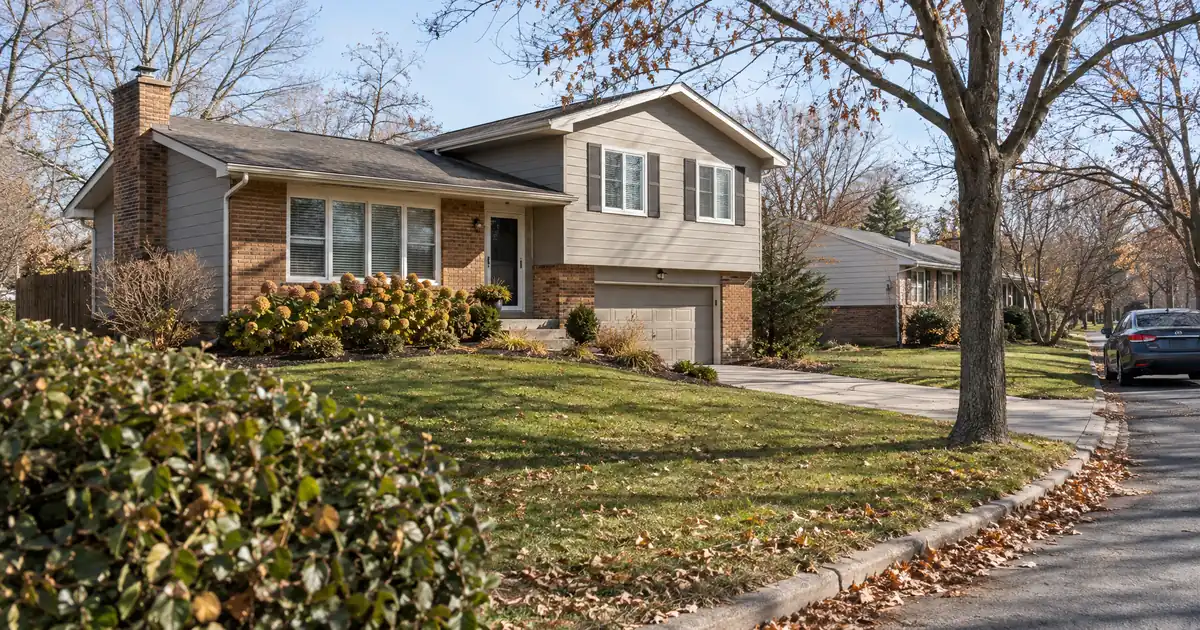
The Quick Read: Rarely on an owner-occupied second home, because interest-only structures usually live on investor-side DSCR programs, while bank statement programs follow each lender’s own term sheet, so the answer turns on whether you will use the property yourself or rent it out. Bank statement documentation is real and workable for self-employed buyers of vacation homes. The interest-only piece is where the combination gets thin.
- A bank statement loan is reviewed around documented income under the applicable program, subject to lender guidelines. It changes how income is proven, not whether credit, assets and the property get reviewed.
- Interest-only is a payment structure. On most bank statement programs the term follows an individual lender’s program sheet, and it is never something to assume.
- A true second home means you personally use it. A property bought mainly to produce rent is an investment property, and that label changes which loans apply.
- If rent is the plan, a DSCR loan is usually the better tool, because it reads the property’s rent against its payment instead of reading your deposits.
- Interest-only keeps the balance flat, so a higher payment or a refinance decision waits at the end of the period.
Key Terms Defined
Bank statement loan: a mortgage that proves income through 12 months of business or personal deposits instead of traditional personal-income documentation.
Interest-only period: a stretch at the start of a loan when the required payment covers interest and none of the balance.
Second home: a one-unit property you personally use part of the year, which is not bought mainly to rent out.
Non-QM: a mortgage that falls outside the standard rules for qualified mortgages, which is where interest-only features and alternative income documentation usually sit.
Qualifying payment: the payment a lender uses to test whether you can afford the loan. It can differ from the payment you actually make.
DSCR (debt service coverage ratio): monthly rent divided by the full monthly housing obligation. A ratio above 1.00 means the rent covers the payment.
Reserves: liquid savings a lender wants you to hold after closing, often counted in months of housing payment.
What your deposits qualify you for.
Alt-doc programs read 12 months of business or personal bank deposits instead of tax returns. Enter your average monthly deposits and see the income a lender would credit you.
The expense factor is set by the lender from your business type and profit-and-loss statement; it is not a number you choose. This widget quotes no rate and no payment.
Program parameters shown update from Lendmire’s centralized guideline source.
Estimate
Illustrative estimate only — not a quote, Loan Estimate, approval, or commitment to lend. Deposit average, expense factor, and housing ratio are editable assumptions; the expense factor a lender applies is set from your business type and documentation. No interest rate or monthly payment is quoted here. Purchase capacity is a simplified illustration and does not account for taxes, insurance, HOA dues, or other debts. Alt-doc income documentation is available on consumer mortgages in the states where Lendmire is licensed for consumer lending; actual terms vary by lender, borrower, and property.
Does the Combination Actually Exist?
The three pieces exist separately, and they rarely arrive in one package. Bank statement documentation is common on owner-occupied loans, including second homes. Interest-only structures are common on investor loans. Put both on an owner-occupied vacation home and the field narrows fast.
Here is how the wholesale network Lendmire works with looks from the broker side. Most programs that accept bank statements for a second home price and structure the loan like any other owner-occupied file. Term length and payment structure then follow the individual lender’s program sheet. A few lenders may offer an interest-only option on certain alt-doc files. Treat that as something to ask about on a specific file, not something to count on.
The DSCR side is different. Extended terms and interest-only structures are typical offerings there. They come with a condition: the property has to be an investment property. A DSCR loan is reviewed primarily on property-level rental income covering the payment, subject to lender guidelines.
So the real question is not whether a loan product exists. It is which label your vacation home carries.
What Counts as a Vacation Home?
A vacation home, in lender terms, is a second home. That means you stay there yourself for part of the year, and you control it. It is a one-unit dwelling you could live in year-round. You are not buying it mainly to earn rent.
Lenders draw the line on use, not on the word vacation. Plenty of investors call a beach condo a vacation home and rent it out most weeks. To a lender, that is an investment property.
| Factor | Second home | Investment property |
|---|---|---|
| Your use | Personal, part of the year | Mainly rented to tenants or guests |
| Rental income to qualify | Generally not counted | Counted on DSCR programs |
| Likely loan path | Owner-occupied programs | DSCR or investor programs |
| Typical unit count | One unit | One to four units |
| Interest-only likelihood | Rare | More common |
Do not pick the label that gets you the loan you want. Calling a rental a second home can amount to mortgage fraud, and a lender that discovers it may demand the loan be repaid, according to a Lawyers.com explainer on second homes versus investment properties. Lenders set their own occupancy rules, and they ask you to sign what you intend.
Two-to-four-unit buildings generally do not fit the second-home box. They can be investment properties. A property that cannot legally be rented short term cannot use short-term rental income to qualify, so local rules matter before you count on that income. Short-term rental rules can vary by city, county, HOA, and property type, so investors should confirm local rules before relying on projected rental income.
How a Bank Statement Loan Reads a Vacation-Home Buyer
The lender reviews 12 months of statements, business or personal, and averages the deposits. Lender-specific expense factors then trim that average down to qualifying income. The factor varies by lender and by program, so no universal formula exists.
Owner-occupied primary residences can reach up to 90% LTV on a purchase or rate-term refinance through select lenders. Do not carry that figure over to a vacation home. A second home sits in a different leverage tier, and the figure depends on the lender and the file. On a cash-out of an owner-occupied primary or second home, the ceiling is up to 80% LTV, depending on loan size and credit. Investment-property cash-out tops out around 75% LTV. Purchase leverage on an investment property with bank statement documentation varies by lender, and investor-focused leverage guidance belongs to the DSCR side.
Loan sizes on these programs generally run from about $125,000 to $3,500,000. Reserves commonly land near six months of the housing payment. On a second home, lenders can also look at whether you can carry your primary housing cost and the new one together.
Vacation-home buyers often have lumpy deposits. A landscaper, a contractor or a seasonal-business owner may deposit heavily in some months and lightly in others. Averaging smooths that out, but a few large one-off deposits can be set aside during review. A clean pattern of business deposits makes the file easier. Transfers between your own accounts do not count as income.
Underwriting still covers credit, assets, debts and the property itself. Bank statements swap the income documents. They do not skip the review.
Consumer bank statement lending through Lendmire’s channels covers 16 states. Eligibility depends on the lender, the property and the file, and nothing here is a commitment to lend.
Why Interest-Only Rarely Rides Along
Interest-only is a non-QM feature. The CFPB’s explanation of qualified mortgages lists interest-only periods among the features a qualified mortgage generally cannot have. That pushes interest-only loans into the non-QM market, and so do most bank statement loans. In that sense the two features belong to the same family.
Sharing a family is not the same as sharing a loan. Owner-occupied consumer loans still require the lender to document that you can repay. Lenders that do interest-only on consumer files tend to be conservative about it. They may qualify you on the fully amortized payment rather than the interest-only one. They may also require stronger credit, more reserves or lower leverage.
That qualifying-payment question is the one to ask on any file. A lender can test your income against the payment you will actually make, or against the higher payment you would owe once principal starts. The second approach shrinks what you can buy, and it protects you from payment shock later.
On the investor side, the same question comes up with a twist. Some DSCR programs compute coverage on the interest-only payment, which lifts the ratio. Others compute it on the full payment. Ask which one before you price a deal. Lendmire’s piece How to Pick Interest-Only on a Bank Statement Second-Home Loan walks through that choice for owner-occupied files.
What Happens When the Interest-Only Period Ends
The balance does not fall during the interest-only period. The CFPB’s page on interest-only loans says that at the end you can pay off the balance, refinance if you can, or begin higher principal-and-interest payments. It also warns you not to assume a sale or refinance will be available when you need it.
Plan for that on day one. Your options at the end of the period look like this:
- Start amortizing. The payment steps up, because the same balance now has to be repaid over the remaining term. Your income needs to carry the higher payment.
- Refinance. This works if your credit, income documentation, property value and the market all cooperate at that moment. None of those is guaranteed.
- Sell. This works if the vacation-home market has held its value. A flat balance means you start with no equity cushion from payments.
- Pay down in advance. Extra principal during the interest-only period softens the step-up, if the loan terms allow it.
Interest-only is a cash-flow tool, not an equity tool.
A Walkthrough Without the Dollars
Consider two self-employed buyers shopping for the same coastal condo. Both document income through bank statements.
Buyer one plans to use the condo for family trips and rent it only occasionally. This is a second-home file. The lender reads 12 months of deposits, applies its expense factor and checks credit and reserves. The loan most likely follows the lender’s standard term. If an interest-only option exists, the lender may qualify the buyer on the higher fully amortized payment. The cost of carrying the condo falls on the buyer’s own income.
Buyer two plans to rent the condo most of the year. This is an investment file, and the bank statement route is the wrong tool. The DSCR path reads the property’s rent against its monthly obligation. If rent clears roughly 1.2x coverage, the file looks stronger on that measure. If the investor wants an interest-only structure, DSCR programs are where it is usually offered. Coverage below 1.00 is available through select lenders in the network, but LTV and terms adjust accordingly. Qualification remains subject to lender guidelines, credit approval and property review.
Same property, different label, different loan. The decision comes down to what you intend to do with the home. Be honest with yourself about that before you talk to any lender.
When Rental Use Changes the Answer
Lenders pay attention once rental activity becomes the reason to own the property. Documented heavy rental use can move a file toward an investment product. Appraisers may also estimate market rent, and that figure can come in below what a short-term rental could earn.
DSCR loans are designed for non-owner-occupied investment properties. Because they are business-purpose investor loans, they are reviewed differently from a standard owner-occupied mortgage. In practice, an owner-occupied second-home file is a consumer mortgage, and TRID disclosure rules apply to it. A DSCR loan on a rental is business-purpose and exempt from TRID. Keep the two regimes straight when comparing loan terms.
Tax treatment can depend on how the funds are used and how the property is held; investors should keep clear records and speak with a qualified tax professional before relying on any deduction.
For the full picture of how property-rent-based lender review works, see Lendmire’s complete DSCR loans guide.
Which Loan Fits Which Plan
| Option | Reviewed on | Best fit | Interest-only? |
|---|---|---|---|
| Bank statement first mortgage | Your deposits | Second home you use yourself | Varies by lender sheet |
| DSCR loan | Property rent vs. payment | Vacation home you rent out | Often available |
| Full-documentation mortgage | Traditional personal-income documentation and pay records | Borrowers with clean W-2 or return income | Uncommon |
| Home equity line or second lien | Equity plus income review | Owners with a lot of equity | Common in draw period |
A home equity line is a different animal. Many lines allow interest-only payments during an initial draw period. That works for owners with equity in an existing property who want cash for a purchase. It adds a second lien and a variable obligation, and it is a separate decision from the first mortgage.
Is This Right for You?
Work through these in order:
1. Will you personally use the home for part of the year, and is rental a side benefit? If yes, a bank statement second-home file is the starting point.
2. Is rent the reason you are buying? If yes, price the deal as an investment and look at DSCR.
3. Can your income carry the fully amortized payment? If not, an interest-only structure is hiding a stretch, not solving one.
4. Do you have a plan for the end of the interest-only period? Refinancing is a hope, not a plan.
5. Are you holding six months or so of reserves? Many programs expect that cushion, and a vacation home adds carrying costs such as HOA dues, insurance and maintenance.
6. Are your deposits clean and documented? Separate business and personal accounts make a bank statement file easier to read.
If four or more of those answers are solid, the file is worth running with a broker who can compare lender sheets side by side.
Frequently Asked Questions
Can I get an interest-only loan on a second home with bank statements?
Sometimes, but it is not a standard feature. Term structure follows each lender’s program sheet, and interest-only on an owner-occupied alt-doc file is the exception. If interest-only is a must-have, a DSCR structure on an investment property is the more common route.
Does a bank statement loan count rental income from a vacation home?
Generally no, not on a second-home file. Bank statement programs review your file on your documented deposits. If rental income is central to the deal, the property is an investment property, and DSCR programs read that income directly.
Will the lender qualify me on the interest-only payment?
It depends on the lender. Some test you on the higher fully amortized payment, which protects you against payment shock. On DSCR loans, ask whether coverage is figured on the interest-only payment or the full one, since that changes the ratio.
What if I rent my vacation home a few weeks a year?
Light rental use can sit alongside a second-home file, but lenders set their own occupancy rules. Heavy or documented rental activity can move the file toward an investment product. Never misstate your intended use on an application.
How much down payment does a vacation home need?
It depends on the lender, the property and your credit. The up-to-90% LTV ceiling applies to primary residences, not vacation homes. On a cash-out, owner-occupied files reach up to 80% LTV and investment properties around 75%. A broker can match your file to the sheets that fit.
Next Steps
Reach the team at 828-256-2183 or request a quote.
The bank statement route and the DSCR route answer different questions, and a vacation home that earns real rent usually belongs on the second one.
For current guidelines and terms, see Lendmire’s bank statement loan programs page.
About Lendmire
As a DSCR and non-QM mortgage broker, Lendmire — NMLS# 2371349 — connects investors with wholesale lending channels across 41 markets, including Washington, D.C. The property’s rental income, not the borrower’s tax returns, is central to lender review, which works for self-employed operators and portfolios beyond four financed properties. Scotsman Guide named Lendmire a Top Mortgage Workplace in both 2025 and 2026.
Get Started
Ready to find the right loan for you?
In about 30 seconds you can review financing options available for your home or investment property. No commitment required.
Informational only. Not a Loan Estimate, approval, or commitment to lend. Program availability and eligibility are subject to lender guidelines, credit approval, property review, and underwriting.
References
1. Lawyers.com – The Difference Between an Investment Property and a Second Home
2. CFPB – What is a Qualified Mortgage?
3. CFPB – What is an interest-only loan?
This article is part of Lendmire’s bank statement loan program — full qualification details, guidelines, and scenarios live on the program page.
Related reading: 1099-Only Program vs Bank Statement Loan for a Commission Earner · How to Qualify for a Multifamily 5+ Bank Statement Loan · 1099-Only Program vs Bank Statement Loan on 1099-K Platform Income
Brandon Miller
Founder & CEO, Mortgage Loan Originator, Lendmire LLC
- Mortgage Loan Originator · NMLS# 1129696 · Verify on NMLS Consumer Access
- North Carolina Real Estate Broker · License# 343312 · Verify on NCREC
- North Carolina Insurance Producer · License# 19053198 · Property, Casualty, Life, Health · Verify on NAIC SBS
- Lendmire LLC · Firm NMLS# 2371349 · Verify firm licensure
Disclosures. The information presented in this article is general market commentary, not financial, legal, or tax advice. Lendmire is a mortgage brokerage (NMLS# 2371349) — not a direct lender or depository institution — and loan placement is subject to lender underwriting. Nothing in this content represents a commitment to lend. Loan terms, pricing, and program availability vary based on borrower qualifications, property characteristics, and state of subject property, and are subject to change at any time. Lendmire complies with Equal Housing Opportunity requirements. Consumer access: nmlsconsumeraccess.org.