
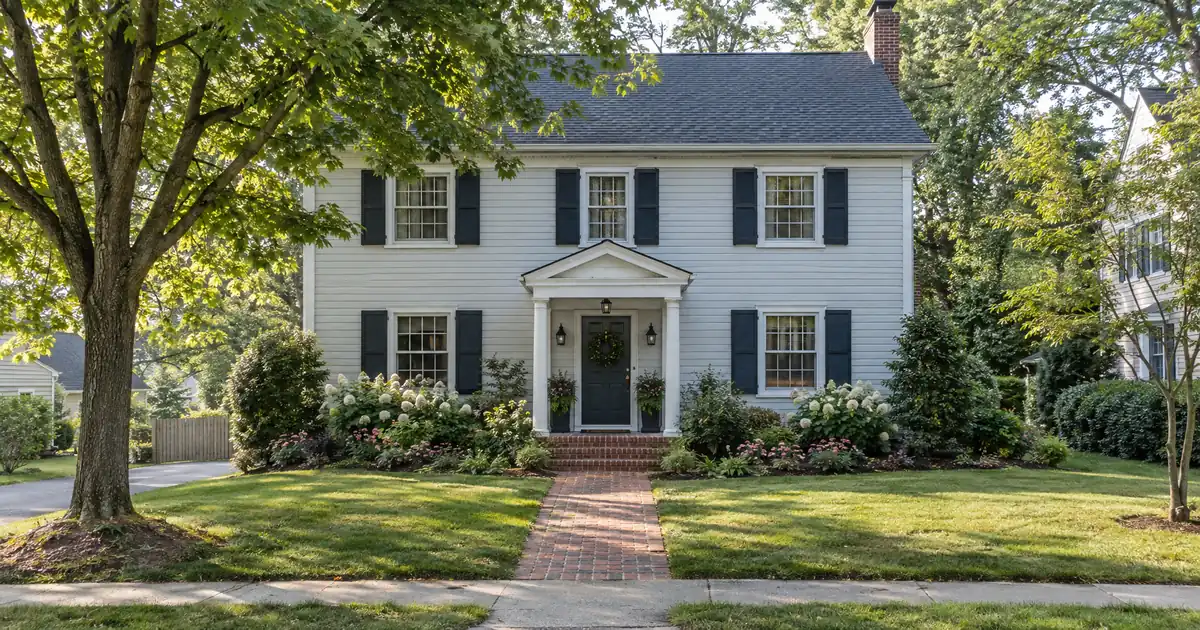
The Quick Read: The FHA cash-out limit is 80% of your home’s value, and the loan you are leaving does not change that number. Your old mortgage can be conventional, FHA, VA or something else. The cap applies to the new FHA loan, and your old loan’s balance has to fit under it along with closing costs. You also need to have owned and lived in the home for 12 months, subject to lender guidelines and full file review.
This page covers replacing a conventional mortgage you already hold with a new FHA cash-out loan on the home you live in. It does not cover assuming someone else’s mortgage or switching loan types in the middle of a home purchase. Those are different questions.
Key Takeaways
- The FHA cash-out cap is 80% of the home’s adjusted value. That leaves at least 20% equity in the home after closing.
- You do not need an existing FHA loan. The new loan pays off whatever mortgage is there now.
- The home must be your principal residence, and you must have owned and occupied it for 12 months before the case number is assigned.
- Moving from conventional to FHA swaps one mortgage insurance structure for another. That swap often decides whether the move makes sense.
- Fitting under the cap does not mean approval. Credit, income, debts and the appraisal still decide the outcome.
Key Terms Defined
Cash-out refinance: A new, larger mortgage that pays off your current one and hands you the difference in cash.
LTV (loan-to-value): The new loan balance divided by the home’s value, shown as a percentage.
CLTV (combined loan-to-value): The same idea, but it adds every loan against the home, including a second lien such as a HELOC.
Adjusted value: The appraised value as FHA treats it for the purpose of measuring the cap.
Case number: The tracking number FHA assigns to your loan file. The 12-month occupancy clock counts back from the day it is assigned.
Mortgage insurance premium (MIP): FHA’s insurance on the loan. It protects the lender, not you, and you pay for it.
Principal residence: The home you live in as your main address.
Seasoning: The waiting period between owning a home and refinancing it.
Does Moving From a Conventional Loan Change the Limit?
No. The limit depends on the new loan and the home, not on what you are leaving.
Across the wholesale programs Lendmire places FHA files with, the FHA cash-out reaches 80% LTV on a home you have owned and occupied for 12 months before the case number. A borrower leaving a conventional loan gets the same ceiling as a borrower leaving an FHA loan. Nobody gets a lower cap for coming from a conventional mortgage, and nobody gets a bonus for it. Every figure here varies by lender and program — guidelines, property type, leverage, and credit profile all apply.
Plenty of homeowners assume otherwise. They think FHA cash-out is only for people who already hold an FHA loan. That is a myth. FHA treats cash-out as a refinance of any mortgage, and the proceeds are not limited to certain purposes. What matters is your ownership and occupancy history, your payment history, and the strength of the whole file.
Here is the practical effect of moving from conventional to FHA: you are not “modifying” a loan. You are applying for a brand-new FHA loan. It goes through its own appraisal and underwriting, and it carries FHA’s insurance. Lendmire’s FHA cash-out refinance program page walks through that loan from the borrower’s side.
Where the 80% Number Comes From
The cap was not always 80%. A HUD Mortgagee Letter lowered the maximum LTV and CLTV on FHA cash-out refinances from 85% to 80% of adjusted value. HUD’s stated reason was limiting risk to the FHA insurance fund. The same letter notes that the 85% figure had itself been a reduction from an earlier, higher limit.
That history explains a lot of stale advice. Older web pages still say 85%, and some borrowers still believe FHA lets you borrow more than conventional. That was true for a stretch. It is not true now.
For a conventional-to-FHA mover, the 80% figure sets the ceiling for the whole new loan. It is not a separate allowance on top of your payoff. It covers the payoff of the old mortgage, closing costs and any other charges rolled into the balance.
How the Underwriting Works, Step by Step
Here is how the process runs from the borrower’s chair.
Step 1: The eligibility check. Standard FHA cash-out is for an owner-occupied principal residence. At least one borrower must have owned and lived in the home for the 12 months before the case number. A manufactured home has its own wrinkle: it must have been permanently installed on its site for more than 12 months. HUD also looks at the payment history on every mortgage secured by the home, and lenders may layer on their own history standards.
Step 2: The appraisal. The cap is measured against adjusted value, not a number you pick. An FHA appraiser sets the value. FHA also cares about property condition, so a home that passed a conventional appraisal can still draw repair conditions. Think peeling paint, a failing roof or a missing handrail.
Step 3: The maximum loan. The lender takes the new loan amount and divides it by adjusted value. The result has to be 80% or less. If you carry a second lien that will stay in place, the combined figure has to be 80% or less too.
Step 4: Underwriting. The lender reviews your credit, income, debts and the new payment including mortgage insurance. Across the wholesale programs Lendmire works with, the usual debt ratios start at 31/43 (housing payment over income, then all debts over income) with no compensating factors. Documented strengths can stretch that to 40/50 at the top tier, and the automated underwriting finding governs most files. Credit score floors on cash-out are set by each lender, so confirm yours early.
Step 5: Closing and funding. The new FHA loan pays off the conventional loan. Whatever is left after payoff and costs comes to you. The CFPB describes this as replacing the original mortgage. That is the key difference from a home equity loan or HELOC, which leaves your first mortgage in place.
A Worked Example
These inputs are modeled assumptions, not market data. Say the home appraises at 100% of its value, and the old conventional loan stands at 60% of that value. Closing costs run about 3% of value.
| Step | Share of home value |
|---|---|
| FHA cash-out ceiling | 80% |
| Old conventional payoff | 60% |
| Closing costs rolled in | about 3% |
| Room left for cash | about 17% |
Now add the insurance. FHA’s upfront premium is 1.75% of the base loan, and it is usually financed. That raises your balance. It does not put cash in your pocket. The lender’s worksheet shows how the premium sits relative to the cap on your file, so ask to see that line before you count on a cash figure.
Two lessons come out of this table. Closing costs and premiums use up room under the cap, so they shrink your cash. And the old payoff is the biggest piece. The more of the home you already owe, the less cash 80% leaves you.
One more wrinkle. FHA county loan limits apply on top of the percentage cap. On a higher-priced home, the county limit, not 80%, can become the binding number. The limits are set by county and change each year, so check yours rather than assume.
FHA vs. Conventional Cash-Out
Here is how the two stack up for a homeowner on a primary residence.
| Factor | FHA cash-out | Conventional cash-out |
|---|---|---|
| Leverage cap | 80% LTV/CLTV | Set by its own guidelines |
| Mortgage insurance | Upfront plus annual | Generally none at or below 80% |
| Occupancy history | 12 months owned and occupied | Differs by program |
| Credit flexibility | Often wider | Often tighter |
| Property condition | Appraiser flags repairs | Usually less strict |
For the conventional side, Lendmire’s piece on the maximum LTV for a conventional cash-out refinance lays out how that cap works. The short version is that at the same leverage, the two programs often land in similar territory. The difference shows up in the insurance bill and in who gets approved.
If your credit is strong and you have healthy equity, conventional frequently wins on cost. If your credit has bruises or your debt ratios run high, FHA may be the only door that opens. That is a real strength of the program. It is not a trick.
What Mortgage Insurance Does to the Math
Moving from conventional to FHA swaps insurance structures, so this is the section to read twice.
A conventional loan at or below 80% LTV generally carries no mortgage insurance. Your old loan may have had insurance that dropped off, or may have none at all. An FHA cash-out at 80% LTV starts with that 1.75% upfront premium, financed into the loan. It then adds an annual premium. Across the programs Lendmire works with, the annual premium runs between 0.15% and 0.75% of the balance, depending on term, loan amount and LTV.
How long it lasts depends on LTV. On a thirty-year loan above 90% LTV, the annual premium lasts for the full term. At or below 90% it ends after eleven years. A cash-out capped at 80% lands in the shorter bucket. Final terms depend on lender guidelines, property type, leverage, and the borrower’s complete credit picture.
Two more points matter here. First, if your old loan was FHA, a prior upfront premium can earn some credit on a new FHA loan. A conventional payoff gets no such credit. Second, HUD says lenders typically collect the annual premium in 12 equal monthly amounts within your payment. You will feel it every month, so compare the full payment on both paths, not just the loan size.
Edge Cases Where the General Rule Bends
The 80% cap is steady. The eligibility around it is where files run into trouble.
Owned less than 12 months. Standard FHA cash-out is not available. Some third-party pages describe an alternative path for newer owners. Treat that as unconfirmed until a lender shows it to you in writing.
Inherited homes. HUD’s rules exempt inheritance from the 12-month occupancy period, provided you did not treat the home as an investment property after inheriting it. If you rent it out first, the occupancy clock applies.
Second homes and rentals. Standard FHA cash-out is limited to a principal residence, so occupancy decides the leverage. Conventional programs set different caps for those occupancies, and those are a different lane.
Manufactured homes. The permanent-installation test above applies.
Hawaiian Home Lands. The 80% cap also covers Section 247 loans, per the same HUD letter.
A recent conventional loan. If you took out your conventional mortgage in the last year, your ownership and occupancy history may still satisfy the 12 months. The loan’s age does not matter. The home’s history does.
What Happens to Your Old Conventional Loan
At closing, the FHA loan pays off the conventional mortgage in full. If your old loan had private mortgage insurance, that coverage ends with the payoff. Any escrow balance held for taxes and insurance gets refunded to you after the old servicer finishes its accounting.
That is a good moment to check your own paperwork. A new FHA loan means a new escrow account, a new first payment date and a new servicer relationship. The overlap between the old and new accounts is where small surprises hide. Ask for the payoff statement and compare it line by line to your Closing Disclosure.
When FHA Makes Sense and When to Stay Conventional
Run through these questions in order.
1. Do you meet the 12-month ownership and occupancy test? If not, standard FHA cash-out is off the table.
2. Can your credit and debt ratios clear conventional standards? If yes, price both paths, because conventional may cost less.
3. Is your equity thin? If you are close to 80% already, little cash is left under the cap on either program.
4. Is the cash for a purpose that justifies a bigger, longer loan? Debt consolidation and home repairs are the two most common reasons borrowers give, per a CFPB report. The same report warns that paying non-mortgage debt with mortgage debt can raise the risk of foreclosure.
5. Does the full monthly cost fit your budget? Include mortgage insurance, not only principal and interest.
Honestly, a toss-up is common. FHA’s insurance adds cost. Conventional’s tighter credit standards can lock people out. The right call comes from comparing real numbers on your own file, not from a rule of thumb.
One caution on the cash itself. The CFPB’s own home equity guide says none of the equity options lets you turn 100% of your equity into cash. It also notes that a cash-out refinance can raise your payment, lengthen the payoff period and change your other terms.
Other FHA Refinance Paths
A cash-out is not the only way into FHA. The FHA Streamline refinances an existing FHA loan with no appraisal and a limited credit review. It requires a net tangible benefit. The FHA rate-and-term refinance, with an appraisal, reaches 97.75% on a principal residence occupied for the previous twelve months. Both are for borrowers who want a lower balance, a different term or a change of loan type without taking cash out. If you do not need the cash, those routes leave more equity untouched.
Comparing Your Options
If you are weighing a cash-out refinance against keeping the loan you have, Lendmire can help you compare the programs and the equity each one reaches. Lendmire is a mortgage broker that arranges FHA, VA, conventional and jumbo loans through wholesale lenders. Reach the team at 828-256-2183 or request a quote. Tax treatment can depend on your situation; borrowers should speak with a qualified tax professional before relying on any deduction or credit.
Frequently Asked Questions
Do I need an FHA loan already to do an FHA cash-out refinance?
No. FHA cash-out refinances any existing mortgage, including conventional. What counts is that you owned and lived in the home for the 12 months before the case number, plus your payment history and the rest of the file.
Does the old conventional loan lower my FHA limit?
No. The 80% cap applies to the new loan against adjusted value. The old loan only matters because its payoff uses up part of that 80%, which leaves less room for cash.
Do closing costs count toward the 80%?
Yes, if you finance them. The cap applies to the total new loan, so financed costs and premiums use up room and shrink your cash. Paying costs out of pocket keeps more room, though it means bringing cash to closing.
Will I pay mortgage insurance after moving from conventional?
Yes. FHA loans carry an upfront premium of 1.75% of the base loan, usually financed, plus an annual premium. On a thirty-year loan at or below 90% LTV, the annual premium ends after eleven years. A conventional loan at or below 80% LTV generally has none, so compare both.
Does fitting under 80% mean I’ll be approved?
No. The cap is only one test. Lenders also review credit, income, debts, payment history and the appraisal. Every figure on this page is subject to lender guidelines and full file review and is not a commitment to lend.
About Lendmire
Lendmire (NMLS# 2371349) is a mortgage broker licensed for consumer lending in 16 states. Lendmire arranges FHA, VA, conventional and jumbo purchase and refinance loans through wholesale lenders; every file is underwritten by the lender under the applicable program guidelines. Scotsman Guide named Lendmire a Top Mortgage Workplace in both 2025 and 2026.
Get Started
Ready to find the right loan for you?
In about 30 seconds you can review financing options available for your home or investment property. No commitment required.
Informational only. Not a Loan Estimate, approval, or commitment to lend. Program availability and eligibility are subject to lender guidelines, credit approval, property review, and underwriting.
References
1. HUD Mortgagee Letter 2019-11
2. CFPB Office of Research blog on cash-out refinances
3. HUD press release on annual MIP reduction
4. CFPB cash-out borrower outcomes press release
5. CFPB guide to using home equity
This article is part of Lendmire’s FHA Loan series — every loan program’s qualification details, guidelines, and scenarios live on the loan options page.
Related reading: FHA and Conventional Cash-Out Requirements Side by Side for a Primary Home · Cash-out Refinance With An Existing FHA Loan: Stay FHA Or Switch To Conventional? · FHA Cash-Out Annual MIP Duration by LTV, Term and Loan Tier
Brandon Miller
Founder & CEO, Mortgage Loan Originator, Lendmire LLC
- Mortgage Loan Originator · NMLS# 1129696 · Verify on NMLS Consumer Access
- North Carolina Real Estate Broker · License# 343312 · Verify on NCREC
- North Carolina Insurance Producer · License# 19053198 · Property, Casualty, Life, Health · Verify on NAIC SBS
- Lendmire LLC · Firm NMLS# 2371349 · Verify firm licensure
Compliance and disclosures. Lendmire (NMLS# 2371349) is a licensed mortgage broker and is not a direct lender, depository institution, financial advisor, or tax professional. Content in this article is general market analysis and educational information — not financial, legal, or tax advice for any specific situation. Lendmire does not guarantee loan approval; every transaction is subject to underwriting by the funding lender. Mortgage pricing and loan program guidelines are subject to change at any time without notice and vary by borrower characteristics, property type, and state regulations. Lendmire complies with Equal Housing Opportunity. Licensure verification: NMLS Consumer Access.