
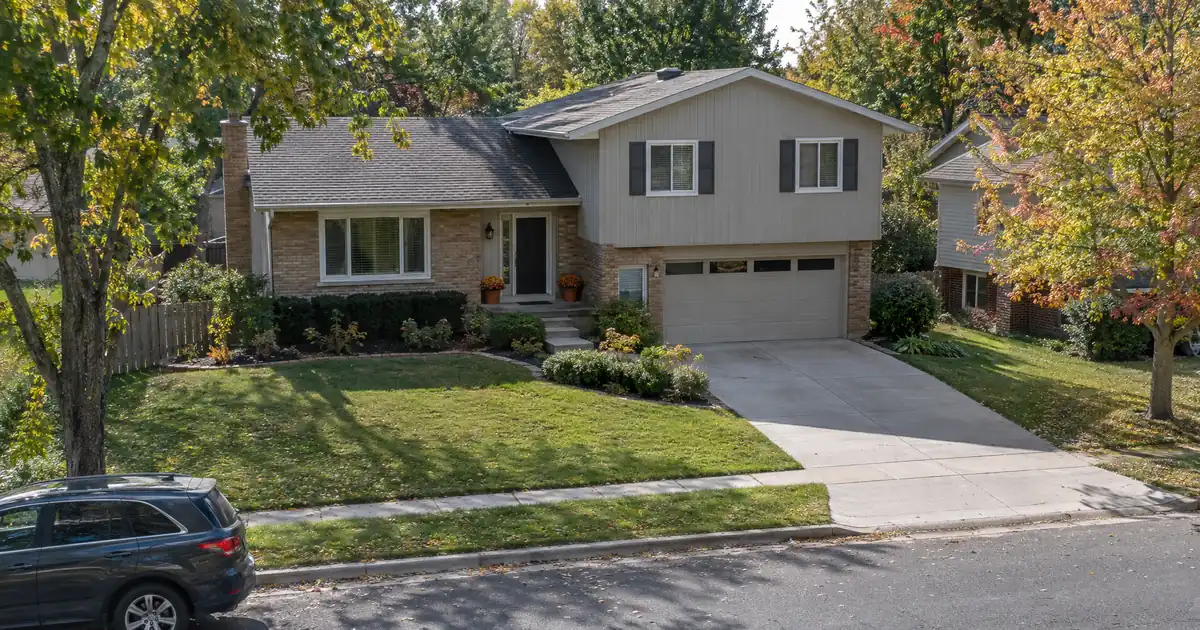
The Quick Read: On a bank statement loan, the borrower’s deposits carry the income test, so permit status mostly changes what the property is worth and whether it is eligible, not how the borrower qualifies. A permitted ADU is a legal improvement an appraiser can describe, compare and value. An unpermitted one is a collateral problem that may earn little or no value, or may stop the file.
- Bank statement income comes from deposit averages, not from the ADU’s rent.
- A permitted ADU can be valued against comparable sales; an unpermitted one often cannot.
- Unpermitted space may be left out of living area, which lowers the value the loan is measured against.
- Legalizing the unit before applying often helps the file more than any change to the loan structure.
- Insurance, resale and disclosure risk follow permit status regardless of the loan.
The Honest Answer First
A permitted ADU suits the self-employed borrower who wants the unit to count as real, appraisable square footage and a clean exit later. An unpermitted ADU only suits a borrower who accepts that the unit may carry no collateral value, may draw an insurance or eligibility objection, and may need legalizing before the deal works.
What your deposits qualify you for.
Alt-doc programs read 12 months of business or personal bank deposits instead of tax returns. Enter your average monthly deposits and see the income a lender would credit you.
The expense factor is set by the lender from your business type and profit-and-loss statement; it is not a number you choose. This widget quotes no rate and no payment.
Program parameters shown update from Lendmire’s centralized guideline source.
Estimate
Illustrative estimate only — not a quote, Loan Estimate, approval, or commitment to lend. Deposit average, expense factor, and housing ratio are editable assumptions; the expense factor a lender applies is set from your business type and documentation. No interest rate or monthly payment is quoted here. Purchase capacity is a simplified illustration and does not account for taxes, insurance, HOA dues, or other debts. Alt-doc income documentation is available on consumer mortgages in the states where Lendmire is licensed for consumer lending; actual terms vary by lender, borrower, and property.
Here is the distinction most borrowers miss. Two separate questions are in play. The first is income: does the ADU’s rent help the borrower qualify? The second is collateral: what is the property worth, and is it eligible at all? A bank statement loan is reviewed on documented income under the applicable program, subject to lender guidelines. The ADU rarely sits in the income test. It sits squarely in the collateral test.
Side-by-Side
This table describes how the two statuses typically play out on a bank statement file. Program specifics vary by lender and by file.
| Factor | Permitted ADU | Unpermitted ADU |
|---|---|---|
| Review basis | Borrower deposits, 12 months | Borrower deposits, 12 months |
| ADU rent in the income test | Program-dependent, not the main test | Typically excluded |
| Appraisal treatment | Valued against comparable sales | May get minimal or no value |
| Living area and bed/bath count | Usually counted | May be excluded |
| Documentation | Permit record, lease if rented | Permit search, possible legalization record |
| Property classification | One-unit with an ADU, typically | Zoning status may be flagged as illegal |
| Insurance | Generally easier to confirm | May be declined or excluded |
| Resale | Buyer’s lender can appraise it | Narrower buyer pool |
| Reserves | Commonly around 6 months of the housing payment | Same, though a weaker file may draw more scrutiny |
On entity vesting, treatment is program-dependent. Whether the file sits in a personal name or an LLC changes which statements count. It does not change how the ADU is treated.
How an Appraiser Sees the Unit
An ADU is additional living area that is independent of the main house. Per the Fannie Mae Selling Guide, it needs living, sleeping, cooking and bathroom facilities on the same parcel, and it can be attached, created within, or detached. That guide governs agency loans, not bank statement loans. It is a useful lens because appraisers carry its vocabulary into every file.
Under that framework, the appraiser classifies zoning as legal conforming, legal non-conforming (grandfathered), illegal, or none. A grandfathered unit is not illegal. That is why a records pull matters. Some units labeled illegal were built under a permit that was never finaled, and closing out the permit can change the status.
For valuation, sales comparison leads. The appraiser finds comparable sales with ADUs and adjusts. Contributory value follows what the market pays, not what the build cost. A paper in The Appraisal Journal notes that income and cost approaches are poor primary methods for ADUs, and that an ADU an originator encounters may be illegal and deserve only incidental value. The paper is dated, so treat it as a framework, not a market reading.
Unpermitted space often fares worse. The appraiser may exclude it from gross living area, treat it as storage or a garage, or give it minimal value. Many underwriters will not allow value for unpermitted space at all.
When a Permitted ADU Is the Better Fit
A permitted ADU is the better fit whenever the unit matters to value, to cash-out proceeds or to a future sale.
- The borrower wants to count the space. Permitted square footage and bedroom and bathroom count can be described and compared. The unit stops being a footnote.
- The file involves cash-out. On a primary residence, cash-out on a bank statement loan reaches up to 80% LTV with a fixed expense ratio (75% with an accountant-prepared ratio), through select lenders and subject to lender guidelines. On a second home, the ceiling is up to 75% LTV. Those percentages apply to the appraised value. An unpermitted unit that gets no credit shrinks the number they are applied to.
- The borrower plans to sell. A buyer’s lender will face the same appraisal and eligibility questions. Permitted status keeps the buyer pool wide.
- Insurance matters. Coverage on a permitted structure is easier to confirm than on one a carrier may decline or exclude.
- Rent may matter. Where a program considers ADU rent at all, it generally wants a legal, rentable unit and a documented lease. The Freddie Mac agency guide, for contrast, requires a current executed lease and a rental analysis before ADU rent counts. Bank statement programs set their own rules, so the safest assumption is that permitted and documented is the stronger position.
A permitted ADU does not guarantee value either. Investor accounts of ADUs appraising below build cost are common, because the appraiser follows comparable sales, not invoices. The borrower who spent heavily on construction should expect that gap and plan around it.
When an Unpermitted ADU Is the Better Fit
It is rarely the better choice, but there are situations where it is workable.
- The income test is truly independent. Strong deposits can carry the file. The unit is then a collateral detail, and the borrower is not counting on its rent. This is where bank statement documentation helps most.
- The unit does not need to count. If the borrower buys or refinances on the strength of the main dwelling and accepts that the unit contributes nothing, the file can be cleaner than one that leans on the unit.
- Legalization is under way. A borrower who is mid-process on an as-built permit has a different file from one who has not started. Keep the paperwork ready.
- The zoning allows ADUs, but the unit was built without paperwork. That differs from a use zoning never allows. The unit can often be legalized, and then it is treated as legal. Some jurisdictions run amnesty or legalization pathways, and those vary widely by state and locality.
Here is the catch. The agency framework treats a use that zoning does not allow as eligible only under added conditions: it must conform to the neighborhood and market, the property is appraised on its current use, and the appraiser must show typicality through at least two comparable sales with the same non-compliant use. Agency summaries add that the lender decides whether insurance coverage is at risk and that the borrower must qualify without the unit’s rent. Non-QM programs set their own rules, but experienced underwriters tend to apply the same instinct. Lenders underwrite as if they might foreclose and operate the property, which makes unpermitted income and value hard to lean on.
Common Misreads on Both Sides
“Bank statement loans ignore the property.” The income test ignores the property’s rent. The appraisal and collateral eligibility still apply.
“The appraiser will count what I paid to build it.” Value follows comparable sales, not cost.
“Unpermitted means automatic denial.” Not always. It raises the bar, narrows the options and usually removes ADU income from the picture.
“An ADU makes it a duplex.” Under agency policy, one primary dwelling plus one ADU is still classified as a one-unit property. Two or more accessory units reclassify it as 2-4 units, which changes the appraisal form and may change program eligibility. Non-QM programs can differ, so ask.
“Removing the stove fixes it.” Under current agency definitions, it does not change the classification.
“Good build quality overrides missing permits.” Quality gets commented on. It does not create legal status.
Edge Cases Worth Checking
- Rentability limits. Some units cannot be rented separately because of an HOA, a deed restriction or family-only occupancy.
- Unit count. A second accessory unit can change the property’s classification.
- Permit never finaled. A records pull may turn an “illegal” unit into a legal one.
- Occupancy. An owner-occupied bank statement file is a consumer mortgage. A bank statement loan on a non-owner-occupied rental, including a short-term rental, is business-purpose. State which one applies to the property before comparing any structures. Short-term rental rules can vary by city, county, HOA, and property type, so investors should confirm local rules before relying on projected rental income.
- Investment property. Cash-out on an investment property tops out around 75% LTV through select lenders. Investment purchase leverage on bank statement documentation varies by lender. If the ADU’s rent is central to the investment case, the DSCR route is often the more natural fit, since it qualifies primarily on property-level rental income covering the payment, subject to lender guidelines. An unpermitted unit may contribute no rent used for lender review there either.
Legalize First, or Close First?
Legalizing first usually produces the cleaner file. An appraiser-community discussion advises legalizing the structure where possible, and a buyer’s lender will want the same clean record later. What legalization costs and how long it takes depend heavily on the jurisdiction, so get a local answer before committing to either path.
The reverse is sometimes forced. If a purchase contract is running, the borrower may have to proceed with the unit unresolved. In that case, structure the file so the unit is not carrying anything: qualify on deposits, assume no value credit for the space, and confirm insurance in writing before going further.
A practical order of operations:
1. Pull permit history and records for the address.
2. Confirm whether the permit was ever finaled.
3. Check whether zoning permits ADUs at all.
4. Get the insurer’s position on the unit in writing.
5. Decide whether to legalize before applying or proceed with no value credit.
Document Checklist
- Permit record or certificate of occupancy for the unit
- Final sign-off, if one exists
- Lease, if the unit is rented
- Rent survey, if rent is relied on
- Insurance confirmation covering the structure
- 12 months of business or personal bank statements, with deposits clearly sourced
Key Terms Defined
ADU: A secondary living unit with its own sleeping, cooking and bathroom facilities, on the same parcel as the main home.
Legal non-conforming: A use that predates current zoning and is allowed to continue, often called grandfathered.
Contributory value: The amount a feature adds to the appraised value, based on what comparable sales support.
Deposit averaging: Qualifying income built from average deposits over the statement period, adjusted by lender expense factors.
Form 1007: The appraisal form that estimates market rent for a single-family property.
Form 1025: The appraisal report for small residential income properties of two to four units.
A Balanced Verdict
For most self-employed borrowers, a permitted ADU is the safer collateral and the cleaner story. It can be valued, insured and sold without a footnote. The unpermitted unit works only when the borrower’s deposits carry the file on their own, when the unit is expected to add nothing, and when the legal and insurance risks are accepted knowingly.
The flip point is the role of the unit. If it is a bonus, an unpermitted ADU may be tolerable. If the investment case rests on its value or its rent, legalize first or look at a different structure. Lendmire arranges bank statement and DSCR financing through select lenders in its wholesale network, and each file is underwritten individually. Read the complete DSCR loans guide to see how the rental-income review framework differs.
Frequently Asked Questions
Can unpermitted ADU rent count on a bank statement loan?
Typically not as a driver of the file. Qualification rests on the borrower’s deposits, and the agency framework used as a reference point excludes rent from an illegal unit. Programs set their own rules, so ask the lender how it treats the unit.
Does an unpermitted ADU add value?
Often little or none. The appraiser may exclude the space from living area or value it as storage or a garage. Some underwriters allow no value credit for unpermitted space.
Do deposits from unpermitted rent create problems?
They can draw questions. Underwriters source deposits, and rent that comes from an unpermitted unit may be excluded or questioned. Keeping deposits clearly documented helps, and the income test should not depend on that rent.
Should I legalize before applying?
Often yes, where the jurisdiction allows it. A legal unit can be appraised, insured and resold more cleanly. Where a contract timeline blocks that, structure the file so the unit carries no weight.
Will an appraiser report an unpermitted unit to the city?
Appraiser-community discussion says appraisers do not report to the city, but they must comment on additions lacking permits, including quality and market impact. Treat that as practice, not an official rule.
About Lendmire
Lendmire, NMLS# 2371349, is a mortgage brokerage with consumer lending licenses in 16 states. Bank statement, P&L-only, 1099-only and asset-based mortgages are arranged through wholesale lending partners for borrowers whose tax returns understate their income, and each application is reviewed individually by the lender. Scotsman Guide named Lendmire a Top Mortgage Workplace in both 2025 and 2026.
Get Started
Ready to find the right loan for you?
In about 30 seconds you can review financing options available for your home or investment property. No commitment required.
Informational only. Not a Loan Estimate, approval, or commitment to lend. Program availability and eligibility are subject to lender guidelines, credit approval, property review, and underwriting.
References
1. Fannie Mae Selling Guide B4-1.3-05
2. Brown & Watkins, The Appraisal Journal paper on appraising properties with ADUs
This article is part of Lendmire’s bank statement loan program — full qualification details, guidelines, and scenarios live on the program page.
Related reading: How to Finance a 2-4 Unit Rental Using Bank Statement Income · Can You Blend Bank Statement and W-2 Income on One Loan? · Portfolio DSCR vs Bank Statement Loan for a 1099 Contractor
Brandon Miller
Founder & CEO, Mortgage Loan Originator, Lendmire LLC
- Mortgage Loan Originator · NMLS# 1129696 · Verify on NMLS Consumer Access
- North Carolina Real Estate Broker · License# 343312 · Verify on NCREC
- North Carolina Insurance Producer · License# 19053198 · Property, Casualty, Life, Health · Verify on NAIC SBS
- Lendmire LLC · Firm NMLS# 2371349 · Verify firm licensure
Required disclosures. Lendmire (NMLS# 2371349) operates as a licensed mortgage broker, not a direct lender or depository. The discussion in this article is general in nature and should not be relied upon as financial, legal, or tax advice — every investment scenario is unique and should be reviewed by a qualified professional. Any loan inquiry is subject to lender underwriting, and this article is not a commitment to lend or a guarantee of approval. Mortgage rates, loan terms, and program guidelines vary by borrower, property, and state, and may change without notice. Equal Housing Opportunity. Verify licensure at NMLS Consumer Access.