
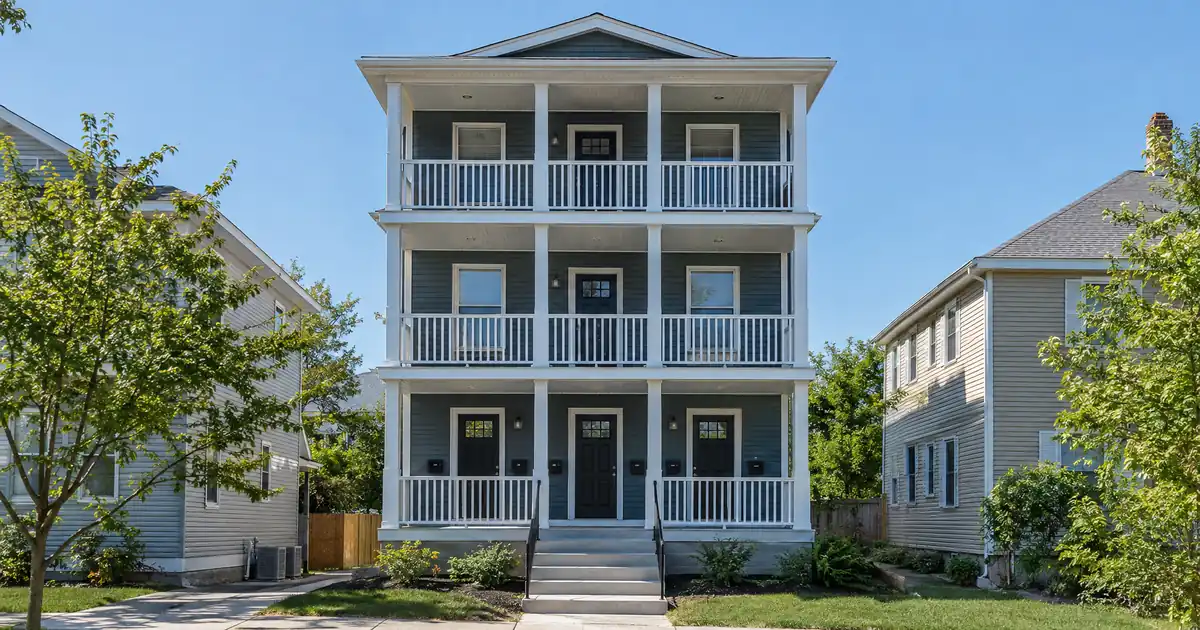
The Quick Read: Yes. A cash-out refinance on a duplex, triplex or fourplex you live in needs a full interior and exterior appraisal on every major program. The automated appraisal waivers are built for one-unit homes, and the only refinances that skip an appraisal pay out no cash. The appraised value sets how much equity you can reach, so the lender has to confirm it first.
Why Does Cash-Out Force an Appraisal?
Cash-out means the new loan is bigger than the one it replaces, and the difference lands in your hands. The lender wants proof the home is worth enough to back that larger balance. An independent appraiser provides that proof.
A “full appraisal” means an appraiser visits the property, inspects the inside and outside, photographs it, measures it, and compares it with recent nearby sales. A drive-by report or a computer estimate does not count as full.
Leverage is a percentage of that value. Loan-to-value (LTV) is the new loan divided by the appraised value. Across the wholesale programs we place files with, conventional cash-out on a one-unit principal residence is 80% LTV. On a two- to four-unit principal residence the cap is 75%. Fannie Mae’s eligibility matrix shows the same split by unit count. Final terms depend on the lender’s guidelines, the property type, and the borrower’s complete credit picture.
Say the appraisal comes in a few percent lower than you hoped. The cash available shrinks with it, and sometimes disappears. That is the real stake in this question.
What Changes When the Home Has 2-4 Units?
Unit count changes the report, the leverage and the waiver options. Here is the side-by-side for a principal residence, meaning a home where you live in one unit.
| Factor | One-Unit Home | 2-4 Unit Home |
|---|---|---|
| Cash-out max LTV | 80% | 75% |
| Typical report | Standard residential form | Small income property form |
| Rent analysis | Not needed | Rent schedule for other units |
| Automated waiver | Sometimes offered | Not available in practice |
The report for a 2-4 unit is a different form. Per the Fannie Mae Selling Guide on appraisal forms, Form 1025, the Small Residential Income Property Appraisal Report, is used for traditional appraisals of two- to four-unit properties, based on interior and exterior inspections. A narrow exception lets a two-unit home use the one-unit form. That happens when each unit is occupied by a co-borrower as a principal residence, or when the second legal unit is insignificant in value. Most owner-occupants of small multifamily homes will not fit those exceptions.
The 1025 also asks the appraiser to opine on market rent for the other units. More units means more to measure, photograph and compare. Expect it to be a bigger assignment than a single-family report.
One more point on occupancy. Living in one unit makes the property a primary residence, even though you collect rent on the others. That keeps you on the primary-residence tables. Occupancy decides the leverage, and a rental property follows a separate set of rules, so this article stays with the home you live in.
Can the Appraisal Ever Be Waived?
For a 2-4 unit cash-out, plan on no. Both big mortgage investors run automated waiver programs, and both limit them to one-unit homes.
Fannie Mae’s value acceptance page lists one-unit properties, including condos, for principal residence and second home transactions. It does not list 2-4 units. Freddie Mac’s waiver path works the same way. Its bulletin on appraisal waiver eligibility says the mortgage must be secured by a one-unit primary residence or second home. That bulletin may have been updated since, so confirm current terms with a lender.
Two more points:
- You can’t request a waiver. The lender’s automated underwriting system decides whether one is on offer.
- A prior appraisal can be reused only in narrow cases. Fannie Mae’s appraisal age rules say a property must be appraised within 12 months before the note date, and an update is needed if the effective date is more than four months old. Reuse applies to a subsequent limited cash-out refinance, not to a cash-out.
What About FHA Streamline and VA IRRRL?
These are the famous no-appraisal refinances. They also can’t give you cash.
The FHA Streamline is for homeowners who already have an FHA loan. It involves no new appraisal and a limited credit review, and it requires a net tangible benefit. The FDIC’s summary says no cash may be taken out, and that owners of one- to four-unit primary residences with existing FHA loans can use it.
The VA IRRRL works the same way for an existing VA loan. In our programs it needs no VA appraisal. It carries a 0.5% funding fee unless the borrower is exempt, and it has a seasoning requirement of the later of 210 days and six payments. It pays out no cash either. A VA cash-out is a different loan, with a VA appraisal and full underwriting. Confirm current VA rules on VA.gov.
FHA cash-out is a third path. It is secured by a one- to four-unit owner-occupied property and requires an appraised value, because the maximum loan is a percentage of that value. Three- and four-unit properties face extra tests, which can include a self-sufficiency test and cash reserves. Handbook wording changes over time, so a lender should confirm the current standard for your file.
How Does the Appraisal Process Run on a 2-4 Unit?
Here is the sequence, start to finish:
1. Application. You declare that you live in one unit and that the purpose is cash out.
2. Automated review. The lender’s system checks for a waiver. On a 2-4 unit cash-out, expect none.
3. Appraisal order. The lender orders the report through an appraisal management channel. You don’t pick the appraiser.
4. Inspection. The appraiser walks your unit and, ideally, every other unit. Tenants need notice. If a tenant refuses entry, the appraiser may be unable to complete the interior view, and that can stall the file.
5. Report. It includes photos, a sketch, comparable sales and the rent schedule for the other units.
6. Value sets the loan. The lender applies the 75% cap to the appraised value and subtracts your payoff and costs. What remains is your cash.
7. Delivery. You get a copy of the report.
Tenant access is the step that surprises owner-occupants most. Tell tenants early, give them the appraiser’s window, and have leases ready.
Do You Get a Copy of the Appraisal?
Yes, and the copy is free. Under the CFPB’s valuations rule, lenders must tell you that you can get a copy. They must deliver it promptly once it is completed, and the exact timing varies by file and lender. A lender may charge a reasonable fee for the appraisal itself, but not for your copy.
Read it. Check the unit count, square footage, condition notes and comparable sales. A factual error, like a wrong bedroom count, can move the value.
What If the Appraisal Comes In Low?
A low value does not end the deal. It resizes it. You have four realistic moves:
- Ask for a reconsideration. Give the lender better comparable sales or corrections to facts. Appraisers can revisit a value, though they don’t have to change it.
- Take less cash. Keep the same loan structure, but borrow to the cap the lower value allows.
- Skip the cash-out. If the new loan would only cover the payoff and costs, a rate-and-term refinance may fit better. The limit is higher, 95% LTV on a one-unit principal residence in our programs, with mortgage insurance above 80% LTV. Check the matrix for 2-4 unit limits.
- Wait. Improvements and market changes can lift the next appraisal. Each figure is subject to lender guidelines and a complete review of property type, leverage, and credit.
Rent on the other units can help you qualify. Freddie Mac says on its 2-4 unit page that rental income from other units can count toward housing expense and debt-to-income ratios. In practice, lenders usually want a lease or the appraiser’s rent schedule behind that income.
How Do You Prepare Before the Appraiser Arrives?
A little prep protects the value:
- Confirm every unit’s legal status, layout and square footage.
- Gather current leases and a simple rent roll.
- List recent improvements, such as roofs, kitchens, mechanicals.
- Schedule tenant access and clean common areas.
- Know your payoff balance, so you can size the cash you actually need.
Also check your seasoning. For conventional cash-out in our programs, the first mortgage being paid off must be at least 12 months old, and borrowers must have been on title for six months. Exceptions exist for delayed financing, inheritance and legal awards.
Key Terms Defined
Full appraisal: An appraiser’s interior and exterior inspection, with photos, a sketch and comparable sales.
Appraisal waiver: An automated decision that lets a lender skip the appraisal. It is for one-unit homes only.
LTV (loan-to-value): The new loan divided by the appraised value.
Principal residence: The home where you live. In a duplex, living in one unit qualifies.
Rent schedule: The appraiser’s opinion of market rent for the other units.
Streamline: A refinance of an existing FHA or VA loan with no appraisal and no cash back.
Where Do You Go From Here?
If you want cash from a 2-4 unit home you live in, expect a full appraisal and a 75% LTV ceiling. If you only want to change your loan, a streamline or rate-and-term refinance may skip or soften the valuation step. Lendmire’s cash-out refinance programs are one place to compare the options. Leverage, reserves, and pricing vary by lender and program, and the final terms follow the full file review.
Tax treatment can depend on your situation; borrowers should speak with a qualified tax professional before relying on any deduction or credit.
If you are weighing a cash-out refinance against keeping the loan you have, Lendmire can help you compare the programs and the equity each one reaches. Every figure above is subject to lender guidelines and full file review, and none of it is a commitment to lend.
Frequently Asked Questions
Can I skip the appraisal on a duplex cash-out?
No, not in practice. Automated waivers cover one-unit homes, and streamlines that skip appraisals pay no cash. A duplex cash-out needs an interior and exterior appraisal.
Does rent from the other units count as income?
Often, yes. Freddie Mac says rental income from the other units can be added when calculating housing expense and debt-to-income ratios. Lenders typically want a lease or the appraiser’s rent schedule to support it.
What if a tenant won’t let the appraiser in?
The appraiser may be unable to complete the interior inspection, which can stall the file. Give tenants notice, offer a set window and have leases ready. Your loan officer can advise if access remains a problem.
Is a 2-4 unit cash-out limited to the same LTV as a single-family home?
No. In our conventional programs, cash-out is 80% LTV on a one-unit principal residence and 75% on two to four units. Mortgage insurance rules and credit requirements also apply, subject to lender guidelines.
Can a past appraisal be reused for cash-out?
Rarely. Fannie Mae allows an origination appraisal to be reused only for a subsequent limited cash-out refinance, and age limits apply. A fresh appraisal is the norm for cash-out.
For your own numbers, request a scenario review with Lendmire.
For current guidelines and terms, see Lendmire’s refinance programs page.
About Lendmire
Lendmire, NMLS# 2371349, is a mortgage brokerage with consumer lending licenses in 16 states. FHA, VA, conventional and jumbo purchase and refinance loans are arranged through wholesale lending partners, and each application is reviewed individually by the lender. Scotsman Guide named Lendmire a Top Mortgage Workplace in both 2025 and 2026.
Get Started
Ready to find the right loan for you?
In about 30 seconds you can review financing options available for your home or investment property. No commitment required.
Informational only. Not a Loan Estimate, approval, or commitment to lend. Program availability and eligibility are subject to lender guidelines, credit approval, property review, and underwriting.
References
1. Fannie Mae Eligibility Matrix
2. Fannie Mae Selling Guide on appraisal forms
3. Fannie Mae Selling Guide: Value Acceptance
4. Freddie Mac Bulletin 2022-6 (ACE eligibility)
5. Fannie Mae Selling Guide: Appraisal Age and Use Requirements
8. Freddie Mac 2-4 unit mortgages page
This article is part of Lendmire’s Refinance series — every loan program’s qualification details, guidelines, and scenarios live on the loan options page.
Related reading: Cash-Out Refinance Appraisal Requirements for a 2-4 Unit Primary Home · Should You Cash-Out Refinance a 2-4 Unit Primary Home to Renovate? · How Much a Cash-Out Refinance Releases on a 2-4 Unit Primary Home
Brandon Miller
Founder & CEO, Mortgage Loan Originator, Lendmire LLC
- Mortgage Loan Originator · NMLS# 1129696 · Verify on NMLS Consumer Access
- North Carolina Real Estate Broker · License# 343312 · Verify on NCREC
- North Carolina Insurance Producer · License# 19053198 · Property, Casualty, Life, Health · Verify on NAIC SBS
- Lendmire LLC · Firm NMLS# 2371349 · Verify firm licensure
Important disclosures. Lendmire (NMLS# 2371349) is a licensed mortgage brokerage. Lendmire is not a direct lender, depository institution, or financial advisor. All loan inquiries are subject to lender underwriting; this article does not constitute a commitment to lend. Rates, terms, and program guidelines are subject to change without notice and vary by borrower profile, property type, and state. Information in this article is general in nature and is not financial, legal, or tax advice. Equal Housing Opportunity. NMLS Consumer Access: nmlsconsumeraccess.org.