
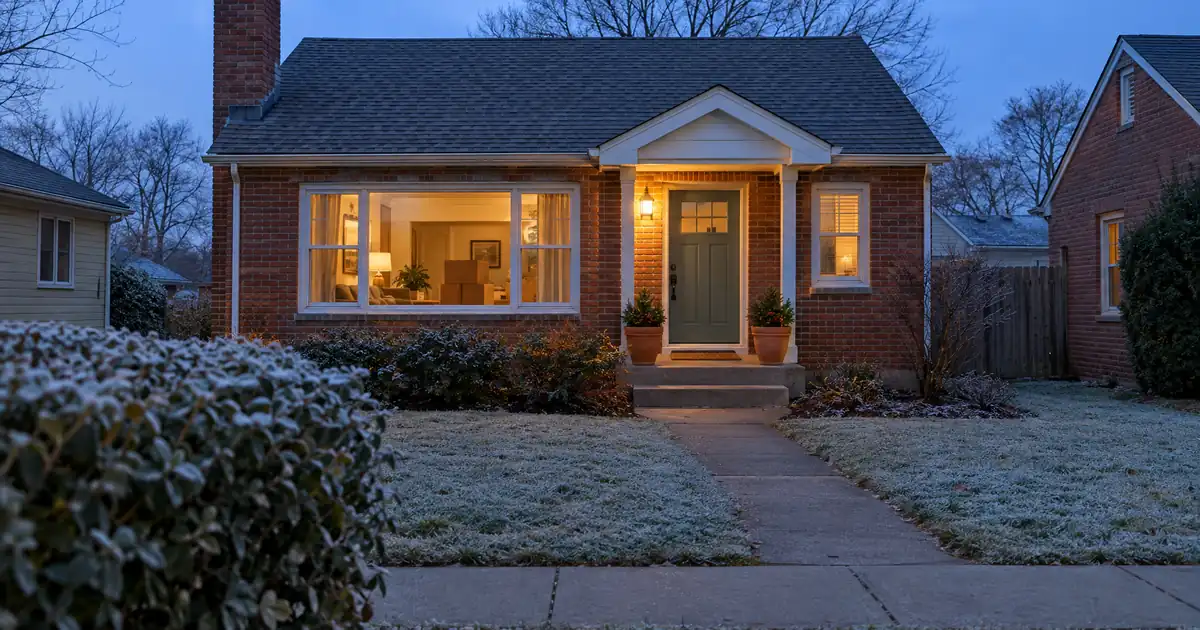
The Quick Read: This list covers the repairs, records and logistics that help your home appraise on its true condition. Not every refinance needs an appraisal, because some conventional files get a waiver and FHA and VA streamlines often skip one. When an appraisal is ordered, fix safety and structural problems first, document your improvements, and make every room easy to reach. Cosmetic polish matters far less than most owners think.
Key Takeaways
- Check first whether your loan needs an appraisal at all. The program and the automated underwriting result decide that, not a request from you.
- Safety, soundness and structural defects can stall a loan. Scuffed paint and worn carpet generally cannot.
- The appraised value sets your loan-to-value ratio, which drives mortgage insurance and eligibility.
- You are entitled to a copy of the report, and a low value can be questioned through a reconsideration request.
Do You Even Need an Appraisal for a Refinance?
Not always. Whether a refinance needs one depends on the loan program and on what the automated underwriting system returns. Across the wholesale programs Lendmire places files with, a rate-and-term refinance on a primary home can go either way, and the answer usually surfaces only after the lender runs the file.
Refinance savings and break-even estimate
The starting figures are an example value with a balance in proportion and a placeholder for costs. Replace them with yours, and enter the current rate from your statement.
Editable benchmark: 7.32% as of October 22, 2026 · Freddie Mac 30-year average via FRED®. A conventional market reference, not a refinance quote.
Illustrative starting assumptions: a $350,000 home value, a $245,000 current balance, a current rate you enter and a remaining term seeded at twenty-five years, closing costs seeded at $5,000 as an editable placeholder (not a fee quote) and rolled into the new loan, a thirty-year term at the current Freddie Mac benchmark, and property taxes and insurance estimated at typical national rates. Every field is editable.
Illustrative estimate only — not a Loan Estimate, approval, quote, or commitment to lend. The new rate field carries the weekly Freddie Mac thirty-year conventional benchmark, a market reference and not a refinance quote; a refinance is priced by the lender at lock, and the current rate, the remaining term and the closing costs are figures you enter. The current payment is estimated from the balance, the current rate and the remaining term; the break-even divides the closing costs by the monthly saving and ignores the interest effect of a longer term. On the VA IRRRL the funding fee is added to the loan unless the veteran is exempt. Taxes and insurance are editable estimates. Licensed in sixteen states for consumer mortgages; Lendmire is a broker, never the lender.
On conventional loans, the lender submits an estimated value to the system before ordering anything. Fannie Mae's value acceptance lets the system accept that estimate with no appraisal for eligible transactions.
Here's the catch. You can't request a waiver. The system issues the offer based on data, and your estimate of value is an input, not a right. If the file isn't eligible, an appraisal is required.
Government loans work differently. Lendmire's refinance programs include the FHA Streamline for existing FHA loans, which carries no appraisal requirement, and the VA streamline refinance for existing VA loans, where no VA appraisal is required. Even so, a lender can add an appraisal as its own overlay. "No appraisal required" and "no appraisal allowed" are different statements.
How Does the Appraisal Fit Into the Refinance?
The appraisal sits between your application and your final loan terms, step by step:
1. Application. You apply, and the lender gives you written notice of your right to a copy of any appraisal.
2. Estimate and automated run. The lender runs the file using an estimated value. The result is a waiver offer or an appraisal requirement.
3. Inspection, if required. The appraiser visits, rates the home's condition and quality, and picks comparable sales.
4. Condition findings. Minor wear is noted and the home is valued "as is." Safety or structural defects trigger repairs.
5. Value sets leverage. The appraised value against your loan balance gives your loan-to-value ratio.
6. Report delivery. You receive a copy of the report. A low number can be challenged.
7. Appraisal age check. If closing slips, the appraisal can age out and need an update.
The last step surprises people. Under the Fannie Mae Selling Guide, appraisals must meet age requirements before the note date, and an update may be required if the report has aged too far by then. A delayed closing can cost you a second visit, and the exact timing varies by file and lender.
What Does the Appraiser Actually Look At?
The appraiser looks at condition, quality, size and layout, systems, upgrades, location and comparable sales. Condition is rated on a six-point scale from C1 to C6, and quality on a similar Q1 to Q6 scale. Most lived-in homes land in the middle, and that is fine.
| Factor | What gets checked | What you can do |
|---|---|---|
| Condition | Wear, deferred repairs, safety items | Fix defects, document repairs |
| Systems | HVAC, plumbing, electrical, roof | Make sure all systems work and are on |
| Size and layout | Square footage, room count | Compare against public records |
| Upgrades | Kitchens, baths, additions | Provide dated list with costs |
| Comparable sales | Nearby recent sales | Offer sales the appraiser may have missed |
| Location | Neighborhood, lot, surroundings | Little you can change |
Notice what's missing from your control: the market itself. You can't move comparable sales. You can make sure the appraiser sees your home accurately.
The Safety and Structural Items That Can Stall a Loan
Safety, soundness and structural problems are the only condition issues that can stop a loan. Fannie Mae's property condition rules say a home rated C6 isn't eligible for sale to Fannie Mae, and deficiencies affecting safety, soundness or structural integrity must be repaired to at least a C5 before the loan is sold. The same rules permit "as is" appraisals when existing conditions are minor, don't affect safety or structure, and the value already reflects them.
So sort your punch list into two piles.
Fix before the visit:
- Active roof or plumbing leaks
- Exposed, damaged or defective electrical
- Missing handrails or broken stair railings
- A failing roof, foundation cracks or settling you know about
- Missing or dead smoke and carbon monoxide detectors
Leave alone for now:
- Dated paint colors and worn carpet
- Older but working fixtures
- Minor scuffs, small dings, a tired lawn
Lenders may also hold their own stricter standards. Ask yours whether a requirement is an agency rule or a lender overlay. That one question can save you a repair you didn't need.
The Refinance Appraisal Checklist, Room by Room
Work through these in order of impact. Each line carries a reason, because understanding why an item matters keeps you from over-spending.
Exterior
- Clear overgrowth and debris. It shows the home is maintained.
- Repair visible damage such as broken gutters, rotted trim or cracked steps. Visible deferred maintenance shapes the condition rating.
- Make the roof and foundation visible and accessible. The appraiser notes what can be seen.
Interior
- Clean and declutter. Clutter hides square footage and makes rooms read smaller.
- Show each room as its intended use. A bedroom filled with storage can look like a storage room.
- Fix small things: dripping faucets, sticking doors, burned-out bulbs. They add up in the appraiser's impression.
Systems and safety
- Confirm utilities are on so heat, cooling, water and power can be tested.
- Test smoke and CO detectors and replace dead batteries.
- Check that the built-in appliances that stay with the house run. A dead range or dishwasher can read as deferred maintenance.
Access
- Unlock everything: basement, attic, garage, crawl space, outbuildings.
- Clear a path to the electrical panel, water heater and furnace.
- Secure pets so the appraiser can move freely.
Documents folder
- Improvement list with dates and costs. Roof, windows, kitchen, baths, HVAC.
- Permits for additions, finished basements or major systems.
- Receipts or contracts where you have them.
- Square footage check. Compare the public record against reality. If the record understates a legitimate finished area, bring floor plans or a prior appraisal.
- A short list of comparable sales you believe are relevant.
On that last item, the guidance behind reconsideration requests describes sales information a consumer may provide, so offering comps is a normal part of the process. Hand over facts, not pressure.
Prep Timeline
| When | Task |
|---|---|
| 2 to 4 weeks out | Repair safety items, finish half-done projects, order permit copies |
| 1 week out | Deep clean, declutter, build the document folder |
| Day before | Test utilities and detectors, clear access paths |
| Morning of | Unlock all areas, turn on lights, secure pets |
| During the visit | Be available, hand over the folder, stay out of the way |
What's Worth Doing, and What Isn't
Finishing real repairs pays off. Cosmetic projects mostly don't. The honest priority order looks like this.
| Task | Value impact | Effort |
|---|---|---|
| Safety and structural fixes | High (can decide the loan) | Varies |
| Documenting upgrades | High | Low |
| Cleaning and decluttering | Moderate | Low |
| Minor repairs | Moderate | Low |
| Repainting or new flooring | Low | High |
| Highly personalized renovations | Can hurt | High |
Here's a genuine judgment call. A half-finished kitchen remodel is worth finishing if it's close and the style is broadly appealing. If it's far from done or very personalized, the stronger play is usually to leave it, disclose it and let the appraiser value the home as it stands. Skip big cosmetic projects until after the refinance closes.
Tips Specific to Your Primary Home
Because you live there, a few things come up that other property types don't face.
- Personal belongings. Tidy, don't strip the house. The appraiser needs to see a livable home, not a staged showroom.
- Converted rooms. A home office that was a bedroom should still show as what it officially is. A closet-less "bedroom" isn't counted as one.
- Finished basements and additions. Unpermitted space is the area most likely to be questioned. Bring permits if you have them, and talk with your lender early if you don't.
- Pets and daily routines. Plan the visit around them.
- Occupancy. A primary home gets the most favorable leverage. Across the wholesale programs Lendmire works with, a rate-and-term refinance on a one-unit primary residence can reach 95% LTV, and up to 97% where the existing loan is agency-owned and the first-time-buyer program allows, subject to lender guidelines. Second homes and rentals carry lower limits.
Fannie Mae's published eligibility matrix shows that same pattern: leverage limits drop as you move away from a one-unit primary home.
Appraisal Day: Do and Don't
Do:
- Be available to answer questions and unlock areas.
- Hand over your improvement list and comps in a neat folder.
- Point out features that are easy to miss, such as a new roof or finished storage.
Don't:
- Follow the appraiser room to room or talk up the price.
- Mention the value you need to hit.
- Hide known defects. They will likely be found, and honesty protects your credibility.
Also keep the estimated value you gave the lender honest and supportable. An inflated estimate can backfire if the appraisal lands far below it.
Common Mistakes
- Spending money on cosmetic projects that don't move value.
- Leaving a safety defect unfixed because it "looks minor."
- Skipping documentation, so real upgrades go unnoticed.
- Letting the appraisal age out because closing dragged on.
- Assuming an old appraisal can always be reused. Under Fannie Mae rules it can be reused only for a later limited cash-out refinance, and only while it is under 12 months old.
- Believing the report belongs to the lender. You are entitled to a free copy.
If the Value Comes in Low
A low appraisal isn't final, but it does change your options. The appraised value sets your loan-to-value ratio, and a lower value can push the loan out of the leverage tier you planned on or change whether mortgage insurance applies. On conventional loans, mortgage insurance is required above 80% LTV. You can ask for cancellation at 80% of the original value with good payment history, and the servicer must end it automatically at 78%. Each figure is subject to lender guidelines and a complete review of property type, leverage, and credit.
Picture a homeowner whose appraisal lands a few percent under the estimate. Their loan-to-value might slip from just under 80% to just over it. That small shift can add mortgage insurance and change whether the refinance still makes sense. Run the break-even again before you decide.
Here is a playbook:
1. Read the report. Check square footage, room counts, condition ratings and listed upgrades for factual errors.
2. Gather evidence. Collect comparable sales the appraiser may have missed, plus your improvement list and permits.
3. Ask for reconsideration. A reconsideration of value is a request from the lender to the appraiser to reassess. Federal agencies describe it as appropriate when a consumer provides information about potential deficiencies or other facts affecting value, per the CFPB's announcement of the interagency guidance. It is not guaranteed to change the number.
4. Weigh the alternatives. If the value stands, you can accept the new terms, wait, or ask about a different program or structure.
Where the General Rules Break
A few named edge cases change the checklist.
- FHA Streamline. HUD's older Handbook 4155.1 said an appraisal isn't required on a streamline, and that if one is done, repairs aren't required except lead-based paint, though a lender may still require them. HUD has since moved to Handbook 4000.1, so ask your lender which current FHA policy applies to your file.
- VA IRRRL. VA Pamphlet 26-7 says generally no appraisal, credit information or underwriting is required, though a reasonable appraisal expense the lender incurs for its own requirements may be charged to the borrower.
- Freddie Mac ACE. Eligibility requires a one-unit dwelling and an eligible loan, so two- to four-unit homes generally don't qualify.
- Manufactured homes. For limited cash-out, leverage uses the lower of the appraised value or recent sale price if you've owned under 12 months.
- Condos. Even where project review is waived, an appraisal, if obtained, must still meet requirements, with no unaddressed critical repairs.
- Disaster-affected homes. Fannie Mae offers flexibilities for limited cash-out refinances after a natural disaster, but standard appraisal rules still apply.
- Cash-out refinances. Conventional cash-out tops out at 80% LTV on a one-unit primary home, so a lower value cuts into the cash available.
Key Terms Defined
Appraisal waiver (value acceptance): An offer from the automated underwriting system to accept your estimated value with no appraisal.
Loan-to-value (LTV): Your loan balance divided by your home's value.
Limited cash-out refinance: A refinance that pays off your existing first mortgage and closing costs, with only incidental cash back.
Condition rating (C1 to C6): The appraiser's scale for the home's physical state, where C6 means serious deficiencies.
Reconsideration of value: A request that the appraiser reassess the value based on new information.
Net tangible benefit: The requirement that a streamline refinance leave the borrower measurably better off.
What Your Decision Looks Like in Practice
Start with the program, not the polish. Find out whether your file can skip the appraisal. If it can't, fix real defects, document your upgrades, and make the visit easy. If the number disappoints, review the report, bring evidence, and rerun your break-even before deciding.
If you are weighing a refinance and want the break-even run on your own numbers, Lendmire can help you compare the programs on the same home. Every figure here is subject to lender guidelines and full file review, and nothing is a commitment to lend.
Frequently Asked Questions
Can I skip the appraisal on my refinance?
Sometimes, but you can't force it. Conventional files may receive a waiver when the automated system offers one, and FHA and VA streamlines don't require an appraisal. A lender can still order one as its own policy.
Do I need to be home during the appraisal?
It helps to be available, but you don't have to hover. Unlock every area, hand over your document folder, answer questions, then give the appraiser room to work. Being present mainly lets you point out upgrades that are easy to miss.
Does cleaning really change the appraised value?
Cleaning and decluttering help the appraiser see the home accurately, but they rarely change value on their own. Condition ratings turn on repairs, safety and structure. Think of cleaning as removing obstacles, not adding dollars.
Who gets a copy of the appraisal?
Federal rules require lenders to tell you in writing that you can receive a copy of any appraisal, and to provide it promptly once it is completed, with the exact timing depending on the file and the lender. If no valuation was developed, there's nothing to provide.
What if I have unpermitted work?
Tell your lender early. Unpermitted finished space is the area most likely to be questioned or excluded from the value. Bring whatever documentation exists, and ask whether the lender's requirement comes from an agency rule or its own overlay.
For your own numbers, request a scenario review with Lendmire.
About Lendmire
Lendmire, NMLS# 2371349, is a mortgage brokerage with consumer lending licenses in 16 states. FHA, VA, conventional and jumbo purchase and refinance loans are arranged through wholesale lending partners, and each application is reviewed individually by the lender. Scotsman Guide named Lendmire a Top Mortgage Workplace in both 2025 and 2026.
Get Started
Ready to find the right loan for you?
In about two minutes you can review financing options available for your home or investment property. No commitment required.
Informational only. Not a Loan Estimate, approval, or commitment to lend. Program availability and eligibility are subject to lender guidelines, credit approval, property review, and underwriting.
References
1. Fannie Mae: Value Acceptance
2. Fannie Mae Selling Guide: Appraisal Age and Use Requirements
3. Fannie Mae Selling Guide: Property Condition and Quality of Construction
4. Fannie Mae: DU Standard Eligibility Matrix
5. CFPB's announcement of the interagency guidance
This article is part of Lendmire’s Refinance series — every loan program’s qualification details, guidelines, and scenarios live on the loan options page.
Related reading: Cash-Out Refinance Appraisal Rules vs. a No-Appraisal Home Equity Loan · Typical Closing Costs on a Primary Home Refinance · Cash-Out Refinance Requirements for Using Proceeds on a Primary Home
Brandon Miller
Founder & CEO, Mortgage Loan Originator, Lendmire LLC
- Mortgage Loan Originator · NMLS# 1129696 · Verify on NMLS Consumer Access
- North Carolina Real Estate Broker · License# 343312 · Verify on NCREC
- North Carolina Insurance Producer · License# 19053198 · Property, Casualty, Life, Health · Verify on NAIC SBS
- Lendmire LLC · Firm NMLS# 2371349 · Verify firm licensure
Disclosure information. Lendmire is a state-licensed mortgage brokerage under NMLS# 2371349. Lendmire is not a depository institution, direct lender, or financial advisor — all loans referenced are placed through wholesale lender partners and are subject to each lender's underwriting standards. This article is provided for general informational purposes and is not a commitment to lend, nor does it constitute financial, legal, or tax advice. Loan programs, terms, rates, and qualification standards change without notice and depend on borrower profile, property type, and the state in which the subject property is located. Equal Housing Opportunity provider. NMLS Consumer Access: nmlsconsumeraccess.org.