
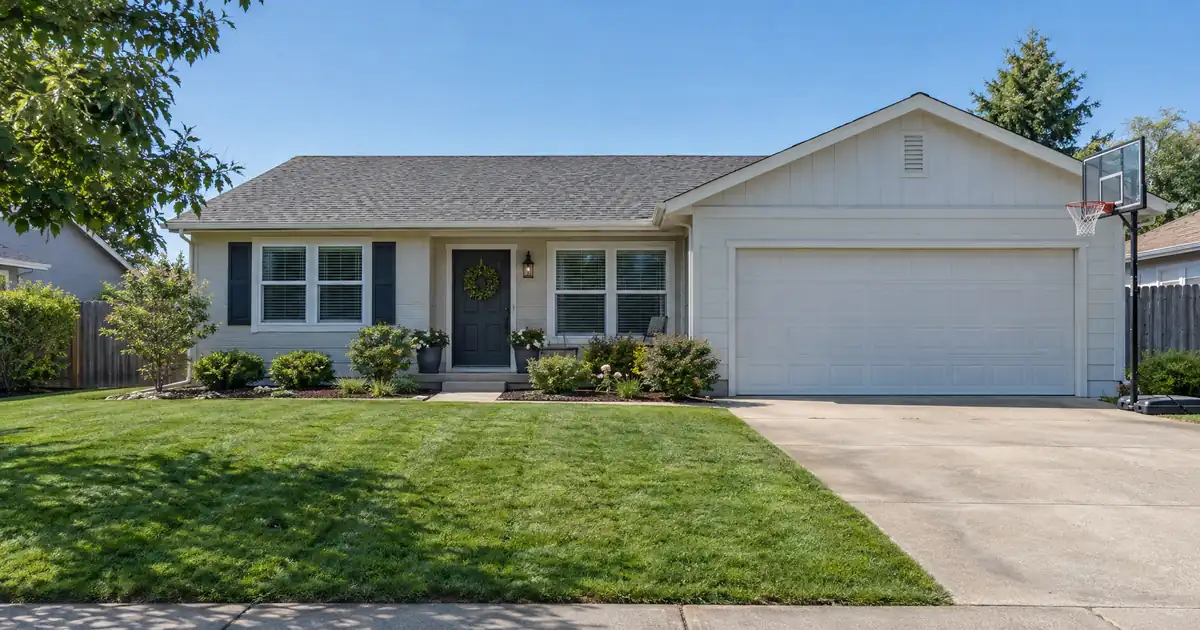
The Quick Read: A cash-out refinance on a second home replaces your current mortgage with a larger one and hands you the difference. The leverage cap is lower than on the home you live in full time. On the conventional programs, it is 75% of the home’s appraised value, against 80% on a one-unit principal residence. The property must truly qualify as a second home, and two waiting-period clocks apply before the loan can close. Everything below is subject to lender guidelines and a full file review, and none of it is a commitment to lend.
Key Takeaways
- The conventional cash-out cap on a second home is 75% of value. On a primary residence it is 80%.
- The home has to be a real second home. You use it part of the year, and you control it. It is not run as a rental.
- The mortgage you are paying off must be at least 12 months old. You must also have been on title for 6 months, with a few named exceptions.
- FHA Streamlines and VA IRRRLs do not pull cash out of a second home.
- Net cash is what is left after the payoff, closing costs and any other liens. It is always less than the headline equity.
What Is a Cash-Out Refinance on a Second Home?
A cash-out refinance is a new first mortgage that pays off the old one and puts the leftover equity in your hands. You end up with one loan, on new terms, sized above what you owed. Equity is the part of the home’s value you own outright.
Say you own a lake cabin or a condo near the coast. You use it a few months a year. You have built equity through payments and appreciation, and you want cash for a roof, a renovation or other debts. Selling would cost you the place. A cash-out refinance lets you keep it and turn some of the equity into money.
Lendmire’s cash-out refinance programs cover this kind of file. Here is how it plays out across the wholesale programs these loans go through. The loan is a consumer mortgage. It is not a business loan, and you get the standard disclosures. Those are the Loan Estimate near the start and the Closing Disclosure before you sign.
Two features make a second-home cash-out different from the same loan on your primary home:
1. A lower leverage cap. Lenders see a second home as slightly riskier. If money gets tight, the payment on the home you live in usually comes first.
2. Stricter proof of use. The lender needs to see that it is a second home and not a disguised rental.
Does Your Property Really Count as a Second Home?
Occupancy decides your leverage, so it comes before anything else. Conventional second-home rules, set out in the Fannie Mae Selling Guide on occupancy types, call for the following:
- You occupy the home for some part of the year.
- It is a one-unit dwelling, suitable for year-round living.
- You have exclusive control of it.
- It is not a timeshare.
- No management company controls who stays there.
Rental use sits in a gray zone. A little occasional renting does not automatically disqualify you. But you cannot count the rental income to qualify, and the loan must still behave like a second home. If a property is really a full-time rental, the lender treats it as an investment property instead. That means different leverage and different rules.
The documents you sign back this up. The standard second-home paperwork includes a rider. It commits you to keep the property available mainly for your own personal use. Freddie Mac’s cash-out guide sits alongside that rider in the agency rulebook. Claiming second-home status on a property you rent out all year is a misrepresentation. Skip it. A file built on a false occupancy answer can come apart later.
Unsure how your rental use would be classified? Raise it with your broker before the application, not after the appraisal.
How the Loan Is Underwritten, Step by Step
Underwriting is the lender’s review of your file. For this loan, it moves in a predictable order.
Step 1: Classify the property. The lender confirms it is a one-unit second home and not an investment property. Some property types need extra care. Co-ops, some condo structures and manufactured homes face tighter or narrower rules for cash-out. Whether yours is eligible depends on the specific program.
Step 2: Check the clocks. Two waiting periods apply, covered in the next section.
Step 3: Order the appraisal. A second-home cash-out has no shortcut. Unlike a government streamline, it is appraisal-driven. The appraised value sets the ceiling on everything else.
Step 4: Size the loan. Take the appraised value and multiply it by the leverage cap. For a one-unit second home on conventional cash-out, that cap is 75%. From the result, subtract what must be paid off. That includes the existing first mortgage, any other liens and the closing costs you choose to roll in. What remains is your cash.
Step 5: Review credit, income and debts. Across the wholesale conventional programs, the baseline decision score varies by scenario. Many lenders set a higher floor. The automated underwriting finding governs most files, with a total debt-to-income ceiling of 50%. Your new second-home payment goes into that ratio, alongside your primary housing payment and other monthly debts. A manually underwritten file runs tighter ratios.
Step 6: Check reserves. Reserves are money you could still access after closing. Think savings, investments and similar assets. Cash-out files on a second home often need them. They tend to matter more as debt-to-income climbs or credit weakens.
Step 7: Review disclosures and sign. You get the Loan Estimate early and the Closing Disclosure before closing. Compare the two line by line. Your Estimated Cash to Close is netted against payoffs and costs.
A Worked Example
Numbers help, so here is a modeled scenario. Every input below is an illustrative assumption, expressed as a share of the home’s appraised value. These are not market data and not a quote.
| Step | Share of appraised value |
|---|---|
| Appraised value | 100% |
| Maximum new loan (second-home cash-out cap) | 75% |
| Existing first mortgage payoff (assumed) | 45% |
| Other liens to clear (assumed) | 0% |
| Gross room before costs | 30% |
| Closing costs and prepaids | Subtract from the 30% |
The gross room is only a ceiling. Closing costs come out of it if you roll them into the loan. That is why your net cash is lower than the equity on paper. The same home on a primary-residence cash-out, with the same payoff, would reach an 80% cap. That is five more points of value you could reach.
One more thing the table shows: you are not “borrowing against equity” the way a credit line does. You are replacing the whole mortgage. Whatever terms your old loan carried go away, for better or worse.
The Two Seasoning Clocks
Seasoning is the waiting period a lender requires before you can refinance. On a cash-out, two separate clocks run at the same time.
- The loan clock. The first mortgage you are paying off must be at least 12 months old, measured from its note date to the new loan’s note date. This comes from Fannie Mae’s cash-out refinance rules.
- The title clock. At least one borrower must have been on title for 6 months before the new loan funds.
Count to the closing, not to the day you apply. A common mistake is assuming the six months end when you submit paperwork.
Exceptions exist. Inheriting the property, or receiving it through a legal award like a divorce judgment, can waive the title clock. Both agencies list these. Delayed financing is another path. It is for someone who bought with cash and wants cash back soon after. It has its own conditions, including an arm’s-length original purchase. It still counts as cash-out for leverage and pricing.
Where the Rule Breaks: Edge Cases
General rules are tidy. Real files are not. These are the situations where the standard answer shifts.
Free-and-clear second homes. Own it with no mortgage? A brand-new first mortgage on it still counts as cash-out, even if you only want a small loan. There is no “light” version.
Government streamlines. The FHA Streamline and the VA IRRRL are built to lower a payment on an existing government loan. They skip much of the underwriting and often the appraisal. They do not hand you meaningful cash. The IRRRL, for example, can only pay off the existing VA loan. Neither is a path to cash from a second home.
Partly rented homes. Covered above. Occasional, unpooled renting may be allowed, but it cannot help you qualify.
Property types with special rules. Manufactured homes, co-ops and some attached condo units face different or tighter caps. Ask early whether your property type is allowed at all.
Jumbo balances. Above the conforming loan limit, a different set of lender rules takes over, with a higher score floor and its own appraisal requirements. If you are in that range, read Lendmire’s guide How to Handle Two Appraisals on a Second Home Jumbo Cash-Out Refinance.
Texas homesteads. A cash-out on a Texas homestead is capped by the state constitution. That rule is about the home you live in, not a second home. But it is a reminder that state law can override the program menu.
Cash-Out Refinance vs. Other Ways to Pull Equity
A cash-out refinance is one of several tools. Which one fits depends on whether your current mortgage is worth keeping.
| Option | What happens to your first mortgage | Best fit |
|---|---|---|
| Cash-out refinance | Replaced by a new, larger loan | Current loan is no longer worth keeping |
| Home equity loan | Stays in place; second loan added | One lump sum, existing loan is good |
| HELOC | Stays in place; credit line added | Ongoing or uncertain spending |
| Primary-home cash-out | Primary loan replaced | More equity at the 80% cap |
The Consumer Financial Protection Bureau draws the same line. A cash-out replaces the original mortgage, while home equity loans and HELOCs leave the first lien alone. That matters if your existing loan has terms you do not want to lose. Some lenders also treat second-home HELOCs more cautiously, so availability varies.
Many owners have equity in both homes. Tapping the primary home to fund a second-home purchase or project is a real option, and it can reach a higher leverage cap. But it puts the home you live in at risk. Weigh that before deciding.
When a Cash-Out Makes Sense (and When It Doesn’t)
Here is the honest read. A cash-out tends to make sense when:
- Your current mortgage is not one you would miss.
- The cash goes to something that holds or builds value, like repairs or improvements to the property.
- You have the reserves and the debt-to-income room to absorb a larger balance.
- You plan to hold the home long enough for the costs to pay off.
It tends to be a poor fit when:
- Your current mortgage has terms you would struggle to replace.
- The cash would cover everyday spending.
- Your budget is already tight.
- A smaller, separate loan would do the job.
Borrowing more than you owed generally means a larger balance, and in most cases a higher payment. The CFPB has noted that converting other debts into mortgage debt can put the home at risk if payments become hard to keep up. A common reason borrowers give for cashing out is paying off other debts. That can work. It can also trade short-term relief for a longer, bigger obligation secured by the home.
Closing costs deserve their own look. They can be paid up front, rolled into the balance, or built into the loan’s terms. A “no closing cost” refinance does not mean the costs vanish. They show up in the interest rate or the loan amount. Read the Loan Estimate, find the Estimated Cash to Close, and compare it against your goal.
Tax treatment can depend on your situation; borrowers should speak with a qualified tax professional before relying on any deduction or credit.
Key Terms Defined
Cash-out refinance: A new first mortgage that pays off your old one and gives you the extra equity as cash.
Loan-to-value (LTV): The loan amount divided by the home’s appraised value, shown as a percentage.
Second home: A one-unit property you occupy part of the year, suitable for year-round living and under your exclusive control.
Seasoning: The waiting period a lender requires, such as how long you have owned the home or held the existing loan.
Reserves: Liquid assets you still have after closing, which show you can keep paying the mortgage.
Debt-to-income ratio (DTI): Your total monthly debt payments divided by your gross monthly income.
Delayed financing: A cash-out exception for owners who bought with cash and want to recover some of it soon after.
Mistakes That Sink Second-Home Cash-Outs
- Misstating occupancy. Calling a full-time rental a second home is a misrepresentation, and it can come back on you.
- Miscounting the clocks. Applying before the 12-month and 6-month marks pass wastes an appraisal fee.
- Counting rent you cannot count. Rental income does not qualify you on a second-home loan.
- Ignoring the existing loan. Giving up a good mortgage to get cash can cost more than it saves.
- Sizing the loan to the maximum. Just because the cap allows it does not mean your budget should.
- Forgetting that costs come out of cash. Your net is always less than your gross equity.
Frequently Asked Questions
Can I take cash out of a second home with a government loan?
Not directly. The FHA Streamline and VA IRRRL apply to existing FHA and VA loans and are built to lower a payment, not to return cash. A second-home cash-out is a conventional product. If you hold a government-backed loan on the property, refinancing out of it into a conventional cash-out is a separate decision, with its own waiting periods and costs.
How much equity can I actually reach?
On a conventional one-unit second home, up to 75% of the appraised value, minus what you owe and what the closing costs take. Your credit, debt-to-income ratio and reserves can narrow that further. A primary residence reaches 80%, so the same equity opens up more cash on the home you live in.
Can I rent the home out and still do this?
Sometimes, in small amounts. Occasional rental use that is not pooled or run by a management company may be allowed. But you cannot use the rental income to qualify. If the property is rented most of the year, it likely falls into the investment category, which carries different leverage and rules.
How soon after buying can I cash out?
Generally you need at least 6 months on title, and the mortgage you are paying off must be at least 12 months old. Exceptions exist for inheritance, a legal award such as a divorce judgment, and delayed financing for cash buyers. Each has its own conditions.
Is a cash-out better than a HELOC on my second home?
It depends on your current mortgage. If you want to keep a first loan you like, a home equity loan or HELOC leaves it alone. If you are happy to replace that loan, a cash-out gives you one payment and one set of terms. Compare the total cost of both on the Loan Estimate.
Next Step
If you are weighing a cash-out refinance against keeping the loan you have, Lendmire can help you compare the programs and the equity each one reaches. Bring your property details and a rough sense of how you would use the cash. The comparison starts there.
For your own numbers, request a scenario review with Lendmire.
For current guidelines and terms, see Lendmire’s refinance programs page.
About Lendmire
Lendmire (NMLS# 2371349) is a mortgage brokerage serving homeowners and home buyers in 16 states. FHA, VA, conventional and jumbo purchase and refinance loans are arranged through wholesale lending channels; Lendmire brokers the financing and the lender underwrites each application. Scotsman Guide named Lendmire a Top Mortgage Workplace in both 2025 and 2026.
Get Started
Ready to find the right loan for you?
In about 30 seconds you can review financing options available for your home or investment property. No commitment required.
Informational only. Not a Loan Estimate, approval, or commitment to lend. Program availability and eligibility are subject to lender guidelines, credit approval, property review, and underwriting.
References
1. Fannie Mae Selling Guide B2-1.1-01, Occupancy Types
2. Freddie Mac Guide Section 4301.5, Cash-Out Refinance Mortgages
3. Fannie Mae Selling Guide B2-1.3-03, Cash-Out Refinance Transactions
4. CFPB Office of Research Blog on Cash-Out Refinance Mortgages
This article is part of Lendmire’s Refinance series — every loan program’s qualification details, guidelines, and scenarios live on the loan options page.
Related reading: Cash-Out Refinance Reserves for a Vacation Home Owner · Cash-Out Refinance Rescission Rules for a Second Home · How Lenders Count Retiree Reserves on a Second Home Cash-Out Refinance
Brandon Miller
Founder & CEO, Mortgage Loan Originator, Lendmire LLC
- Mortgage Loan Originator · NMLS# 1129696 · Verify on NMLS Consumer Access
- North Carolina Real Estate Broker · License# 343312 · Verify on NCREC
- North Carolina Insurance Producer · License# 19053198 · Property, Casualty, Life, Health · Verify on NAIC SBS
- Lendmire LLC · Firm NMLS# 2371349 · Verify firm licensure
Disclosure information. Lendmire is a state-licensed mortgage brokerage under NMLS# 2371349. Lendmire is not a depository institution, direct lender, or financial advisor — all loans referenced are placed through wholesale lender partners and are subject to each lender's underwriting standards. This article is provided for general informational purposes and is not a commitment to lend, nor does it constitute financial, legal, or tax advice. Loan programs, terms, rates, and qualification standards change without notice and depend on borrower profile, property type, and the state in which the subject property is located. Equal Housing Opportunity provider. NMLS Consumer Access: nmlsconsumeraccess.org.