
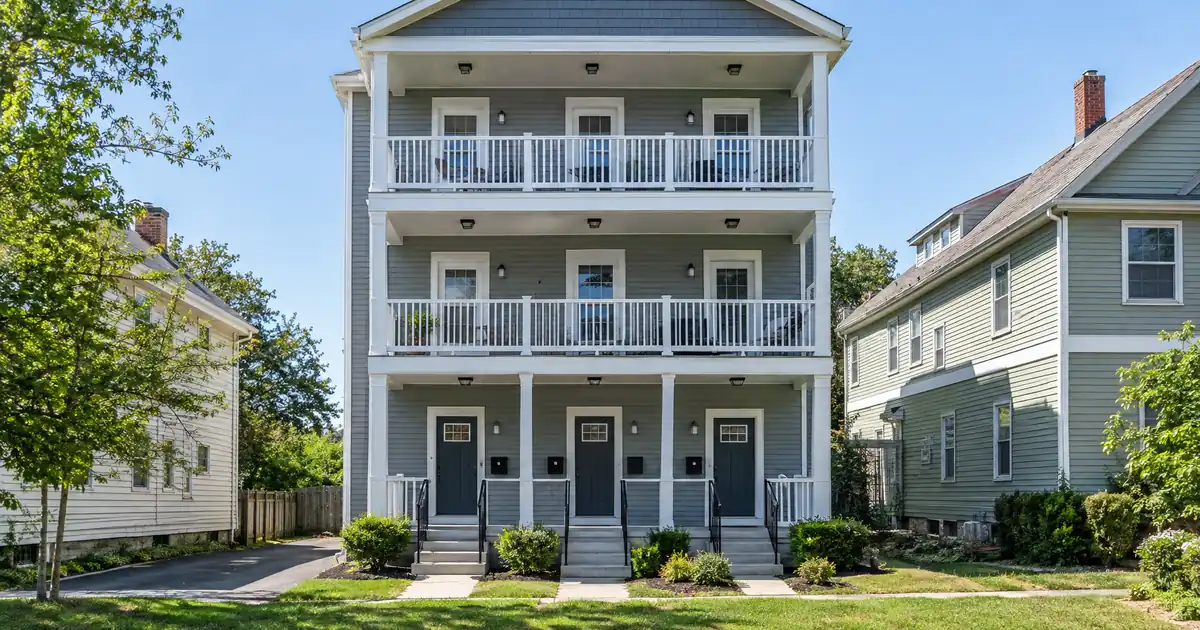
The Quick Read: Your remodel budget is the cash left after the new loan pays off the old one and covers closing costs. The new loan is capped at 75% of the appraised value on a two- to four-unit home you live in, versus 80% on a one-unit home. Lenders also hold some of your money back as reserves, so the spendable number is smaller than the equity number. Budget from the net cash, then add a cushion for overruns.
Key Takeaways
- Start with the loan cap, not your equity. The cap applies to the whole new loan, measured against appraised value.
- Subtract the payoff, closing costs and prepaids before you assign a dollar to any contractor.
- A standard cash-out hands you the cash at closing. A renovation loan holds the money in a controlled account and releases it in stages.
- A “limited” cash-out refinance, an FHA Streamline and a VA streamline refinance do not fund remodels.
- Rent from the units you do not live in may help you qualify. Rent from your own unit generally does not.
- Plan for a low appraisal and for rent lost while work is underway.
What Is a Cash-Out Refinance Remodel on a 2-4 Unit?
A cash-out refinance replaces your current first mortgage with a larger one. The difference comes to you as cash, and you use it to pay for the work. On a duplex, triplex or fourplex, the home must be your principal residence. That means you live in one unit and may rent the others.
Think of it as three budgets stacked together:
1. The ceiling: the most the new loan can be, set by appraised value and the program cap for your unit count.
2. The deductions: your old payoff, closing costs, prepaids and any liens that must be cleared.
3. The delivery: whether the remainder reaches you as free cash or as controlled renovation funds.
Most borrowers fixate on the first number and forget the other two. That is how a “$X of equity” plan turns into half a kitchen.
Across the wholesale programs these loans are placed with, the cap is the first thing that surprises owners of multi-unit homes. Lendmire’s cash-out refinance programs page lays out the program families. The short version is that unit count changes the math.
How Much Can the New Loan Be?
On a conventional cash-out refinance, the new loan tops out at 80% of the home’s value on a one-unit principal residence. On a two- to four-unit principal residence, the cap drops to 75%. Second homes and investment properties also sit at 75%. Occupancy and unit count decide the leverage.
The Fannie Mae Eligibility Matrix shows this split, with a separate row for cash-out. Do not confuse it with the higher leverage on purchase and limited cash-out lines for 2-4 units. Those rows exist, and they are the source of a common mix-up. A 95% figure you see for a 2-4 unit does not apply when you want cash in hand.
Two details trip people up.
The cap measures the loan, not your equity. “I can pull out 75% of my equity” is wrong. The loan can be 75% of value. Whatever you already owe comes out of that first.
Older charts are stale. Some lender charts still show lower numbers for 2-4 units. Check the current matrix before you build a plan on a remembered figure.
The Net-Cash Math, Step by Step
Here is the method. Each step uses percentages of the appraised value, so you can run it with your own numbers.
1. Estimate the as-is value. This is what the home is worth today, before the work. A standard cash-out sizes off this number.
2. Multiply by the cap. Use 75% for a two- to four-unit principal residence.
3. Subtract your payoff. Include the first mortgage balance and any lien that must be cleared at closing.
4. Subtract closing costs and prepaids. These come out of the same pot as your remodel cash. Your Loan Estimate shows them, and the figure to watch is Estimated Cash to Close. The CFPB’s Loan Estimate explainer walks through the form. It is written with purchases in mind, so on a cash-out the cash coming back nets into that line.
5. Set aside reserves. Multi-unit primary homes carry a reserve requirement. Reserves are money you must show after closing, and you cannot spend them on the remodel.
6. What remains is your project ceiling. Subtract a contingency cushion, and you have the number to hand a contractor. These specifics are subject to lender guidelines and a full review of property, leverage, and credit.
A duplex, run with modeled numbers
These are modeled assumptions, not market data. Say your duplex appraises at 100% of value. Your payoff is 55% of that value. Closing costs and prepaids are modeled at 3%.
- Loan cap: 75% of value.
- Minus payoff: 55%.
- Minus costs: 3%.
- Net cash: 17% of value.
On a one-unit home at an 80% cap, the same borrower would net 22%. The five-point gap is the price of the extra units.
A fourplex with a bigger balance
Now say the payoff is 65% of value, with the same modeled 3% in costs. The net is 75 − 65 − 3 = 7% of value. That is thin. A fourplex with a large existing balance may not support a serious remodel through a standard cash-out. This is where a renovation-specific loan, or a smaller scope, deserves a look.
What a low appraisal does to the duplex
Back to the duplex. Suppose the appraisal lands 5% below your estimate. The cap now applies to a lower value than the one you assumed, so the loan cap shrinks in proportion to your original estimate. Subtract the same payoff and costs, and the net cash falls by a meaningful share of that original value. You lose a real chunk of cash because the appraiser disagreed with you.
Build that into the plan. Size the first phase of the work to the lower number, and treat the rest as optional.
Which Loan Delivers the Money?
Not every refinance can fund a remodel. This table sorts the common options by how the money arrives.
| Option | How the money arrives | Fits | Watch for |
|---|---|---|---|
| Conventional cash-out | Lump sum at closing | Flexible, owner-managed projects | 75% cap on 2-4 units |
| Renovation loan (conventional) | Held and released in stages | Larger, contractor-run scopes | Plans, bids, inspections |
| FHA 203(k) | Held and released in stages | Owners using FHA | Extra steps; confirm current rules |
| Limited cash-out refinance | Small incidental cash only | Rate or term changes | Cannot fund a remodel |
| FHA Streamline / VA IRRRL | No remodel cash | Existing government loans | Cash back is restricted |
A few notes on the table.
Renovation loans use a different value. On the conventional renovation product, Fannie Mae’s HomeStyle one-pager says it covers one- to four-unit principal residences. On a refinance, leverage is figured on the “as completed” appraised value, with a deadline to finish the work. The lender holds the renovation funds and releases them as work is inspected. That structure protects the lender, and it also keeps you from spending the remodel money on something else.
The HomeStyle one-pager lists purchases and no-cash-out refinances only. If you want cash in hand, it is not the lane.
Streamlines and IRRRLs are rate-and-term tools. An FHA Streamline skips the appraisal and requires a net tangible benefit, which means the new loan must measurably help you. A VA IRRRL works from an existing VA loan and carries its own funding fee unless exempt. Neither is a remodel vehicle. Confirm with a loan officer whether a VA streamline applies to a multi-unit home before you plan around it.
A home equity line is a different animal. It sits behind your existing mortgage as a second lien. That can make sense when your current loan is one you want to keep. It is outside the scope of this article.
Where the General Rules Break
Rules of thumb have exceptions. These are the ones that change a remodel budget.
Seasoning. Seasoning is the waiting period before you can cash out. On a conventional cash-out, the first mortgage you are paying off must be at least 12 months old, measured note date to note date. At least one borrower must have been on title for six months. Fannie Mae’s Selling Guide section on cash-out refinances names exceptions, including delayed financing for cash purchases. A property listed for sale must come off the market by the time the loan funds.
The one-unit rental-unit rule does not carry over. A recent Fannie Mae update lets a rented accessory dwelling unit count as income, but only on a one-unit principal residence. It does not help a duplex owner.
Your own unit’s rent. Lenders generally do not count rent from the unit you occupy. Rent from the other units can count, with documentation, and automated underwriting typically counts only a portion of gross rent. Run your qualifying numbers twice: once with rent counted and once without. If the loan only works with rent counted, plan for vacancy.
Rent lost to the remodel. If the work takes a rented unit offline, your income drops while your costs rise. Budget a reserve for that, separate from the construction contingency.
Moving out partway. A principal residence means you live there. If you plan to move out soon after closing, tell your loan officer at the start. Occupancy rules drive leverage, and a change in plans after the fact causes trouble.
Three- and four-unit FHA files. Older HUD material applied extra tests to 3-4 unit refinances. Treat that as a reason to confirm the current FHA rules with your loan officer. Do not plan around a half-remembered rule.
The Budget Allocation Table
Once you have the net number, split it. This table lists the rows to build, with a suggested priority for each.
| Line item | What it covers | Priority |
|---|---|---|
| Building systems | Roof, plumbing, electrical, heating | First. Failures here cost the most |
| Exterior and envelope | Windows, siding, drainage | High. Protects everything inside |
| Rental units | Kitchens, baths, flooring | Medium. Spend where it supports rent |
| Your unit | Finishes, layout | Medium. Do it last |
| Soft costs and permits | Design, inspections, fees | Required. Often underestimated |
| Contingency | Surprises behind walls | Required. Hold it back |
| Rent-disruption reserve | Lost rent during work | Required if any unit goes vacant |
Two thoughts on order. First, older small multifamily buildings hide problems in their systems. Fund those before you pick tile. Second, upgrades that raise rent or value belong ahead of purely personal finishes in your own unit. Hold your own kitchen for last, when you know what is left.
A common planning habit is a contingency of roughly a tenth to a fifth of hard costs, with the higher end for older buildings. On a renovation loan, the lender may require a funded contingency. That cushion is part of the loan, and unused amounts typically pay down the balance. It is not a spending bonus.
Money and Timing: Lump Sum vs. Draws
With a standard cash-out, the cash lands in your account at closing. That is simple, and it carries a risk. The money can leak into other things, and nobody checks the work. Park it in a separate account and pay contractors from that account against completed milestones.
With a renovation loan, the lender holds the money and releases it after inspections. Your contractor needs working capital to start. Ask early how the first advance works, because a contractor who cannot cover early costs may not start.
Whatever the structure, pace the work. Do the systems and envelope first, then the units, then your own space. If the money runs short, you stop at a finished stage rather than a half-demolished building.
Insurance matters too. Ask your insurance agent how coverage treats a building under construction, and whether the contractor carries their own coverage.
Mistakes That Sink Remodel Budgets
- Budgeting from equity. The cap, payoff and costs shrink the number.
- Forgetting reserves. They sit outside the project money.
- Ignoring the appraisal gap. A low appraisal can cost several points of cash.
- Skipping the rent-off scenario. Qualification can fail if a vacant unit’s rent disappears.
- Underfunding permits and soft costs. Multi-unit buildings often need more inspections.
- Spending the cushion early. Contingency is for surprises, not upgrades.
- Assuming a limited cash-out or streamline can fund work. They cannot.
Tax treatment can depend on your situation; borrowers should speak with a qualified tax professional before relying on any deduction or credit.
Key Terms Defined
Cash-out refinance: A new mortgage larger than your current one, with the difference paid to you as cash at closing.
LTV (loan-to-value): The loan amount divided by the home’s appraised value, shown as a percentage.
As-is value: What the home is worth today, before any planned work.
As-completed value: What an appraiser projects the home will be worth after the planned work is finished.
Seasoning: The waiting period a lender requires before you can refinance or take cash out.
Reserves: Funds you must still hold after closing, which the lender counts as a safety cushion.
Contingency: Money set aside inside the budget for costs you cannot predict.
Draw: A staged release of renovation funds, usually after an inspection.
What to Do Next
Start with three numbers: your estimated value, your payoff and the scope you want. Run the net-cash steps above, with and without rent counted. If the standard cash-out leaves too little, ask about a renovation loan, or phase the project.
If you are weighing a cash-out refinance against keeping the loan you have, Lendmire can help you compare the programs and the equity each one reaches. Program figures are subject to lender guidelines and full file review, and nothing here is a commitment to lend.
Frequently Asked Questions
Can I use a cash-out refinance to remodel a duplex I live in?
Yes, when the duplex is your principal residence and you meet the seasoning and qualification rules. The new loan is capped at 75% of value on a two- to four-unit home. Whatever is left after the payoff and closing costs is your remodel money.
Does a limited cash-out refinance give me enough to remodel?
No. A limited cash-out pays off your existing first mortgage and closing costs, with only incidental cash back. It works for changing your rate or term. If you want meaningful remodel funds, look at a standard cash-out or a renovation loan.
Do I need to keep renting my other units?
No. Rent from the other units can help you qualify, but it is not required. If you count that rent, you should plan for vacancy during the work. A building with a unit offline can fail a qualification test that it passed on paper.
What if the appraisal comes in low?
Your cash shrinks, because the loan cap applies to the appraised value. In the duplex example above, a 5% miss cut the net cash noticeably relative to the original estimate. Size your first phase to the lower number, and treat later phases as optional.
Can I do the work myself?
It depends on the loan. A standard cash-out gives you the cash, so the work is up to you. Renovation loans usually involve plans, bids and inspections, and many lenders expect a licensed contractor. Ask your loan officer how your program treats owner-performed work.
For your own numbers, request a scenario review with Lendmire.
For current guidelines and terms, see Lendmire’s refinance programs page.
About Lendmire
As a mortgage broker (NMLS# 2371349), Lendmire helps homeowners and home buyers in 16 states with FHA, VA, conventional and jumbo purchase and refinance loans arranged through wholesale lenders. Lendmire is never the lender; program terms are set by the lender and the agency guidelines. Scotsman Guide named Lendmire a Top Mortgage Workplace in both 2025 and 2026.
Get Started
Ready to find the right loan for you?
In about 30 seconds you can review financing options available for your home or investment property. No commitment required.
Informational only. Not a Loan Estimate, approval, or commitment to lend. Program availability and eligibility are subject to lender guidelines, credit approval, property review, and underwriting.
References
1. Fannie Mae Eligibility Matrix
2. CFPB Loan Estimate explainer
3. Fannie Mae HomeStyle Renovation one-pager
4. Fannie Mae Selling Guide, Cash-Out Refinance Transactions
This article is part of Lendmire’s Refinance series — every loan program’s qualification details, guidelines, and scenarios live on the loan options page.
Related reading: Should You Cash-Out Refinance to Remodel or Keep Your First Mortgage? · Can a Cash-Out Refinance on Your Primary Home Fund a Second Home? · How to Get a Cash-Out Refinance on a Paid-Off Home in Retirement
Brandon Miller
Founder & CEO, Mortgage Loan Originator, Lendmire LLC
- Mortgage Loan Originator · NMLS# 1129696 · Verify on NMLS Consumer Access
- North Carolina Real Estate Broker · License# 343312 · Verify on NCREC
- North Carolina Insurance Producer · License# 19053198 · Property, Casualty, Life, Health · Verify on NAIC SBS
- Lendmire LLC · Firm NMLS# 2371349 · Verify firm licensure
Required disclosures. Lendmire (NMLS# 2371349) operates as a licensed mortgage broker, not a direct lender or depository. The discussion in this article is general in nature and should not be relied upon as financial, legal, or tax advice — every investment scenario is unique and should be reviewed by a qualified professional. Any loan inquiry is subject to lender underwriting, and this article is not a commitment to lend or a guarantee of approval. Mortgage rates, loan terms, and program guidelines vary by borrower, property, and state, and may change without notice. Equal Housing Opportunity. Verify licensure at NMLS Consumer Access.