
The Quick Read: Yes, the cash can pay for the work, because FHA does not tell you how to spend cash-out proceeds. But a plain cash-out is not a renovation loan. It hands you the money with no repair plan, no escrow and no credit for the improved value. FHA’s dedicated rehab loan, the 203(k), is built for projects. Whether a plain cash-out or the 203(k) fits depends on the size of the job.
The Fork: Cash in Hand or Controlled Renovation Money
Two different FHA loans get lumped together here. Mixing them up is a common mistake on these files.
FHA cash-out estimate
Seeded with an example value, a balance to match, and a round cash request; change any field.
Editable benchmark: 7.40% as of October 15, 2026 · Freddie Mac 30-year average via FRED®. A conventional market reference, not an FHA cash-out refinance quote.
Illustrative starting assumptions: a $350,000 home value, a $193,000 current balance, the FHA cap on a principal residence with the upfront premium financed, a thirty-year term at the current Freddie Mac benchmark, and property taxes and insurance estimated at typical national rates. Every field is editable.
An illustration, not a Loan Estimate, an approval, a quote, or a commitment to lend. The rate shown is the weekly Freddie Mac thirty-year conventional benchmark, used as a market reference; an FHA cash-out is priced by the lender at lock, and this is not an FHA cash-out refinance quote. HUD’s cap limits the base loan; the upfront premium is financed on top of the capped base loan; the monthly premium for the first year follows the snapshot’s schedule. Cash available means the base loan the cap permits less the balances retired, before closing costs, which this calculator leaves out. The line figure applies the line program’s combined loan-to-value ceiling to the same value and balance. Taxes and insurance are estimates you can edit. Licensed in sixteen states for consumer mortgages.
An FHA cash-out refinance replaces your current mortgage with a bigger one. You pocket the difference at closing. Spend it on a new roof, a kitchen, a debt, or a vacation. Nobody checks.
A 203(k) refinance also replaces your mortgage. But the repair money goes into an escrow account. It is released as the work gets finished. Think of it as a refinance and a construction loan in one package.
So the title question has a two-part answer. A cash-out can fund a renovation. It just does not manage one.
How FHA Cash-Out Works on a 2-4 Unit You Live In
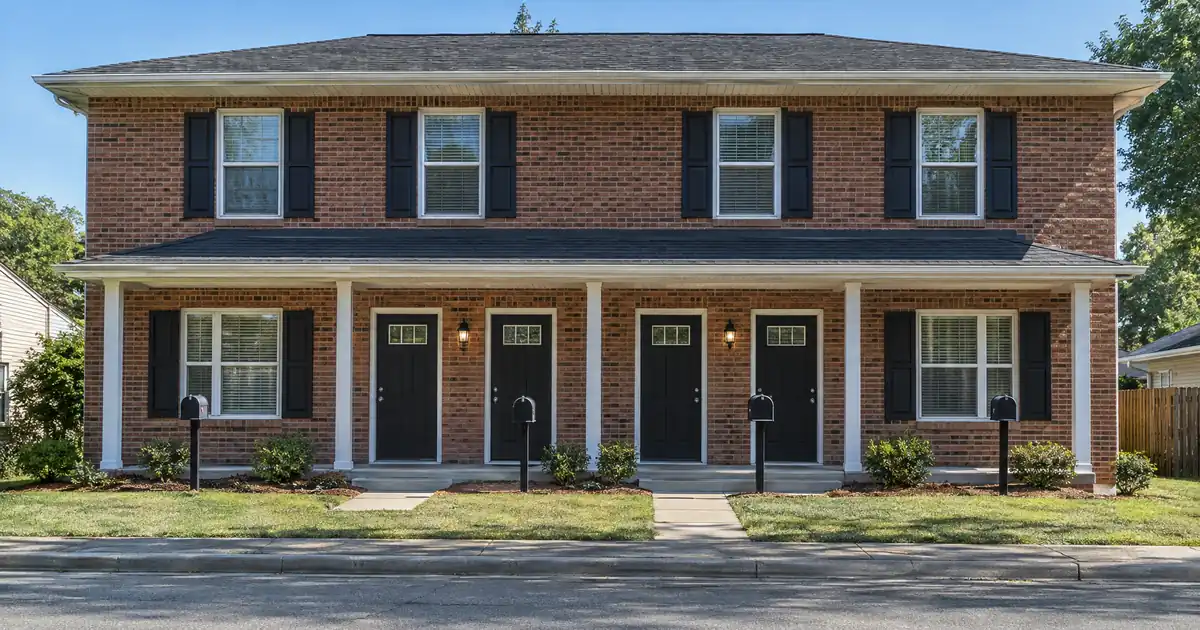
FHA lends on one-to-four-unit homes, but only when you live in one of the units. A duplex, triplex or fourplex qualifies as your primary residence if you occupy a unit. No occupancy, no FHA.
Across the wholesale programs Lendmire places FHA files with, the FHA cash-out refinance program reaches 80% loan-to-value (LTV) on a home you have owned and lived in for 12 months before the case number is assigned. LTV is the loan balance divided by the home’s appraised value. At 80%, your new loan can be at most four-fifths of the appraisal. That ceiling is the first thing to check.
Three more pieces shape the file:
- Mortgage insurance. FHA charges an upfront premium of 1.75% of the base loan, usually financed into the balance. It also charges an annual premium between 0.15% and 0.75% of the balance, depending on term, loan amount and LTV. On a thirty-year loan at or below 90% LTV, the annual premium ends after eleven years. Above 90%, it lasts the term.
- Ratios. The base pair is 31/43. That means housing costs up to 31% of income and total debts up to 43%. Documented compensating factors can stretch that to 40/50 at the top tier, and the automated finding governs most files.
- Rental income. On a 2-4 unit, rent from the other units can be part of qualification. Treat that as an underwriting question. How much counts depends on lender guidelines and full file review.
County loan limits apply, and they change every year. They scale up with unit count, which helps on multi-unit buildings. Check your county on HUD’s loan limit lookup before you assume anything.
Credit matters too. The wholesale programs start at a 580 decision score. Lower scores are outside what these programs reach. All of this is subject to lender guidelines. None of it is a commitment to lend.
Paying for Renovation on a 2-4 Unit Primary Home: What Cash-Out Can and Can’t Do
A cash-out can fund a renovation. The limits are in how it is sized and how it is controlled.
It sizes the loan on today’s value. The appraiser looks at your building as it stands. Planned improvements get no credit. You cannot borrow against the value the renovation will create. That gap is the reason renovation loans exist.
It has no draw schedule. You get the money at closing. Nobody inspects the work or releases funds in stages. That is freedom. It is also all the discipline and cost-overrun risk landing on you.
It does not shrink your costs. The cash you receive is what is left after the old mortgage is paid off, closing costs are covered and the upfront premium is financed. The 80% ceiling is not the cash in your pocket. Equity is never fully accessible. The CFPB’s guide to using home equity notes that no home-equity option lets you turn all of it into cash.
It resets your loan. A cash-out swaps your old mortgage for a new, larger one. The CFPB’s guidance says the monthly payment may rise and the payoff date may move out. Those are the mechanics of the product.
Repairs are a common use for this money. In a CFPB survey of cash-out borrowers, home repairs or new construction was the second most common reason, after paying off debts. A caution from the broker’s chair: rolling unsecured debts like credit cards into the same transaction turns short-term debt into debt secured by your home. Think about that before you stack it on top of a renovation.
One more catch. The appraiser may flag repairs that affect safety, soundness or livability. A cash-out does not let you simply close and promise to fix it later. Expect the lender to ask for those items to be handled according to its guidelines.
Cash-Out vs. 203(k): Side by Side
| Factor | FHA cash-out | 203(k) refinance |
|---|---|---|
| How money is released | Lump sum at closing | Escrow, released as work finishes |
| Spending rules | None on use of proceeds | Must be approved repairs |
| Appraisal basis | Current condition only | Built around the repair plan |
| Oversight | None | Work write-up, cost estimate, inspections |
| Best fit | Small or flexible projects | Major work or long scope |
| Occupancy | Primary residence, 12-month history | Owner-occupant |
The 203(k) comes in two versions. HUD describes them as Standard and Limited. Standard is for major rehabilitation. It has a minimum repair cost and requires an HUD-approved consultant. Limited is for lighter, non-structural work. It has a dollar cap on total rehab cost that HUD reviews each year, and a consultant is optional.
HUD also lists two- to four-family homes among the eligible property types. So the program fits your building. It does not fit an investor. HUD offers no path for a 2-4 unit you do not live in.
The process is more involved. You choose an FHA-approved lender. A consultant writes up the scope and costs. Bids go to the lender. The extra layers add cost and time, including consultant fees and a contingency reserve. In return you get one loan in place of separate construction financing.
If the work is not tied to a purchase or refinance at all, HUD points to its Title I Property Improvement Loan as a different tool.
Availability of the 203(k) varies by lender. Ask early whether your lender offers it.
A Worked Example in Percentages
Run the numbers on a modeled duplex. These are assumptions, not market data.
Say the appraisal comes in at 100% of value. Your current mortgage is 62% of that value. The 80% ceiling leaves 18 points of room.
That 18 points is not 18 points in your hand. Closing costs come out of it. The upfront premium of 1.75% is financed on the new loan, so it eats into the ceiling too. Call the usable figure something under 18% of value. Not all of that is yours to spend.
Now say the renovation budget is 20% of the building’s value. The cash-out cannot reach it. Not even close.
Change the picture. Say the budget is 8% of value, and you have a clean payment history and the occupancy seasoning. Now the cash-out covers it with a cushion. Same loan, different project.
That is the whole decision in one comparison. Check your payoff against the ceiling first. Then compare what is left to your budget.
Living There While the Work Happens
You have to keep living in the building. The 12-month occupancy history is a requirement for a cash-out, and 203(k) is built for owner-occupants.
A multi-unit makes this more interesting. Say you live in one unit and rent the other three. Work on one rental means one unit is empty for a while. That affects the income the lender counts. It also changes your own cash flow during the project.
On a 203(k), the loan can include a mortgage payment reserve. That is money set aside to make payments while the home cannot be lived in. On a multi-unit with occupied units, the reserve may cover only the part of the payment tied to the units that cannot be occupied. Ask the lender how it handles that.
A cash-out has no reserve. If a unit sits empty, you carry it from your own pocket.
Sequencing matters too. If you just bought the building, you may not yet meet the 12-month history for a cash-out. A 203(k) purchase loan can bundle buying and renovating in one step. A refinance later is a different question. HUD does not let you refinance an existing 203(k) until the repairs are complete and the case is closed out.
Wondering whether a high debt-to-income ratio rules you out? Lendmire’s piece, Can a 2-4 Unit Primary Home With a High DTI Get an FHA Cash-Out?, covers that question.
Which One Fits Your Project?
Choose the cash-out if:
- The budget is modest compared to the equity left after payoff.
- You are comfortable managing contractors and spending the money on schedule.
- You meet the 12-month ownership and occupancy history.
- The appraiser is unlikely to flag major repairs.
Choose a 203(k) if:
- The project is large, structural or spread across several units.
- You want funds released as work is completed.
- You are buying the building and want one loan for purchase and repairs.
- The home needs work the appraiser is likely to flag.
Look elsewhere if the work is small and not tied to a refinance. Another product may fit better. HUD’s Title I loan is one example.
Some uses are off the table even under a 203(k). HUD lists luxury items, improvements that do not become a permanent part of the property, and commercial-use additions among the ineligible uses.
Mistakes That Sink These Files
- Assuming 80% means 80% in cash. The ceiling is the loan amount, not your proceeds.
- Borrowing against the finished value. A cash-out does not credit it.
- Starting work before the loan closes. That can muddy the occupancy and appraisal picture.
- Ignoring the payment history. Missed payments on the current mortgage can derail a cash-out.
- Folding every debt into the refinance. Convenience can turn into more risk.
- Forgetting to count a vacant unit. Lost rent changes your cash flow and may change qualification.
Tax treatment can depend on your situation; borrowers should speak with a qualified tax professional before relying on any deduction or credit.
Key Terms Defined
Cash-out refinance: a new mortgage larger than your old one, where you receive the difference as cash.
203(k) loan: an FHA program that combines a purchase or refinance with repair money held in escrow.
Escrow: an account where a third party holds funds and releases them under set conditions.
LTV (loan-to-value): your loan balance divided by the home’s appraised value.
Upfront mortgage insurance premium: a one-time FHA charge, 1.75% of the base loan, usually financed into the loan.
Mortgage payment reserve: money set aside in a 203(k) to cover payments while the home cannot be occupied.
Frequently Asked Questions
Does FHA limit what I can spend cash-out money on?
No. FHA does not control use of proceeds on a standard cash-out. You can spend it on repairs or anything else. The tradeoff is that nobody monitors the work or releases the funds in stages.
Can I use a 203(k) if I already live in the building?
Yes. A 203(k) can refinance your current mortgage and add money for repairs. The money goes into escrow and is released as work is completed. You must live in the property as an owner-occupant, and the lender must offer the product.
Do I need an existing FHA loan to do an FHA cash-out?
No. The FHA cash-out can replace a non-FHA mortgage. You still need the 12-month ownership and occupancy history, the payment history and the credit and income to qualify. Subject to lender guidelines and full file review.
Does a cash-out hurt my credit?
Not always. The CFPB found scores jumped right after a cash-out refinance, then slipped gradually, and generally stayed above their pre-refinance levels. Your own result depends on your balances and payment habits.
What if I want to buy a 2-4 unit and renovate it right away?
Then the 203(k) purchase option is the one to look at, since an FHA cash-out needs 12 months of ownership first. Financing runs up to 96.5% with a 3.5% minimum investment at a decision score of 580 or higher on a standard FHA purchase. The 203(k) has its own guidelines, and the lender sets them.
If You’re Weighing Your Options
If you are weighing a cash-out refinance against keeping the loan you have, Lendmire can help you compare the programs and the equity each one reaches. Bring your payoff, your renovation budget and a sense of how many units you will keep occupied. Those three numbers drive the choice.
A fourplex with one unit under construction is a different borrower than the same fourplex fully rented. The right loan follows the project, not the other way around.
For your own numbers, request a scenario review with Lendmire.
About Lendmire
Lendmire is a mortgage brokerage (NMLS# 2371349) licensed for consumer mortgage lending in 16 states, arranging FHA, VA, conventional and jumbo purchase and refinance loans through a wholesale lending network. Eligibility is determined by the lender on each file. Scotsman Guide named Lendmire a Top Mortgage Workplace in both 2025 and 2026.
Get Started
Ready to find the right loan for you?
In about 30 seconds you can review financing options available for your home or investment property. No commitment required.
Informational only. Not a Loan Estimate, approval, or commitment to lend. Program availability and eligibility are subject to lender guidelines, credit approval, property review, and underwriting.
References
1. CFPB – Using home equity guide
2. CFPB survey of cash-out borrowers
3. HUD FHA Resource Center – What is the 203(k) Rehabilitation Mortgage Insurance Program
This article is part of Lendmire’s FHA cash-out refinance program — full qualification details, guidelines, and scenarios live on the program page.
Related reading: Can FHA Cash-Out Proceeds Fund a Condo Renovation? · Conventional vs FHA Cash-Out Requirements on a 2–4 Unit Primary Home · Does Rent Help Qualify a 2-4 Unit Primary Home for FHA Cash-Out?
Brandon Miller
Founder & CEO, Mortgage Loan Originator, Lendmire LLC
- Mortgage Loan Originator · NMLS# 1129696 · Verify on NMLS Consumer Access
- North Carolina Real Estate Broker · License# 343312 · Verify on NCREC
- North Carolina Insurance Producer · License# 19053198 · Property, Casualty, Life, Health · Verify on NAIC SBS
- Lendmire LLC · Firm NMLS# 2371349 · Verify firm licensure
Required disclosures. Lendmire (NMLS# 2371349) operates as a licensed mortgage broker, not a direct lender or depository. The discussion in this article is general in nature and should not be relied upon as financial, legal, or tax advice — every investment scenario is unique and should be reviewed by a qualified professional. Any loan inquiry is subject to lender underwriting, and this article is not a commitment to lend or a guarantee of approval. Mortgage rates, loan terms, and program guidelines vary by borrower, property, and state, and may change without notice. Equal Housing Opportunity. Verify licensure at NMLS Consumer Access.