
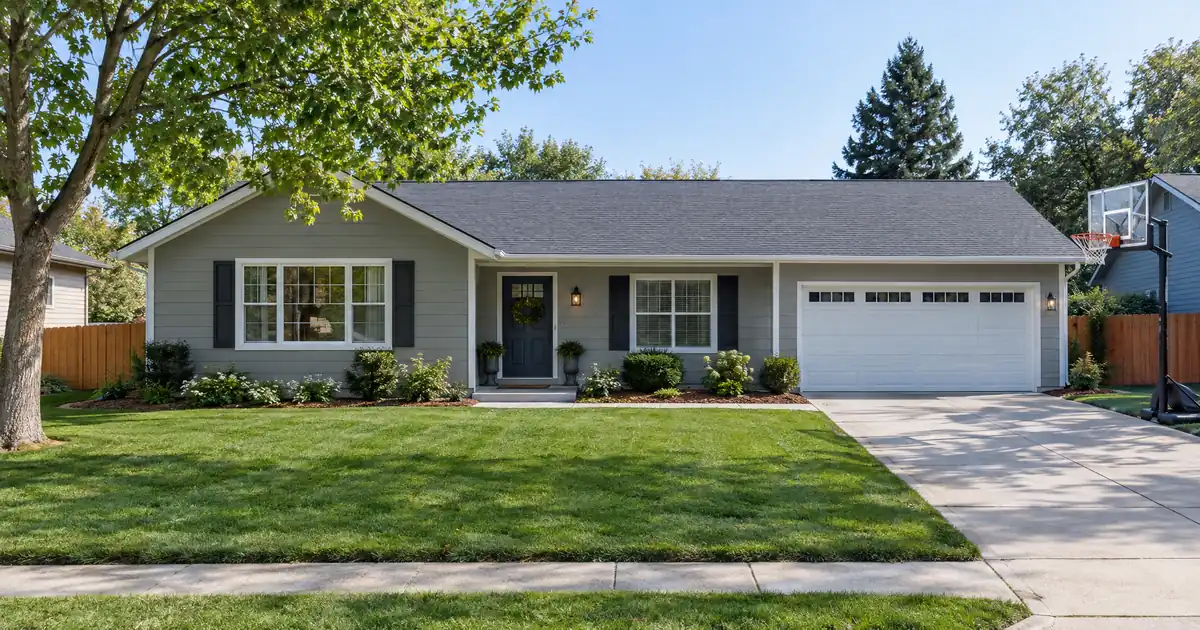
The Quick Read: Yes. The lender reviews your income, assets, employment, credit, and the payments on both homes. Limited cash-out is a different product, and it is still a full review with a tiny payout.
What Does “Full Underwriting” Actually Mean?
Full underwriting means the lender verifies your finances with documents instead of taking your word. Underwriting is the file review that decides whether a loan fits the program rules. On a second home, that review is complete.
Here is the sequence a typical file follows:
1. Occupancy is classified. The lender confirms the home is a second home, not a rental.
2. Income and employment are verified. You provide documents that match the application.
3. Assets and reserves are checked. Reserves are money left in the bank after closing.
4. Credit is pulled and reviewed.
5. Debts are counted. That includes the new loan, your primary home payment, and other obligations.
6. The home is appraised. A full appraisal is typical for a cash-out on a second home, and waivers are limited.
7. Title and the existing loan are checked against the seasoning rules covered below.
Across the wholesale programs Lendmire places files with, a second-home cash-out gets this same treatment. Nothing in that list is skipped for being a vacation property. If anything, the second-home label draws closer attention.
Is There a Streamline for a Second Home?
No. A streamline is a lighter refinance that exists only for loans already backed by the government, and it does not pay cash out.
- FHA Streamline requires an existing FHA loan. It skips the appraisal and does a limited credit review, but it must show a net tangible benefit. FHA cash-out itself is limited to principal residences, per HUD Handbook 4000.1.
- VA streamline refinance requires an existing VA loan. It carries a 0.5% funding fee unless you are exempt, and it allows no cash out. The VA’s streamline refinance page describes the program.
If you hold a conventional loan on the vacation home, neither product applies. Honestly, that is the end of the “lighter paperwork” road for this question.
Why Is the Documentation Required?
Federal law expects lenders to document your repayment-capacity. The federal consumer-finance regulator’s repayment-capacity rule bars most lenders from making a mortgage without a reasonable, good-faith determination that you can pay it back. Lenders must generally consider and document income, assets, employment, credit history, and monthly expenses.
That is why “easy” is not on the menu for a cash-out. You are borrowing more against a home you do not live in full time. The lender wants proof you can carry it.
How Is a Second Home Cash-Out Different From a Limited Cash-Out?
Both are fully underwritten. The difference is how much cash you take and how much leverage the program allows.
A limited cash-out, also called a rate-and-term refinance, pays off your existing first mortgage and closing costs. Only incidental cash comes back. Fannie Mae’s Announcement SEL-2025-08 caps that cash back at the greater of 1% of the new loan balance or $2,000. Go above the cap and the loan becomes a true cash-out.
| Factor | Limited cash-out | Cash-out |
|---|---|---|
| Cash back | Small, capped | Any amount within LTV |
| Second-home LTV (conventional) | Up to 90% | Up to 75% |
| Underwriting | Full | Full |
| Seasoning tests | Lighter | Stricter |
LTV, or loan-to-value, is the new loan as a percentage of the home’s appraised value. At a 75% cap, you must keep at least a quarter of the value in the home as equity. Compare that to a one-unit primary residence, where a conventional cash-out reaches 80%. Occupancy decides the leverage, and a second home gets the tighter number.
All figures are subject to lender guidelines and full file review.
What Do the Seasoning and Title Rules Say?
Seasoning is the waiting period between events, such as buying a home and refinancing it. For conventional cash-out, the Fannie Mae Selling Guide sets these tests:
- The first mortgage being paid off must be at least 12 months old, measured note date to note date.
- At least one borrower must have been on title for six months before the loan funds.
- A property that was listed for sale must be off the market on or before the disbursement date.
- On loans run through Fannie’s automated system with a debt-to-income ratio above 45%, six months of reserves are required.
Exceptions exist. Delayed financing covers homes bought with cash. Inheritance and legal-award situations are also treated differently. A bought-for-cash vacation cabin is the classic delayed-financing case.
What Does the Lender Review, Factor by Factor?
Five things decide the outcome: occupancy, equity, credit, debt-to-income, and reserves.
Occupancy
A second home is one unit that you occupy for part of the year. It must be suitable for year-round use, and you must control it. Rental pools and management-company control do not fit. Rental income generally cannot be used to qualify.
Fannie Mae warns that the pricing gap between occupancy types could tempt borrowers to misrepresent an investment property as a second home. So lenders watch for it. If the file looks like a rental, expect questions.
Equity and the appraisal
The LTV cap sets your ceiling. A full appraisal sets the value that cap applies to.
Credit
The wholesale conventional programs start at a 620 decision score, and the automated finding governs most files. A higher score generally helps your options. Waiting periods after credit events are agency rules: four years from a chapter 7 discharge, seven from a foreclosure, and four from a short sale or deed in lieu, with shorter periods for documented extenuating circumstances.
Debt-to-income
Debt-to-income, or DTI, is your total monthly debt divided by your gross monthly income. On an automated approval, the total ratio ceiling is 50%. Manually underwritten loans use 36% or 45%, with reserve and score factors from the Eligibility Matrix. Both homes’ payments count. Say you carry a mortgage on your primary home and add a new, larger loan on the cabin. The lender counts both, and the second one can tip your ratio.
If you rent your primary home, the lender verifies that payment through a third party.
Reserves
Lenders may require reserves, and a DTI above 45% on automated files triggers six months. Cash-out proceeds generally do not count as your cushion.
What Documents Will You Submit?
Expect a baseline set, then extras that depend on how you earn money.
| Borrower type | Typical documents | What the lender checks |
|---|---|---|
| Salaried | Pay stubs, W-2s | Stable, ongoing income |
| Self-employed | Traditional personal-income documentation, business records | Income that holds up over time |
| Retired | Benefit letters, account statements | Income and assets that continue |
| Variable pay | Longer pay history | Consistency of earnings |
Everyone also provides bank or asset statements, a mortgage statement for each home, and proof of insurance. The exact list varies by lender and program.
Is There Any Lighter-Documentation Route?
Not in the way most people hope. Some programs verify income differently, but none skips the ability-to-repay review. A bank-statement program, for instance, looks at deposits instead of traditional personal-income documentation. That is a different way of documenting income. It is not an exemption from documenting it.
Limited cash-out is the lightest conventional option, and it still reviews everything above. Streamlines cut paperwork but only for existing FHA or VA loans, and they give no cash.
If your goal is lighter underwriting, ask whether you truly need cash out. A limited cash-out refinance on a second home keeps the payout tiny and the leverage higher.
Who Sets the Rules: Agency or Jumbo?
Above the conforming limit, jumbo lenders write their own rules. The jumbo lanes Lendmire works with set a 660 decision score, leverage to 90%, loans to $5,000,000, and a 50% ratio ceiling on the fixed lanes. Those are rate-and-term figures, so a jumbo second-home cash-out may carry tighter caps. Underwriting is full either way.
Some products are barred outright. Fannie’s Eligibility Matrix does not permit cash-out refinances on second-home co-ops. It also restricts second homes and cash-out refinances with Community Seconds.
What Can Slow the File Down?
Most stalls come from mismatches, not rejections. A few common ones:
- Occupancy doubts. Signs of rental use prompt more documentation.
- Seasoning misses. A first mortgage under 12 months old, or a title under six months, can end a conventional cash-out before it starts.
- Mixed funds. Personal and rental money in one account makes income and asset tracing harder.
- Unexplained deposits. Large transfers need a paper trail.
- Unsold listing. An active listing must come off the market first.
Gather your statements and loan documents before you apply. As a consumer mortgage, the loan follows the Loan Estimate and Closing Disclosure process. Read both and compare the full terms.
Which Mistakes Cost Borrowers the Most?
- Assuming a limited cash-out is a streamline. It is not.
- Assuming a second home gets primary-home leverage. It does not.
- Calling a rented property a second home. That risks the whole loan.
- Ignoring the payment on your primary home. Both count.
- Counting on rental income to qualify. Second-home rules generally do not allow it.
Tax treatment can depend on your situation; borrowers should speak with a qualified tax professional before relying on any deduction or credit.
Frequently Asked Questions
Can I use a streamline refinance to take cash out of my vacation home?
No. Streamlines exist only for loans already insured by FHA or guaranteed by VA, and neither pays cash out. FHA cash-out is limited to principal residences. The VA IRRRL allows no cash out at all.
Is a limited cash-out refinance easier to qualify for?
It is not lighter paperwork. It is fully underwritten, with a credit and income review. What changes is the payout, which is tightly capped, and the leverage, which can reach higher on a second home than a true cash-out.
How much equity do I need to keep in a second home?
On a conventional cash-out, the leverage cap is 75%, so you keep at least 25% of the value in the property. A limited cash-out can reach 90% on a second home. Final limits depend on the program, lender guidelines, and the appraisal.
Can rental income help me qualify if I rent the home part of the year?
Generally no. Second-home rules do not allow rental income to qualify you, and rental pools or management control can disqualify second-home treatment. If you rent the property regularly, it may be classified as an investment property with different rules.
Will the lender count my primary mortgage too?
Yes. Your DTI includes the new loan on the second home and the payment on your primary residence, along with your other debts. That combined ratio is a major factor in the decision.
What Should You Decide Next?
If you are weighing a cash-out refinance against keeping the loan you have, Lendmire can help you compare the programs and the equity each one reaches. Lendmire’s cash-out refinance programs page outlines the options. Texas owners can see how homestead limits shape a second-home plan in Lendmire’s piece How Much a Texas Homestead Cash-Out Refinance Funds for a Second Home. Every program here is subject to lender guidelines and full file review, and nothing above is a commitment to lend.
Key Terms Defined
- Underwriting: The lender’s review of your income, assets, credit, and the property to decide if the loan fits program rules.
- LTV (loan-to-value): The loan amount as a percentage of the home’s appraised value.
- DTI (debt-to-income): Your total monthly debts divided by your gross monthly income.
- Seasoning: The waiting period between events, such as owning a home or opening a mortgage.
- Reserves: Money left in your accounts after closing.
- Limited cash-out refinance: A refinance that pays off the first mortgage and costs, with only a small, capped payout.
For your own numbers, request a scenario review with Lendmire.
About Lendmire
As a mortgage broker (NMLS# 2371349), Lendmire helps homeowners and home buyers in 16 states with FHA, VA, conventional and jumbo purchase and refinance loans arranged through wholesale lenders. Lendmire is never the lender; program terms are set by the lender and the agency guidelines. Scotsman Guide named Lendmire a Top Mortgage Workplace in both 2025 and 2026.
Get Started
Ready to find the right loan for you?
In about 30 seconds you can review financing options available for your home or investment property. No commitment required.
Informational only. Not a Loan Estimate, approval, or commitment to lend. Program availability and eligibility are subject to lender guidelines, credit approval, property review, and underwriting.
References
2. CFPB: What is the ability-to-repay rule?
3. Fannie Mae Announcement SEL-2025-08
4. Fannie Mae Selling Guide B2-1.3-03, Cash-Out Refinance Transactions
5. Fannie Mae Occupancy risk bulletin
6. Fannie Mae Eligibility Matrix
This article is part of Lendmire’s Refinance series — every loan program’s qualification details, guidelines, and scenarios live on the loan options page.
Related reading: How Lenders Count Retiree Reserves on a Second Home Cash-Out Refinance · Cash-Out Refinance Documents for a Revocable Trust Home · Cash-Out Refinance Rescission Rules for a Second Home
Brandon Miller
Founder & CEO, Mortgage Loan Originator, Lendmire LLC
- Mortgage Loan Originator · NMLS# 1129696 · Verify on NMLS Consumer Access
- North Carolina Real Estate Broker · License# 343312 · Verify on NCREC
- North Carolina Insurance Producer · License# 19053198 · Property, Casualty, Life, Health · Verify on NAIC SBS
- Lendmire LLC · Firm NMLS# 2371349 · Verify firm licensure
Legal disclosures. Lendmire (NMLS# 2371349) is a state-licensed mortgage brokerage that arranges financing through wholesale lender relationships. Lendmire is not a direct lender, depository institution, or registered financial advisor. The discussion above is general informational content about real estate financing — it is not financial, legal, or tax advice, and readers should consult licensed professionals for guidance on their individual circumstances. Loan inquiries are subject to lender underwriting; this article does not represent a commitment to lend. Loan terms, rates, and qualification standards vary by borrower, property, and state, and are subject to change at any time. Equal Housing Opportunity. NMLS Consumer Access: nmlsconsumeraccess.org.