
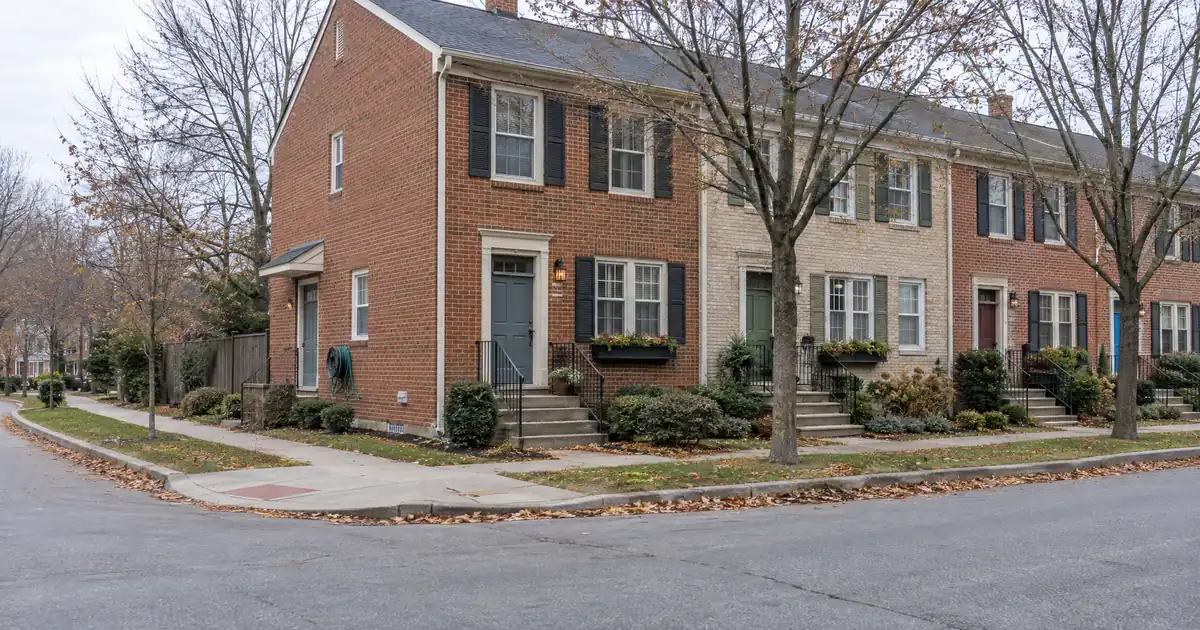
The Quick Read: A sale to a VA buyer works like any financed sale, with three added checkpoints. An appraiser checks value and basic condition. Seller concessions are capped. And the contract must carry a clause that protects the buyer if value falls short. Surprises come from not knowing those three, so plan for them up front.
Scope note: this piece is for sellers whose buyer uses a VA loan. If you are a veteran selling a home you financed with VA, entitlement and release of liability are different topics.
VA payment estimate
Starting assumptions reflect an example price with no down payment and a first-use funding fee. Replace them with your own figures.
Editable benchmark: 7.32% as of October 22, 2026 · Freddie Mac 30-year average via FRED®. A conventional market reference, not a VA loan quote.
Illustrative starting assumptions: a $350,000 price, no down payment with full entitlement, a first-use funding fee financed into the loan, a thirty-year term at the current Freddie Mac benchmark, and property taxes and insurance estimated at typical national rates. Every field is editable.
Illustrative estimate only — not a Loan Estimate, approval, quote, or commitment to lend. The rate field carries the weekly Freddie Mac thirty-year conventional benchmark, a market reference and not a VA loan quote; your rate is set by the lender at lock. The funding fee follows VA’s published table for the use and down payment entered; the residual-income figure is VA’s guideline for the region and family size, and the rough residual shown subtracts only the housing payment and the debts entered, while VA also deducts taxes, maintenance and utilities. Taxes, insurance and dues are editable estimates; closing costs are not included. Licensed in sixteen states for consumer mortgages. Lendmire is not affiliated with or acting on behalf of the Department of Veterans Affairs.
What actually changes when your buyer uses a VA loan?
Three things change: the appraisal is stricter on condition, the seller’s contribution has a ceiling, and a low value has a built-in escape route for the buyer. Everything else looks familiar. There is an offer, a contract, an inspection period if you agree to one, and a closing.
Here is why the mechanics matter. VA loan programs allow 100% financing with no down payment, as long as the price is not above the appraised value. That means many VA buyers have little cash cushion. If the appraisal comes in low, they cannot simply write a bigger check. So the appraisal is where deals wobble.
Your buyer’s eligibility is not your problem. The VA decides it through a certificate of eligibility, and the lender checks the buyer’s income and credit. Your job is the property and the paperwork. For a look at what the buyer is seeing on the other side of your contract, Lendmire’s piece How Much a First-Time VA Loan Buyer Saves Monthly Without PMI explains why these buyers can pay close to full price.
The VA buyer is a normal buyer with one extra referee. Respect the referee and the game goes fine.
Myth vs. reality
| What sellers hear | What is closer to true |
|---|---|
| The seller can give only 4% | Ordinary closing costs have no VA cap |
| 4% of the loan amount | 4% of the appraised value |
| VA inspects the house | An appraiser checks value and listed safety items |
| The seller must pay for termites | The contract decides who pays |
| A low appraisal kills the deal | It opens several paths |
| I can strike the VA clause | VA requires it; you can decline the offer instead |
What does the VA appraiser check?
The appraiser does two jobs. One is estimating market value from closed comparable sales. The other is checking the house against VA’s Minimum Property Requirements, or MPRs, which are basic standards for safety, soundness, and sanitation.
Think working systems and a sound structure, not looks. Typical flags include:
- A roof near the end of its life or actively leaking.
- Heating, plumbing, or electrical that does not work safely.
- Peeling paint on older homes, which can signal a hazard.
- Wood rot, standing water, or drainage trouble around the foundation.
- Evidence of wood-destroying insects, where the appraisal calls for an inspection.
Dated kitchens, tired carpet, and a bold wall color do not appear on that list. The appraiser is not grading taste.
Two clarifications save headaches. First, this is not a home inspection. A buyer who wants one chooses to order it. Second, the appraiser recommends repairs but does not dictate a fix-it list for every property. Only items that fail the standards get listed.
The appraisal report includes labeled photos of any MPR repair items, so you can see what was flagged and why. The VA Lenders Handbook chapter on the appraisal report also notes that VA sets no acreage limit and no fixed distance for comparable sales. Land and outbuildings are valued only for residential use, so a farm-style property gets no credit for crops, livestock, or commercial use.
Audit your house before you list
A pre-listing audit beats a mid-contract scramble. Walk the house in this order:
1. Roof and gutters. Look for missing shingles, stains on ceilings below, and water pooling near the foundation.
2. Heating, cooling, and water heater. Make sure each runs and none shows obvious safety trouble.
3. Electrical. Check for exposed wiring, dead outlets, and a panel that looks damaged.
4. Plumbing. Look for active leaks under sinks and around toilets.
5. Crawlspace or basement. Check for moisture, rot, and signs of insects.
6. Paint. On an older home, peeling or chipping paint is a likely flag.
7. Safety basics. Working smoke detectors and secure handrails help.
Then make a “skip it” list: cosmetic updates, new flooring for style, and staging touch-ups that do not affect function. Fix what could fail the standards. Leave the rest to the market.
A pre-listing inspection is optional but useful. It tells you what an appraiser might flag, and you can decide on your terms whether to repair or to price the issue in.
What does the timeline look like from your seat?
| Stage | Who acts | What you do |
|---|---|---|
| Contract | Buyer and seller | Confirm the VA clause is in. Settle repair language. |
| Appraisal ordered | Lender | Make the home accessible. Share a list of recent updates. |
| Value check | Appraiser | If value looks low, a short window may open for extra comps. |
| Notice of Value | VA appraiser | Read the value and any required repairs. |
| Repairs | Whoever the contract names | Complete repairs and keep receipts. |
| Concession check | Lender | Expect your credits to be totaled against the cap. |
| Closing | All parties | Confirm credits match the final numbers. |
Two notes on that table. The appraiser’s work may produce a Notice of Value (NOV), which is VA’s official statement of the home’s value and any required repairs. And the “short window” is often called the Tidewater process. If the appraiser expects a value below the contract price, the lender is notified and agents can submit additional comparable sales before the value is final. Ask the lender how it handles this step, since details vary.
Who pays for repairs, and how do you write that down?
The contract decides. Active infestation or damage must be resolved. For wood-destroying insect inspections and any treatment, VA now allows either party to pay, and it encourages the two sides to negotiate it. Confirm the current handling with the lender, because this is an area where older advice lingers.
You have three practical options:
- Seller repairs. You fix the item, and the buyer’s lender confirms completion.
- Buyer-paid repairs. The buyer takes on the cost, if the lender allows it and the contract says so.
- Price adjustment. You cut the price instead and let the buyer handle the work, within what the lender allows.
Write the repair responsibility into the contract before the appraisal, not after. A vague clause turns a small flag into a standoff.
The 4% rule: what counts as a concession?
This is the single most misunderstood point in a VA sale. The rule is narrower than most people think.
The seller, lender, or any other party may pay a buyer’s fees and charges. The one exception is excessive seller concessions, according to the VA Lenders Handbook chapter on borrower fees. A concession is anything of value the seller adds that the buyer pays nothing extra for and that the seller is not customarily expected to provide. Any concession, or combination of them, above 4% of the property’s reasonable value is excessive.
Three details change how you negotiate:
- The base is the appraised value. It is not the loan amount.
- Ordinary items sit outside the cap. Normal loan-related charges and the buyer’s regular closing costs do not count toward the 4%.
- Charges are judged against the market. If the market calls for a certain level of buyer-paid charges and a seller pays well beyond that, the excess is treated as concessions.
Things that do count include paying the buyer’s VA funding fee, prepaying the buyer’s taxes and insurance, gifts such as appliances, extra points for a permanent buydown, escrowed funds for a temporary buydown, and paying off the buyer’s debts. A reference copy of the same chapter lists these examples and explains the concern: concessions can disguise a veteran’s inability to qualify.
Temporary buydowns deserve a flag. A seller-funded buydown lowers early payments, but it counts as a concession. The buyer still qualifies at the full payment.
Some lenders set a cap stricter than VA’s. If a lender says the seller can give only a smaller amount, that is the lender’s own policy, not the VA chapter. Ask which one you are hearing.
Fees on the buyer’s side are limited too. Under VA’s loan fee rules, a lender may charge a flat fee of up to 1% of the loan in place of other origination costs not expressly allowed. That is why seller credits mostly land on permitted items.
What if the appraisal comes in low?
A low value does not end the deal. It starts a decision. Work down this list in order:
1. Ask about additional comps. If a short window is open, your agent can submit closed sales the appraiser missed.
2. Request a reconsideration of value. A Reconsideration of Value (ROV) is a written request, made through the lender, asking VA to revisit the value using better comps. It is not guaranteed.
3. Renegotiate the price. The loan cannot exceed the appraised value, so a cut is the cleanest fix.
4. Split the gap. Buyer and seller each give something. The buyer may cover the difference in cash.
5. Let the buyer cancel. The required VA clause lets the buyer walk away without losing earnest money if value falls under the price. The buyer may also proceed anyway.
You cannot remove that clause. You can decline an offer that includes it, but that is the same as declining a VA buyer, so weigh it carefully.
Three short scenarios
These are hypothetical and use percentages, not dollars.
A clean pass. Your home is in good repair and appraises at the contract price. The only item is a small safety note. You fix it, the lender signs off, and nothing else changes.
A flagged repair. The appraiser lists peeling exterior paint on an older home and a roof section near failure. You get a contractor quote, agree to fix the paint, and negotiate a price adjustment for the roof. The lender confirms completion, and the deal works on.
A low appraisal. Value lands a few percent under the price. Your agent submits two better comps, and the value stays low. You and the buyer agree to a modest price cut plus a smaller cash contribution from the buyer. Your total concessions stay well under 4% of the appraised value.
How do you compare a VA offer with other offers?
Look at four things: net proceeds, certainty, concessions, and repair exposure. A VA offer often brings strong price support because the buyer needs no down payment and pays no mortgage insurance. Against that, you carry appraisal risk and a concession cap.
Run each offer through the same net-proceeds math: price, minus agreed repairs, minus credits, minus your usual selling costs. A VA offer with clean condition and light credits can beat a higher cash offer with contingencies. A VA offer on a house with known roof problems may not.
An agent who has closed VA sales is worth having. They know how to word the repair clause and what to say when the value is borderline.
If you want to market toward VA buyers, think practical. Mention nearby bases, medical facilities, and commuter routes. State the home’s condition plainly. And price within a range the appraiser’s comps will support.
Key Terms Defined
Minimum Property Requirements: VA’s basic standards for safety, soundness, and sanitation that a home must meet.
Notice of Value (NOV): VA’s official statement of a home’s value and any required repairs.
Reasonable value: the value VA sets from the appraisal. The 4% concession cap is measured against it.
Seller concession: something of value the seller adds that the buyer does not pay for and that is not customary for a seller to provide.
Tidewater: the short window when agents or the lender can submit extra comps before a low value is final.
Reconsideration of Value (ROV): a written request asking VA to revisit a low value using better comparable sales.
Frequently Asked Questions
Is selling to a VA buyer riskier than selling to a conventional buyer?
Not by default. The added risks are appraisal results, required repairs, and the concession cap. A home in good repair, priced to its comps, faces little extra risk. Problems show up when the house has visible safety issues or the price rests on thin comparable sales.
Do I have to pay the buyer’s closing costs?
No. Paying them is a negotiation point, not a VA requirement. If you agree to pay ordinary closing costs, they do not count toward the 4% cap. Items that look more like gifts or debt payoffs do count, so ask the lender how each one is classified.
Can I refuse to make repairs the appraiser lists?
Yes, but the required items must be completed before closing for the loan to proceed. If you decline, the buyer may pay for them, the price may change, or the buyer may walk. Settle this in the contract rather than after the report.
Does a VA sale take longer?
It can, mainly because of the appraisal and any repair follow-up. A clean file moves much like any other financed sale. Ask the lender what its appraisal and review steps look like for your property.
What if my property is a condo?
The unit must be in a VA-accepted development. New developments also face a 70% pre-sale requirement, which must be met before the loan is guaranteed. Ask your listing agent whether your building is on VA’s list.
Next steps
If you are buying a home and want to see whether a VA loan fits your file, Lendmire can help you compare the options and what each one asks of the file. Program details are subject to lender guidelines and full file review, and nothing here is a commitment to lend.
For your own numbers, request a scenario review with Lendmire.
About Lendmire
Lendmire (NMLS# 2371349) is a mortgage broker licensed for consumer lending in 16 states. Lendmire arranges FHA, VA, conventional and jumbo purchase and refinance loans through wholesale lenders; every file is underwritten by the lender under the applicable program guidelines. Scotsman Guide named Lendmire a Top Mortgage Workplace in both 2025 and 2026.
Get Started
Ready to find the right loan for you?
In about two minutes you can review financing options available for your home or investment property. No commitment required.
Informational only. Not a Loan Estimate, approval, or commitment to lend. Program availability and eligibility are subject to lender guidelines, credit approval, property review, and underwriting.
References
1. VA: VA Pamphlet Vap26 Chapter Appraisal Report
2. VA Pamphlet 26-7 Ch. 8 Borrower Fees and Charges
3. eCFR 38 CFR Part 36 Subpart B
This article is part of Lendmire’s VA loan program — full qualification details, guidelines, and scenarios live on the program page.
Related reading: How to Refinance With a VA Loan as the Family of a Veteran · VA Loan Homeowners Insurance Requirements for a Home Purchase · Can a VA Loan Finance a Second Home or Investment Property?
Brandon Miller
Founder & CEO, Mortgage Loan Originator, Lendmire LLC
- Mortgage Loan Originator · NMLS# 1129696 · Verify on NMLS Consumer Access
- North Carolina Real Estate Broker · License# 343312 · Verify on NCREC
- North Carolina Insurance Producer · License# 19053198 · Property, Casualty, Life, Health · Verify on NAIC SBS
- Lendmire LLC · Firm NMLS# 2371349 · Verify firm licensure
Compliance and disclosures. Lendmire (NMLS# 2371349) is a licensed mortgage broker and is not a direct lender, depository institution, financial advisor, or tax professional. Content in this article is general market analysis and educational information — not financial, legal, or tax advice for any specific situation. Lendmire does not guarantee loan approval; every transaction is subject to underwriting by the funding lender. Mortgage pricing and loan program guidelines are subject to change at any time without notice and vary by borrower characteristics, property type, and state regulations. Lendmire complies with Equal Housing Opportunity. Licensure verification: NMLS Consumer Access.