
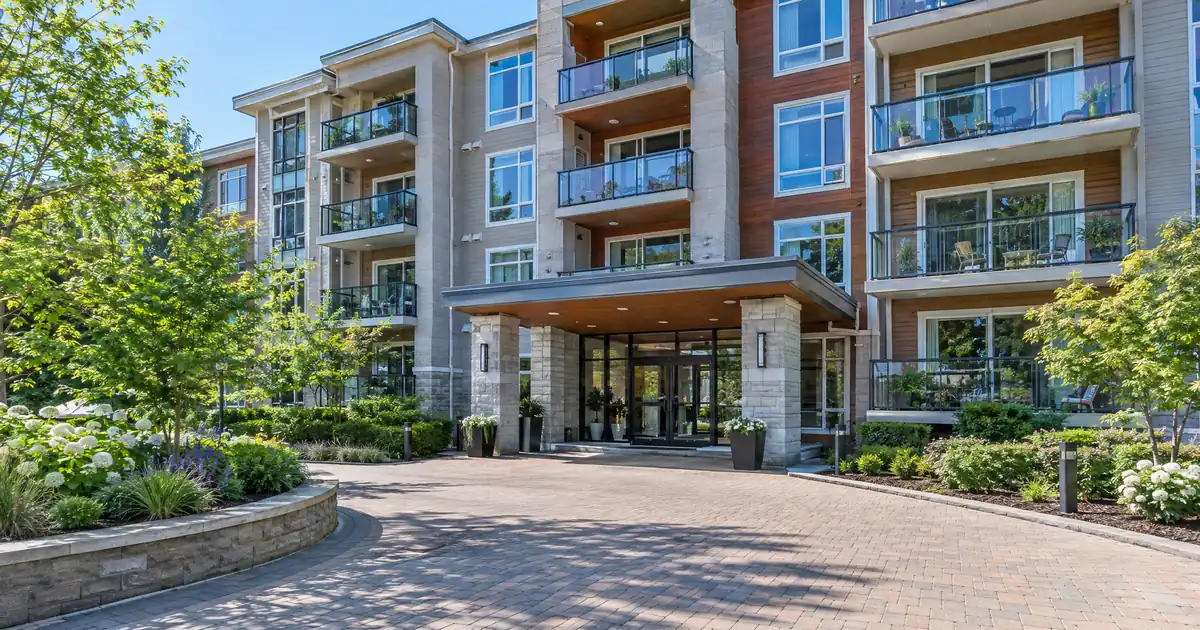
The Quick Read: VA does not publish a condo questionnaire form. The rule is that the condo project itself must be VA-approved, and the questionnaire is a tool the lender uses to check the project. That requirement is federal, so it is the same whether you close in a pricey coastal market or a cheap one. What changes from place to place is the cost and pace of the paperwork, not the rule.
Key Takeaways
- A VA cash-out on a condo requires an approved project, the same as a purchase does.
- The “questionnaire” belongs to the lender, not to VA, so the questions can differ from one lender to the next.
- No VA rule ties condo requirements to a state’s closing-cost level.
- The HOA or management company controls how long the questionnaire takes to come back.
- Cash-out is for a home you live in. Occupancy decides the leverage, and a second home or rental condo does not fit this program.
What Is the Condo Questionnaire, Really?
It is a lender’s due-diligence form, sent to your HOA or management company, covering things like insurance, litigation, reserves, and how many units are owner-occupied. VA does not require it by name. VA requires an approved project, and lenders use the questionnaire to confirm the project holds up.
Under 38 CFR 36.4360, the legal documents that establish a condominium project must be approved by the Secretary before VA guarantees a loan on a unit. The same section says the loan must also meet VA’s other guaranty rules. A condo or PUD that HUD or USDA has accepted may also be acceptable to VA, though the lender still has to confirm the project’s current standing.
Here’s the catch. Search results are full of percentage thresholds for the questionnaire, such as owner-occupancy ratios. No primary VA source sets one. Treat those numbers as lender or consultant guidance, and ask your loan officer which standards apply to your file.
Does a Cash-Out Refinance Trigger the Same Condo Rules as a Purchase?
Yes. The project-approval rule applies to refinances as well as purchases. Cash-out adds weight because it requires a VA appraisal and full underwriting, so project and appraisal problems matter more than they would on a streamline.
Across the wholesale programs Lendmire places VA files with, the VA cash-out refinance program reaches up to 100% of the appraised value, including the financed funding fee. It refinances any loan type into VA and carries a net tangible benefit test and seasoning requirements. Those figures are subject to lender guidelines and full file review. Meanwhile the condo has to clear its own gate before any of that matters.
The VA Home Loan Guaranty Buyer’s Guide says VA keeps a list of approved condos. If your project is not on it, the project must be submitted to VA for review. The guide also makes an appraisal mandatory on cash-out refinances, with a VA-approved appraiser setting reasonable value and the Notice of Value (NOV) coming from that appraisal.
How Does the Process Work, Step by Step?
The sequence runs the same way on most files, and it helps to know who owns each step.
1. Occupancy check. The home must be your primary residence. Cash-out is not available on a second home or an investment condo.
2. Project status lookup. The lender checks VA’s condo listing. If the project is approved, the deal works on. If it isn’t listed, the project has to be submitted to VA, or the lender looks at whether a HUD or USDA acceptance may carry over.
3. Lender questionnaire. The lender sends its HOA or condo questionnaire to the management company. This is the lender’s diligence, even on an approved project.
4. Appraisal. The appraiser reviews the unit and project against VA’s minimum property requirements. The result is the NOV, which carries the condo conditions.
5. Underwriting. Credit, residual income, and the NOV conditions all get cleared. Residual income is the controlling test, and the 41% debt-to-income figure is a guideline, not a cap. HOA dues count in your housing expense.
The wholesale programs Lendmire works with start at a 580 decision score, and the certificate of eligibility from VA decides whether you qualify as a borrower. Those are the program’s lending criteria, separate from the condo’s.
Who Does What?
| Party | Main job |
|---|---|
| Borrower | Provides the COE, occupancy, and income documents; follows up with the HOA |
| Lender | Checks project status, orders the questionnaire, clears NOV conditions |
| HOA or management company | Completes the questionnaire and supplies project documents |
| VA | Approves the project and its legal documents |
| Appraiser | Values the unit and notes project issues |
Per Chapter 16 of the VA Lenders Handbook, the lender is responsible for making sure the requirements are met on every VA loan. To get a project approved, the lender or sponsor sends VA a written request and a copy of the organizational documents. VA reviews them and notifies the requester.
What Does the Questionnaire Usually Cover?
VA does not set a standard form, so content varies by lender. Most cover the same ground, and each topic tells the lender something different.
| Topic | What it reveals |
|---|---|
| Insurance coverage | Whether the building is adequately protected |
| Litigation | Whether the HOA faces legal exposure |
| Reserves and budget | Whether the HOA can pay for repairs |
| Owner-occupancy mix | How stable and residential the project is |
| Delinquent dues | Whether owners are keeping up with assessments |
| Commercial space | Whether non-residential use affects unit values |
The appraisal report has to include any commercial or other non-residential ownership interests and their impact on the residential units’ value. That is one reason the questionnaire and the appraisal point at the same issues from two directions.
(One more point on professional management: VA has no requirement for it, so a self-managed HOA is not an automatic problem.)
Where Do High-Cost Closing States Fit In?
They don’t change the condo rule. No VA source ties condo requirements to a state’s closing-cost level. The project-approval requirement is federal and identical everywhere.
What does vary is cost and logistics. In markets where closing costs run high, the VA appraisal, any HOA paperwork charge, and the funding fee can add up differently than elsewhere. No verified figure exists for the HOA questionnaire fee, so ask for one. Ask your loan officer for an itemized estimate early, and compare it against your Loan Estimate and Closing Disclosure, which apply to this consumer loan.
The VA funding fee on a cash-out is 2.15% for first use and 3.3% for subsequent use, and it is waived for veterans receiving compensation for a service-connected disability and other exempt groups. It can be financed. Financing it raises the balance, which matters if you are already near the 100% ceiling. A high-cost market with a large HOA charge and a financed fee eats into the net cash you actually receive.
Lendmire’s piece Jumbo Cash-Out Refinance Requirements in High-Cost Closing States covers how those markets shape large-balance refinances, which is a separate question from condo approval.
When Does the General Rule Break?
Several edge cases change the picture.
- Unapproved project. VA’s submission process applies, and it can take months according to one attorney’s commentary. That source is a law-firm blog and dates from some time ago, so read it as a general warning, not a schedule. For a cash-out borrower, an unapproved project can stall or block the loan no matter how strong your credit and equity are.
- PUDs. Only condos need VA project approval. A PUD does not, though lot and unit title and lien requirements still apply, and a lender may run an HOA questionnaire on a PUD as its own overlay.
- New or proposed projects. Presale, construction warranty, and building code rules apply under VA’s appraisal regulation and they differ from resale condos.
- Horizontal condominiums. VA’s single-family construction policies also apply.
- Lapsed standing. A project’s status must be current at closing, so confirm it again if time has passed since your first lookup.
- Single-unit approval. Some lender-written sources describe a one-unit approval path. VA’s own sources reviewed here do not confirm it, so don’t count on it. Ask your lender directly.
What If the HOA Stalls?
Management companies answer on their own schedule, and nothing in VA’s primary rules sets a deadline. That makes the HOA the most common source of delay on a condo cash-out.
The practical moves are simple. Ask your loan officer to send the request as soon as the file is open. Contact the management company yourself to confirm who handles lender requests and what they charge. Then ask whether your lender will accept the project’s existing approval documentation while the questionnaire is outstanding. If the HOA won’t respond at all, your loan officer can tell you whether a different lender’s requirements fit better, since overlays differ.
What Does the Decision Look Like in Practice?
Picture a veteran who owns a condo as a primary residence and wants to pull equity out. The first question is not about credit. It is whether the project is on VA’s approved list. If it is, the questionnaire is mostly a formality that the HOA needs to return. If it isn’t, the question becomes whether to start a project approval that could take a long time, or to consider a different loan type.
If the condo clears, the next question is whether the cost of VA cash-out, including the funding fee and any HOA charge, fits the equity you need. Compare that against keeping your current loan, and against an IRRRL if your existing loan is already VA. An IRRRL needs no VA appraisal and carries a 0.5% fee unless exempt, so it avoids most condo review. It does not pull cash out, though.
Tax treatment can depend on your situation; borrowers should speak with a qualified tax professional before relying on any deduction or credit.
If you are weighing a cash-out refinance against keeping the loan you have, Lendmire can help you compare the programs and the equity each one reaches.
Key Terms Defined
Notice of Value (NOV): the document VA issues from the appraisal that sets reasonable value and lists conditions the lender must clear.
Residual income: the money left each month after major obligations, which is VA’s controlling underwriting test.
Funding fee: a VA charge that can be financed into the loan and is waived for exempt borrowers.
Certificate of eligibility (COE): the VA document that confirms you qualify for the benefit.
PUD: a planned unit development, where you own the lot and unit and don’t need VA project approval.
IRRRL: VA’s streamline refinance of an existing VA loan, with no VA appraisal.
Frequently Asked Questions
Is there an official VA condo questionnaire I have to fill out?
No VA form was found in the primary sources. VA’s rule is that the condo project must be approved. The questionnaire is the lender’s own tool, so its questions and format can differ from lender to lender.
Do condo rules change in a high-cost closing state?
No. The condo project rules come from federal regulation and apply the same way everywhere. What changes is the cost of the appraisal, HOA paperwork, and closing, so get an itemized estimate early.
Is a VA cash-out on a condo easier than a purchase?
No. The same project-approval rule applies to both. Cash-out also requires a VA appraisal and full underwriting, so problems with the project or the unit can surface at more than one step.
Can I use VA cash-out on a condo I rent out?
No. The program is for a home you occupy as your primary residence. Occupancy decides the leverage, so a second home or rental condo does not fit.
Does VA require a professional HOA manager?
No. VA has no requirement for professional management of condominiums. A self-managed association is not automatically disqualifying, though a lender may still look closely at how it operates.
For your own numbers, request a scenario review with Lendmire.
About Lendmire
Lendmire (NMLS# 2371349) is a mortgage brokerage serving homeowners and home buyers in 16 states. FHA, VA, conventional and jumbo purchase and refinance loans are arranged through wholesale lending channels; Lendmire brokers the financing and the lender underwrites each application. Scotsman Guide named Lendmire a Top Mortgage Workplace in both 2025 and 2026.
For the program’s current guidelines, see VA loan programs.
Get Started
Ready to find the right loan for you?
In about 30 seconds you can review financing options available for your home or investment property. No commitment required.
Informational only. Not a Loan Estimate, approval, or commitment to lend. Program availability and eligibility are subject to lender guidelines, credit approval, property review, and underwriting.
References
2. VA Home Loan Guaranty Buyer’s Guide
3. VA Pamphlet 26-7, Chapter 16
This article is part of Lendmire’s VA Loans series — every loan program’s qualification details, guidelines, and scenarios live on the loan options page.
Related reading: How Much a VA Jumbo Cash-Out Releases on a High-Value Home · VA Cash-Out vs Jumbo Cash-Out for a Veteran With a High-Value Home · VA Cash-Out DTI Requirements for a 2-4 Unit Primary Home
Brandon Miller
Founder & CEO, Mortgage Loan Originator, Lendmire LLC
- Mortgage Loan Originator · NMLS# 1129696 · Verify on NMLS Consumer Access
- North Carolina Real Estate Broker · License# 343312 · Verify on NCREC
- North Carolina Insurance Producer · License# 19053198 · Property, Casualty, Life, Health · Verify on NAIC SBS
- Lendmire LLC · Firm NMLS# 2371349 · Verify firm licensure
Legal disclosures. Lendmire (NMLS# 2371349) is a state-licensed mortgage brokerage that arranges financing through wholesale lender relationships. Lendmire is not a direct lender, depository institution, or registered financial advisor. The discussion above is general informational content about real estate financing — it is not financial, legal, or tax advice, and readers should consult licensed professionals for guidance on their individual circumstances. Loan inquiries are subject to lender underwriting; this article does not represent a commitment to lend. Loan terms, rates, and qualification standards vary by borrower, property, and state, and are subject to change at any time. Equal Housing Opportunity. NMLS Consumer Access: nmlsconsumeraccess.org.