
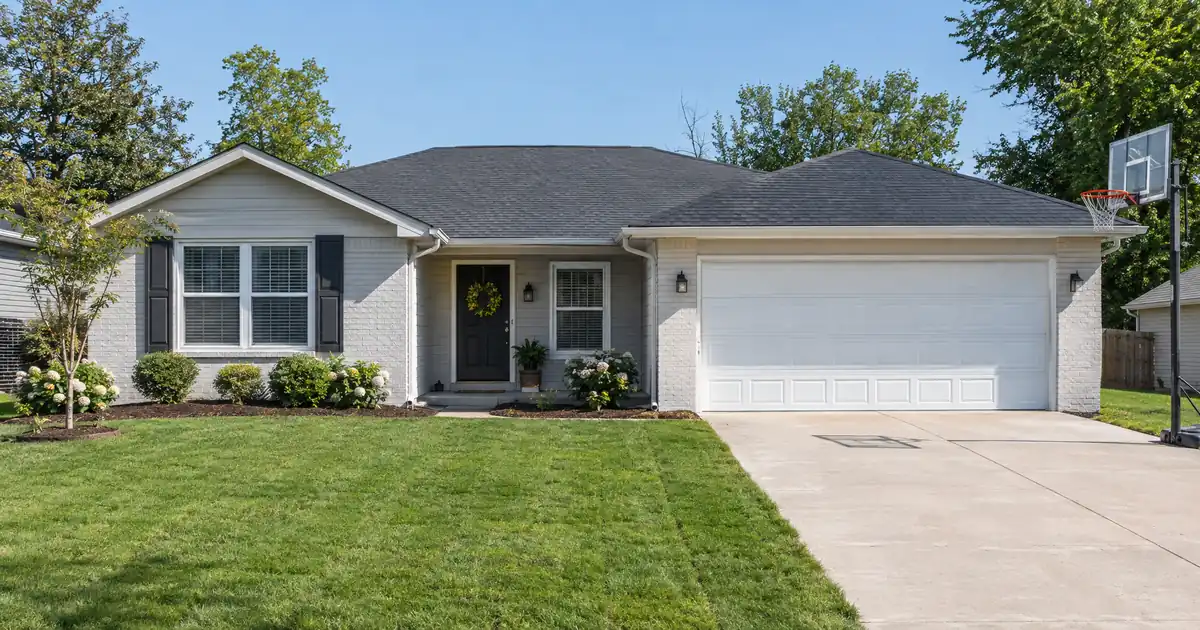
The Quick Read: A married retiree can usually take a VA cash-out loan in their own name and leave the spouse off the note. Where the spouse still matters is the state. In a community property state, the lender has to consider the spouse’s monthly debts even though the spouse is not borrowing. In other states, the spouse’s debts are generally left out of the analysis, though the spouse may still sign title or lien documents.
Can Your Spouse Stay Off a VA Cash-Out Loan?
Yes, in most cases. The VA loan is built around the Veteran, not the household. A spouse who is not borrowing does not have to be on the loan.
Federal credit law generally bars a lender from asking about, or weighing, the credit and liability of a spouse who will not be obligated on the loan. Two exceptions matter here. One is when the Veteran relies on alimony, child support, or maintenance from that spouse. The other is a community property state. These points come from the VA Lenders Handbook (VA Pamphlet 26-7), which governs how lenders underwrite VA loans.
Across the wholesale programs Lendmire places VA files with, the spouse question is one of the first things a loan officer sorts out on a married retiree. It decides whose debts go on the worksheet. It also decides whether the file needs a second set of documents.
The VA cash-out refinance program itself is the same either way. It reaches up to 100% of the appraised value, including the financed funding fee. It can refinance any loan type into a VA loan, including a conventional or FHA mortgage.
Key Terms Defined
Non-borrowing spouse: A spouse who is not signing the note and is not personally obligated to repay the loan.
Community property state: A state where most assets and debts acquired during marriage belong to both spouses. The commonly cited list is Arizona, California, Idaho, Louisiana, Nevada, New Mexico, Texas, Washington, and Wisconsin. Confirm your state with your lender.
Residual income: The money left each month after the housing payment, debts, taxes, and set living costs. It varies by family size and region, and it is the controlling test on a VA loan.
Debt-to-income (DTI): Monthly debts divided by monthly income. The 41% figure is a guideline, not a cap.
Certificate of eligibility (COE): The VA document that confirms the Veteran qualifies for the benefit.
Security instrument: The mortgage or deed of trust that puts the lien on the home. It is separate from the note, which is the promise to repay.
Borrower, Co-Borrower, Non-Borrowing Spouse: What Each Role Means
Three roles get mixed up. They carry different legal weight.
| Role | On the note? | Income counted? | Debts counted? |
|---|---|---|---|
| Veteran borrower | Yes | Yes | Yes |
| Spouse as co-borrower | Yes | Generally yes | Yes |
| Non-borrowing spouse | No | Varies by lender | Only where the rules require |
A co-borrower shares the repayment obligation. Their credit is pulled, and their income can help the file, but their credit also affects it. A non-borrowing spouse is outside the note. Their role depends on state law and what the lender is allowed to consider.
VA does not treat a non-occupant co-signer the way conventional programs sometimes do. The loan is for the Veteran’s occupancy, so adding a friend or relative who will not live there is not the workaround people expect.
Does Your State Change the Rules?
It does, and it is the single biggest variable on this topic.
In a state that is not a community property state, a married Veteran can take the loan in their own name without regard to the spouse’s debts. The spouse’s car loan, cards, and other obligations stay off the Loan Analysis worksheet (VA Form 26-6393).
In a community property state, the lender must consider the non-purchasing spouse’s debts. Their monthly debt payments go on the Loan Analysis and count in both DTI and residual income. The spouse’s credit may be reviewed for this purpose. One related detail from the handbook: the CAIVRS federal delinquency screening is not required for non-purchasing spouses in community property states.
Here is the misconception to correct. Leaving the spouse off the note does not hide their credit in a community property state. The spouse is not a borrower, but their debts still count against the Veteran’s qualifying picture.
Texas, California, and Washington are among the states where Lendmire’s consumer lending is licensed and where this rule can come up. Lendmire’s piece VA Cash-Out Rules for a Texas Homestead Paying Off a Non-VA Loan covers a related Texas wrinkle.
What the Lender Looks At: Credit, Debts, Income
Treatment differs by item. The table shows the general pattern. How a spouse’s income is treated can vary by lender, so confirm the specifics with the lender before assuming anything.
| Spouse item | Non-community property state | Community property state |
|---|---|---|
| Credit and liabilities | Generally not considered | Considered |
| Monthly debt payments | Left out | Added to Loan Analysis |
| Spouse’s own income | Not counted unless spouse signs | Treatment can vary by lender |
The asymmetry catches people. Debts can count against you when income does not count for you. That is why a retiree with a modest pension and Social Security, and a spouse with car and card payments, can end up with a thinner file than expected.
How the Loan Is Underwritten, Step by Step
The path is the same for any VA cash-out. The spouse question changes what goes into step three.
1. Confirm eligibility. The retiree obtains or confirms the COE. It can come through the lender, VA.gov, or by mail, per VA’s home loans page.
2. State the spouse’s role. The lender asks whether the spouse will sign the note. If not, the lender asks only what the law allows. In a community property state, that can include the spouse’s debts.
3. Document the Veteran’s income. The lender needs stable, reliable income. For a retiree that is typically a pension, Social Security, retirement distributions, or VA disability compensation. Expect award letters and statements.
4. Run residual income and DTI. Residual income is the controlling test. The 41% DTI figure is a guideline. A ratio above it needs residual income well above the table. The CFPB’s VA home loan handout describes compensating factors lenders look for in that case, such as excellent credit history, long-term employment, and significant savings.
5. Order the appraisal. All VA cash-out loans require an appraisal, per the VA Buyer’s Guide. The lender orders it from a VA-approved appraiser, and it sets the reasonable value.
6. Meet seasoning and net tangible benefit. The VA cash-out carries seasoning of the later of 210 days from the first payment and the 6th payment, plus a net tangible benefit.
7. Close as a first lien. The Veteran must own the home, and the new loan must be a first lien. The funding fee is reviewable. Because this is a consumer mortgage, the borrower receives a Loan Estimate and a Closing Disclosure.
What Your Spouse Still Signs
Signing is not the same as borrowing. This is the point that confuses most couples.
A non-borrowing spouse may be asked to sign the security instrument, or a waiver or acknowledgment, so the lien attaches cleanly to the home. That signature is about title and property rights. It does not make the spouse liable on the note.
Whether a signature is required depends on state law, homestead rules, and whether the spouse is already on title. Homestead and community property laws can change closing mechanics, so ask a title or escrow professional what applies. If a spouse who is on title refuses to sign, expect the file to stall until the title issue is cleared.
A Retiree Scenario, No Dollars
Picture a retired Veteran in a community property state. Income is a pension, Social Security, and VA disability compensation. The spouse has a car loan and two credit cards, plus their own small retirement income.
Without the spouse’s debts, the file shows comfortable residual income. With them added, DTI rises past the 41% guideline and residual income shrinks. The lender then looks at whether residual income sits well above the table and whether compensating factors exist.
The same couple in a non-community property state would see the spouse’s debts left off. The Veteran’s income alone carries the file.
Two levers matter. One is paying off or restructuring the spouse’s debts before applying. The other is adding the spouse as a co-borrower, which brings in their income but also exposes the loan to their credit. Neither is always better. Excluding the spouse can be worse if their income would have helped residual income.
Leave the Spouse Off, or Add Them?
| Choice | Upside | Trade-off |
|---|---|---|
| Spouse off the note | Credit stays separate in most states | Veteran’s income carries the file |
| Spouse as co-borrower | Their income can help | Their credit and debts affect the file |
This is a real toss-up on many files. A spouse with strong credit and steady retirement income may help. A spouse with thin credit or heavy debt usually does not.
Where the General Rule Breaks
Spouse income. Treatment of a spouse’s income depends on the lender and the loan. Some lenders may count reliable, voluntarily provided spousal income as an offset, while others do not count it unless the spouse signs. Confirm the specific treatment with the lender instead of assuming one rule.
Surviving spouse. VA’s Buyer’s Guide says a surviving spouse who was not on the Veteran’s loan can only do a cash-out refinance, after qualifying as a surviving spouse. A surviving spouse who obtained a VA loan with the Veteran may qualify for the interest rate reduction refinance (IRRRL), per VA’s eligibility FAQ. Lendmire’s piece VA Cash-Out Occupancy Rules for a Surviving Spouse goes further.
The IRRRL is different. The IRRRL refinances an existing VA loan with no cash out and no VA appraisal, carries a 0.5% fee unless exempt, and requires a net tangible benefit. The original obligors generally need to match on the new loan. That is not the cash-out spouse analysis above.
Occupancy. A VA cash-out is for the Veteran’s occupancy. Once the Veteran is retired, a spouse’s occupancy does not stand in for it.
No existing VA loan needed. A non-VA loan can be refinanced into VA, per the CFPB handout.
What It Costs and What It Resets
A cash-out resets the payment and the term. For a retiree on fixed income, that matters more than the cash itself.
The VA funding fee is reviewable. On a cash-out it is 2.15% for first use and 3.3% for subsequent use. It is waived for Veterans receiving compensation for a service-connected disability, which many retirees do. Other exempt groups exist too. There is no mortgage insurance on a VA loan. Appraisal and standard closing costs also apply. Program figures are subject to lender guidelines and full file review.
VA also warns about misleading refinance offers, such as claims that you can skip payments, per VA housing assistance. Treat anything like that as a red flag.
Tax treatment can depend on your situation; borrowers should speak with a qualified tax professional before relying on any deduction or credit.
Checklist Before You Apply
1. Pull your COE, or confirm it with the lender.
2. Find out whether your state is a community property state.
3. List your spouse’s monthly debts, even if they will not be on the loan.
4. Gather award letters for pension, Social Security, and VA compensation.
5. Decide whether a co-borrower structure would help or hurt.
6. Ask a title or escrow professional what your spouse will need to sign.
7. Confirm the home is your primary residence.
Frequently Asked Questions
Does my spouse have to sign a VA cash-out refinance if they are not on the loan?
It depends on state law and title. A non-borrowing spouse may sign a security instrument or waiver so the lien attaches, but that does not make them liable on the note. Ask a title professional what your state requires.
Will my spouse’s debts count if they are not borrowing?
In a community property state, yes. The lender adds the spouse’s monthly debt payments to the Loan Analysis, and they count in DTI and residual income. In other states, they generally stay off.
Does my spouse’s income help if they are not on the loan?
Not reliably. Lender treatment varies. Some lenders count voluntarily provided, verifiable income as an offset, and others do not unless the spouse signs. Ask the lender before relying on it.
Is there a minimum credit score for a VA cash-out?
VA sets none. Lenders set their own floors. The wholesale programs Lendmire places VA loans with start at a 580 decision score, subject to lender guidelines and full file review.
How much equity can I take out?
A VA cash-out can reach 100% of the appraised value, including the financed funding fee. Some lenders set a lower cap, so the equity you can reach depends on the program.
If you are weighing a cash-out refinance against keeping the loan you have, Lendmire can help you compare the programs and the equity each one reaches. Nothing here is a commitment to lend.
For your own numbers, request a scenario review with Lendmire.
About Lendmire
Lendmire (NMLS# 2371349) is a mortgage brokerage serving homeowners and home buyers in 16 states. FHA, VA, conventional and jumbo purchase and refinance loans are arranged through wholesale lending channels; Lendmire brokers the financing and the lender underwrites each application. Scotsman Guide named Lendmire a Top Mortgage Workplace in both 2025 and 2026.
Get Started
Ready to find the right loan for you?
In about 30 seconds you can review financing options available for your home or investment property. No commitment required.
Informational only. Not a Loan Estimate, approval, or commitment to lend. Program availability and eligibility are subject to lender guidelines, credit approval, property review, and underwriting.
References
3. VA Home Loan Guaranty Buyer’s Guide
4. VA Home Loan Eligibility FAQ
This article is part of Lendmire’s VA Loans series — every loan program’s qualification details, guidelines, and scenarios live on the loan options page.
Related reading: VA Cash-Out Rules for a Texas Homestead Paying Off a Non-VA Loan · How to Refinance Into a VA Cash-Out on a 2-4 Unit Primary Home · VA Cash-Out Occupancy Rules for a Surviving Spouse
Brandon Miller
Founder & CEO, Mortgage Loan Originator, Lendmire LLC
- Mortgage Loan Originator · NMLS# 1129696 · Verify on NMLS Consumer Access
- North Carolina Real Estate Broker · License# 343312 · Verify on NCREC
- North Carolina Insurance Producer · License# 19053198 · Property, Casualty, Life, Health · Verify on NAIC SBS
- Lendmire LLC · Firm NMLS# 2371349 · Verify firm licensure
Compliance and disclosures. Lendmire (NMLS# 2371349) is a licensed mortgage broker and is not a direct lender, depository institution, financial advisor, or tax professional. Content in this article is general market analysis and educational information — not financial, legal, or tax advice for any specific situation. Lendmire does not guarantee loan approval; every transaction is subject to underwriting by the funding lender. Mortgage pricing and loan program guidelines are subject to change at any time without notice and vary by borrower characteristics, property type, and state regulations. Lendmire complies with Equal Housing Opportunity. Licensure verification: NMLS Consumer Access.