
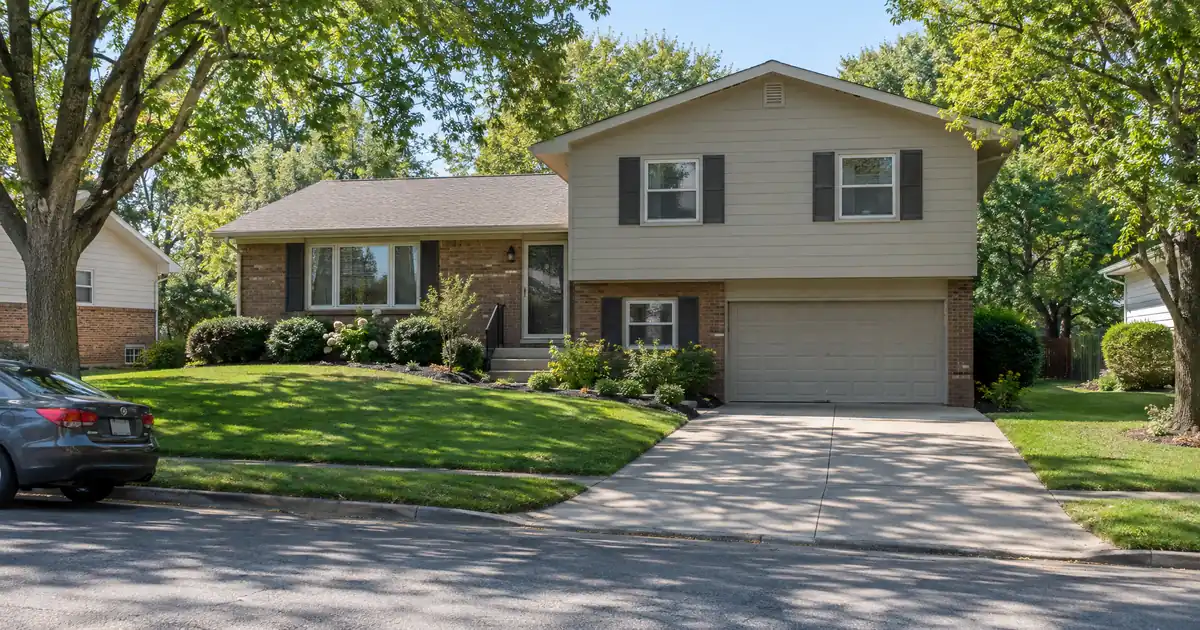
The Quick Read: On a DSCR investor loan, underwriting looks at four things: whether the property’s rent covers its full monthly payment, whether the borrower’s credit holds up, whether there is enough equity and cash in reserve, and whether the property itself is eligible. No single number decides it. The combination does, and each file is reviewed individually, subject to lender guidelines.
The rest of this article walks through how that review works, where the exceptions sit, and what an investor can do before submitting a file.
DSCR Calculator
Run the numbers in your market
Rate source: Freddie Mac 30-yr average via FRED® — Federal Reserve Bank of St. Louis · effective Sep 24, 2026
Prefilled with starting assumptions — enter your own rent or nightly figures, taxes, insurance, and HOA for a more accurate picture.
Program parameters update from Lendmire’s centralized guideline source. Taxes and insurance are editable estimates.
As of Sep 24, 2026 · General Freddie Mac market benchmark, not a Lendmire loan offer. Rent, nightly rate, occupancy, taxes, and insurance are editable estimates. Short-term rental figures are estimates only and vary significantly by season, property type, management approach, and local short-term-rental rules — confirm local regulations before relying on them. Qualifying income for short-term rentals varies by program — some use appraisal market rent, others use documented STR history or projections — and is confirmed in underwriting. Not a Loan Estimate, approval, or commitment to lend. Program availability and eligibility are subject to lender guidelines, credit approval, property review, and underwriting.
What Does Underwriting Look at on a Rental Property Loan?
Underwriting on a DSCR file rests on four pillars: rental coverage, credit, capital (equity plus reserves), and collateral. Personal income documentation isn’t the centerpiece. The property’s income is.
DSCR loans are designed for non-owner-occupied investment properties. Because they are business-purpose investor loans, they are reviewed differently from a standard owner-occupied mortgage. The loan is reviewed primarily on property-level rental income covering the payment, subject to lender guidelines.
Here’s a quick map of each pillar and what it controls:
| Pillar | What underwriting checks | What it controls |
|---|---|---|
| Coverage | Rent vs. PITIA | Pricing, leverage tier |
| Credit | Score, history, public records | Max leverage, reserves |
| Capital | Down payment, liquid reserves | Whether the file closes |
| Collateral | Appraisal, property type, insurance | Loan size, eligibility |
A weak pillar can often be offset by a strong one, but only up to a point. Thin coverage with a marginal score is a harder file than the same coverage with strong credit. That trade is the heart of how a broker packages a deal.
How Is Rental Coverage Calculated?
Coverage is monthly rent divided by the monthly housing obligation. For a standard amortizing loan, that obligation is PITIA: principal, interest, taxes, insurance, and any HOA dues. For an interest-only structure, the denominator drops principal, so it’s interest, taxes, insurance, and dues.
Across the wholesale network Lendmire works with, 1.00 is where select programs start. It’s a floor for specific programs, not a universal standard. Stronger ratios open better pricing and more leverage. A ratio of 1.00 means rent equals the payment. A ratio above that means rent exceeds it.
Which rent counts? Underwriters need a defensible number, and there are two sources:
- An occupied property: the actual lease.
- A vacant unit or new purchase: the appraiser’s market rent.
Many programs use the lower of the lease or the appraiser’s market conclusion. An above-market lease generally doesn’t lift the rent used for lender review. Model your deals at appraised market rent, not hoped-for rent. If the number only works at the optimistic rent, the file is telling you something.
The appraisal does double duty. For a single-family property, the appraiser typically completes a comparable rent schedule (Form 1007). For a 2-4 unit property, the income-oriented form (Form 1025) is common. Those are just appraisal form names, and DSCR loans aren’t agency products. The same appraisal supplies the value the loan is sized against and the rent used for coverage.
One warning belongs here. Clearing 1.00 is not the same as positive cash flow. The ratio compares rent to PITIA only. Repairs, vacancy, management, utilities, and capital expenses all sit outside it. A property can clear the coverage test and still lose money in a bad year. Underwriters don’t model your operating budget, so you have to.
What About Coverage Below 1.00?
Sub-1.00 coverage is available through select lenders in the network, with leverage and terms adjusted. It isn’t a free pass. Expect lower leverage, stronger credit expectations, and different pricing.
The question worth asking first is whether it should be used. If the property has a genuine story behind it, such as a lease-up in progress or a rent upgrade after renovation, a lower-leverage structure can be a defensible choice. If the investor keeps reaching for sub-1.00 because nothing in the target neighborhoods pencils at standard coverage, that’s a signal to revisit the submarket, not the loan type.
No-ratio structures are a separate path. They’re available only through select lenders, generally for borrowers who already own a primary residence. They usually require stronger compensating factors and carry different pricing and leverage than standard coverage-based files.
How Much Does Credit Matter?
Credit routes the file. It sets the ceiling on leverage, and often the reserve requirement too. Score is the headline, but underwriters also read the story behind it.
Across the network, the tiers look like this:
- 620: a floor that exists in parts of the network, usually with tighter terms.
- 660: the level most programs want.
- 700+: unlocks the strongest leverage tiers. High-leverage purchase programs reaching 85% LTV typically want roughly a 700 score.
Underwriters typically review mortgage and rental history, bankruptcies, foreclosures, liens, judgments, collections, and identity items. A 680 score with a clean mortgage history reads differently from a 680 with a recent collection. Pull your own report before the file goes in, so nothing surprises you mid-review.
What Do Leverage and Down Payment Do to the File?
Purchase leverage on most files lands at 75%-80% LTV, meaning 20%-25% down, subject to lender guidelines. A cash-out refinance tops out around 75% LTV across most of the network, and about six months of seasoning is the common expectation. Loan sizes run roughly up to $3,000,000 on standard programs (smaller balances available through select lenders). Above $2,500,000, the network generally holds to 30-year fixed structures.
A larger down payment lowers the monthly payment and can lift the coverage ratio. But it never erases leverage caps, credit floors, reserve rules, or property eligibility. The strongest files clear both tests: enough equity and enough rental coverage.
A maximum LTV is a ceiling, not an offer. Whether a file reaches it depends on the score, the coverage, the property, and the loan size together.
Consider a scenario where two investors buy similar rentals. One has a 720 score and rent covering the payment around 1.25x. The other has a 665 score and coverage near 1.05x. The first can usually reach the top of the leverage range. The second may find the ceiling lower or the reserve ask higher. Same property type, different files.
How Do Reserves Work?
Reserves are liquid assets left over after closing, and they’re the cushion underwriters want behind a rental. They vary by lender, leverage, loan size, and transaction type.
A common figure is about six months of PITIA. Conservative rate-and-term files at modest leverage under $1,500,000 can sometimes see reserves waived. Loans above that size typically step up to about nine months. Those are typical patterns, not universal rules.
Reserves are verified as post-closing liquid assets. Stocks and retirement accounts are often counted at a discount because they can move in value or carry withdrawal costs, and lenders differ on the exact haircuts. Cash in a bank account is the cleanest proof. If you’re planning a purchase, keep the reserve money seasoned in one account rather than shuffling it around.
Reserves are also the main lever for offsetting thin coverage. If the ratio is borderline, showing more liquid cushion can strengthen the file, subject to lender guidelines.
Which Properties Are Eligible?
Eligibility is a yes-or-no gate before any of the math matters. DSCR programs in the network are built around ordinary investment residences: single-family rentals, condos, townhomes, and small multifamily. Some property types are simply not offered.
- Not offered: manufactured homes (single- and double-wide), log homes, and barndominiums.
- Multifamily at 5+ units: may move into commercial underwriting instead.
Insurance is part of the property review. Landlord or dwelling coverage is required, not an owner-occupant homeowners policy. If the property sits in a flood zone, flood coverage is a common holdup, and escrows are common too. Get a real insurance quote early, because the premium feeds directly into PITIA and therefore into coverage.
What About Short-Term Rentals?
Short-term rentals get their own underwriting lane, with tighter terms than a standard long-term rental. Across the network, purchase leverage tops out at 75% LTV. Refinances run around 70%, and STR cash-out sits at 70%. Lenders generally expect a 640+ score and about 12 months of hosting history. Coverage is typically reviewed at a 1.00 floor on both purchases and refinances.
The standard rent schedule form isn’t built for nightly-rate comps, so lenders typically review platform history separately, or use a market analysis for a brand-new listing. Haircuts vary by lender. Short-term rental rules can vary by city, county, HOA, and property type, so investors should confirm local rules before relying on projected rental income.
Why Underwriting Is Property-Centered (The Short Legal Reason)
One paragraph of context helps here. Federal rules treat credit to acquire or maintain non-owner-occupied rental property as business-purpose, according to the CFPB’s Regulation Z commentary. That treatment breaks down if the borrower expects to occupy the home for more than 14 days in the coming year. Credit extended to an entity rather than a natural person is also exempt under 12 CFR 1026.3.
The practical result: no rule forces a personal debt-to-income test on a true rental loan, so each lender’s own credit policy decides what gets reviewed. That also means the lender’s fee sheet, prepayment terms, and policies matter more. Compare them carefully. If the LLC route fits your plan, vesting in an entity is generally workable, subject to lender program eligibility.
House-hackers should note the occupancy line. Planning to live in the property changes the product entirely. DSCR is the wrong tool for personal or second-home use.
Where Investors Get It Wrong
Five misconceptions come up constantly:
- “DSCR means no underwriting.” That’s a myth: property income, credit, reserves, appraisal, insurance, and title are all reviewed, and what’s set aside is personal income documentation.
- “A higher lease boosts my ratio.” Typically the lower of lease and market rent is used.
- “Clearing 1.00 means I’m cash-flowing.” It doesn’t. The ratio ignores everything but rent and PITIA.
- “Non-QM means subprime.” Non-QM describes documentation and regulatory classification, not a risk grade.
- “A bigger down payment fixes anything.” It helps coverage, but caps, credit floors, and eligibility still apply.
Reading the Trade-Offs: DSCR or Conventional?
For an investor with one rental, strong traditional employment income, and clean traditional personal-income documentation, conventional financing may cost less and doesn’t need the non-QM structure. DSCR becomes more practical for self-employed borrowers, entity-owned portfolios, or anyone whose personal income doesn’t cleanly support the deal. The break-even often arrives around the third or fourth financed property, or earlier if traditional personal-income documentation understates real income.
The complete DSCR loans guide covers program structure in more depth.
How to Prepare a Stronger File
Most of what improves a file happens before submission. A short checklist:
1. Pull your credit and resolve collections, errors, or stray balances.
2. Gather the lease and any rent history for occupied properties.
3. Get an insurance quote for the actual property type, including flood if relevant.
4. Season your reserves in one account with a clean paper trail.
5. Decide on entity vesting early, and disclose any occupancy plans up front.
6. Choose the structure deliberately. The spine is the 30-year fixed. Extended terms (40-year) and interest-only periods are available through select lenders in the network, and ARM structures exist for investors who want them. Interest-only can lift coverage on paper, but the principal doesn’t disappear. It comes due later.
Key Terms Defined
DSCR (debt service coverage ratio): monthly rent divided by the monthly housing payment, used to test whether the property supports its own loan.
PITIA: principal, interest, taxes, insurance, and association dues, the full monthly obligation on the property.
LTV (loan-to-value): the loan amount as a percentage of the property’s value or price.
Reserves: liquid assets remaining after closing that show the borrower can absorb surprises.
Seasoning: the length of time an owner has held a property before a cash-out refinance is allowed.
Non-QM: a loan outside the standard qualified-mortgage documentation box, often used for investor and self-employed borrowers.
Frequently Asked Questions
Does DSCR underwriting look at my personal income?
Primarily no. The file is reviewed on property-level rental income covering the payment, subject to lender guidelines. Credit, reserves, and asset seasoning are still reviewed, so the file isn’t undocumented. It’s differently documented.
What credit score do I need?
A 620 floor exists in parts of the network, but most programs want around 660. Scores of 700 and up unlock the strongest leverage tiers. Short-term rental files typically expect 640 or better. Terms tighten as the score drops.
Can I borrow with coverage below 1.00?
Yes, through select lenders in the network, with leverage and terms adjusted. Expect lower LTV and stronger credit expectations. Whether that structure makes sense depends on the property’s rent trajectory and your cash position.
How much do I need in reserves?
Commonly about six months of PITIA. Some conservative rate-and-term files under $1,500,000 can see reserves waived, while larger loans typically step up to about nine months. It varies by lender, leverage, and transaction type.
Will a bigger down payment guarantee approval?
No. More equity lowers the payment and can lift coverage, but leverage caps, credit floors, reserve rules, and property eligibility still apply. The strongest files clear both the equity test and the rental coverage test.
If you are buying or refinancing a rental property and want to see how the numbers work, Lendmire, a mortgage broker arranging DSCR financing through select lenders in its 41-market network (40 states plus Washington, D.C.), can help you compare loan options based on the property income, credit profile, leverage, and investor goals. Reach the team at 828-256-2183 or request a quote. Programs change, every file is underwritten individually, and nothing here is a commitment to lend.
Tax treatment can depend on how the funds are used and how the property is held; investors should keep clear records and speak with a qualified tax professional before relying on any deduction.
About Lendmire
A DSCR-focused mortgage broker, Lendmire (NMLS# 2371349) places investor financing across 41 markets — 40 states plus Washington, D.C. — with DSCR eligibility generally reviewed by the lender on property cash flow instead of tax returns, subject to lender guidelines. Scotsman Guide named Lendmire a Top Mortgage Workplace in 2025 and 2026.
Scotsman Guide’s Top Mortgage Workplace lists for 2025 and 2026 document Lendmire’s recognition.
Get Started
Ready to find the right loan for you?
In about 30 seconds you can review financing options available for your home or investment property. No commitment required.
Informational only. Not a Loan Estimate, approval, or commitment to lend. Program availability and eligibility are subject to lender guidelines, credit approval, property review, and underwriting.
References
1. CFPB Reg Z § 1026.3 and commentary
This article is part of Lendmire’s Buying a Home series — every loan program’s qualification details, guidelines, and scenarios live on the loan options page.
Related reading: Real Estate Closing Costs Just Got Heavier In September · Conventional Mortgage Requirements Have A New Problem This Fall · What Happens After You’re Pre-Approved for a Mortgage
Brandon Miller
Founder & CEO, Mortgage Loan Originator, Lendmire LLC
- Mortgage Loan Originator · NMLS# 1129696 · Verify on NMLS Consumer Access
- North Carolina Real Estate Broker · License# 343312 · Verify on NCREC
- North Carolina Insurance Producer · License# 19053198 · Property, Casualty, Life, Health · Verify on NAIC SBS
- Lendmire LLC · Firm NMLS# 2371349 · Verify firm licensure
Legal disclosures. Lendmire (NMLS# 2371349) is a state-licensed mortgage brokerage that arranges financing through wholesale lender relationships. Lendmire is not a direct lender, depository institution, or registered financial advisor. The discussion above is general informational content about real estate financing — it is not financial, legal, or tax advice, and readers should consult licensed professionals for guidance on their individual circumstances. Loan inquiries are subject to lender underwriting; this article does not represent a commitment to lend. Loan terms, rates, and qualification standards vary by borrower, property, and state, and are subject to change at any time. Equal Housing Opportunity. NMLS Consumer Access: nmlsconsumeraccess.org.