
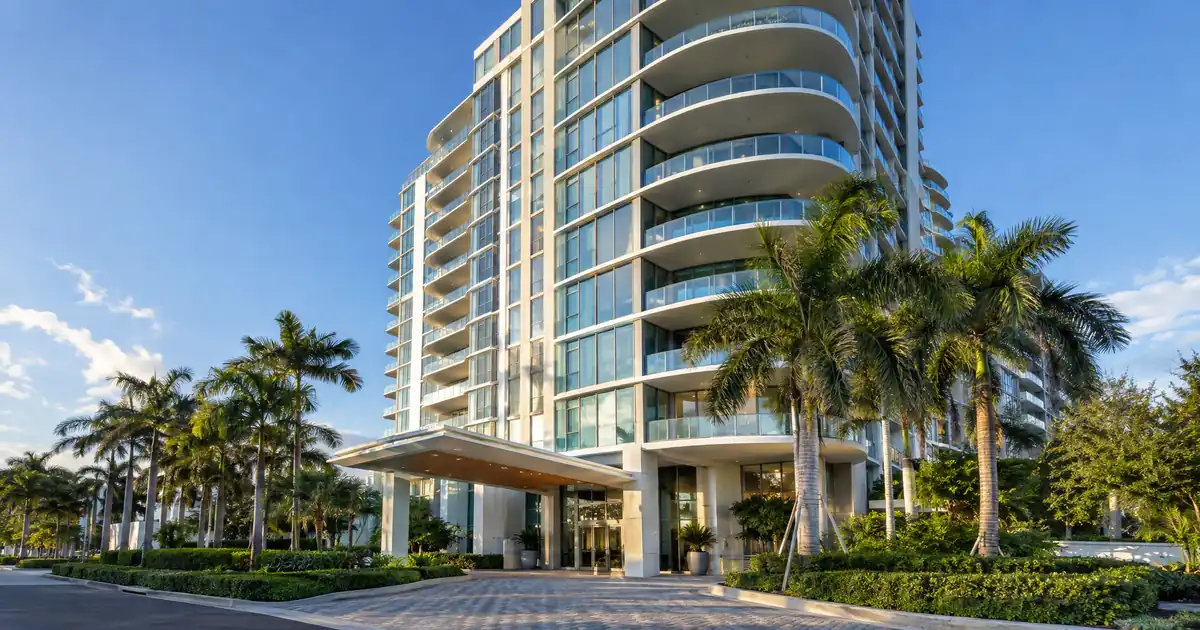
No, HOA litigation does not automatically block a condotel bank statement loan. What matters is the type of lawsuit and what it targets. Routine collection actions or fully insured injury claims are usually manageable. Litigation over structural defects, habitability, or major uninsured financial exposure to the association is a much harder problem. It can stall or kill a file regardless of how strong the borrower’s bank statements look.
Does HOA Litigation Block A Condotel Bank Statement Loan — The Quick Read: No, not by itself. Underwriters classify pending litigation by subject matter, not by its mere existence. A slip-and-fall claim covered by the HOA’s insurance rarely stops a deal. A lawsuit over cracked foundations, water intrusion, or the building’s structural soundness almost always does, because it puts the collateral itself at risk, not just the paperwork.
Key Terms Defined
Condotel: A condominium unit inside a building that operates with hotel-style services — a rental desk, daily housekeeping, or centralized reservations — which puts it outside standard agency financing lanes.
Non-warrantable condo: A broader category of condo projects that don’t meet conforming eligibility rules for reasons like litigation, high investor concentration, or too much commercial space. A condotel is always non-warrantable, but not every non-warrantable project is a condotel.
HOA questionnaire: The disclosure form the homeowners association or its management company fills out for a lender, covering litigation, reserves, delinquency rates, and insurance. This document carries most of the weight in a project-level review.
Material litigation: Lawsuits tied to the building’s physical condition or major financial exposure to the association — the kind that threatens long-term collateral value.
Minor litigation: Lawsuits that don’t threaten the building or the HOA’s solvency, such as a routine unpaid-dues collection or an injury claim the insurance carrier has already agreed to cover.
Why Litigation Type Matters More Than Litigation Existence
The industry doesn’t treat “there’s a lawsuit” as a single fact. It treats it as a starting point for a classification exercise. Fannie Mae’s Selling Guide draws this line explicitly for agency purposes: projects where the HOA or a developer is named in litigation tied to safety, structural soundness, habitability, or functional use are ineligible outright. But the same guide carves out an exception for injury or death claims, treating them as minor if the damages are known, covered by insurance, and the carrier has agreed to defend.
Non-QM and portfolio underwriters aren’t bound by agency rules on a condotel file, since condotels never qualify for agency purchase in the first place. But most lenders in Lendmire’s wholesale network still borrow this same minor-versus-material framework informally, because it’s a sound way to separate noise from real risk. A dispute over an unpaid special assessment against one owner is noise. A lawsuit alleging the building’s balconies are failing is not.
Construction-defect litigation gets its own nuance too. Even when the HOA is the plaintiff seeking money from a builder, that’s treated as less severe if the underlying problem has already been fixed and the HOA is just recovering costs — versus an ongoing, unremediated defect where the building’s condition is still in question.
How the Underwriting Actually Splits Into Two Files
A condotel bank statement loan really runs on two separate tracks, and litigation only touches one of them.
Track one is the project. The HOA or its management company completes a condo questionnaire disclosing litigation, reserve funding, delinquency, insurance, and how the rental pool works. Scotsman Guide’s coverage of DSCR residential lending notes that lenders commonly order a third-party analytics report on the HOA covering exactly these points — outstanding litigation, reserve adequacy, and the owner-occupied versus non-owner-occupied split. Because that same coverage confirms most DSCR lenders default to warrantable condos only, a condotel automatically routes into a specialty, project-by-project underwriting lane rather than a checkbox approval.
Track two is the borrower. On a bank statement file, this is deposit analysis — typically 12 or 24 months of personal or business account activity, run through an expense ratio to arrive at qualifying income. This track has nothing to do with the HOA. It runs independently, in parallel, and it can come back completely clean even while the project-level file is stuck.
The catch is this: a spotless bank statement file doesn’t rescue a project with material litigation. Both files have to clear. One clean track and one flagged track still equals a stalled loan.
What Kind of Lawsuit Actually Kills the Deal
Structural and habitability litigation is the closest thing to a hard stop in this business. Whether an underwriter is thinking in agency terms or portfolio terms, litigation tied to the physical soundness of the building gets treated far more seriously than a financial or nuisance dispute, because that risk survives the closing. It doesn’t go away when the loan funds — it sits with the property.
A few edge cases worth knowing:
- Insured injury claims often pass review. If the claim amount is known, the HOA’s insurance carrier has agreed to defend, and the anticipated damages are within coverage, this kind of suit is commonly treated as minor rather than disqualifying.
- Pre-litigation activity counts too. Arbitration or mediation reasonably expected to escalate into formal litigation gets the same scrutiny as an actual lawsuit. A thin public-records search that turns up nothing isn’t the same as a clean HOA disclosure — the questionnaire and recent board minutes are the real evidence.
- Rental-pool structure compounds the read. A condotel with a mandatory rental pool baked into its governing documents already gets a more skeptical look than a standard condo. Add litigation on top of that, and reviewers dig harder.
- Brand or franchise changes can resurface old problems. A condotel that loses a hotel-brand affiliation changes its operating model, and issues that didn’t matter when the building was branded can reappear at the next refinance.
Why This Isn’t the Same as a Bank Statement Denial
DSCR loans are business-purpose investor products. Lenders review them differently than a standard owner-occupied mortgage. Because they’re not owner-occupied transactions, the underwriting doesn’t run through the same consumer-protection framework a primary-residence loan does. This distinction matters here. It explains why a bank statement or DSCR condotel file can still move forward on the borrower side even while the HOA side is under a microscope. The two questions are legally and procedurally separate.
Across the loans placed through Lendmire’s wholesale network, condotels are one of the property types where project-level review consistently outweighs borrower-level review in determining the outcome. A borrower can have excellent deposits and reserves, yet still get stuck behind a building with a bad HOA balance sheet. That’s not a bank statement problem. It’s a collateral problem.
What the Deal Actually Looks Like on the Numbers
Select lenders in Lendmire’s wholesale network handle condotel purchases and refinances. They typically allow up to 75% loan-to-value on a purchase and 65% on a cash-out, subject to underwriting and property review. The bank portfolio program caps condotel cash-out closer to 50% on that specific product. These are ceiling figures, not guarantees. They sit inside a broader leverage ladder that scales down as loan size climbs. Purchase leverage on an investment property runs as high as 85% under $1 million with a 700+ credit profile. That leverage steps down through the size bands to roughly 55% once a file crosses into the $5 million-to-$10 million range.
Bank statement income qualification on a condotel works the same as it does on any other property type. Lenders review twelve or twenty-four consecutive months of personal or business deposits through an expense ratio. This ratio runs lower for a service business with no employees, and higher for larger operations with more overhead. Transfers from the borrower’s own business into a personal account count in full. Reserves scale with loan size: typically a few months of housing coverage for smaller balances, rising to roughly half a year’s worth in the mid-size range, and closer to nine months above that. Lenders express these reserves relative to the qualifying DSCR rather than a fixed dollar payment. Borrowers also need additional reserve months for each other financed property.
Every figure above $4 million on this ladder gets reviewed case by case before submission — that’s not boilerplate, it’s how the file actually moves once size crosses that line.
Practical Steps Before Making an Offer on a Condotel
An investor evaluating a condotel purchase can save weeks of frustration by front-loading the HOA review instead of waiting for the lender to request it.
1. Request the condo questionnaire and litigation disclosure the day the contract is signed. HOA management companies are frequently the slowest link in a condotel file, and this document is the single biggest source of closing delay industry-wide.
2. Ask specifically about pre-litigation activity, not just formal lawsuits — arbitration or mediation in progress can matter just as much as an active court case.
3. Pull recent board meeting minutes. They often surface disputes or planned special assessments before the formal questionnaire catches up.
4. Get a certificate of insurance from the master policy to check whether pending claims fall within existing coverage.
5. Confirm whether the rental pool is mandatory or voluntary under the governing documents — mandatory pooling changes how strictly any litigation gets reviewed.
Buyers who wait until after an appraisal or income underwriting to chase this paperwork are usually the ones who see their file stall late in the process, not early when there’s still time to walk.
Resale and Appraisal Considerations
Litigation on a condotel doesn’t only affect the current buyer’s financing — it shrinks the future buyer pool too. A building carrying active structural litigation limits resale largely to cash buyers or those willing to use non-QM financing, which can compress value and stretch time on market regardless of how well the individual unit rents.
Appraisals for rental income on a one-unit investment property typically use the same market-rent documents as other single-family files. Fannie Mae’s guidance on appraisal report forms confirms the requirement for Form 1007 — the Single-Family Comparable Rent Schedule. Lenders need this form when rental income is used to qualify a one-unit property. Non-QM lenders commonly use this same form family as a rent-comparable framework, even outside agency delivery. But condotel appraisals face their own comp challenges. There simply aren’t many directly comparable hotel-condo sales to draw from.
Tax treatment can depend on how the funds are used and how the property is held; investors should keep clear records and speak with a qualified tax professional before relying on any deduction.
Want a broader look at how project-level review interacts with bank statement qualification? Lendmire’s complete DSCR loans guide walks through the mechanics in more depth. Are you weighing a condotel against a stronger-leverage jumbo file? You may also want to see how trusts finance a condotel with a super jumbo structure. Lenders often review ownership vehicle and litigation exposure together on larger loan sizes.
Frequently Asked Questions
Does the size of the lawsuit matter more than the type?
Type matters more. A large-dollar collection action against one delinquent owner is generally less concerning than a small-dollar lawsuit alleging the building has a structural defect, because the second one raises questions about the collateral itself.
Can a borrower with excellent credit still be denied because of HOA litigation?
Yes. Litigation review happens at the project level, separate from the borrower’s credit and deposit history. A borrower with a 780 credit score and clean twelve-month statements can still see a file stall if the HOA discloses unresolved structural litigation. These specifics are subject to lender guidelines and a full review of property, leverage, and credit.
Does a DSCR loan avoid this issue since it doesn’t look at personal income?
No. DSCR and bank statement programs remove personal income and debt-to-income underwriting, but they don’t remove project-level review. The HOA and the building get underwritten regardless of which income-documentation path the borrower uses.
What if the litigation resolves before closing?
A resolved case with a settlement or judgment that’s already funded and reflected in the HOA’s financials is a very different disclosure than an open, unresolved suit — resolution generally strengthens the file, though every lender in the network reviews the specifics before making a call.
Are condotels illegal to finance?
No. They’re simply ineligible for conventional agency purchase because of their hotel-style operating characteristics, not because of any prohibition on the deed. Portfolio and non-QM lenders finance them routinely, subject to underwriting.
Are you evaluating a condotel purchase or refinance? Do you want to see how the numbers work given the property’s HOA status, rental income, and your credit profile? Lendmire can help you compare bank statement and DSCR loan options through select programs across its wholesale network.
For current guidelines and terms, see Lendmire’s super jumbo bank statement loan programs page.
Self-employed borrowers can compare both super jumbo programs on Lendmire’s self-employed mortgages page.
About Lendmire
Lendmire (NMLS# 2371349) is a DSCR-focused mortgage broker that helps arrange investor financing across 40 markets, including Washington, D.C., through wholesale and investor-lending channels. DSCR eligibility is generally reviewed by the lender around the property’s rental income rather than personal income documentation, subject to lender guidelines — which works for self-employed investors, LLC operators, and portfolios above four financed properties. Scotsman Guide named Lendmire a Top Mortgage Workplace in both 2025 and 2026.
Get Started
Ready to find the right loan for you?
In about 30 seconds you can review financing options available for your home or investment property. No commitment required.
Informational only. Not a Loan Estimate, approval, or commitment to lend. Program availability and eligibility are subject to lender guidelines, credit approval, property review, and underwriting.
References
1. Fannie Mae Selling Guide B4-2.1-03, Ineligible Projects
2. Scotsman Guide — “Get in the Game” (DSCR residential lending feature)
3. Fannie Mae — Appraisal Report Forms and Required Exhibits (B4-1.2-01)
4. Fannie Mae — Single-Family Comparable Rent Schedule (Form 1007), official form page
Brandon Miller
Founder & CEO, Mortgage Loan Originator, Lendmire LLC
- Mortgage Loan Originator · NMLS# 1129696 · Verify on NMLS Consumer Access
- North Carolina Real Estate Broker · License# 343312 · Verify on NCREC
- North Carolina Insurance Producer · License# 19053198 · Property, Casualty, Life, Health · Verify on NAIC SBS
- Lendmire LLC · Firm NMLS# 2371349 · Verify firm licensure
Compliance and disclosures. Lendmire (NMLS# 2371349) is a licensed mortgage broker and is not a direct lender, depository institution, financial advisor, or tax professional. Content in this article is general market analysis and educational information — not financial, legal, or tax advice for any specific situation. Lendmire does not guarantee loan approval; every transaction is subject to underwriting by the funding lender. Mortgage pricing and loan program guidelines are subject to change at any time without notice and vary by borrower characteristics, property type, and state regulations. Lendmire complies with Equal Housing Opportunity. Licensure verification: NMLS Consumer Access.


