
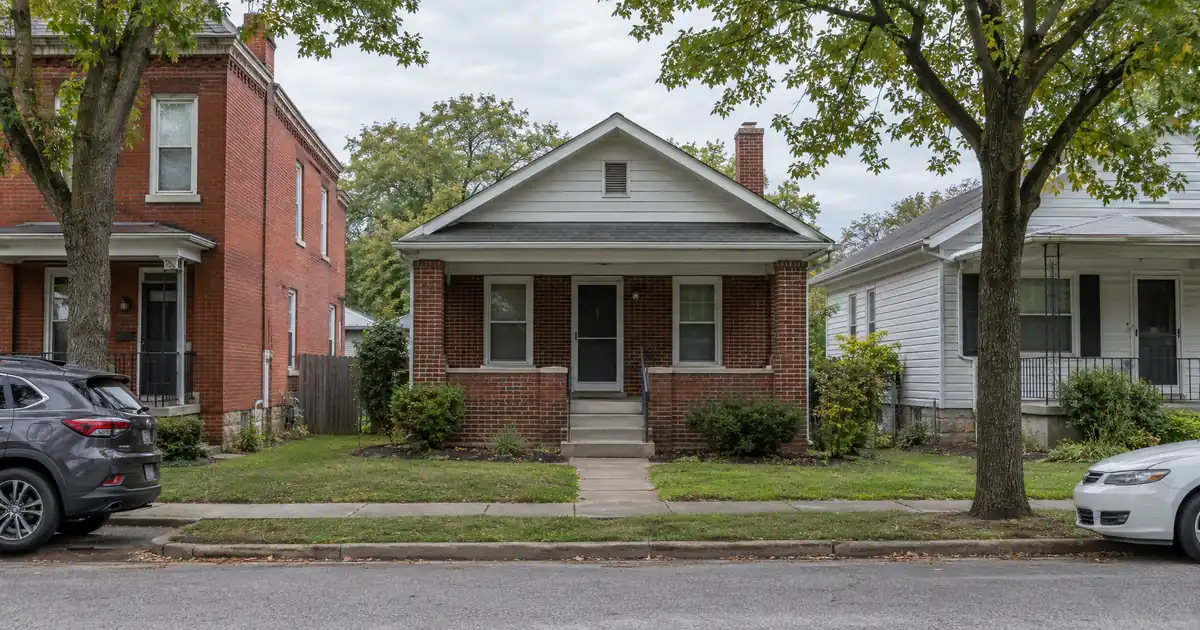
Picture two investors in Springfield who both own a rental outright. One holds a single-family house near the $210K median sale price Redfin reports. The other holds a triplex pulling the kind of $2,185 monthly rent on active Springfield multifamily listings. Both want to refinance and pull equity out. The math favors the triplex. A median-priced single-family house at full leverage often sits right at or under the 1.00 coverage line once taxes and insurance are counted, while a small multifamily stacks several rents against one loan. This article covers how that equity extraction works on the file. Seasoning, appraisal comps, entity paperwork, and reserves are where these files tighten or loosen. Lendmire (NMLS# 2371349) is a DSCR-focused mortgage broker, and Springfield, Missouri investors can have DSCR scenarios reviewed through lender programs that Lendmire helps place across 41 markets, including Washington, D.C.
TL;DR: A cash-out refinance on a Springfield, Missouri rental is underwritten primarily on the property’s rental income measured against its full monthly obligation, with the owner’s equity capped by an LTV ceiling and a seasoning requirement tied to when title recorded.
DSCR Cash-Out Calculator
Run the cash-out numbers in Springfield, MO
Rate source: Freddie Mac 30-yr average via FRED® — Federal Reserve Bank of St. Louis · effective Sep 24, 2026
Prefilled with starting assumptions — enter your property’s value, balance, taxes, and insurance for a more accurate picture.
Program parameters update from Lendmire’s centralized guideline source. Taxes and insurance are editable estimates.
As of Sep 24, 2026 · General Freddie Mac market benchmark, not a Lendmire loan offer. Property value, balance, taxes, and insurance are editable estimates. Maximum loan-to-value varies by lender, program, property type, and seasoning. Not a Loan Estimate, approval, or commitment to lend. Program availability and eligibility are subject to lender guidelines, credit approval, property review, and underwriting.
- Missouri State’s Springfield campus enrolled 25,238 students, which supports rent rolls near campus.
- Springfield’s multifamily pipeline holds just 299 units under construction, which supports rent durability.
- Cash-out tops out at 75% LTV, after roughly 6 months of ownership from title recording.
- Single-family at median price tends toward sub-1.00 coverage. Duplexes and triplexes clear more easily. Final terms depend on lender guidelines, property type, leverage, and the borrower’s complete credit picture.
Springfield Market Snapshot
A quick read on the Springfield investor landscape — figures come from the cited sources below. Confirm current property-level numbers before underwriting.
| Metric | Detail |
|---|---|
| Home prices | $210K median sale price (Redfin – Springfield Housing) |
| Typical rents | $2,185/mo rent figures (Realmo Multifamily Listings) |
| Recent appreciation | +5.2% yoy (Zillow Rountree Home Values) |
| Population | 170,572 population (Census Reporter – Springfield) |
| Employment | 14,000 employees (Wikipedia – CoxHealth) |
Why the Multi-Unit Refi Clears and the Median Single-Family Often Doesn’t
Small multifamily is the strongest cash-out structure in Springfield because several rents carry one debt service. Single-family at median price tends to land near or below the 1.00x benchmark once taxes and insurance are in the denominator. Coverage here is monthly rent divided by the full monthly obligation: principal, interest, taxes, insurance, and any HOA dues.
Run the numbers on a single-family house valued at the $210K Redfin median, refinanced at the 75% LTV ceiling. Assume $1,200 in monthly rent (a modeled figure, not a cited market rent). Coverage lands in the low-0.9 range including taxes and insurance. Now model a triplex valued at $250,000 at the same 75% LTV, with the $2,185 combined rent from a live listing. Coverage lands around 1.3x including taxes and insurance. Both are modeled assumptions. The gap between them is structural. These specifics are subject to lender guidelines and a full review of property, leverage, and credit.
The sub-1.00 house is not dead. A lender may review a sub-1.00 program, an interest-only structure, or a lower LTV that pulls out less cash. Those paths usually come with stronger compensating factors, more reserves, or different pricing. Eligibility depends on lender guidelines, credit approval, and property review. Investors who want the mechanics behind the ratio can read the guide “What Is a DSCR Loan”.
The price-to-rent spread also varies by submarket. Redfin’s neighborhood rent tracker shows Sequiota at $1,254 and Robberson at $1,145, against $895 for Downtown and $812 for West Central. A similarly priced house in Sequiota covers better than one in West Central. Rent-to-value is not uniform across Springfield, and the refi file should be built around the actual submarket.
Seasoning Runs From Title Recording, Not Closing Talk
The seasoning requirement is about 6 months of ownership, measured from title recording. Investors who bought recently and assume the clock started at contract or at possession are the ones who get kicked back. The settlement statement and recorded deed are the evidence.
Clearing title is the quiet friction point. If the property was acquired through an entity, the vesting on the recorded deed has to match the entity named on the refinance. A deed still in the investor’s personal name while the refi application names an LLC creates a gap the lender has to resolve before anything moves. That gap is cheap to fix before submission and irritating to fix after. LLC-titled borrowers are subject to lender program eligibility, so the entity documents (articles, operating agreement, EIN letter, good standing) should sit in the file from the start.
Rehab purchases add another layer. An investor who bought a Phelps Grove or Midtown house, renovated it, and wants to refinance at the new value should expect the lender to look at the ownership period and the improvement documentation together. Lenders differ on how they treat value added by renovation, so the purchase settlement statement and the renovation scope both belong in the file.
Appraisal Friction on 2-4 Unit Properties
Springfield’s resale inventory is thin, and that cuts two ways for a cash-out refinance. Houzeo’s market data shows about 1.8 months of supply and homes selling near 96.88% of asking. Tight inventory tends to hold values steady. It also leaves fewer recent comparable sales for an appraiser working a duplex, triplex, or fourplex.
Expect appraisers to reach further afield on multi-unit comps, sometimes into different neighborhoods or older sales. That is where value gets trimmed. The response is a documented appraisal reconsideration request, not an argument. Put together recent in-neighborhood multi-unit sales, condition and renovation adjustments, and the rent schedule. On a refi, value drives the 75% LTV ceiling directly. A value cut on a thin-comp property reduces available equity dollar for dollar, so it is worth the effort. Terms vary by lender guidelines, property type, leverage, credit profile, and full file review.
Rent evidence matters just as much. Small-multifamily files get read against leases and a rent roll, and lenders may also order a rent schedule alongside the appraisal. Vacant units, month-to-month tenants, or rents well above what the appraiser’s schedule supports each add questions. Current leases, a clean rent roll, and deposit records keep the income line from becoming the story.
Where the Equity Sits: Rountree, Campus Corridor, and West Central
Rountree is the clearest appreciation-led refi submarket. Zillow’s Rountree home value page shows an average value of $218,235, up 5.2% over the past year. The historic district sits beside Missouri State and has the kind of established comp base that supports an appraisal. The tradeoff is cash flow: entry prices are higher than in cheaper neighborhoods, so coverage is steadier than spectacular. For an investor whose goal is a refinance that pulls out equity as the value rises, that stability is a feature.
Phelps Grove and the campus corridor work the same way with more small-multifamily inventory. Missouri State’s Springfield campus enrolled 25,238 students, and the university’s strategic plan calls for system enrollment to reach 30,000. That supports duplex, triplex, and fourplex rent rolls close to campus. Live listings include a six-unit building near MSU and a thirteen-unit building described as nearly fully occupied, both on the Realmo multifamily listings. Buildings at that scale usually fall under commercial multifamily guidelines rather than a standard 1-4 unit DSCR program, which matters for an investor planning the next step after a refi.
West Central is the opposite profile. Rents run near $812, and entry prices are low. Local market commentary calls it a slow gentrification play. It fits cash flow now and appreciation later, but comps are thinner and the appraisal carries more execution risk. A refi that depends on a value uplift in West Central is a bigger bet than one in Rountree.
Central Springfield carries a measurable vacancy discount. MMG Real Estate Advisors reported stabilized occupancy of 92.7% there, against 96.0% to 98.5% in the other submarkets it tracks. A Central Springfield rent roll should be underwritten more conservatively than the citywide picture, and lenders will read it that way too.
Demand That Supports a Refi Appraisal
Tenant demand in Springfield comes from hospitals, campuses, and corporate employers rather than one industry. That matters because a refinance puts a fresh long-term lease-up story in front of the lender.
CoxHealth is a six-hospital, 1,074-bed system and the city’s largest employer, with more than 14,000 people employed across the system. Mercy runs the region’s only state-designated Level 1 trauma center for adults and pediatric patients. Together they anchor rental demand along the south side’s “Medical Mile.” Local listing copy already markets units as suited to traveling nurses, which tells you the tenant pool is priced into rents. Missouri State adds a second tenant base. Headquarters for Bass Pro Shops and O’Reilly Auto Parts add a corporate layer. A new Walmart pharmacy distribution facility near James River Freeway, per MMG’s report, points tenant demand toward south and southeast Springfield.
Working DSCR brokers see a recurring pattern in mid-size markets with hospital and university anchors: the rent rolls hold up, but the file stalls on paperwork, not economics. Leases expire or roll month-to-month, entity documents lag the deed, and a thin-comp appraisal trims value. The files that move cleanly are the ones where lease evidence, vesting, and the appraisal packet were assembled before submission.
Supply supports the thesis. Springfield delivered 746 units in a recent year, well above the 10-year average of 427, but under-construction inventory has dropped 73% with only 299 units in the pipeline, per MMG’s forecast. Occupancy is projected to hover around 95%. Renters also make up 58% of Springfield households. Vacancy figures vary by source and submarket, so underwrite locally.
The Documentation That Derails Springfield Files
Most Springfield cash-out files that stall do so on a short list of documentation gaps:
1. Seasoning proof. Recorded deed plus settlement statement showing ownership of about 6 months from title recording.
2. Entity alignment. Vesting on the deed matches the borrowing entity. Operating agreement, EIN letter, and good standing are current.
3. Lease evidence. Signed leases for each unit, a clean rent roll, and deposit records. Month-to-month units get flagged.
4. Reserves documentation. Typically about 6 months of PITIA, sourced and seasoned in a statement, not a screenshot.
5. Insurance completeness. A full quote or binder naming the correct insured and property, so the coverage number is computed on real carrying costs.
6. Property-type eligibility. Manufactured homes, log homes, and barndominiums fall outside the network’s DSCR programs, which matters in Ozarks-area housing stock.
Program terms worth keeping in view, all subject to lender guidelines: a 75% LTV ceiling on cash-out, a 1.00 minimum coverage benchmark on most standard files, a 620 credit floor with pricing tiers above it, and loan amounts up to $3,000,000 on standard programs. Some lenders review lower or no-ratio scenarios, but those generally need stronger compensating factors, lower leverage, or more cash in the deal. Terms vary by borrower, property, and scenario, and nothing here is a commitment to lend. The cash-out qualification details and the broader refinance details cover the program side. Investors comparing paths can also look at how DSCR financing compares with conventional financing.
DSCR vs. conventional financing
Two common ways to finance an investment property in Springfield, MO. They qualify you differently — here’s how investors weigh them.
Why investors choose it
- Qualifies on the property’s rental income — no personal tax returns, W-2s, or pay stubs needed to document income.
- No personal debt-to-income ceiling to clear, so existing mortgages and obligations don’t cap your borrowing the same way.
- Can be closed in an LLC, keeping the property inside a business entity.
- Built for scaling — not held to the limit on number of financed properties that conventional financing applies.
- Underwriting centers on the deal: generally qualifies when the rent covers the payment, a 1.00x coverage ratio being a common baseline (confirmed in underwriting).
- Designed specifically for investment property, including long-term and, where the program allows, short-term rentals.
Where it’s strong
- Often the lowest ongoing financing cost for a buyer who fully qualifies on personal income — a fit for a first property or a cost-first purchase.
Trade-offs for investors
- Requires full personal income documentation and must fit within a debt-to-income limit — salary, existing debts, and other mortgages all count.
- Typically held in your personal name rather than a business entity.
- Caps how many financed properties you can carry, which can become a ceiling as a portfolio grows.
- Evaluates you as a borrower as much as the property, which usually means more paperwork.
How investors usually choose: a first or single property often optimizes for the lowest financing cost; portfolio builders often optimize for leverage, vesting in an LLC, and scaling past conventional caps. The right answer depends on your goals, the property, and current guidelines — both paths run through select lenders in Lendmire’s wholesale network, with eligibility and terms confirmed in underwriting.
Turning Proceeds Into the Next Acquisition
Equity available is not a fixed number. It depends on the appraised value, the rent used for lender review, the full carrying cost, reserves, and the 75% LTV cap. Investors who plan the next deal around an expected cash figure before the appraisal lands are building on sand. Exact terms depend on the lender’s guidelines, property type, leverage, and a full review of the borrower’s file.
The cleaner approach is to size the refi first and plan the acquisition second. A strong Rountree or campus-corridor refinance can provide capital toward another small multifamily near MSU or a value-add property in Midtown. An investor who outgrows 2-4 unit financing can use the proceeds toward a larger building, at which point the loan moves into different guidelines.
One forward-looking caution: if the next purchase is in West Central or Central Springfield, underwrite its rent roll more conservatively, since those submarkets carry thinner comps or a documented vacancy discount. Investors can pull a DSCR quote to see how a specific property sizes. Lendmire’s team is reachable at 828-256-2183. Broader context on Missouri DSCR financing is also on the site. Investors should confirm current local rental rules, taxes, and insurance requirements with qualified local professionals before transacting.
What a Local Appraiser Would Tell You
Springfield rewards the owner who holds a small multifamily near the hospitals or campus and keeps the paperwork tidy. The equity is real in Rountree and the campus corridor, and thin-comp appraisals are the main thing that shaves it. Buy where the comps are deep, keep every lease current, and the refi takes care of itself.
Frequently Asked Questions
How do you qualify for a DSCR cash-out refinance in Springfield, Missouri?
Qualification centers on the property’s rent against its full monthly obligation, with a 1.00 coverage benchmark common on standard files. Lenders also look at the 75% LTV ceiling, about 6 months of ownership from title recording, a 620 credit floor, and roughly 6 months of reserves. Final eligibility depends on lender guidelines, credit approval, and property review.
What are the requirements for an investment property loan in Springfield, Missouri?
Expect entity documents if the property is LLC-owned (subject to lender program eligibility), signed leases, a rent roll for multi-unit properties, sourced reserves, and an insurance quote. The property must be an eligible type, so manufactured homes, log homes, and barndominiums are excluded. Loan amounts go up to $3,000,000 on standard programs.
How much equity can I pull out of a Springfield duplex or triplex?
It depends on appraised value, rent used for lender review, and carrying costs, capped at 75% LTV. A modeled triplex valued at $250,000 with $2,185 in monthly rent lands around 1.3x including taxes and insurance, but actual results vary. A thin-comp appraisal is the most common thing that reduces the number, which is why a reconsideration packet with local multi-unit sales is worth preparing. Every figure here varies by lender and program — guidelines, property type, leverage, and credit profile all apply.
Does Central Springfield cash-out differ from Rountree?
Yes, mainly in how lenders read the rent roll. MMG reports stabilized occupancy of 92.7% in Central Springfield against 96.0% to 98.5% elsewhere, so that submarket’s rents get underwritten more conservatively. Rountree’s average home value of $218,235, up 5.2%, offers steadier comps for an appraisal.
Can Lendmire help arrange DSCR financing for an investment property in Springfield?
Yes. Lendmire arranges DSCR investor loans through lender programs. A key feature for cash-out files is qualification based primarily on the property’s rental income, with loan amounts up to $3,000,000 on standard programs, subject to lender guidelines.
For current guidelines and terms, see Lendmire’s DSCR loan programs page.
About Lendmire
Lendmire (NMLS# 2371349) is a mortgage brokerage focused on DSCR investor lending, with programs available in 41 markets, including Washington, D.C. DSCR lenders commonly weigh the property’s rental coverage rather than personal income paperwork, which suits LLC-owned and multi-property investors. Terms vary by lender, property, leverage, and program. Lendmire is recognized as a 2026 Scotsman Guide Top Workplace and was a top-ranked workplace in 2025.
Get Started
Ready to find the right loan for you?
In about 30 seconds you can review financing options available for your investment property. No commitment required.
Informational only. Not a Loan Estimate, approval, or commitment to lend. Program availability and eligibility are subject to lender guidelines, credit approval, property review, and underwriting.
References
2. realmo.com — Sale Springfield
3. Missouri State University News: enrollment records
4. MMG Real Estate Advisors: Springfield forecast
5. Zillow: Rountree home values
6. Census Reporter – Springfield
8. Redfin: Springfield rental market
10. MMG Real Estate Advisors: Springfield market report
11. CoxHealth
12. a 2026 Scotsman Guide Top Workplace
13. Scotsman Guide — Top Workplaces 2025
This article is part of Lendmire’s investment property cash-out refinance program — full qualification details, guidelines, and scenarios live on the program page.
Related reading: DSCR Cash Out Refinance in Springfield, Illinois: How Much Equity Investors Can Pull in Springfield · DSCR Cash Out Refinance in Springfield, Massachusetts: Forest Park Multi-Family Equity · DSCR Cash Out Refinance in St Joseph, Missouri: The 2026 DSCR Refinance Guide to Museum Hill
Guides: Investment Property Cash-Out Refinance in Springfield, MO · Investment Property Cash-Out Refinance in Missouri
Brandon Miller
Founder & CEO, Mortgage Loan Originator, Lendmire LLC
- Mortgage Loan Originator · NMLS# 1129696 · Verify on NMLS Consumer Access
- North Carolina Real Estate Broker · License# 343312 · Verify on NCREC
- North Carolina Insurance Producer · License# 19053198 · Property, Casualty, Life, Health · Verify on NAIC SBS
- Lendmire LLC · Firm NMLS# 2371349 · Verify firm licensure
Compliance and disclosures. Lendmire (NMLS# 2371349) is a licensed mortgage broker and is not a direct lender, depository institution, financial advisor, or tax professional. Content in this article is general market analysis and educational information — not financial, legal, or tax advice for any specific situation. Lendmire does not guarantee loan approval; every transaction is subject to underwriting by the funding lender. Mortgage pricing and loan program guidelines are subject to change at any time without notice and vary by borrower characteristics, property type, and state regulations. Lendmire complies with Equal Housing Opportunity. Licensure verification: NMLS Consumer Access.