
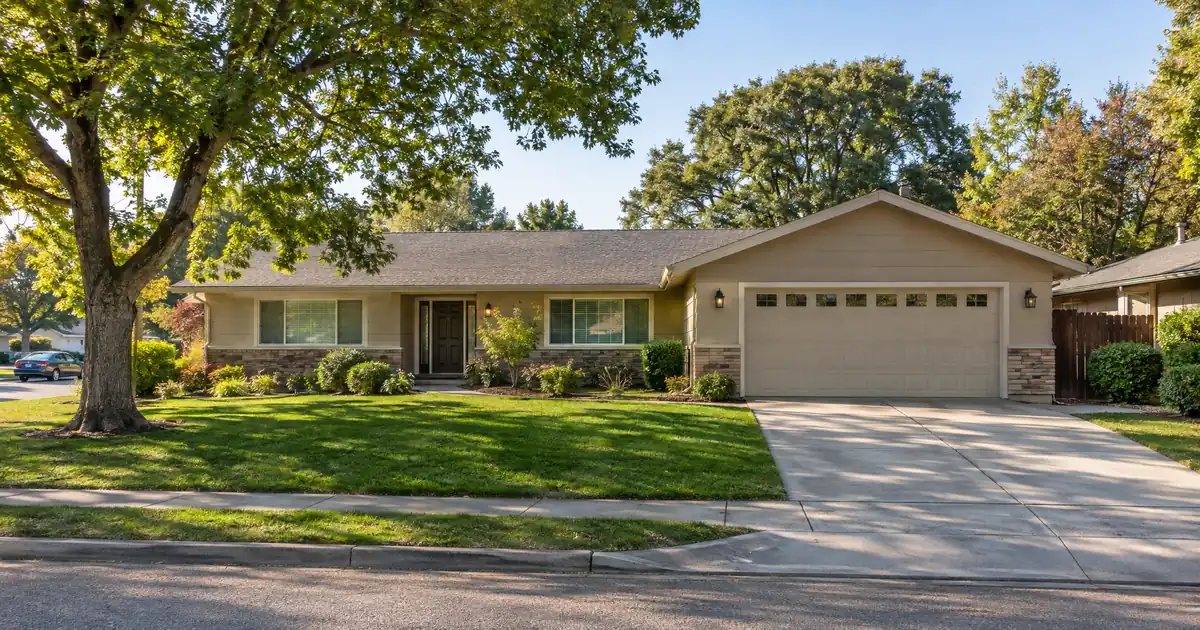
Preparing Your Home For Fall — The Quick Read: A DSCR loan underwrites rent against the payment, so it does not fund renovations. For a rental, the usual sequence is to finish the work with cash or a short-term bridge loan, then refinance into a DSCR loan once the property is repaired, rentable, and reappraised. Done well, late-summer work lands you in a fall refinance with a stronger appraisal and a cleaner file.
Key Takeaways
- A DSCR loan checks whether rent covers the full monthly payment. It is not a renovation product, and most programs offer no repair holdback after closing.
- Plan the exit first. Test the refinance against projected value and appraiser-set rent before you swing a hammer.
- Appraised value and the appraiser’s rent opinion decide your proceeds, not what you spent.
- Cash-out refinances top out around 75% LTV on standard rentals, with about 6 months of seasoning as the common expectation.
- Clearing 1.00 coverage does not mean the property cash flows. Repairs, vacancy, and management sit outside the ratio.
Does a DSCR Loan Pay for Fall Renovations?
Usually no. A DSCR loan is built for a property that is already rentable, so the lender looks at what the place rents for today. The loan does not pay for work the place still needs.
DSCR Calculator
Run the numbers in your market
Rate source: Freddie Mac 30-yr average via FRED® — Federal Reserve Bank of St. Louis · effective Sep 24, 2026
Prefilled with local estimates — enter your own rent or nightly figures, taxes, insurance, and HOA for a more accurate picture.
Program parameters update from Lendmire’s centralized guideline source. Taxes and insurance are editable estimates.
As of Sep 24, 2026 · General Freddie Mac market benchmark, not a Lendmire loan offer. Rent, nightly rate, occupancy, taxes, and insurance are editable estimates. Short-term rental figures are estimates only and vary significantly by season, property type, management approach, and local short-term-rental rules — confirm local regulations before relying on them. Qualifying income for short-term rentals varies by program — some use appraisal market rent, others use documented STR history or projections — and is confirmed in underwriting. Not a Loan Estimate, approval, or commitment to lend. Program availability and eligibility are subject to lender guidelines, credit approval, property review, and underwriting.
DSCR stands for debt service coverage ratio. You divide monthly rent by the full monthly payment, known as PITIA: principal, interest, taxes, insurance, and any association dues. A ratio of 1.00 means rent equals the payment. Across the wholesale network Lendmire places files through, 1.00 is where select programs start. It is a floor for those programs, not a universal standard. Stronger ratios open better pricing and leverage. The complete DSCR loans guide walks through the basics if the term is new to you.
So a fall renovation plan has two workable shapes:
1. Work first, refinance after. Fund the repairs with cash or a bridge loan, then refinance into DSCR once the property is finished and reappraised.
2. Already eligible, fund separately. The property qualifies as it stands. You pay for improvements from cash or another source and leave the DSCR loan alone.
Most programs in the network carry no standard repair holdback after closing. A few lenders may allow a small one case by case. Don’t build a deal around it.
Preparing Your Home for Fall: What Belongs on the Rental Checklist?
Start with the work that protects the building. Gutters, the roof, sealed openings, winterized plumbing, and a serviced heating system matter most. They prevent the kind of damage that turns a clean appraisal into a condition problem.
Late summer is a practical window. Exterior work is easier before cold weather, and you get time to lease up or reappraise before winter. Contractor schedules tighten as fall approaches, so get several bids early.
Here is how common fall projects look through a lender’s eyes:
| Fall project | Why do it before winter | What the lender or appraiser sees |
|---|---|---|
| Roof repair or replacement | Stops leaks and ice damage | Condition; can clear a cutoff |
| Gutters and downspouts | Keeps water off walls and footings | Drainage; minor on its own |
| Heating system service or swap | Avoids a winter outage | Systems condition |
| Pipe insulation, outdoor faucet shutoff | Prevents burst pipes | Plumbing condition |
| Sealing, weatherstripping, insulation | Cuts drafts and tenant complaints | Modest; helps retention |
| Smoke and CO detectors, dryer vent | Fire safety | Basic condition |
| Sump pump and basement drainage | Prevents water intrusion | Moisture; watch for flags |
Roof, HVAC, electrical, and plumbing carry the most weight. An appraiser who flags one of those can push a file past a lender’s condition cutoff. Get a rough condition read before you order the appraisal.
Some items on a fall list are pure upkeep. Others are real improvements. Keep that distinction in your records from day one.
How Underwriting Treats the Work, Step by Step
Underwriting follows a sequence, and each step can change your proceeds.
Step 1: Decide the order. Choose bridge-then-refinance, cash-then-refinance, or fund-separately before you start. The order controls your carrying cost.
Step 2: Test the exit. Estimate the after-repair value (ARV, the value once the work is finished) and the likely rent. Then run the refinance math against the leverage cap. If the file only works on an optimistic ARV, it doesn’t work.
Step 3: Scope and document. Keep contractor bids, invoices, permits, and before-and-after photos. Appraisers scrutinize whether the repair budget is believable. A thin budget against a big claimed value draws questions. A practitioner appraiser explains in The Valuation Piece that “subject-to-completion” valuation assumes the renovation is finished as described, based on bids, plans, or a detailed scope. The appraiser then studies comparable sales in post-renovation condition.
Step 4: Finish and place a tenant. A freshly rehabbed vacant unit has no lease. The appraiser’s market-rent opinion, documented on Form 1007 for single-family or Form 1025 for two-to-four units, becomes the top half of your ratio. You generally can’t argue it higher with your own comps. The routes are a second appraisal or a formal reconsideration.
Step 5: Clear seasoning. Seasoning is the waiting period a lender wants between buying a property and refinancing it. On a cash-out refinance, about 6 months is the common expectation in the network. It varies by lender, so confirm the window for your specific program before you buy.
Step 6: Underwrite the refinance. The lender checks the appraised value against the leverage cap. It checks the appraiser’s rent against PITIA. Then it looks at condition, credit, and reserves.
Step 7: Net the proceeds. The gross loan is not cash in hand. Payoff of the bridge loan, accrued interest, closing costs, and reserves all come out first.
Which Structures Exist?
Four structures cover most fall projects. They differ in where the money comes from and when the DSCR loan enters.
| Structure | Funds the work | DSCR loan enters | Main watch-out |
|---|---|---|---|
| Bridge, then DSCR refinance | Short-term loan | After repairs and reappraisal | Carry cost while you wait |
| Cash, then cash-out refinance | Your savings | After seasoning clears | Proceeds bounded by LTV |
| Already eligible, fund separately | Cash or other source | At purchase or rate-term refinance | Work doesn’t raise the loan |
| Home equity line | Line on the property | Separate from DSCR | Investment lines cap at $500,000 total |
On leverage, most DSCR purchase files land at 75% to 80% LTV, which means 20% to 25% down. LTV is loan-to-value, the loan as a percentage of the property’s value. Select high-leverage programs reach 85% LTV, with roughly a 700-plus credit score. Cash-out refinances on standard rentals generally top out around 75% LTV, subject to lender guidelines. Loan sizes run roughly up to $3,000,000 on standard programs (smaller balances available through select lenders). Above $2,500,000 the network generally holds to 30-year fixed structures.
Credit matters as much as leverage. A 620 floor exists in parts of the network. Most programs want around 660, and 700-plus unlocks the strongest leverage tiers. Reserves vary by lender, leverage, loan size, and transaction type. About 6 months of PITIA is common. Conservative rate-term files at modest leverage under $1,500,000 can see reserves waived, while larger loans typically step up to about 9 months.
The 30-year fixed is the spine of the lineup. Extended terms such as 40-year, plus interest-only periods, are available through select lenders in the network. ARMs exist for investors who want one. If you’re weighing a DSCR loan against a bank product, this DSCR versus traditional mortgage comparison lays out the tradeoffs.
DSCR loans are designed for non-owner-occupied investment properties. Because they are business-purpose investor loans, they are reviewed differently from a standard owner-occupied mortgage.
Where the General Rule Breaks
The rule says finish the work, season the property, then refinance. Real files bend it in a handful of ways.
- Cash purchase. If you bought with cash, delayed financing is a separate route from ordinary cash-out seasoning. Proceeds are generally capped near your documented cost, and you must prove where the funds came from. Renovation money spent afterward may not come back under that route. Confirm the program rule first.
- Refinance that only pays off a bridge loan. Seasoning treatment can differ from a cash-out. Don’t promise yourself the shorter window until the specific program says so.
- Between tenants. Coverage is usually measured off the lease or the appraiser’s rent opinion. Sub-1.00 coverage is available through select lenders in the network, with leverage and terms adjusted. A no-ratio structure is available only through select lenders, generally for borrowers who already own a primary residence. Both are exceptions, not plans.
- Condition failure. A roof, electrical, plumbing, or HVAC issue flagged at appraisal can stall a file even when the ratio looks fine.
- Appraisal comes in short. The projected ARV is not guaranteed. A lower value shrinks proceeds, and the leverage cap does the damage.
- Property type. Manufactured homes (single- and double-wide), log homes, and barndominiums are not offered in the network’s DSCR programs, and no renovation changes that.
- Vesting. If the refinance lender requires LLC ownership, buying in the LLC from the start avoids a transfer problem later, subject to lender program eligibility.
Seasoning, leverage caps, and holdback flexibility differ from lender to lender. That spread is the practical advantage of placing a file across a network rather than one shop.
Run the Numbers on a Fall Rehab
Picture an investor with a small duplex that needs a roof section, a furnace replacement, and weatherproofing. The investor plans a bridge loan for purchase and repairs, then a DSCR cash-out refinance after seasoning. The assumptions below are modeled, not market data.
The refinance caps at about 75% LTV on standard rentals. Suppose the appraiser values the duplex as repaired and sets rent that covers PITIA at roughly 1.2x. That clears the floor with room to spare. The investor’s cash out depends on the appraised value, not the repair invoices. These specifics are subject to lender guidelines and a full review of property, leverage, and credit.
Now change one input. The appraiser’s rent comes in lower and coverage slips to around 0.95x. The file is now below 1.00. Sub-1.00 programs are available through select lenders in the network, with leverage and terms adjusted. Interest-only structuring is another path a lender may review. Qualification still depends on lender guidelines, credit, and property review.
Here is the catch. A 1.2x ratio isn’t positive cash flow. DSCR compares rent to PITIA only. Repairs, vacancy, management, utilities, and capex sit outside the calculation. Budget for them separately.
DSCR files on rehabbed properties often come in two ways. In the clean ones, the investor tested value and rent before starting, kept every invoice, and had a condition read done before the appraisal. In the messy ones, the budget was thin, the scope changed midway, and proceeds arrived smaller than planned. The difference is nearly always documentation and realism at the start, not the loan product.
Which Fall Projects Earn Their Keep?
The stronger play is usually the work that protects the building and supports rent. Think roof, heating, water, and safety. Cosmetic projects are more of a toss-up. They can help a unit lease, but an appraiser only credits what the comparable sales support.
As general guidance, small exterior and curb-appeal projects tend to recoup more of their cost than large interior remodels. Returns vary by market, and those figures measure homeowner resale, not rental-appraisal rent. Cost is not value.
For broader demand context, Harvard’s Joint Center for Housing Studies projects that homeowner remodeling spending growth slows gradually, with annual spending reaching $518 billion by the end of its forecast window. That covers owner-occupied homes, not rentals, so treat it as loose backdrop.
Tax treatment can depend on how the funds are used and how the property is held; investors should keep clear records and speak with a qualified tax professional before relying on any deduction.
Key Terms Defined
ARV (after-repair value): The estimated value of a property once planned work is finished.
Bridge loan: A short-term loan that funds a purchase or repairs until a longer-term loan replaces it.
Capex: Big, occasional spending on major systems like roofs and HVAC.
Cash-out refinance: A new loan larger than the old one, paying off the old loan and releasing the difference as cash.
Delayed financing: A route for cash buyers to borrow against a recently bought property, with proceeds generally limited to documented cost.
LTV: Loan-to-value, the loan amount as a percentage of the property’s value.
Reserves: Liquid funds a lender wants you to hold after closing, usually counted in months of PITIA.
Subject-to-completion appraisal: A valuation that assumes described repairs are finished.
Frequently Asked Questions
Can I finance fall repairs with a DSCR loan?
Generally not as a standard feature. Most programs assume the property is rentable and offer no post-closing repair holdback. The usual route is a bridge loan or cash for the work, followed by a DSCR refinance.
How long do I have to wait before a cash-out refinance on the renovated property?
About 6 months of seasoning is the common expectation in the network, but it varies by lender and program. Confirm the exact window before you buy, because it drives how long you carry a bridge loan or tie up cash.
Will the appraiser use my renovation cost as the value?
No. The appraiser studies comparable sales and assumes the finished condition only if the work is documented through bids and scope. Spending more does not guarantee a higher value, and your proceeds follow the appraised number.
Does a DSCR above 1.00 mean my rental is profitable?
No. The ratio compares rent to PITIA only. Repairs, vacancy, management, utilities, and capex are not in it. A rental can clear 1.00 and still lose money after those costs.
What credit score and reserves should I plan for?
Most programs want around 660, with a 620 floor in parts of the network and 700-plus for the strongest leverage. Reserves commonly run about 6 months of PITIA, stepping up to about 9 months on larger loans. All of it is subject to lender guidelines.
Your Next Step
If you are buying or refinancing a rental property and want to see how the numbers work, Lendmire can help you compare DSCR loan options based on the property income, credit profile, leverage, and investor goals. Lendmire is a mortgage broker arranging financing through select lenders in its wholesale network across 41 markets, including Washington, D.C. Contact the team at 828-256-2183 or request a quote. Not a commitment to lend.
Work that clears before the first frost leaves you refinancing on a finished, documented property instead of a half-done one.
About Lendmire
Lendmire (NMLS# 2371349) is a DSCR-focused mortgage broker that helps arrange investor financing across 41 markets, including Washington, D.C., through wholesale and investor-lending channels. DSCR eligibility is generally reviewed by the lender around the property’s rental income rather than personal income documentation, subject to lender guidelines — which works for self-employed investors, LLC operators, and portfolios above four financed properties. Scotsman Guide named Lendmire a Top Mortgage Workplace in both 2025 and 2026.
Get Started
Ready to find the right loan for you?
In about 30 seconds you can review financing options available for your home or investment property. No commitment required.
Informational only. Not a Loan Estimate, approval, or commitment to lend. Program availability and eligibility are subject to lender guidelines, credit approval, property review, and underwriting.
References
1. The Valuation Piece, “Playing Pretend”
2. Harvard Joint Center for Housing Studies, remodeling growth release
This article is part of Lendmire’s DSCR loan program — full qualification details, guidelines, and scenarios live on the program page.
Related reading: Luxury Rental DSCR Loans In New Jersey · Jersey Shore Vacation Rental Loans: DSCR Financing In Ocean City, Cape May And Long Beach Island · DSCR Cash-out Refinance In New Jersey: Pulling Equity From A Rental
Brandon Miller
Founder & CEO, Mortgage Loan Originator, Lendmire LLC
- Mortgage Loan Originator · NMLS# 1129696 · Verify on NMLS Consumer Access
- North Carolina Real Estate Broker · License# 343312 · Verify on NCREC
- North Carolina Insurance Producer · License# 19053198 · Property, Casualty, Life, Health · Verify on NAIC SBS
- Lendmire LLC · Firm NMLS# 2371349 · Verify firm licensure
Legal disclosures. Lendmire (NMLS# 2371349) is a state-licensed mortgage brokerage that arranges financing through wholesale lender relationships. Lendmire is not a direct lender, depository institution, or registered financial advisor. The discussion above is general informational content about real estate financing — it is not financial, legal, or tax advice, and readers should consult licensed professionals for guidance on their individual circumstances. Loan inquiries are subject to lender underwriting; this article does not represent a commitment to lend. Loan terms, rates, and qualification standards vary by borrower, property, and state, and are subject to change at any time. Equal Housing Opportunity. NMLS Consumer Access: nmlsconsumeraccess.org.