
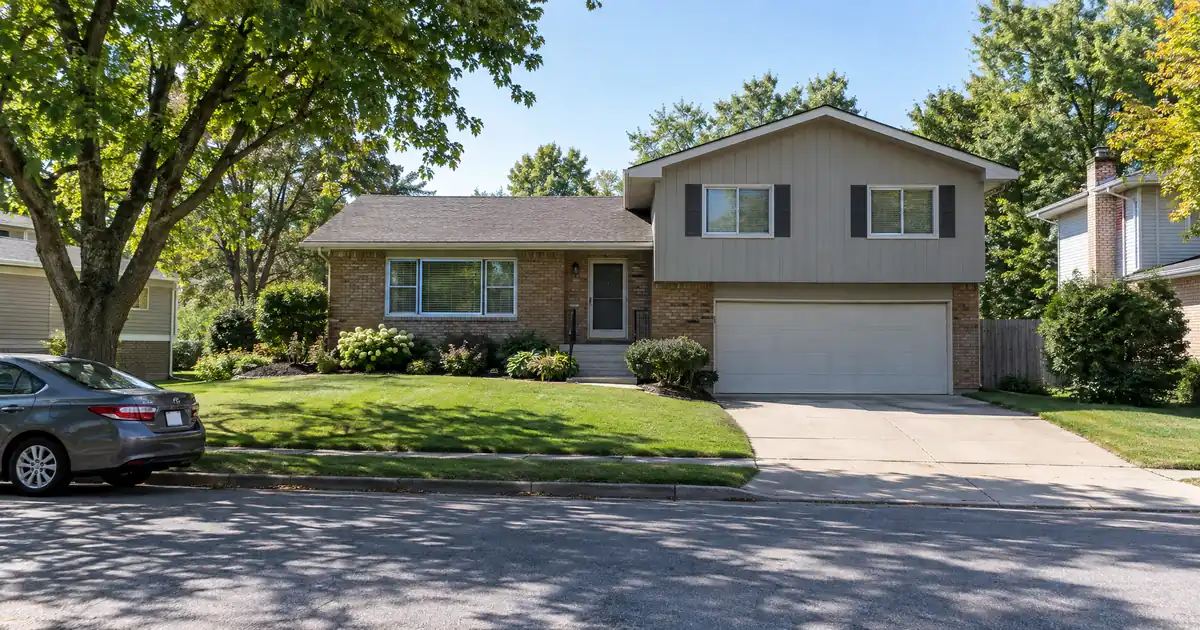
The Quick Read: A low appraisal on a bank statement HELOC shrinks the second-lien line you can open, but it does not change the terms, balance or payment on your existing first mortgage, so you keep the first loan and respond by correcting the value, resizing the line, or switching products. On an investment property, lines on the wholesale network top out at 70% CLTV (combined loan-to-value) and $500,000, so every lost point of value comes straight out of the room under that ceiling.
- The first mortgage stays in place. Only the headroom for the new line changes.
- Check the valuation for factual errors first, because a wrong square footage or missed bedroom is the easiest fix.
- Ask for a reconsideration of value through the lender, and bring evidence rather than opinion.
- If the value holds, resize the line, pay down debt, wait, or move to a DSCR cash-out refinance.
Treat that last item as a trade, not a rescue. The sections below show the math and where each option costs you something.
How large a line the equity supports.
An equity line is sized by combined loan-to-value, occupancy, and credit — not by rental coverage. Switch the occupancy or the credit band and the ceiling moves with it.
Investment-property lines require a 700 minimum credit score; second-home lines start at a 640 minimum and primary-residence lines at 600, and the combined-LTV ceiling steps down as the credit band drops on primary-residence and second-home lines and holds on investment-property lines; the line cap steps down on primary-residence lines and holds at every tier on investment-property and second-home lines.
A debt-to-income ratio above 45% requires 680+ credit. Profiles under 640 are limited to single-family homes. At least 75% of the approved line is drawn at closing. Ceilings, floors, and caps update from Lendmire’s centralized guideline source.
Line estimate
Illustrative estimate only — not a quote, Loan Estimate, approval, or commitment to lend. The rate is an editable assumption; equity-line pricing is variable through both the draw and repayment periods and never converts to fixed. Occupancy and credit drive the ceiling together: an investment property tops out at 70% combined LTV (minimum credit 700, line cap $500,000); a second home tops out at 90% combined LTV (minimum credit 640, line cap $500,000), with the ceiling stepping down as the credit band drops (the cap holds at every tier); a primary residence tops out at 90% combined LTV (minimum credit 600), and its $750,000 maximum line is available only at 75% combined LTV or below with a 700-or-better credit profile (720 on the longer-runway program) and a full appraisal. Lines above $500,000 require a full appraisal. Credit, debt-to-income, property type, and full underwriting review all affect the final line.
Key Terms Defined
Bank statement HELOC. A home equity line of credit that is reviewed around deposits in your personal or business bank statements instead of traditional personal-income documentation. It tests income differently, but it still tests equity, credit and title.
CLTV (combined loan-to-value). Your first mortgage balance plus the new line, divided by the property value. The lender caps this number, so the value in the denominator drives how much you can borrow.
Second lien. A loan that sits behind your first mortgage in repayment priority. Opening one leaves the first mortgage untouched.
Automated valuation. A computer model that estimates value from public records and recent sales, with no appraiser visiting the property. Lines of $500,000 or less ordinarily use one.
Reconsideration of value (ROV). A request, sent through the lender, to review a valuation you believe is wrong. It works when you supply new facts.
DSCR cash-out refinance. A loan that replaces your first mortgage and releases equity. It qualifies primarily on property-level rental income covering the payment, subject to lender guidelines.
Why a Low Value Shrinks the Line and Leaves the First Mortgage Alone
The line is a slice of value, and the first mortgage already owns part of that slice. The lender takes value times the CLTV ceiling, then subtracts every existing lien. What remains is the most the line can be. A lower value shrinks the first number while the first mortgage stays the same size.
Here is the pattern with round units instead of dollars. Picture a rental that you expected to be valued at 100 points, with a first mortgage of 50 points. The investment-property ceiling is 70% CLTV, so the expected room is 20 points. These are modeled inputs, not market data.
| Scenario | Value | Ceiling at 70% | First mortgage | Room for the line |
|---|---|---|---|---|
| Value as expected | 100 | 70 | 50 | 20 |
| Value comes in 10% low | 90 | 63 | 50 | 13 |
A 10% drop in value cut the room by 35%. The first mortgage did not move, so it now fills a bigger share of a smaller number. That is why a modest miss on the valuation feels outsized.
A lower first-mortgage balance cushions this effect. A first lien at 45% of value leaves up to 25 points under a 70% ceiling, subject to the line cap and the valuation. An investor with a nearly paid-down rental can absorb a miss that would flatten someone with a fresh loan.
Occupancy matters here. On a primary residence, the network’s ceilings are higher, and 90% CLTV exists only at a 720-or-better credit profile. None of that applies to a rental. On an investment property, 70% CLTV is the top, whether your score is 700 or 720. Higher credit buys eligibility, not extra leverage.
What a Low Value Touches and What It Leaves Alone
A low valuation changes the size of the new line and nothing else on the first loan. The table separates what moves from what holds. It assumes a personally titled rental with a standalone second-lien line.
| File element | Effect of a low value |
|---|---|
| First mortgage balance, term, payment | No change |
| Line size | Shrinks |
| Combined leverage | Rises as a share of value |
| Bank statement income | Unchanged, still tested |
| DTI test | Unchanged unless the line shrinks |
| Title requirement | Unchanged |
| Credit tier | Unchanged |
The first mortgage still counts in the file, though. Its balance counts toward combined leverage, and its payment counts in the debt-to-income (DTI) test. DTI is your monthly debts divided by your monthly income. The network’s maximum is 50%, and the line is tested on its interest-only payment at the maximum draw, not at what you plan to use. A smaller line can therefore help the DTI test even as it disappoints you on cash.
The Recovery Playbook, Step by Step
Start with the reason the number came in low, then correct it, then resize. The order matters because the most affordable fix is a factual correction, and the most expensive is giving up your first mortgage.
Step 1: Find out what type of valuation you got. On an investment line of $500,000 or less, the valuation is ordinarily automated. That means there may be no appraiser to argue with. A borrower may request a full appraisal in any case, so ask whether that is an option. Full appraisals are required only above $500,000, and lines that large exist only on primary residences.
Step 2: Check the inputs for errors. Look at square footage, bedroom and bath count, unit count, lot details and missed upgrades. Automated models cannot see a renovation that never reached public records. Appraisers also err, usually when comparable sales are thin or poorly matched.
Step 3: Assemble evidence. Gather permits, contractor invoices, photos, a list of recent nearby sales that fit your property, and any lease or rent records that show the property’s character. Opinion carries little weight. Documents carry a lot.
Step 4: Submit a reconsideration of value through the lender. The Consumer Financial Protection Bureau says homeowners can ask a lender to reconsider a valuation they believe is inaccurate. Valid grounds include factual errors or omissions, inadequate comparable properties, and evidence of prohibited bias. The ABA Banking Journal describes an ROV as a request from the lender to the appraiser or valuation preparer to reassess the value. It also notes that a flawed valuation can lead to reduced loan amounts. A summary from Compliance Cohort reaches the same conclusion about lender process expectations.
Keep your expectations measured. Attorney commentary on LinkedIn argues the guidance overstates what the federal valuation rule actually requires. Read an ROV as a recognized process, not a guaranteed higher number. The lender decides whether to change the value or order another review, and each lender sets its own process.
Step 5: Decide on a second valuation or another lender. A second valuation is not guaranteed to come in higher. Valuation methods and CLTV limits differ across lenders in the network, so a different lender may size the same property differently. Across the network, this is often the step that moves the file.
Step 6: Resize and move on. If the evidence does not change the value, take the line that fits.
If the Value Stays Low: Your Options
You have five realistic paths, and each treats the first mortgage differently. This table assumes an investment property held in your own name or a revocable trust.
| Option | First mortgage | Trade-off | Best fit |
|---|---|---|---|
| Take a smaller line | Kept | Less cash than planned | Modest cash need |
| Pay down the first loan | Kept, smaller | Uses cash to free room | Cash on hand, nearby need |
| Wait for value or paydown | Kept | Delays the project | No deadline on the funds |
| Try another lender or valuation | Kept | No promise of a higher value | Evidence of a valuation error |
| DSCR cash-out refinance | Replaced | Old terms are gone | Large need, LLC title |
One mechanical point deserves attention. At least 75% of an investment line is drawn at closing, and pricing floats and never converts to fixed. So a resized line is not a flexible reserve that you leave undrawn. Size it to a need you actually have on day one.
The line itself runs a 5-year interest-only draw followed by a 25-year repayment period. Plan for the second payment that comes with it, since it is added to your first-mortgage payment instead of replacing it.
Keep the First Mortgage or Replace It?
Keep it when the first loan has terms you could not repeat and the cash need is modest. Replace it when the need is large, the property sits in an LLC, or the line cannot reach what you need. A low value makes the “just refinance everything” idea tempting. Often that is the wrong move.
A cash-out refinance resets your entire first-mortgage balance to today’s terms, not only the new borrowing. A line leaves the old balance alone and prices only the new money. That asymmetry is the whole case for keeping the first loan.
The refinance also faces a valuation of its own, so a low value hits that leverage too. Across most of the network, a cash-out on a standard rental tops out around 75% LTV, and about 6 months of seasoning is the common expectation. (A short-term-rental cash-out runs lower, around 70%.) A value that disappointed a 70% CLTV line will also squeeze a 75% LTV cash-out. You gain 5 points of ceiling and give up a first mortgage you may not be able to replace. Terms depend on the lender’s guidelines, the property type, the leverage, and a full review of the credit profile.
DSCR loans are designed for non-owner-occupied investment properties. Because they are business-purpose investor loans, they are reviewed differently from a standard owner-occupied mortgage. The test is rent against the full monthly obligation of principal, interest, taxes, insurance and any association dues (PITIA). Many select programs start at 1.00 coverage. A separate select-lender path takes coverage below 1.00 with leverage and terms adjusted. Clearing 1.00 does not mean positive cash flow, because repairs, vacancy, management and capital costs sit outside the calculation.
For the wider picture of how these loans work, see Lendmire’s complete DSCR loans guide.
Where the Rules Break
Four situations change the answer, and each one has a clear trigger.
The rental is titled in an LLC. These lines require title in an individual’s name or a revocable trust. LLCs, corporations, partnerships and irrevocable, blind or land trusts cannot hold title. A property already deeded to an entity needs a vesting change or a different loan. A DSCR cash-out generally lets the entity stay on title, subject to program eligibility.
A shortage of equity is the reason for the denial. Bank statement documentation does not help here. It proves income, and income was never the problem. CLTV caps apply no matter how strong the deposits look.
You may refinance the first mortgage or sell the property later. A second lien generally has to be paid off or subordinated before the first loan is refinanced, and it is normally paid off when the property is sold. If either could happen during the draw period, price that friction in now. Nothing here assumes any particular first-mortgage servicer’s rules on junior liens, so check yours.
The lender reduces the line after closing. The CFPB’s HELOC booklet says plans generally let lenders freeze or reduce a line if the home’s value declines significantly or the borrower’s finances materially change. It adds that borrowers may submit documentation to try to restore a line. A reduction affects the line only, not the first mortgage. The booklet is an older consumer publication, so use it for mechanics, not for current figures.
Property type also matters. Manufactured homes, co-ops, condotels, log homes, and commercial, mixed-use or agricultural-zoned properties are not eligible for these lines. Single-family, 2-4 unit, townhome, PUD and condominium properties, including non-warrantable condos, are.
What Bank Statement Underwriting Still Tests
A drop in value changes the equity side of the file and leaves the income side alone. You still supply 12 to 24 months of personal or business statements. The lender estimates income from eligible deposits after an expense factor. Transfers, refunds and loan proceeds generally do not count as income.
The file still tests credit, with a 700 minimum on investment lines. It tests housing history and DTI. It tests title. And it tests equity, which is the only piece that moved.
Credit is a reasonable place to spend effort while you wait. A higher score does not raise the 70% investment ceiling, but a clean profile keeps you eligible if the lender re-sizes the file. Property-level facts matter more than any narrative about your business.
Tax treatment can depend on how the funds are used and how the property is held. Investors should keep clear records and speak with a qualified tax professional before relying on any deduction.
HELOC lines are offered in a narrower footprint than DSCR loans, just 16 full-service states. Confirm availability for your state before you build a plan around a line. If your traditional personal-income documentation is strong, Lendmire’s comparison of bank statement and returns-based HELOCs shows when the other documentation path fits better.
Frequently Asked Questions
Can a low appraisal put my first mortgage at risk?
No. The first lien keeps its balance, term and payment. The only change is the room beneath the CLTV ceiling for the new line. A later lender reduction on the line, if it happens, affects the line and not the first loan.
Does a low value mean automatic denial?
Usually it means a smaller line. A decline is more likely when your combined leverage would exceed the ceiling at the smallest workable line, or when the remaining amount is no longer worth the cost of the loan. Every file is reviewed individually, subject to lender guidelines.
Can I ask for a full appraisal instead of an automated valuation?
A borrower may request a full appraisal in any case, though lines of $500,000 or less ordinarily use an automated valuation. A full appraisal is not guaranteed to be higher. Automated models and appraisers can err in different directions.
Will a higher credit score fix a low value?
No. On an investment property, the 700 and 720 tiers both reach 70% CLTV. A higher score keeps you eligible but does not buy more leverage. Equity is the binding limit.
Can bank statements offset thin equity?
No. Bank statements change how income is documented. Equity, credit, DTI and title are all still tested, and the lowest of the equity limit, the line cap and the DTI limit sets the line.
Next Steps
If you are considering a home equity line and want to see how the numbers work, Lendmire can help you compare HELOC options based on the property, the equity available, credit profile, combined leverage, and your goals. Lendmire is a broker that arranges financing through select lenders in its wholesale network, and every figure here is subject to lender guidelines and full file review.
About Lendmire
As a mortgage broker (NMLS# 2371349), Lendmire helps homeowners and real estate investors in its 16 full-service states open home equity lines of credit arranged through wholesale lenders. Lendmire is never the lender; line amounts, ceilings and terms are set by the lender under its guidelines. Scotsman Guide named Lendmire a Top Mortgage Workplace in both 2025 and 2026.
Get Started
Ready to find the right loan for you?
In about 30 seconds you can review financing options available for your home or investment property. No commitment required.
Informational only. Not a Loan Estimate, approval, or commitment to lend. Program availability and eligibility are subject to lender guidelines, credit approval, property review, and underwriting.
References
2. ABA Banking Journal – Reconsideration of Value: A Critical Component of Appraisal Review
3. Compliance Cohort – CFPB Reminds of the Reconsideration of Value Process
4. LinkedIn – attorney commentary on borrowers’ ability to challenge inaccurate appraisals
5. CFPB – What You Should Know About HELOCs (booklet)
This article is part of Lendmire’s bank statement HELOC program — full qualification details, guidelines, and scenarios live on the program page.
Related reading: How to Get Your First Bank Statement HELOC During a Pending Divorce · Bank Statement HELOC Credit Tiers for a First-Time Equity Borrower · How to Close a Bank Statement HELOC in a Trust as a Retiree
Brandon Miller
Founder & CEO, Mortgage Loan Originator, Lendmire LLC
- Mortgage Loan Originator · NMLS# 1129696 · Verify on NMLS Consumer Access
- North Carolina Real Estate Broker · License# 343312 · Verify on NCREC
- North Carolina Insurance Producer · License# 19053198 · Property, Casualty, Life, Health · Verify on NAIC SBS
- Lendmire LLC · Firm NMLS# 2371349 · Verify firm licensure
Legal disclosures. Lendmire (NMLS# 2371349) is a state-licensed mortgage brokerage that arranges financing through wholesale lender relationships. Lendmire is not a direct lender, depository institution, or registered financial advisor. The discussion above is general informational content about real estate financing — it is not financial, legal, or tax advice, and readers should consult licensed professionals for guidance on their individual circumstances. Loan inquiries are subject to lender underwriting; this article does not represent a commitment to lend. Loan terms, rates, and qualification standards vary by borrower, property, and state, and are subject to change at any time. Equal Housing Opportunity. NMLS Consumer Access: nmlsconsumeraccess.org.