
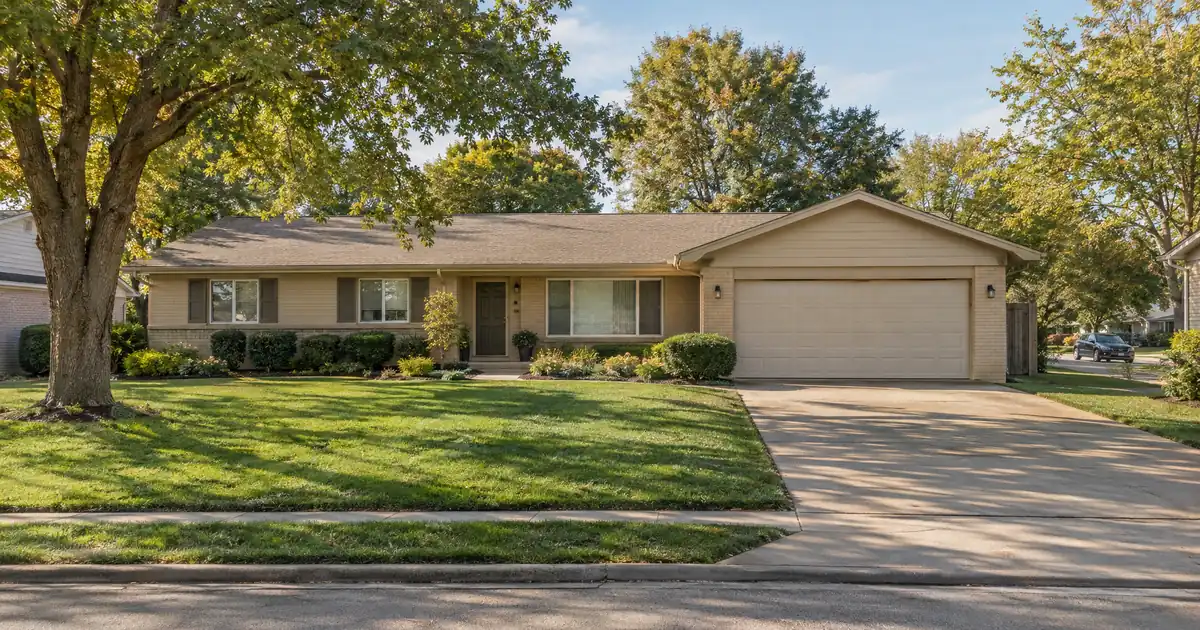
The Quick Read: A conventional cash-out refinance reads your traditional personal-income documentation, while a bank statement loan reads your deposits, so the better choice on a paid-off home usually comes down to whether your taxable income or your actual cash flow tells the stronger story, and whether the property is your home or a rental. Neither is better in the abstract. Each fits a different kind of borrower.
- Conventional fits salaried borrowers, and self-employed owners whose returns show strong net income.
- A bank statement loan fits owners whose write-offs shrink taxable income while deposits stay healthy.
- Across Lendmire’s wholesale network, owner-occupied bank statement cash-out reaches up to 80% LTV, and investment-property cash-out tops out around 75%, subject to lender guidelines.
- Loan sizes run roughly $125,000 to $3,500,000, with reserves commonly around six months of the housing payment.
- Occupancy comes first. A residence and a rental follow different paperwork rules.
Here is the honest short answer. If your returns qualify you, conventional is the simpler road. If they don’t, a bank statement loan exists for exactly that gap. It is reviewed on documented income under the applicable program, subject to lender guidelines. Lendmire is a broker, so it arranges these loans through select lenders. It does not lend or approve.
Key Terms Defined
Cash-out refinance: a new first mortgage that puts cash in your hands. On a paid-off home, there is no old loan to pay off.
LTV (loan-to-value): the loan amount as a percentage of the property’s appraised value.
Bank statement loan: a non-QM loan, meaning it falls outside standard agency boxes. It converts 12 months of deposits into qualifying income.
Expense factor: a percentage the lender subtracts from business deposits to estimate what you actually keep. It varies by lender and program.
Reserves: liquid savings left over after closing, measured in months of the housing payment.
Vesting: how title is held, whether in your own name or in an entity such as an LLC.
Side-by-Side
The conventional column below reflects published industry norms. The bank statement column reflects what select lenders in Lendmire’s network publish. Every file is underwritten individually.
| Factor | Conventional Cash-Out | Bank Statement Cash-Out |
|---|---|---|
| Review basis | Income on traditional personal-income documentation | Averaged bank deposits |
| Documentation | Returns, W-2s or schedules | 12 months of statements |
| Property types | Mostly 1-4 unit residences | Residence, second home, rental |
| Entity vesting | Usually your personal name | Possible on investment files |
| Paperwork load | Tax-return heavy | Statement and deposit review |
| Reserves | Vary by occupancy and count | Commonly about 6 months |
| Cash-out leverage | Set by agency matrices | Up to 80% owner-occupied; ~75% investment |
Two rows deserve a closer look. The first is entity vesting, which is where many investors get stuck. The second is review basis, because it drives everything else.
Why a Paid-Off Home Is Still a Cash-Out
Owning a home free and clear does not skip the cash-out category. Both loan types treat a new first mortgage on an unencumbered property as a cash-out transaction. The name feels odd (nothing is being refinanced), but the label stays.
What changes is the payoff step. There is no lien to clear, so all the proceeds come to you. What does not change is everything else: appraisal, title review, credit, insurance, and reserves. Paid-off status simplifies mechanics. It does not waive underwriting.
How Each Loan Reads Your Income
A conventional file starts with your traditional personal-income documentation. A self-employed borrower typically provides two years of personal and business returns, and the lender works from adjusted net income. That is the catch. Legal deductions for depreciation, payroll, vehicles, and a home office shrink taxable income on paper. HousingWire’s non-QM guide describes bank statement loans as a response to this gap.
A bank statement file starts with the money that actually moved through your accounts. The underwriter screens deposits, strips out transfers and one-time items, and applies an expense factor to business accounts. The trade press describes 12 to 24 months of statements as common across this category. Programs in Lendmire’s network lean on 12 months. The result is a monthly income figure the lender then tests against your obligations.
Picture a self-employed owner whose return shows modest net income after heavy write-offs. Their deposits tell a much stronger story. Conventional underwriting sees the first number. Bank statement underwriting sees the second. Same borrower, same home, very different outcomes.
Two limits cap any cash-out. The first is value: the appraisal times the leverage ceiling. The second is income: what your documented earnings can support. The smaller one wins. Big equity does not raise the income limit. Neither product skips credit, reserves, or appraisal either.
Bank statement files are not unverified lending. They use a different documentation path, and the underwriter still checks the deposits.
When Conventional Is the Better Fit
Conventional wins when your returns already support the loan. Here is who it fits best.
- Salaried borrowers. Traditional employment income is exactly what this path was built to read. A bank statement loan would add paperwork for no gain.
- Self-employed owners with strong net income. If the bottom line on your returns clears the bar, you may not need an alternative path.
- Owner-occupants who want the standard route. The documentation is familiar, and the file follows a well-worn track.
Conventional also carries rules you should know about. Fannie Mae’s cash-out guidance treats a new mortgage on a free-and-clear property as a cash-out. It generally wants at least one borrower on title for six months before disbursement, with listed exceptions. One exception covers recent cash purchases, where the original buyer may have been an LLC or partnership the borrower owns outright. Outside that exception, agency refinances usually close in an individual’s name. A property held in an LLC would need to be deeded out first.
That is a published agency norm, not a rule for every program. Still, it is a real hurdle for rental owners. It is also the one place where a “simple” conventional file turns complicated.
Many investors in this spot also look at a bank statement cash-out on a paid-off home only after conventional underwriting says no. The smarter order is to ask which number is stronger before you apply anywhere.
When a Bank Statement Loan Is the Better Fit
A bank statement loan wins when deposits outrun taxable income. In our experience placing these files, the pattern is consistent. The borrower is a contractor, consultant, shop owner, or 1099 earner who writes off aggressively and shows healthy cash flow. Conventional underwriting reads that borrower as a low earner. The statements show otherwise.
Here is what the network’s programs typically offer, subject to lender guidelines.
- Owner-occupied cash-out (primary residence or second home) reaches up to 80% LTV with a fixed expense ratio. An accountant-prepared ratio can bring that to 75%.
- Investment-property cash-out tops out around 75% LTV.
- Asset depletion is an alternative for borrowers with large liquid holdings. It qualifies from those assets and runs to about 80% LTV on a primary residence.
- Loan amounts run roughly $125,000 to $3,500,000, with reserves commonly near six months of the housing payment.
Owner-occupied bank statement files are available in the 16 states covered by Lendmire’s consumer mortgage licensing. Entity vesting on an investment property may be possible per lender program requirements, which matters if your rental sits inside an LLC.
Be realistic about trade-offs. A bank statement loan asks for more explanation of your deposits. Terms follow each lender’s program sheet, and length varies. Expect an underwriter to ask questions about uneven months. That is normal. (It is also why clean, separated business accounts help.)
Another point matters if you own several properties. Each new bank statement loan is underwritten against the same pool of deposits. Stack enough financing on one income stream and the next file gets harder. This is the broker’s view from reviewing many files. It is not a published rule.
Does Occupancy Change the Paperwork?
Yes, and it is the first thing to settle. A cash-out on your primary residence or second home is a consumer mortgage. It carries the standard consumer disclosure package. A bank statement loan on a non-owner-occupied rental, including a short-term rental, is a business-purpose loan and is exempt from those disclosure rules. The CFPB’s truth-in-lending summary describes the business-purpose exemption and its treatment of rental property.
Purpose is judged file by file. If you plan to spend investment-property proceeds on personal expenses, tell your loan officer early. It can change how the lender classifies the loan.
Tax treatment can depend on how the funds are used and how the property is held; investors should keep clear records and speak with a qualified tax professional before relying on any deduction.
A Third Path for Rentals
If the paid-off home is a rental, a third option may beat both. A DSCR loan is reviewed primarily on property-level rental income covering the payment, subject to lender guidelines. It ignores your personal deposits and returns as the main test. It works only for non-owner-occupied business-purpose loans. Lendmire’s complete DSCR loans guide covers how the ratio works.
This matters for the stacking problem above. Bank statement underwriting reviews you. DSCR underwriting reviews the rental. An investor with many properties often finds DSCR scales more cleanly. Someone with one paid-off rental and strong deposits may find either path workable.
The Verdict
Run the decision in this order.
1. Decide the occupancy. Residence or rental? That sets the regime and narrows the products.
2. Compare the two income numbers. Look at net income on your returns, then at average monthly deposits after expenses.
3. If returns win, start conventional. It is the more familiar path.
4. If deposits win, use bank statements. You pay for flexibility with extra deposit review, and you get a loan that fits your real cash flow.
5. If it is a rental held by an investor, price the DSCR route too. The property’s rent may carry the file better than your income does.
Not ideal for everyone, but clear for most. The right answer is whichever number is stronger on your own file.
Frequently Asked Questions
Can I cash out a home with no mortgage?
Yes, on either path. A free-and-clear property is treated as a cash-out transaction, and the new loan becomes the first lien. You still go through appraisal, title review, credit, and reserves. Leverage limits depend on occupancy and program.
Do I have to wait after buying a home with cash?
Often, yes, on conventional files. Published agency norms generally want about six months on title, with exceptions for recent cash purchases. Bank statement seasoning follows each lender’s program sheet, so ask before you assume.
Can personal bank statements work, or do I need business accounts?
Either can work, depending on the program. Business accounts usually get an expense factor applied. Personal accounts may be treated differently for sole proprietors. The lender decides which fits your situation.
Is a bank statement loan regulated?
Yes. Owner-occupied bank statement loans are consumer mortgages and follow the standard consumer rules. Business-purpose rental loans fall under a different regime. Neither is unregulated, and non-QM does not mean unverified.
What if my deposits are uneven month to month?
Uneven deposits are common among self-employed borrowers. The underwriter averages the period and may ask about large swings. A written explanation of seasonal income helps the file. Strong reserves and credit can offset a choppy pattern.
For the mechanics of pulling equity out of a rental property, see Lendmire’s guide to cash-out refinance on an investment property.
About Lendmire
As a non-QM mortgage broker (NMLS# 2371349), Lendmire facilitates DSCR investor loans across 41 markets, including Washington, D.C. DSCR eligibility is generally reviewed around property-level rental income instead of personal income documentation, subject to lender guidelines, serving LLC-structured portfolios and self-employed borrowers who don’t fit conventional boxes. A two-time Scotsman Guide Top Mortgage Workplace (2025, 2026).
Get Started
Ready to find the right loan for you?
In about 30 seconds you can review financing options available for your home or investment property. No commitment required.
Informational only. Not a Loan Estimate, approval, or commitment to lend. Program availability and eligibility are subject to lender guidelines, credit approval, property review, and underwriting.
References
1. HousingWire: Non-QM Loans Guide
2. Fannie Mae Selling Guide: Cash-Out Refinance Transactions
3. CFPB: Truth in Lending Act Summary
This article is part of Lendmire’s bank statement loan program — full qualification details, guidelines, and scenarios live on the program page.
Related reading: Bank Statement vs DSCR Cash-Out Refinance on a Paid-Off Property · Conventional vs Bank Statement Cash-Out When Tax Returns Qualify You · How to Get a Bank Statement Cash-Out as a Contractor With a Paid-Off Home
Brandon Miller
Founder & CEO, Mortgage Loan Originator, Lendmire LLC
- Mortgage Loan Originator · NMLS# 1129696 · Verify on NMLS Consumer Access
- North Carolina Real Estate Broker · License# 343312 · Verify on NCREC
- North Carolina Insurance Producer · License# 19053198 · Property, Casualty, Life, Health · Verify on NAIC SBS
- Lendmire LLC · Firm NMLS# 2371349 · Verify firm licensure
Compliance and disclosures. Lendmire (NMLS# 2371349) is a licensed mortgage broker and is not a direct lender, depository institution, financial advisor, or tax professional. Content in this article is general market analysis and educational information — not financial, legal, or tax advice for any specific situation. Lendmire does not guarantee loan approval; every transaction is subject to underwriting by the funding lender. Mortgage pricing and loan program guidelines are subject to change at any time without notice and vary by borrower characteristics, property type, and state regulations. Lendmire complies with Equal Housing Opportunity. Licensure verification: NMLS Consumer Access.