
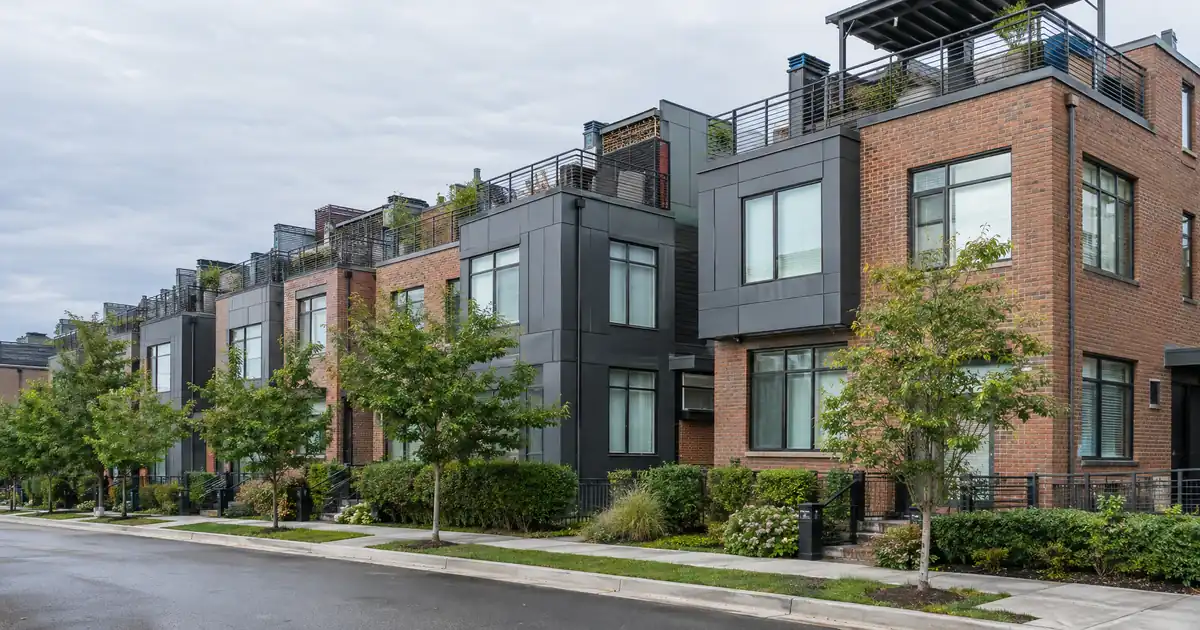
The Quick Read: Yes, usually. A condo with no mortgage can take a new first mortgage, and lenders treat that loan as a cash-out refinance because there is no existing loan to pay off. The limited cash-out (rate-and-term) rules don’t apply. The condo building has to pass review too, not just you. On a one-unit principal residence, conventional cash-out generally tops out at 80% of the appraised value, subject to lender guidelines and full file review.
Why Is It Still Called a “Refinance” When You Owe Nothing?
A refinance replaces one loan with another. With no loan in place, the new mortgage still gets the cash-out label because every dollar of it goes to you, or to whatever you direct it toward.
Fannie Mae’s Selling Guide on cash-out refinance transactions says this directly. A cash-out refinance can pay off existing mortgages. It can also be a new mortgage on a property with no lien, where the borrower owns it free and clear.
Here is why the label matters. A rate-and-term refinance (also called limited cash-out) pays off your current first mortgage and closing costs, with only small cash back. It can reach higher leverage, up to 95% of value on a one-unit primary home across the programs we place files with. A paid-off condo can’t use that lane. Fannie Mae’s limited cash-out page confirms it is a different product, built for a new first mortgage that pays off an existing one.
So the ceiling is lower, and the rules are stricter. That’s the trade for pulling cash from a home you own outright.
What Changes Because It’s a Condo?
A house loan reviews you and the property. A condo loan reviews you, the unit, and the building. A strong borrower can still be turned down because the project fails.
| Who is reviewed | What the lender looks at |
|---|---|
| You | Credit, income, debt, reserves, title history |
| The unit | Appraised value, condition, occupancy |
| The building | HOA budget, insurance, litigation, owner mix, project status |
Fannie Mae can waive the project review for some refinances. But the waiver covers a narrow case: Fannie Mae-owned loans being refinanced as limited cash-out at 80% LTV or less. LTV means loan-to-value, the loan as a percentage of the appraised value. A paid-off condo is not that case. In practice, expect a full project review. Confirm it with your loan officer, because lender overlays can add to the agency rules. Exact terms depend on the lender’s guidelines, property type, leverage, and a full review of the borrower’s file.
Even where review is waived, the project can’t carry an “Unavailable” status in Fannie Mae’s Condo Project Manager. Condo hotels and timeshares are out as well. Fannie Mae’s ineligible projects guidance says units in projects with that status aren’t eligible for purchase or refinance. Critical repairs or evacuation orders can trigger it.
Think of it this way. Your credit can be spotless and the file can still stall on a building with a bad insurance gap or heavy litigation. That’s why we tell condo owners to check the building before they pay for an appraisal.
How Much Can You Borrow?
On a one-unit principal residence, conventional cash-out is capped at 80% of appraised value. Two- to four-unit principal residences, second homes and investment property cap at 75%. Those figures come from the Fannie Mae Eligibility Matrix, and your lender may set lower limits.
The sizing formula is short. Appraised value, times the allowed percentage, minus closing costs, equals your cash. There is no “minus the existing balance” step, because there isn’t one. That is the one real advantage of owning outright: the whole allowed amount is available to you, less costs.
Picture a condo that appraises at a round number. At 80% LTV, the lender could lend up to four-fifths of it. The closing costs come out of that. What’s left is yours. Every figure here varies by lender and program: guidelines, property type, leverage, and credit profile all apply.
One state note. In Texas, a cash-out on the homestead is capped by the state constitution at the agency figure. Treat all of these as program ranges, not promises.
Who Qualifies? The Borrower Checklist
Lenders look at the same core items as any conventional loan, with a few twists for free-and-clear homes.
- Credit. The wholesale conventional programs start at a 620 decision score. The automated underwriting finding governs most files.
- Debt-to-income (DTI). The total ratio ceiling is 50% on automated files. Manually underwritten loans run 36% or 45%, depending on reserves and score factors.
- Reserves. On Fannie Mae DU loans, a DTI above 45% requires six months of reserves. Reserves are cash or liquid assets left after closing.
- Time on title. At least one borrower must have been on title for six months before the loan funds.
- Listed for sale. If the condo was listed, it must come off the market on or before the funding date.
- Occupancy. For a primary residence, all borrowers must occupy the home.
- Credit events. The agencies set waiting periods after a bankruptcy, foreclosure or short sale: four years from a chapter 7 discharge, seven from a foreclosure, and four from a short sale or deed-in-lieu. Documented extenuating circumstances can shorten them.
Bought With Cash Recently? Inherited? In a Trust?
The six-month title rule has exceptions, and they matter for a lot of condo owners.
Recent cash purchase. The delayed financing exception lets you skip the six-month wait. Fannie Mae requires the original purchase to have been an arm’s-length transaction. Guidelines change over time, so confirm the current requirements with the lender before relying on this exception.
Inherited or divorce-awarded condo. Fannie Mae requires no waiting period.
LLC or trust ownership. Time held by a majority-owned LLC may count toward the six months. Time in a revocable living trust counts if you are the primary beneficiary.
The delayed financing exception also requires that the money you used to buy the property be fully documented. If you borrowed to buy it, the cash-out proceeds must pay that borrowing off first. Cash beyond that is allowed only once the borrowed funds are repaid.
Will Your Building Pass? A Pre-Check
Do this before you order an appraisal. It’s the step most guides skip, and it saves the most grief.
1. Ask the HOA for the budget, the master insurance certificate and the condo questionnaire. The lender’s team usually sends the questionnaire to the association. Slow HOA replies are a common source of delay.
2. Scan the budget for reserves. A thin reserve fund or recent special assessments make underwriters nervous.
3. Ask about litigation. Pending lawsuits against the association can sink a project.
4. Ask about owner mix. Too many rentals or delinquent dues can also fail a review.
5. Ask a loan officer about the project’s status. The project must not be “Unavailable,” and it can’t be a condo hotel or timeshare.
6. Ask whether the building is a detached or 2-4 unit project. Fannie Mae can waive review for some of those. A detached unit shares no walls, ceilings or floors with another unit.
Rules shift over time, so confirm current requirements with your lender.
Which Programs Fit a Paid-Off Condo?
A condo with no loan can’t use the government streamline products. Both need an existing government-backed loan to refinance.
| Program | Needs existing loan? | Fits a paid-off condo? |
|---|---|---|
| Conventional cash-out | No | Yes, subject to project review |
| FHA Streamline | Yes (FHA) | No |
| VA IRRRL | Yes (VA) | No |
| Conventional rate-and-term | Yes | No |
The HUD FHA Streamline page states that the mortgage being refinanced must already be FHA insured. It also limits cash taken out to $500. The VA’s IRRRL page says the loan must be a VA-to-VA refinance.
FHA does allow cash-out on a free-and-clear home under its handbook. Condo approval rules apply there too, so check with a lender before assuming a particular condo project qualifies.
Veterans have a harder question. VA cash-out rules are in 38 CFR 36.4306, as explained in VA Circular 26-19-05. VA guidance does not clearly settle whether a VA cash-out can go on a home with no loan, and lenders disagree. Don’t assume it’s available. Confirm with a VA-approved lender, and see Lendmire’s piece How to Get a VA Cash-Out Refinance on a Paid-Off Home for how that question plays out.
For conventional borrowers, the route is Lendmire’s cash-out refinance programs, arranged through wholesale lenders in the states where Lendmire is licensed for consumer lending.
What Does the Process Look Like?
1. Pre-check the building. Request HOA documents and confirm project status.
2. Apply and review the Loan Estimate. The lender gives you a Loan Estimate showing the loan’s features, any prepayment penalty and the total cost. The CFPB‘s refinance handout says to compare these side by side.
3. Title and ownership check. The lender confirms you own the condo with no liens.
4. Documentation. Income, assets, credit and source-of-funds paperwork.
5. Appraisal. It sets the value that the LTV cap applies to.
6. Project review. The lender reviews the HOA package.
7. Underwriting and closing. The lender decides on the full file. Condo-specific steps are the usual pinch points.
What Does It Cost?
Costs fall into four buckets: the appraisal, HOA document fees, title work and lender charges. We’re not quoting dollars here, because they vary by lender, county and building.
A “no-closing-cost” refinance isn’t free. The costs get built into the interest rate or added to the loan balance. Compare the total cost on your Loan Estimate, not the headline pitch. Also check for a prepayment penalty.
If the Building Fails Review
You have a few paths, none of them painless.
- Ask the HOA to fix the issue and resubmit. Missing documents and insurance gaps are sometimes fixable. Lawsuits and low reserves are not simple fixes.
- Try a different loan lane. Some lenders offer non-agency products for buildings that fail conventional review. Expect different terms and tighter limits.
- Use a different tool. A home equity line of credit (HELOC) is a separate loan against your equity, and some lenders handle condo review differently for it.
- Wait. Projects can regain eligibility once repairs or litigation resolve.
None of these is a sure thing for your building. Each depends on lender guidelines and full file review.
Cash-Out, HELOC, Home Equity Loan or Sell?
The usual argument against a cash-out refinance is that you’d lose a cheap first mortgage. You don’t have one. That argument disappears, so other factors decide.
| Option | Payment type | Best for |
|---|---|---|
| Cash-out refinance | One fixed new first mortgage | A lump sum, one predictable payment |
| HELOC | Draw as needed | Ongoing or uncertain expenses |
| Home equity loan | Fixed second lien | A set amount at a fixed term |
| Sell | None | Cashing out fully and moving on |
Pick based on how much you need, whether you need it in one piece, and how you feel about a fixed payment. A cash-out refinance also puts a new first lien on a home that had none.
Risks and When Not to Do It
You go from no mortgage payment to a new one. That’s a permanent change to your monthly budget, and it should come with a plan.
The CFPB’s research notes that converting non-mortgage debts into mortgage debt secured by the home can put the home at risk of foreclosure if payments become unsustainable. Default on a credit card and you face collection. Default on a mortgage and you can lose the condo.
Condo owners carry one more risk. HOA dues and special assessments can rise after you borrow. Build a cushion for that.
Use-of-funds test: if the cash pays for something that adds value or fixes a real problem, such as repairs, it’s easier to defend. If it papers over a spending pattern, think twice. Tax treatment can depend on your situation; borrowers should speak with a qualified tax professional before relying on any deduction or credit.
A paid-off condo that’s a second home or rental follows the same rule: occupancy decides the leverage, and the cap drops to 75%.
Key Terms Defined
Free and clear: you own the property with no mortgage or other lien against it.
LTV (loan-to-value): the loan amount as a percentage of the appraised value.
Seasoning: a required waiting period, such as six months on title.
Warrantable condo: a building that meets the agency rules for project eligibility.
Delayed financing: an exception that lets a recent cash buyer borrow without the usual six-month wait.
Reserves: cash or liquid assets you hold after closing.
Frequently Asked Questions
Is a loan on a paid-off condo really “cash-out”?
Yes. The rate-and-term lane doesn’t apply because there’s no existing loan to pay off.
Can I do it right after paying off the condo, or buying it with cash?
Sometimes. A borrower generally needs six months on title. Exceptions include delayed financing for a recent cash purchase, inheritance and a divorce award. Details depend on the lender and the file.
Can I use a streamline refinance?
No. The FHA Streamline needs an existing FHA loan, and the VA IRRRL needs an existing VA loan. A paid-off condo has neither.
What if my building isn’t eligible?
The conventional loan can’t go forward while the project is ineligible. You can ask the HOA to fix the issue, look at other loan lanes or products such as a HELOC, or wait. None is a sure thing.
Does the appraisal matter that much?
Yes. The appraised value is the number the maximum LTV is applied to. A lower value means less available cash.
If you are weighing a cash-out refinance on a home you own outright, Lendmire can help you compare the programs and the equity each one reaches. Program figures are subject to lender guidelines and full file review, and nothing here is a commitment to lend.
For your own numbers, request a scenario review with Lendmire.
For current guidelines and terms, see Lendmire’s refinance programs page.
About Lendmire
Lendmire — NMLS# 2371349 — is a mortgage broker that arranges FHA, VA, conventional and jumbo home purchase and refinance financing in 16 states through wholesale lenders. Every option is subject to the lender’s guidelines and full underwriting. Scotsman Guide named Lendmire a Top Mortgage Workplace in both 2025 and 2026.
Get Started
Ready to find the right loan for you?
In about 30 seconds you can review financing options available for your home or investment property. No commitment required.
Informational only. Not a Loan Estimate, approval, or commitment to lend. Program availability and eligibility are subject to lender guidelines, credit approval, property review, and underwriting.
References
1. Fannie Mae Selling Guide B2-1.3-03, Cash-Out Refinance Transactions
2. Fannie Mae Selling Guide B2-1.3-02 Limited Cash-Out
3. Fannie Mae Selling Guide B4-2.1-03 Ineligible Projects
4. Fannie Mae Eligibility Matrix
5. HUD FHA Streamline Refinance
6. VA: IRRRL
8. CFPB
This article is part of Lendmire’s Refinance series — every loan program’s qualification details, guidelines, and scenarios live on the loan options page.
Related reading: How a Cash-Out Refinance Qualifies One Spouse Keeping a Paid-Off Home · How to Buy a Second Home With a Cash-Out Refinance on a Paid-Off Home · How to Close a Cash-Out Refinance on a Paid-Off Texas Home
Brandon Miller
Founder & CEO, Mortgage Loan Originator, Lendmire LLC
- Mortgage Loan Originator · NMLS# 1129696 · Verify on NMLS Consumer Access
- North Carolina Real Estate Broker · License# 343312 · Verify on NCREC
- North Carolina Insurance Producer · License# 19053198 · Property, Casualty, Life, Health · Verify on NAIC SBS
- Lendmire LLC · Firm NMLS# 2371349 · Verify firm licensure
Legal disclosures. Lendmire (NMLS# 2371349) is a state-licensed mortgage brokerage that arranges financing through wholesale lender relationships. Lendmire is not a direct lender, depository institution, or registered financial advisor. The discussion above is general informational content about real estate financing — it is not financial, legal, or tax advice, and readers should consult licensed professionals for guidance on their individual circumstances. Loan inquiries are subject to lender underwriting; this article does not represent a commitment to lend. Loan terms, rates, and qualification standards vary by borrower, property, and state, and are subject to change at any time. Equal Housing Opportunity. NMLS Consumer Access: nmlsconsumeraccess.org.