
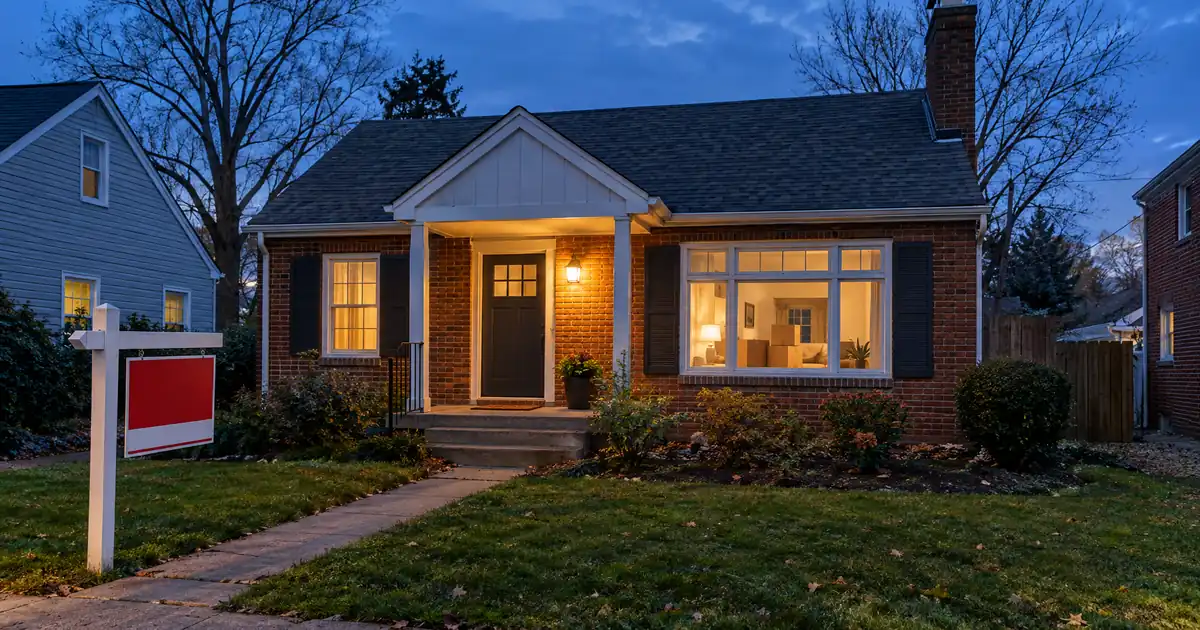
The Quick Read: A lender counts the liquid money you still have after closing and divides it by the monthly payment on the new loan. The answer is a number of months, and your file must meet the required number. The cash you take out of the second home generally does not count toward it, and the number can rise if you own other financed properties. Subject to lender guidelines and full file review, this is a separate test from your equity.
What Are Reserves, and What Are They Not?
Reserves are your cushion. They are the liquid or near-liquid money left in your accounts after every closing cost is paid. The lender wants proof that you can keep paying the mortgage if income hiccups.
Three things get mixed up here, so keep them apart:
- Funds to close are the money you need on the closing date, including any costs the loan does not cover.
- Reserves are what remains after that.
- Equity is the gap between what the home is worth and what you owe. It controls how much you may borrow, not how much cushion you hold.
Here is the catch. You can own a second home with plenty of equity and still fail on reserves. The two tests run side by side, and passing one does not excuse the other.
Second homes get closer scrutiny than primary homes. Lenders see them as the first payment to slip in a tight year, because you can live without a vacation house but not without your main home. Conventional guidelines ask for more cushion and allow less leverage. A cash-out loan adds one more layer, because you are borrowing against the house rather than just replacing a loan.
Reserves are one test inside Lendmire’s cash-out refinance programs, alongside leverage, credit, seasoning and debt-to-income. This article covers the reserve test only.
How Does a Lender Build the Number?
A lender follows the same order on most files. Here it is, step by step.
1. Pick the program. A second home cash-out refinance is a conventional loan. It runs under the conventional guidelines, with a lower leverage cap than a principal residence. Across the wholesale programs Lendmire places files with, that cap is 75% of value on a second home, compared with 80% on a one-unit principal residence.
2. Run automated underwriting. The lender’s system reads your credit, income, debts, equity and assets. It returns a finding that includes how many months of reserves you must verify.
3. Total your eligible assets. The lender adds up the accounts it will count. Not every account qualifies, and some count at a discount.
4. Subtract what closing consumes. Down payments are not in play here, but closing costs, payoffs and prepaid items that you pay from your own funds come out first.
5. Remove the cash-out proceeds. Money you receive from this same loan is not counted as your cushion.
6. Convert months into dollars. The lender multiplies the required months by the qualifying payment on the new loan. That payment covers principal and interest, insurance, taxes, assessments and association dues. It also covers any payment on a second lien that stays in place.
7. Add the other-property layer. If you own other financed properties, extra reserves can apply.
8. Compare. What is left after steps 3 to 5 must meet or exceed the number from steps 6 and 7. If it does, the reserve test is met.
One point confuses many borrowers: which payment is used. The test uses the payment on the new, larger loan, because that is the loan being approved. It is not the payment on the loan you are paying off.
The appraisal plays no role in this math. The appraisal sets the value and therefore the leverage cap. It never changes how many months of cushion you need.
Key Terms Defined
Reserves: Liquid or near-liquid assets you still hold after the loan closes, measured in months of the qualifying payment.
PITIA: Principal, interest, taxes, insurance and association dues, the full monthly cost of the home that reserves are measured against.
Funds to close: The money you must bring to the closing table, which the lender subtracts before counting reserves.
Cash-out refinance: A new, larger mortgage that pays off the old one and hands you the difference in cash.
Limited cash-out (rate-and-term) refinance: A refinance that pays off the old loan and costs, with only incidental cash back, so it faces a higher leverage cap.
Automated underwriting: Software that reads your file and issues a finding, including the reserves you must verify.
Financed property: A property you own that carries a mortgage or home equity line, which can raise your reserve requirement. The exact numbers vary by lender and program and follow a full review of property, leverage, and credit.
What Decides How Many Months You Need?
Four things set the number, and the automated finding puts them together. The Fannie Mae Selling Guide says the minimum varies with the transaction, the occupancy type, the number of units, and how many other financed properties you own. Manually underwritten loans use a table in the agency’s eligibility matrix. Loans run through automated underwriting get the requirement from the system’s overall risk read of the file.
| Trigger | Effect on reserves | Where to confirm |
|---|---|---|
| Occupancy (second home) | A baseline requirement applies | Lender’s finding |
| Cash-out transaction | Stricter than limited cash-out | Eligibility matrix |
| Higher debt-to-income | Can force a minimum on cash-out | Eligibility matrix |
| Other financed properties | Adds reserves on top | Selling Guide |
| Manual vs. automated | Different source for the number | Lender’s finding |
Fannie Mae’s Eligibility Matrix shows why a second home differs. A one-unit principal residence can carry no reserve requirement on a clean file, while a second home carries a baseline. The matrix also notes that cash-out refinances with a high debt-to-income ratio are subject to minimum reserves. In plain words, a stretched budget makes the lender want a thicker cushion. Final terms depend on the lender’s guidelines, the property type, and the borrower’s complete credit picture.
Strong reserves can help the other way. In automated underwriting they can act as a compensating factor, offsetting a weaker spot in the file, per the agency’s asset verification guidance. Reserves give the system a reason to say yes.
Lender overlays add to all of this. A lender may set higher reserves than the agency baseline, and the agency guides change from time to time. Treat any published number as a starting point, and confirm it against your own file.
Do Cash-Out Proceeds Count as Reserves?
No. Cash-out proceeds from the same refinance are not an eligible source of reserves. Freddie Mac says so directly in its guide FAQ, and the Fannie Mae approach is the same.
The logic is simple. Reserves exist to cover the payment if something goes wrong. If the cushion is borrowed from the same loan, the new debt creates its own safety net. The lender wants assets that existed before the loan.
This is the most common misunderstanding on these files. A borrower pulls cash out, sees a large balance in the account and assumes the reserve box is checked. It is not. The lender counts your assets apart from the cash coming from the subject loan.
Picture a homeowner who needs a few extra months of cushion and plans to take it from the equity in the second home. The plan fails on its own terms. Raising the leverage does not raise the cushion.
A related question comes up when you pull cash from your primary home to improve a second home file. That is a different loan on a different property. If the funds have closed and settled in your account, the lender reviews them under its normal asset rules. Ask early how your lender treats them, because documentation and timing matter.
What If You Own Other Financed Properties?
Then the requirement often grows. The Fannie Mae Selling Guide adds extra reserves when the subject is a second home and you own other financed properties beyond the subject and your principal residence. The add-on is a percentage of the combined unpaid balances on mortgages and home equity lines on those other properties. The percentage steps up as the number of financed properties climbs.
Freddie Mac takes a different route. Its automated findings can add months of payment for each additional financed second home or other property. Both agencies use a tier system, and the tier rises with your count.
Two practical notes follow:
- The calculation excludes certain loans, and the official page spells out which. Ask the lender which of your loans count.
- The agency figures change, so read the current page rather than a summary.
This add-on catches borrowers off guard. A buyer with a single second home and a primary residence may face a small add-on or none. A borrower with several financed properties can face a requirement that rivals a year of payments on the new loan.
What Counts as an Asset?
Eligible assets are liquid or close to it, and you can document them. The usual list includes checking, savings, money market accounts and brokerage holdings. Retirement accounts also count, but only the vested portion.
| Asset type | Usual treatment | What the lender checks |
|---|---|---|
| Checking and savings | Counted in full | Recent statements |
| Brokerage and mutual funds | Often counted at a discount | Statements, market value |
| Retirement accounts | Only the vested amount | Vesting statement |
| Proceeds from a sale | Counted once closed | Settlement statement |
| Gifts | Depends on the program | Gift documentation |
Several sources do not count at all. The Fannie Mae guide lists non-vested stock options, restricted stock, personal unsecured loans, interested-party contributions and rent-back credit as ineligible reserve sources.
Documentation is where files stall. Freddie Mac’s Section 5501.1 covers when a refinance must verify funds and reserves. It lets the seller verify through statements or verification vendors. It also tells the seller to consider liabilities tied to borrowed funds. A recent large deposit with no paper trail invites questions, so keep your statements clean and explain any big movements before the lender asks.
One Worked Example, No Dollars
Say a borrower owns a lakeside cabin worth a round figure. They want a cash-out refinance at the 75% leverage cap for second homes, because they plan to renovate. They also own a primary residence with a mortgage. Each figure is subject to lender guidelines and a complete review of property type, leverage, and credit.
The deal works like this:
- The automated finding asks for a set number of months of the new payment.
- The borrower holds checking and savings, a brokerage account, and a retirement account that is partly vested.
- The lender counts the checking and savings in full, the brokerage account at a discount, and only the vested part of the retirement account.
- Closing costs the borrower pays from their own funds come out of that total.
- The cash coming out of the cabin loan is set aside and does not count.
- The lender multiplies the required months by the new payment and compares.
- Because the primary home carries a mortgage, an add-on for other financed properties may apply on top.
Now the result. If the remaining assets meet the number, the reserve test is met. If they fall a few months short, the file is not dead, but it needs a fix. The next section covers the options.
Notice what did not matter: the home’s appraised value, once the leverage cap was cleared. And notice that the renovation money, the very cash from the loan, never entered the reserve math.
Where the General Rule Bends
The method above covers most second home cash-out files. A few situations break the pattern.
Co-op share loans. The Fannie Mae matrix says co-op share loans cannot be used for cash-out refinances on second homes.
Delayed financing. A borrower who bought with cash can sometimes pull money out soon after. Fannie Mae allows a cash-out refinance within six months of purchase when specific requirements are met, per its cash-out refinance guidelines. Across the wholesale programs Lendmire works with, the standard seasoning is that the loan being paid off is at least 12 months old, and the borrower has been on title for six months. Reserves apply on top of either path.
Listed properties. If the home was listed for sale, it must be off the market on or before the loan’s disbursement date.
FHA and VA streamlines. These do not solve the second home cash-out problem. The FHA Streamline and the VA IRRRL are rate-and-term tools for existing government loans, and neither provides cash out. They also do not run reserve math the way a conventional second home cash-out does. FHA standard cash-out refinancing is limited to principal residences. Agency archive pages describe older rules for secondary residences, so read the current handbook before assuming anything.
Jumbo loans. No federal rule sets jumbo reserves. Each investor writes its own, and agency rules are only a reference point. A jumbo second home cash-out can ask for more months than the conventional baseline, and the number varies by lender.
Retirement and stock accounts. Some programs apply a haircut, meaning they count only part of the market value. Ask the lender how your accounts will be valued before you plan around them.
For readers pairing a second home with an expensive appraisal, Lendmire’s piece How to Handle Two Appraisals on a Second Home Jumbo Cash-Out Refinance covers that wrinkle.
Why Files Come Up Short, and What Helps
Most reserve shortfalls come from the same handful of problems. Here they are, with the usual fixes.
- Cash-out money counted as cushion. Fix: plan the reserve from assets you already hold.
- Retirement balances counted in full. Fix: ask for the vested amount only, and expect a discount on securities.
- Unexplained deposits. Fix: keep a paper trail and add a short written explanation.
- Other financed properties overlooked. Fix: list every property loan and credit line up front so the lender can run the add-on early.
- Closing costs drained the accounts. Fix: let the closing costs roll into the new loan where the program allows, which preserves cash. Freddie Mac says closing costs, financing costs and prepaids can be rolled into a cash-out loan, per its cash-out refinance page.
- Marginal debt-to-income ratio. Fix: paying down a revolving balance can lower the ratio, and in some cases it lowers the reserve trigger too.
Timing matters as well. Moving money between your own accounts is easy to document. Borrowing money to fill an account is not. Personal unsecured loans do not count as reserves.
Rolling in costs has a tradeoff. A cash-out refinance makes the loan bigger, which can lengthen the payoff and raise the monthly payment. The CFPB’s guide to using home equity says lenders typically want you to keep some equity in the home. It also notes that no option lets you turn all of it into cash. A bigger loan also means a bigger payment to multiply, and that can push the reserve target up.
Second Home, Primary Home and Beyond
The same borrower faces different rules depending on how the home is used.
| Factor | Principal residence | Second home |
|---|---|---|
| Cash-out leverage cap | 80% (one unit) | 75% |
| Reserves | Often none on a clean file | Baseline applies |
| Other-property add-on | Less common | Can apply |
Investment property sits stricter still, at the same 75% cash-out cap on one to four units, and it is a separate loan type. The occupancy you declare decides the leverage and the reserve test. Declare it honestly, because the lender checks the use of the home. Leverage, reserves, and pricing vary by lender and program; the final terms follow the full file review.
What the Decision Looks Like in Practice
Start with your cushion, not your equity. List every account, what it holds, and how you can document it. Then work backward.
First, estimate the new payment on the bigger loan, using your lender’s figures. Next, ask how many months the finding requires. Subtract your closing funds. If the gap is thin, consider a smaller cash-out amount. A smaller loan lowers the payment, which lowers the dollar target.
Then ask whether cash-out is the right tool. If you want a lower payment or a different term and need no cash, a limited cash-out refinance carries a higher leverage cap on a second home. That route shifts the math, though the reserve question stays. Lendmire’s article How a Cash-Out Refinance Lender Counts Reserves Against the New Payment goes deeper on that comparison.
The strongest files show a borrower with cushion in plain sight, clean statements, and a loan sized to the file. Weak files lean on the cash coming out.
Frequently Asked Questions
How many months of reserves do I need on a second home cash-out refinance?
It depends on the automated finding for your file. A second home carries a baseline, and cash-out, a higher debt-to-income ratio, and other financed properties can all raise it. Jumbo loans use the investor’s own number. Ask your lender for the exact requirement on your file before you plan.
Can I use my retirement account to meet reserves?
Often yes, but only the vested balance counts. Some lenders discount the value, and you will need current statements that show vesting. The money does not have to be withdrawn in many cases, but confirm that with your lender.
Does the lender use my current payment or the new payment?
The new payment. Reserves are measured against the qualifying payment on the mortgage being approved. That payment covers principal, interest, taxes, insurance, association dues and any payment on a second lien that remains.
Can I count the cash I take out as part of my reserves?
No. Cash-out proceeds from the subject refinance are not an eligible reserve source. Reserves must come from assets that exist apart from the new loan.
Do gift funds count toward reserves?
It depends on the program and the documentation. Some programs accept gifts for certain purposes and not others. Ask early, because the rules differ between transaction types.
Next Step
If you are weighing a cash-out refinance against keeping the loan you have, Lendmire can help you compare the programs and the equity each one reaches. Everything here is subject to lender guidelines and full file review, and nothing in it is a commitment to lend.
Your reserve number decides whether the lender will approve a loan on the second home, so build the cushion before you ask for the cash. Equity and leverage limits, not reserves, set how much you can borrow.
For your own numbers, request a scenario review with Lendmire.
For current guidelines and terms, see Lendmire’s refinance programs page.
About Lendmire
Lendmire (NMLS# 2371349) is a mortgage broker licensed for consumer lending in 16 states. Lendmire arranges FHA, VA, conventional and jumbo purchase and refinance loans through wholesale lenders; every file is underwritten by the lender under the applicable program guidelines. Scotsman Guide named Lendmire a Top Mortgage Workplace in both 2025 and 2026.
Get Started
Ready to find the right loan for you?
In about 30 seconds you can review financing options available for your home or investment property. No commitment required.
Informational only. Not a Loan Estimate, approval, or commitment to lend. Program availability and eligibility are subject to lender guidelines, credit approval, property review, and underwriting.
References
1. Fannie Mae Selling Guide B3-4.1-01, Minimum Reserve Requirements
2. Fannie Mae Eligibility Matrix
3. Fannie Mae Selling Guide B3-4.4-01, DU Asset Verification
4. Freddie Mac Guide FAQ on cash-out proceeds
5. Freddie Mac Guide Section 5501.1
6. Fannie Mae Selling Guide B2-1.3-03, Cash-Out Refinance Transactions
7. Freddie Mac Cash-Out Refinance product page
8. CFPB guide to using home equity
This article is part of Lendmire’s Refinance series — every loan program’s qualification details, guidelines, and scenarios live on the loan options page.
Related reading: How to Buy a Second Home With a Cash-Out Refinance on a Paid-Off Home · Is a Loan on a Paid-Off Second Home a Cash-Out Refinance? · How to Shorten a Cash-Out Refinance on a Second Home
Brandon Miller
Founder & CEO, Mortgage Loan Originator, Lendmire LLC
- Mortgage Loan Originator · NMLS# 1129696 · Verify on NMLS Consumer Access
- North Carolina Real Estate Broker · License# 343312 · Verify on NCREC
- North Carolina Insurance Producer · License# 19053198 · Property, Casualty, Life, Health · Verify on NAIC SBS
- Lendmire LLC · Firm NMLS# 2371349 · Verify firm licensure
Compliance and disclosures. Lendmire (NMLS# 2371349) is a licensed mortgage broker and is not a direct lender, depository institution, financial advisor, or tax professional. Content in this article is general market analysis and educational information — not financial, legal, or tax advice for any specific situation. Lendmire does not guarantee loan approval; every transaction is subject to underwriting by the funding lender. Mortgage pricing and loan program guidelines are subject to change at any time without notice and vary by borrower characteristics, property type, and state regulations. Lendmire complies with Equal Housing Opportunity. Licensure verification: NMLS Consumer Access.