
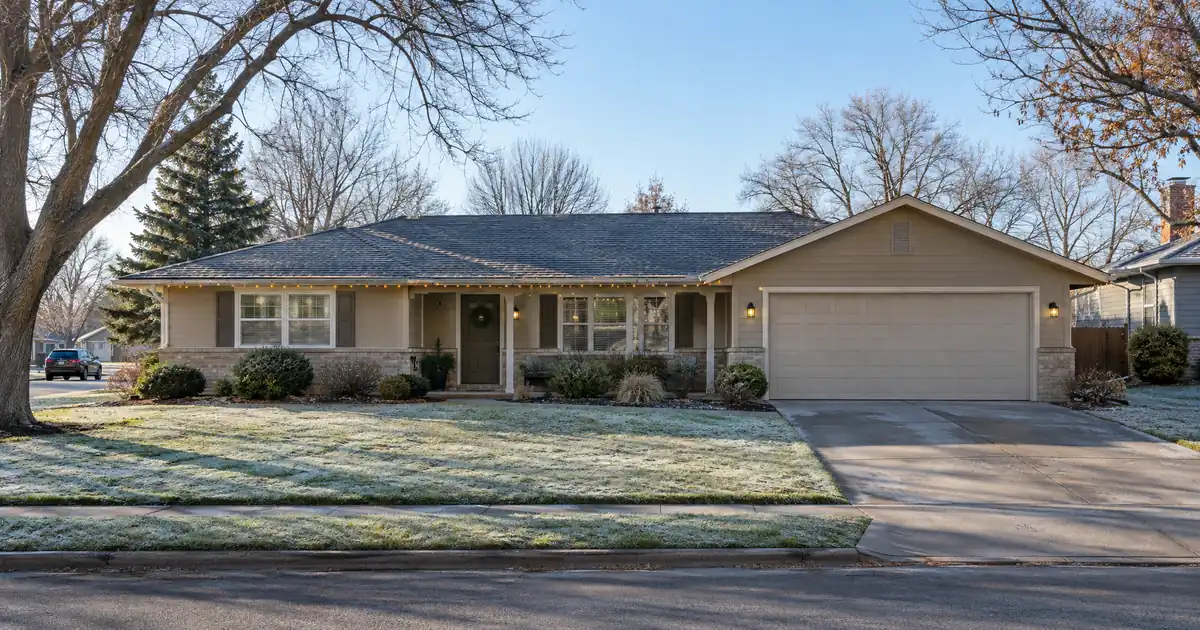
The Quick Read: Keeping a high-equity rental out of a portfolio loan means leaving it as a stand-alone asset, titled in your own name or a revocable trust, with its own first mortgage or none at all, so a home equity line can sit on it without any other property’s debt attached. The portfolio loan and the HELOC are different products with different underwriting. You pick one path for the property, and the title and existing liens decide which paths are open.
- On an investment property, lines in Lendmire’s wholesale network top out at 70% combined loan-to-value, with a $500,000 maximum line and a 700 minimum credit score.
- An LLC cannot hold title on these lines, and many pooled loans want an LLC, so the two structures often pull in opposite directions.
- If the rental already sits in a blanket loan, it generally has to be released before any line can attach.
- Your real borrowing room is smaller than your gross equity, because the valuation, the lender’s cushion and the program limits all cut into it.
Key Terms Defined
Portfolio DSCR loan (blanket loan, cross-collateralized loan): One note secured by several rentals. Pooled rent is tested against pooled debt service. A bank’s own portfolio loan, meaning a loan the bank keeps on its books, is a different use of the same word.
HELOC: A home equity line of credit. It is a revolving line secured by a property, sitting in first or second lien position.
CLTV: Combined loan-to-value. You add every lien on the property, including the new line, and divide by the property’s value.
Cross-collateralization: One property backing more than one debt, so the equity in one asset supports the others.
Release clause: A term in a blanket loan that lets one property leave the pool when specific conditions are met.
DSCR: Debt service coverage ratio. It compares the property’s rent to its PITIA (principal, interest, taxes, insurance and association dues).
Usable equity: The equity a lender will actually lend against, after its cushion, the valuation and the program limits.
What a Portfolio Loan Actually Does to One Rental
A portfolio loan pools your rentals under one note. The 30-year portfolio DSCR loan covers 2 to 20 properties, with loan sizes from $300,000 to $5,000,000 and leverage up to 80% of value on a purchase or rate-and-term refinance. Coverage is measured on the whole pool, with a 1.00 floor on pooled rent against pooled debt service. Stronger properties can offset weaker ones. A weaker rental can sit in the pool, though underwriting tests the pooled coverage, the leverage and the terms. The exact numbers vary by lender and program and follow a full review of property, leverage, and credit.
The rental portfolio term loan is built for five or more rental properties or units. Loan sizes run from $500,000 to $50,000,000, with leverage up to 75% of value. Terms are fixed at 3, 5, 7 or 10 years with a balloon at maturity. Both recourse and non-recourse versions exist. A non-recourse loan looks to the real estate, with recourse limited to carve-outs such as fraud and bankruptcy. Final terms depend on the lender’s guidelines, the property type, and the borrower’s complete credit picture.
Both structures are efficient for scaling. They are also a poor fit when one asset is rich in equity and you want to borrow against it separately. Pooling that rental pledges its equity to the entire note.
Why Lenders Want Your Equity-Rich Rental in the Pool
A property with big equity is the best collateral you own. Corporate Finance Institute notes that assets carrying equity are attractive for cross-collateralization because of the surplus value left after existing debt. In plain words, your best rental makes the whole pool safer for the lender.
That is the lender’s gain and your exposure. A late payment or a long vacancy on one property can strain the whole note. Nav explains that many agreements include a cross-default provision, so defaulting on one loan can trigger default on the others.
Cross-default and cross-collateralization are separate clauses. One says a missed payment elsewhere counts as a missed payment here. The other says what each property secures. Read both in the loan documents, because a note can have one without the other.
Pooling also changes your exit. Selling one property out of a pool depends on the release terms in the loan documents. The release price runs above the property’s allocated balance, and the remaining portfolio must still cover its debt service. Many investors discover that only when they try to sell.
How Underwriting Treats a HELOC: Step by Step
A line on an investment property is underwritten to you and the property’s equity. It is not underwritten to pooled rent. Here is the order a lender works through.
1. Title and vesting. Title must be held by you as an individual or by an inter vivos revocable living trust. LLCs, corporations, partnerships, and irrevocable, blind or land trusts cannot hold title. This is the sharpest difference from a DSCR loan.
2. Existing liens. The lender checks what is already recorded. A free-and-clear rental gives the line first position. If a mortgage exists, the line goes behind it in second position, and the first mortgage’s documents must allow that. If the property is in a blanket, it must come out first.
3. Credit. On investment property the minimum score is 700. Both 700 and 720 reach the same 70% ceiling, so a higher score buys eligibility, not extra leverage.
4. Combined leverage. The investment ceiling is 70% CLTV, and the maximum line is $500,000.
5. Debt-to-income. DTI tops out at 50%. The lender reviews your file on the interest-only payment calculated on the maximum draw, which is stricter than the amount you plan to use.
6. Valuation. Because an investment line caps at $500,000, and full appraisals begin only above that, the property is ordinarily valued by an automated model with no traditional appraisal. A higher CLTV may call for a secondary valuation, and you can ask for a full appraisal.
Property type matters too. Single-family homes, 2-4 unit properties, townhomes, PUDs and condominiums, including non-warrantable condos, are eligible. Manufactured homes, co-ops, condotels, log homes, commercial and mixed-use property, and agricultural zoning are not offered. A borrower is limited to three lines, and an owner of more than 15 financed properties is not eligible.
This structure is also narrower than the DSCR footprint. Lendmire arranges DSCR investor loans across 41 markets, including Washington, D.C., while its home equity lines are available only in its 16 full-service states.
HELOC, Portfolio Loan, Cash-Out or Home Equity Loan?
The table shows what each product does to the first mortgage you may already have. It is qualitative on purpose, since leverage and terms vary by file.
| Option | Your first mortgage | Underwritten on | Best fit |
|---|---|---|---|
| Investment HELOC | Stays if its documents allow a second lien | You, equity and combined leverage | Keep the first loan, borrow gradually |
| Portfolio DSCR loan | Replaced by the pooled note | Pooled rent against pooled debt | Scaling several rentals together |
| DSCR cash-out refinance | Replaced by a new first loan | The property’s rent and value | One loan, one lump sum |
| Home equity loan | Stays if its documents allow a second lien | You, equity and combined leverage | A fixed lump sum behind the first loan |
On the DSCR cash-out row, a standard rental cash-out tops out around 75% LTV, and short-term-rental collateral tops out at 70%. About six months of seasoning is the common expectation. For a closer look at one rental, Lendmire’s piece DSCR Cash-Out vs HELOC vs Blanket Loan for One High-Equity Rental goes deeper. Each figure is subject to lender guidelines and a complete review of property type, leverage, and credit.
A Worked Example in Percentages
Treat the property’s value as 100%. Say your first mortgage balance is 45% of that value. Your gross equity is 55%.
The investment ceiling is 70% CLTV. So the most the lien stack can reach is 70% of value. Subtract the 45% already owed, and the most a new line could add is 25% of value.
Now apply reality. A valuation model can come in below your estimate, and every dollar of drop shrinks that 25%. The $500,000 maximum line binds on higher-value properties. At least 75% of the line must also be drawn at closing, so this is not a standby fund. Pricing stays variable through both the draw and the repayment period.
If the same property were free and clear, the line would take first position. Room could run up to 70% of value, again capped by the $500,000 line maximum.
Here is the part many investors overlook. A second lien dilutes coverage, because the same rent now supports two payments. The HELOC does not test rent coverage at all. The lender tests you, so make sure the combined obligations fit your personal DTI and your reserves.
The Three Situations You Might Be In
The rental is not in any pool yet
This is the easy case. Keep it that way. When you buy or refinance other properties, ask for separate notes and not one blanket.
Also check how you hold title before you borrow. If your DSCR lender asks for an LLC on the next purchase, do not move this rental into it. That choice alone would close the HELOC door.
The rental is already in a blanket
The pool lender holds a lien across every property. A HELOC lender will not sit behind that, so you must release the property first. A release clause is a contract term, not a right. The release price runs above the allocated balance, and the remaining portfolio must still cover its debt service. Pull the allocation schedule and the release language before you shop for a line.
A DSCR first mortgage already sits on it
The gatekeeper here is the first mortgage’s own contract. Look for due-on-sale and additional-lien language in the note and the mortgage or deed of trust. The federal due-on-sale statute, 12 U.S.C. §1701j-3, lists exceptions that include creating a subordinate lien on residential property of fewer than five units. Whether those protections reach a business-purpose rental is unsettled, and they do not override a separate additional-lien covenant. Have an attorney read your note before you rely on them. So the honest answer is that it depends on the note.
A common alternative is to refinance so the new first-lien lender also offers a line. That moves you off the second-lien route entirely.
Where the General Rule Breaks
LLC-held rentals. Title in an LLC rules out these lines. A property already deeded to an LLC needs a vesting change or a DSCR cash-out instead. Some investors re-title to qualify and deed the property back after funding. That move carries legal, insurance and tax consequences, so get attorney review first. A DSCR cash-out on an LLC-held rental is possible subject to lender program eligibility.
Five or more units. Small multifamily with five or more units is not eligible for the line, since it falls into commercial territory. Inside the portfolio world, it is eligible only in the rental portfolio term loan.
Lender appetite for second position. Lien-position rules vary by lender. Many insist on first position on a rental, as BiggerPockets members discussing rental HELOCs describe. Retail availability is thin, which is part of why a wholesale network helps.
Short-term rentals. Lenders tend to look hardest at these. Short-term rental rules can vary by city, county, HOA, and property type, so investors should confirm local rules before relying on projected rental income.
Products labeled DSCR HELOC. Some are really cash-out refinances that replace your first lien. Read the term sheet for what is replaced.
Market versus network figures. NerdWallet describes the typical bank line as a 10-year draw followed by up to 20 years of repayment. Investment lines in Lendmire’s network run a 5-year interest-only draw and a 25-year repayment instead. NerdWallet also notes that investment HELOCs are harder to get than primary-home lines because lenders see higher default risk. That fits what a broker sees: fewer lenders and tighter terms.
Ineligible property types. Manufactured homes, log homes and barndominiums are not offered on the DSCR side either.
What to Say If the Lender Offers a Refinance Instead
Some lenders steer a high-equity rental toward a refinance or a pool, because it gives them the first lien. Watch for three signs. The lender asks you to move title into an LLC. The quote requires paying off your current first mortgage. Or the term sheet shows a single note covering more than one property.
Here is a plain script: “I want a line in second position behind my existing mortgage, not a replacement loan, and I want to keep the rental on its own note.” If the lender cannot do that, ask for the same proceeds amount on a cash-out refinance, so you can compare both offers on equal footing. Fees paid before you confirm eligibility on property type, vesting, lien position and intended use are often wasted.
If You’re Declined, What Next?
A decline does not end your options, but each fallback changes the first lien.
- Title is the problem: Fix the vesting, or move to a DSCR cash-out where entity vesting is allowed, subject to lender program eligibility.
- The first mortgage forbids a second lien: Consider a refinance that puts everything in one first-position loan. Or look at a DSCR cash-out on that single property, which stays on its own note.
- Combined leverage is too high: Wait for further paydown or a higher valuation, or take a smaller line.
- DTI is too high: A DSCR cash-out qualifies primarily on property-level rental income covering the payment, subject to lender guidelines.
On a DSCR single-property loan, 1.00 is where many select programs start. A separate select-lender path takes coverage below 1.00 with leverage and terms adjusted. A no-ratio option exists only through select lenders, generally for borrowers who already own a primary residence. Clearing the ratio is not the same as positive cash flow, since repairs, vacancy, management and utilities sit outside the calculation.
The complete DSCR loans guide explains how the loans behind your next purchase work.
Reserves, Stress Tests and Exit Planning
Before you draw, run a few simple stress tests. Assume lower rent, a big repair, and a longer vacancy. Variable pricing means your payment can move, and the line eventually shifts from interest-only to fully amortizing repayment. Set a reserve floor, and keep project funds separate from emergency cash.
Plan your exit as well. Know whether you intend to repay, refinance or sell, and keep in mind that a later refinance of the first mortgage requires the line holder to subordinate or be paid off. Tax treatment can depend on how the funds are used and how the property is held; borrowers should keep clear records and speak with a qualified tax professional before relying on any deduction.
Frequently Asked Questions
Can I get a HELOC on a rental I already own free and clear?
Yes, if you hold title as an individual or in a revocable trust, and you meet the 700 credit minimum. The line takes first position. Combined leverage tops out at 70% CLTV on an investment property, with a $500,000 maximum line, subject to lender guidelines.
Can a rental inside a blanket loan get a HELOC?
Not while it stays in the pool. The blanket lender holds a lien on it, so the property generally must be released first. The release follows the loan documents, and the remaining portfolio must still cover its debt service.
Does a HELOC count against my DSCR on the first mortgage?
The line does not enter the first loan’s DSCR, which compares rent to that loan’s PITIA. It does add a second payment against the same rent. Lenders test that payment through your personal DTI, which tops out at 50% and is calculated on the interest-only payment at the maximum draw.
Can I use a HELOC to buy another rental?
Often yes, if the lender allows the use. Keep in mind that at least 75% of the line is drawn at closing, so you need a plan for the funds. The new property’s payment should fit your overall cash flow.
Why would I choose a DSCR cash-out over a HELOC?
Choose it if the title is in an LLC, the first mortgage forbids a second lien, or you want one lump sum from a single new loan. The tradeoff is that it replaces your existing first mortgage, usually at up to about 75% LTV on a standard rental.
Next Step
If you are considering a home equity line and want to see how the numbers work, Lendmire can help you compare HELOC options based on the property, the equity available, credit profile, combined leverage, and your goals. Reach the team at 828-256-2183, or request a quote.
About Lendmire
Lendmire (NMLS# 2371349) is a mortgage brokerage serving homeowners and real estate investors in its 16 full-service states. Home equity lines of credit are arranged through wholesale lending channels; Lendmire brokers the line and the lender underwrites each application under its occupancy-based guidelines. Scotsman Guide named Lendmire a Top Mortgage Workplace in both 2025 and 2026.
Get Started
Ready to find the right loan for you?
In about 30 seconds you can review financing options available for your home or investment property. No commitment required.
Informational only. Not a Loan Estimate, approval, or commitment to lend. Program availability and eligibility are subject to lender guidelines, credit approval, property review, and underwriting.
References
1. Corporate Finance Institute – Cross Collateralization
2. Nav – Cross Collateralization
3. Cornell LII – 12 U.S.C. §1701j-3
4. BiggerPockets – Need help with HELOC on rental property
5. NerdWallet – Can You Get a HELOC on an Investment Property?
This article is part of Lendmire’s investment property HELOC program — full qualification details, guidelines, and scenarios live on the program page.
Related reading: Can You Sell One Rental Before Your DSCR Blanket Loan Matures? · Fifteen-Door Portfolio vs Five Rentals for a Portfolio DSCR Loan · Does a Portfolio DSCR Loan Save Money Over One Loan per Rental?
Brandon Miller
Founder & CEO, Mortgage Loan Originator, Lendmire LLC
- Mortgage Loan Originator · NMLS# 1129696 · Verify on NMLS Consumer Access
- North Carolina Real Estate Broker · License# 343312 · Verify on NCREC
- North Carolina Insurance Producer · License# 19053198 · Property, Casualty, Life, Health · Verify on NAIC SBS
- Lendmire LLC · Firm NMLS# 2371349 · Verify firm licensure
Legal disclosures. Lendmire (NMLS# 2371349) is a state-licensed mortgage brokerage that arranges financing through wholesale lender relationships. Lendmire is not a direct lender, depository institution, or registered financial advisor. The discussion above is general informational content about real estate financing — it is not financial, legal, or tax advice, and readers should consult licensed professionals for guidance on their individual circumstances. Loan inquiries are subject to lender underwriting; this article does not represent a commitment to lend. Loan terms, rates, and qualification standards vary by borrower, property, and state, and are subject to change at any time. Equal Housing Opportunity. NMLS Consumer Access: nmlsconsumeraccess.org.