
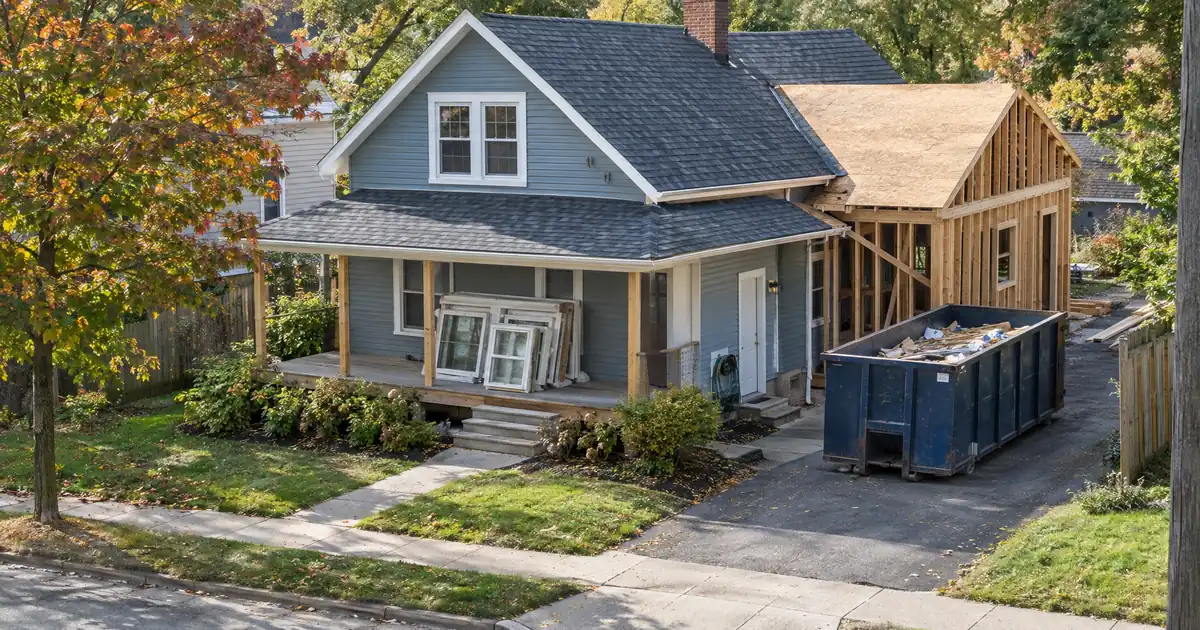
The Quick Read: The draw process decides whether your rehab money shows up when the work is done, so test it before you sign, not after the first invoice goes unpaid. A draw is a reimbursement against verified work, which means an out-of-state investor depends on the lender’s inspector, the local title agent, and the lien waiver process instead of walking the site personally.
- The rehab budget sits in a holdback and is released against finished work, not at closing.
- You usually pay the contractor first, so you need working capital beyond your down payment.
- Ask who inspects, who updates title, and who releases funds in the state where the property sits.
- Read the loan agreement. No federal rulebook sets draw terms. The contract does.
- Ask whether interest runs on the full approved balance or only on funds disbursed.
Why the Draw Process Is the Real Test Out of State
Closing a hard money loan is the easy part. The draw process is where a lender either performs or stalls, and a remote investor feels that stall harder than a local one.
What this loan actually costs to carry.
Hard money is sized against the project and priced by time. Enter the deal and see how much the program will lend, the cash required at closing, the carry while you hold it, and what is left at the exit.
Leverage tiers on the current program: 85% with fewer than 2, 90% with 2 or more, 93% with 5 or more completed projects — every tier capped at 75% of after-repair value. Loan amounts up to $5,000,000, larger by exception; terms of 6 to 18 months, interest-only, no prepayment penalty. The rehab portion funds in draws against completed work, not at closing.
Program parameters shown update from Lendmire’s centralized guideline source. Rate, points, and months are editable assumptions, not quoted terms.
Cost cap sets the loan · positive spread
Illustrative estimate only — not a quote, Loan Estimate, approval, or commitment to lend. Rate, points, and months are editable assumptions. Hard money is business-purpose financing for real estate investors, not a consumer mortgage. Leverage on the current program tops out at 93% of project cost for investors with a documented track record, capped at 75% of after-repair value, with rehab funding up to 100% of the documented budget released in draws; actual terms vary by lender, borrower experience, property, and exit. Lendmire is a mortgage broker, not a lender.
Here is how the money is split. At closing, the purchase portion funds. The rehab portion goes into a lender-controlled holdback. On the hard money program Lendmire brokers, up to 100% of the rehab budget can fund in draws against completed work. That is a rehab-budget figure, not a purchase loan-to-value figure. There is no true 100% purchase program.
Leverage on the purchase side is set by experience. Fix-and-flip leverage typically runs up to 93% of project cost for investors with five or more completed projects, 90% of project cost at two or more, and 85% with fewer than two. Every tier is capped at 75% of after-repair value. Bridge purchases without rehab run up to 80% of purchase price. Terms are 6 to 18 months, interest-only, with no prepayment penalty. These figures vary by lender, property, and experience, and nothing here is a commitment to lend.
Why does this matter for vetting? Because the holdback is only as good as the process that releases it. A lender can offer strong leverage and still run a draw process that leaves you floating contractors for weeks. The leverage tells you what you can borrow. The draw process tells you what you can actually use.
How a Draw Works, Step by Step
A draw follows the same basic path at most lenders. The details differ, and the differences are what you are vetting.
1. Scope and budget before closing. The borrower submits a line-item budget, contractor bids, and a timeline. The lender builds draw milestones from those documents. A contractor-prepared scope holds up better than a rough estimate.
2. Closing splits the loan. The purchase portion funds. The rehab portion goes into the holdback.
3. The borrower funds the first phase. Most lenders expect you to pay for early work and then request reimbursement. Some lenders advance an initial draw, but that is the exception. A good lender checks that you have the cash to start before approving the loan.
4. The draw request. You submit finished line items, contractor invoices, photos, and lien waivers.
5. Verification. An inspector visits the site, or the lender uses a photo-based process. Draws are usually tied to project milestones. Lenders typically charge for a third-party inspection.
6. The title update. Title insurers extend the lender’s coverage with each advance through a date-down endorsement. Gravel2Gavel’s title insurance overview explains that lenders must request one at each disbursement to protect lien priority. It also notes that insurers may attach a pending disbursement clause requiring lien waivers and proof of paid bills before they issue it.
7. Waivers and affidavits. Interim waivers cover work through the previous draw. The final draw usually needs a final waiver and a contractor’s affidavit.
8. Release of funds. Money goes to the borrower, or directly to contractors in title-managed setups.
What decides the outcome is not speed. It is whether the scope and milestones are written clearly, whether the inspection matches your request, whether the title update is clean, whether the waivers are complete, and whether any scope change was approved in advance. An unapproved change can block holdback money even for work that is finished and paid.
Who Controls the Money: Lender, Title Company, or Both
The lender does not have to run every draw itself. Agents National Title’s underwriting manual says it is customary in most markets for the lender to control draws and require lien waivers as laborers and suppliers are paid. The same manual says the lender must monitor the project so the level of completion matches the funds disbursed. It adds that title companies, escrow companies, or attorneys sometimes disburse the funds instead.
That last point matters for a remote investor. A title company that runs draws locally is a set of eyes in your market. Land Title Guarantee Co. offers a title-managed draw service that handles draw requests and inspections, gives the lender lien-waiver protection, and updates title with each draw. It pays subcontractors and suppliers directly, and the lender approves each submission. The company says title-managed disbursement needs underwriter approval and is handled case by case.
So the first vetting question is structural. Does the lender control disbursement itself, hand it to a title agent, or allow either? Each answer is workable. A lender that cannot say which one it uses has not thought about your market.
Inspection Models Compared
The inspection is the step a remote investor cannot replace. You are trusting someone else to confirm the work exists. Lenders generally use one of three models, and each carries a different risk for you.
| Model | What it is | Remote-investor risk | Ask about |
|---|---|---|---|
| Third-party inspector | Local professional visits site | Lowest, if they know your market | Coverage area, who pays |
| Photo or video review | Borrower or contractor uploads images | Higher, since you supply the proof | Photo standards, rejections |
| Title-managed inspection | Title agent runs inspection and waivers | Low, adds a lien check | Underwriter approval, added fees |
A photo-based process is convenient, but it puts weight on contractor honesty. If a contractor can overstate progress in a photo, you may release payment for work that is not done. A third-party inspector protects you from that, which is one reason the fee is usually worth paying. Whichever model the lender uses, ask what the inspector verifies. Some confirm that work exists. Fewer judge its quality.
The Vetting Questions and What Good Answers Sound Like
Asking the question is half the job. The other half is reading the answer. Use this table on every lender call and write down what you hear.
| Question | Strong answer | Warning sign |
|---|---|---|
| Upfront funds or draws? | Clear written schedule | Vague, discretionary language |
| Who inspects here? | Named local network | We will figure it out |
| Inspection fees? | Stated before closing | Fees appear later |
| How are disputes handled? | Written appeal path | No process |
| Direct lender or broker? | Direct answer, with capital source | Dodges the question |
| Interest on full balance? | Plain answer, in the note | Not sure |
| Can I see the note first? | Yes, with disclosures | Pressure to sign first |
Two of these deserve extra attention. The source of capital shapes how a deal is underwritten, so ask where the money comes from. And ask whether interest accrues on the full approved balance or only on funds disbursed. Many hard money loans are interest-only on the full balance whether or not you pull draws. Others charge as disbursed. It is a lender-specific term, not a rule, so confirm it in writing.
Test responsiveness during the sales process too. A lender that takes days to answer a simple question before closing will not become more responsive when you are waiting on a draw. Ask for recent borrowers you can call, and ask those borrowers how their last draws went, how long reimbursement felt to them, and whether the inspector’s findings matched their own.
Where the General Rule Breaks
The step-by-step flow above is the general case. These are the places it bends.
State lien law. Mechanic’s lien law is state-specific. The Agents National Title manual says agents must know the state’s lien framework and that insuring against unfiled liens is treated as unusual, high-risk underwriting in some jurisdictions. For you, that means asking whether the lender has done deals in your property’s state and who handles title and disbursement locally. Some hard money lenders only lend in major metros or price other areas differently.
Who disburses. The lender may pay, a title company may pay, or the lender may pay contractors directly with the insurer’s written approval. ALTA’s construction liens chapter walks through a case where the conditions were not met and later draws were not presented to the insurer. There was then no coverage for liens from later work. The lesson is that skipped title steps can leave a gap, so ask how the lender keeps title current after each advance.
Advance funding. Some lenders advance an early draw. It exists, but you should not plan around it. Assume you will fund the first phase.
Waiver gaps. GoBuildYourHouse describes one case where a lien filed by an unpaid supplier froze a draw. The fix was a joint check and conditional waivers. It is a single illustration, not a statistic, but it shows why waiver completeness matters as much as the inspection.
Scope changes. A change that was never approved can block money for finished work. If your contractor finds a surprise behind a wall, get the lender’s approval in writing before the work proceeds.
Property types. Hard money collateral is non-owner-occupied residential, 1-4 units, with ground-up construction up to 10 units. Commercial, land, and owner-occupied properties are not on this program.
What to Get in Writing Before You Sign
Draw terms live in the loan agreement. If a clause is missing, the lender can fill the gap however it likes. Before signing, read for these items:
- The draw schedule. Milestones should be written down, not left to the lender’s judgment.
- Inspection rights and costs. Who inspects, how often, and who pays.
- Funds control. Whether the lender, a title agent, or both disburse.
- Interest terms. Full balance or as disbursed.
- Scope change approval. The exact process for approving a change.
- Dispute handling. What happens if the inspector disagrees with your percent-complete claim, and whether partial draws are allowed.
- Escalation path. A named contact when a draw stalls mid-project.
- Copies of the note and disclosures. Ask for them before you commit.
Ask for the same items from every lender you compare, so the answers line up side by side.
What the Decision Looks Like in Practice
Picture an investor in one state buying a distressed duplex in another. The lender offers strong leverage on project cost, and the investor is tempted to stop comparing. A better approach is to score each lender on the same few lines: who inspects locally, whether a title agent is involved, how clearly the draw schedule is written, what the fees are, and how the lender answered the reference calls.
Then check your own cash. Because a draw reimburses rather than pre-funds, you need working capital beyond the down payment. Line up contractor payment terms with the lender’s draw cadence, so you are not paying invoices long before reimbursement arrives. Pay contractors in stages, and release each payment only after your own sign-off, ideally from a local person you trust.
Remote investors lean on three things instead of a site visit: the lender’s inspector, the local title agent, and the waiver process. Those are the things to vet. A slow draw means a slow contractor, which means higher holding costs, so a weak process can delay your exit.
For a rental investor, the exit is usually a refinance into long-term financing. Many investors refinance out of hard money into long-term DSCR financing once the property is stabilized, and Lendmire brokers that path. Draw delays push that refinance back. Lendmire’s piece on how an out-of-state investor vets hard money for a DSCR exit covers the exit side in detail, and the complete DSCR loans guide explains how the long-term loan works.
Tax treatment varies; consult a qualified professional before relying on any deduction.
Key Terms Defined
Draw: A release of rehab funds from the holdback after the lender verifies completed work.
Holdback: The part of the loan set aside for renovation and released in stages.
Date-down endorsement: A title update that extends the lender’s coverage to each new advance.
Lien waiver: A signed document in which a contractor or supplier gives up lien rights for work already paid.
Interim affidavit: A sworn statement, usually from the owner and general contractor, confirming bills are paid through the last draw.
Reimbursement draw: A draw that repays you for work you already paid for, rather than advancing cash first.
Frequently Asked Questions
Can I use a hard money lender in another state?
Yes, provided the lender lends in the property’s state. Hard money availability varies by market, and some lenders only work in major metros or charge more elsewhere. Ask directly whether the lender has experience in your state and who handles title and disbursement locally.
Do I need cash on hand even with a rehab holdback?
Yes. A draw reimburses finished work, so you typically fund the first phase yourself. Plan for working capital beyond your down payment, and confirm with the lender how much it expects you to front before the first reimbursement.
Does interest accrue only on the money I have drawn?
It depends on the lender. Many hard money loans are interest-only on the full approved balance whether or not you pull draws. Others charge on funds disbursed. Get the answer in writing from the note, since it changes your holding costs.
Who pays for the draw inspections?
Usually the borrower, and lenders typically charge for a third-party inspection. Ask for the fee structure before closing, along with whether the charge applies per draw. Title-managed draw services can add their own disbursement and inspection fees.
What happens if the inspector disagrees with my progress claim?
A good lender has a written dispute path, including whether partial draws are allowed. Ask for it before signing. If none exists, treat that as a warning sign, because a disagreement mid-project is when you most need a clear process.
Compare Hard Money Options With Lendmire
If you are buying, rehabbing, or refinancing an investment property on a short timeline and want to see how the numbers work, Lendmire can help you compare hard money options based on the project, the exit plan, leverage, and your goals. Lendmire is a broker arranging financing through select lenders in its wholesale network, covering 41 markets, including Washington, D.C., and every file is underwritten individually. Hard money terms vary by lender, property, and experience, so ask for the current terms on your specific project when you compare options.
For current guidelines and terms, see Lendmire’s hard money loan programs page.
About Lendmire
Lendmire (NMLS# 2371349) is a DSCR-focused mortgage broker that helps arrange investor financing across 41 markets, including Washington, D.C., through wholesale and investor-lending channels. DSCR eligibility is generally reviewed by the lender around the property’s rental income rather than personal income documentation, subject to lender guidelines — which works for self-employed investors, LLC operators, and portfolios above four financed properties. Scotsman Guide named Lendmire a Top Mortgage Workplace in both 2025 and 2026.
Get Started
Ready to find the right loan for you?
In about 30 seconds you can review financing options available for your investment property. No commitment required.
Informational only. Not a Loan Estimate, approval, or commitment to lend. Program availability and eligibility are subject to lender guidelines, credit approval, property review, and underwriting.
References
1. Gravel2Gavel, title insurance and construction loan disbursements
2. Agents National Title underwriting manual
4. ALTA construction liens chapter
5. GoBuildYourHouse, liens, waivers, and draws
This article is part of Lendmire’s hard money loan program — full qualification details, guidelines, and scenarios live on the program page.
Related reading: Smaller Cash-Out Refinance vs Waiting for a BRRRR Hard Money Payoff · How to Document Gap Money in a Hard Money to DSCR Takeout · DSCR Takeout Requirements for a BRRRR Exit From Hard Money
Brandon Miller
Founder & CEO, Mortgage Loan Originator, Lendmire LLC
- Mortgage Loan Originator · NMLS# 1129696 · Verify on NMLS Consumer Access
- North Carolina Real Estate Broker · License# 343312 · Verify on NCREC
- North Carolina Insurance Producer · License# 19053198 · Property, Casualty, Life, Health · Verify on NAIC SBS
- Lendmire LLC · Firm NMLS# 2371349 · Verify firm licensure
Disclosures. The information presented in this article is general market commentary, not financial, legal, or tax advice. Lendmire is a mortgage brokerage (NMLS# 2371349) — not a direct lender or depository institution — and loan placement is subject to lender underwriting. Nothing in this content represents a commitment to lend. Loan terms, pricing, and program availability vary based on borrower qualifications, property characteristics, and state of subject property, and are subject to change at any time. Lendmire complies with Equal Housing Opportunity requirements. Consumer access: nmlsconsumeraccess.org.