
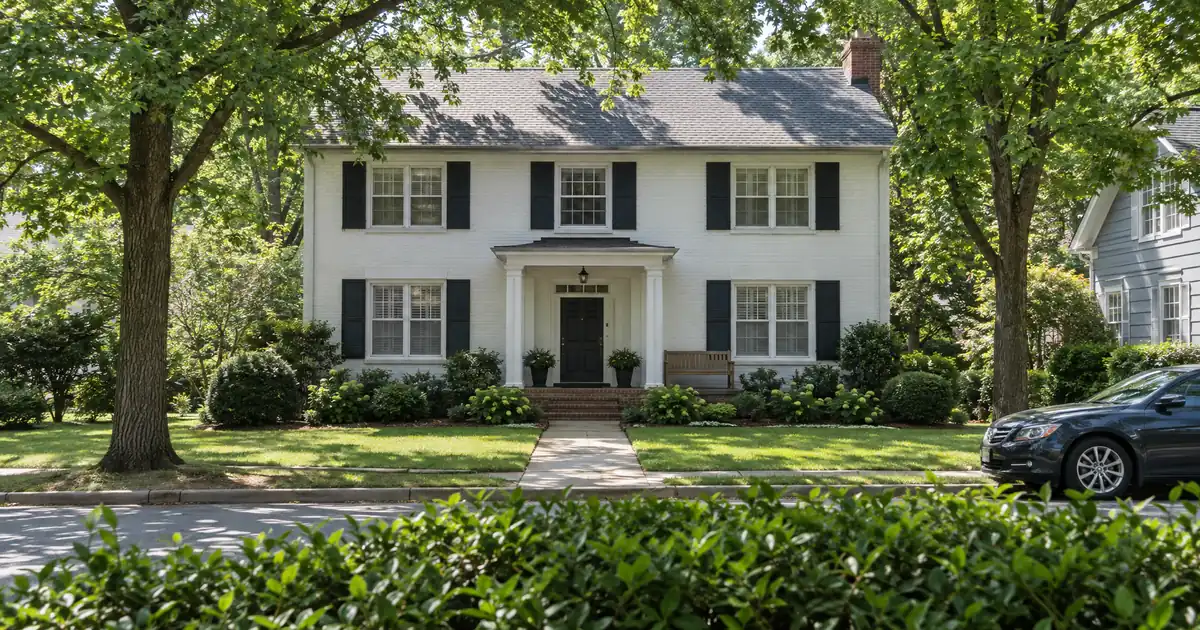
The Quick Read: Insurance and flood problems on a HELOC are solved in a set order: confirm the map designation, size coverage to every loan on the building, name the lender on the policy, and keep it active, because a lapse lets the lender buy coverage on your behalf. Most surprises come from a new loan triggering a fresh review that the original mortgage never faced. Fixing them is mostly paperwork, done before the file goes in.
- A flood requirement follows the map designation, not the property’s flood history.
- A second-position line still counts. Lien priority does not switch the requirement off.
- Required coverage is sized to the loans on the building, and it is capped by what the federal program sells.
- A map amendment can remove the federal requirement, but a lender can still require coverage by contract.
- Investment lines in the wholesale network top out at 70% CLTV, so premiums and equity both matter.
Key Terms Defined
Special flood hazard area: A zone on the flood maps, labeled with an A or a V, where a lender must see flood insurance before it makes a loan on the building.
Flood determination: A documented check of the property against the current flood maps, done by the lender or a vendor before the loan is made.
Mortgagee clause (loss payee): The policy wording that names each lender, in lien order, so claim money is paid to the right party.
Force-placed insurance: Coverage a lender buys when the borrower’s policy lapses or falls short, billed to the borrower, which generally protects only the lender.
Letter of Map Amendment: A letter from the federal flood-mapping agency stating that a specific structure sits above the mapped flood level and is not in the high-risk area.
CLTV: Combined loan-to-value, meaning all liens on the property added together and divided by its value.
How large a line the equity supports.
An equity line is sized by combined loan-to-value, occupancy, and credit — not by rental coverage. Switch the occupancy or the credit band and the ceiling moves with it.
Investment-property lines require a 700 minimum credit score; second-home lines start at a 640 minimum and primary-residence lines at 600, and the combined-LTV ceiling steps down as the credit band drops on primary-residence and second-home lines and holds on investment-property lines; the line cap steps down on primary-residence lines and holds at every tier on investment-property and second-home lines.
A debt-to-income ratio above 45% requires 680+ credit. Profiles under 640 are limited to single-family homes. At least 75% of the approved line is drawn at closing. Ceilings, floors, and caps update from Lendmire’s centralized guideline source.
Line estimate
Illustrative estimate only — not a quote, Loan Estimate, approval, or commitment to lend. The rate is an editable assumption; equity-line pricing is variable through both the draw and repayment periods and never converts to fixed. Occupancy and credit drive the ceiling together: an investment property tops out at 70% combined LTV (minimum credit 700, line cap $500,000); a second home tops out at 90% combined LTV (minimum credit 640, line cap $500,000), with the ceiling stepping down as the credit band drops (the cap holds at every tier); a primary residence tops out at 90% combined LTV (minimum credit 600), and its $750,000 maximum line is available only at 75% combined LTV or below with a 700-or-better credit profile (720 on the longer-runway program) and a full appraisal. Lines above $500,000 require a full appraisal. Credit, debt-to-income, property type, and full underwriting review all affect the final line.
Why Does a HELOC Trigger an Insurance and Flood Check?
A new loan is a new review. When an investor opens a line, the lender treats it as its own transaction, even if the first mortgage closed years ago without a flood policy. The old file proves nothing about the new one.
Four things commonly explain why the first mortgage never asked for flood coverage. The maps may have been redrawn since then. A different determination vendor may have read the same address differently. The original lender may not have been bound by the federal rule. Or the original determination was simply wrong.
The federal rule behind most of this is the mandatory-purchase law. It bars regulated lenders from making, increasing, renewing, or extending a loan on a building in a high-risk flood area unless insurance is in place. The agencies’ interagency questions and answers on flood insurance treat a home equity line as a designated loan whatever its lien position. A second-position line on a building in a mapped high-risk zone still needs coverage.
Three conditions have to be true for the federal requirement to apply. The collateral must be a building, it must sit in a mapped high-risk area, and its community must take part in the federal flood program. A lender outside the rule’s reach can still write the same requirement into its loan contract. For brokered wholesale files, build the file assuming proof of hazard coverage and a flood determination will be requested.
How the Check Works, Step by Step
Underwriting follows a repeatable sequence. Knowing it lets you fix problems before the lender finds them.
1. Flood determination. The lender checks the address against the current flood maps and documents the result on a standard form. The trigger is the zone label. A building that never flooded in a mapped high-risk zone still triggers the requirement.
2. Coverage amount. The minimum is the lesser of two numbers: the outstanding balance of the loans secured by the building, or the maximum coverage available for that property type. The first lien counts, not just the new line.
3. Existing policy review. When a line sits behind a first mortgage, the lender confirms the flood policy already in place is adequate. If it falls short, the lender asks for more coverage.
4. Open-line sizing. Draws on a line change the balance, which makes the amount hard to pin down. The wholesale structures covered here require at least 75% of the line to be drawn at closing. That means most of the balance is on the books from day one, and the coverage math is less of a moving target than on a line drawn down slowly.
5. Later draws and increases. Draws against an approved line do not need a new determination. A request to raise the line limit can bring a new review.
6. Proof of coverage. The lender needs a declarations page showing the correct insured, the property address, the coverage limit, the effective date, and the lender named in the mortgagee clause.
7. Ongoing monitoring. HELOCs fall under an escrow exception, so lenders typically do not collect flood premiums into escrow on a line. That puts the renewal date squarely on the borrower. A missed renewal is the most common way a clean file turns into a force-placement problem later.
What Insurance Does the File Need?
Hazard coverage and flood coverage are two different policies. A standard homeowners or landlord policy generally excludes flood, so a clean hazard policy never satisfies a flood requirement.
| Coverage | What it protects | When it comes up | Proof needed |
|---|---|---|---|
| Hazard (landlord or homeowners) | Fire, wind, theft, liability | Every line on a building | Declarations page, lender named |
| Flood | Rising water damage to the building | Mapped high-risk zone or lender contract | Declarations page, correct limit, effective date |
| Wind or storm add-on | Storm damage, where excluded or carried at a separate deductible | Coastal and storm-prone locations | Endorsement or separate policy |
Match the named insured to the borrower on the line. This matters here more than on a DSCR loan. The home equity programs in the wholesale network require title to be held by the individual borrower or a revocable living trust. LLCs, corporations, partnerships, and irrevocable or land trusts cannot hold title on these lines. A policy issued to an entity that does not hold title creates a mismatch the lender will flag. A property already deeded to an LLC needs a vesting change first, or a DSCR cash-out refinance instead. The complete DSCR loans guide covers that route.
Federal vs. Private Flood Policies
Both can work, but the lender decides what it accepts. The interagency flood questions and answers address when a private policy can satisfy the requirement. Before you switch carriers, ask the lender whether it accepts private flood coverage.
| Factor | Federal program policy | Private flood policy |
|---|---|---|
| Building limit, 1-4 family | Capped at a fixed maximum | Can exceed the federal cap |
| Lender acceptance | Generally accepted | Lender confirms before binding |
| Pricing | Set by the program | Varies by carrier and property |
| Loss of use or lost rent | Not covered | Varies by policy; read the form |
The Congressional Research Service reports federal program maximums of $250,000 for the building and $100,000 for contents on one-to-four family homes. That cap is the practical ceiling on required coverage, not replacement cost. A rental that costs more to rebuild than the cap can be underinsured while still meeting the lender’s minimum. Private coverage is the usual way to close that gap.
Meeting the lender’s minimum and protecting the investment are separate goals. Plan coverage around both.
Where the Rule Breaks: Edge Cases
The cap is lower than the loans. If the combined loan balances exceed the program maximum, the requirement is the maximum, not the balance. The lender sizes to the lesser figure.
A map change mid-loan. A map revision can pull a property into a high-risk zone after closing. If the borrower does not buy coverage, the lender can force-place it.
A lapse. Under the interagency guidance, force-placement can reach back to the date coverage lapsed or fell short. The lender sends notice first, then buys a policy and bills the borrower. That policy generally protects only the lender, and it can cost far more than coverage the borrower shops for. Hazard-insurance force-placement on an open-end line follows the loan documents and state law, so read the line agreement for what a lapse allows.
A wrong determination. If the property sits above the mapped flood level, a surveyor’s elevation certificate supports a Letter of Map Amendment request. A successful letter ends the federal requirement. It does not stop a lender from requiring coverage by contract. Keep the policy active while the request is pending.
A community outside the federal program. The federal mandate depends on coverage being available. Coverage is generally sold only where the community takes part in the program, so the requirement and the available remedies can differ there.
Condos. Condominiums carry their own coverage rules, usually a master policy plus the unit owner’s policy. The network’s home equity programs accept condominiums, including non-warrantable ones, so request the master policy and the questionnaire early. Co-ops, condotels, and manufactured homes are not eligible on these lines at all.
Exemptions. Federal exemptions exist for certain detached structures, state-owned property, and small short-term loans. A lender can still require coverage by contract, even where a federal exemption applies.
What Changes by Occupancy and Lien Position
The same flood problem plays out differently depending on what the line is secured by. Across the wholesale network Lendmire places files with, ceilings depend on occupancy.
| Occupancy | Max CLTV | Credit pairing | Max line |
|---|---|---|---|
| Investment property | 70% | 700 minimum | $500,000 |
| Second home | 90% | 720 or better | $500,000 |
| Primary residence | 90% | 720 or better | $750,000 at 75% CLTV or below with a 700+ credit profile |
Investment lines run only the 5-year interest-only draw with a 25-year amortizing repayment. Primary-residence and second-home lines also offer a 3-year draw with a 17-year repayment. These are select-lender guidelines, and every file is reviewed individually. The line can sit in first or second position.
Here is how that plays out on a rental. At a 70% CLTV ceiling, a rental already carrying a first mortgage has limited room for a line. A flood premium that was never in the budget also takes away from the rent. A second payment on top of that squeezes a rental that may already run thin. The rule on coverage ratios is the same everywhere: DSCR compares rent to the monthly payment including taxes and insurance, and it does not measure real cash flow.
The Investor Decision in Practice
Before applying, price the policy. Get a flood quote on the building at the lender’s likely required limit. Then run the line’s draw-period obligation and the new premium against the property’s rent.
Three outcomes come up in practice.
- The premium fits. Bind the policy, then apply with the declarations page in hand.
- The premium is too heavy. Compare private quotes, ask whether the lender accepts them, and check whether a map amendment is realistic with an elevation certificate.
- The numbers do not hold. Skip the line.
Draw and repayment mechanics matter too. Lendmire’s article How Rental HELOC Payment Calculators Handle Draw vs Repayment Phase shows how the carrying cost changes once the line starts to amortize.
Tax treatment can depend on how the funds are used and how the property is held; borrowers should keep clear records and speak with a qualified tax professional before relying on any deduction.
Pre-Application Checklist
- Flood zone label for the address from the current maps
- Declarations pages for hazard and, if mapped high-risk, flood
- Named insured matching the borrower or revocable trust on title
- Mortgagee clauses listing the first lender and, once known, the line lender
- Coverage limit compared with the combined loan balances and the program cap
- Renewal dates calendared, since the lender will not escrow premiums on a line
- Condo master policy and questionnaire, if applicable
- Elevation certificate, if you believe the map is wrong
Frequently Asked Questions
Does the flood requirement apply if my HELOC is in second position?
Yes. A home equity line is a designated loan regardless of lien priority, so a building in a mapped high-risk zone needs coverage. The required amount counts the first lien and the line together, up to the federal program maximum.
Will each draw on the line trigger a new flood check?
No. A determination is needed before the line is made, and later draws against the approved line do not need a new one. A request to increase the line limit can bring a new review.
Can I cancel flood insurance after the line closes?
Not while the line is open and the building is in a mapped high-risk zone. Cancelling is the fastest way to trigger force-placed coverage. If you believe the map is wrong, pursue a map amendment and keep the policy in force while it is pending.
Does a Letter of Map Amendment end all flood obligations?
It ends the federal requirement for that structure. The lender can still require coverage under its own loan contract. Ask the lender in writing before you drop the policy.
What if I cannot find or afford flood coverage?
Compare federal and private quotes, ask the lender whether it accepts private coverage, and look at whether the elevation certificate supports a map amendment. If none of that works, reconsider the line itself. Lendmire can help you compare options based on the property and your goals.
If you are considering a home equity line and want to see how the numbers work, Lendmire can help you compare HELOC options based on the property, the equity available, credit profile, combined leverage, and your goals. Lendmire places home equity lines in 16 full-service states, a narrower footprint than its DSCR investor loan programs, which cover 41 markets including Washington, D.C. Every figure above is subject to lender guidelines and full file review, and nothing here is a commitment to lend.
A flood zone label on a rental is a line item you can price before you apply, and the investors who do that first rarely get surprised later.
About Lendmire
Lendmire, NMLS# 2371349, is a mortgage brokerage that arranges home equity lines of credit through wholesale lending partners in its 16 full-service states. Lines on primary residences, second homes and investment properties are each reviewed individually by the lender under the program’s occupancy, credit and combined-loan-to-value guidelines. Scotsman Guide named Lendmire a Top Mortgage Workplace in both 2025 and 2026.
Get Started
Ready to find the right loan for you?
In about 30 seconds you can review financing options available for your home or investment property. No commitment required.
Informational only. Not a Loan Estimate, approval, or commitment to lend. Program availability and eligibility are subject to lender guidelines, credit approval, property review, and underwriting.
References
1. Federal Register – Interagency Questions and Answers Regarding Flood Insurance
2. Congressional Research Service – NFIP availability and coverage limits
This article is part of Lendmire’s home equity line of credit program — full qualification details, guidelines, and scenarios live on the program page.
Related reading: How Much an Insurance Increase Moves an Airbnb DSCR Ratio · Can a Lender Cut Your HELOC Limit After Your Home Value Drops? · How an Insurance Increase on an Older Roof Moves DSCR
Brandon Miller
Founder & CEO, Mortgage Loan Originator, Lendmire LLC
- Mortgage Loan Originator · NMLS# 1129696 · Verify on NMLS Consumer Access
- North Carolina Real Estate Broker · License# 343312 · Verify on NCREC
- North Carolina Insurance Producer · License# 19053198 · Property, Casualty, Life, Health · Verify on NAIC SBS
- Lendmire LLC · Firm NMLS# 2371349 · Verify firm licensure
Legal disclosures. Lendmire (NMLS# 2371349) is a state-licensed mortgage brokerage that arranges financing through wholesale lender relationships. Lendmire is not a direct lender, depository institution, or registered financial advisor. The discussion above is general informational content about real estate financing — it is not financial, legal, or tax advice, and readers should consult licensed professionals for guidance on their individual circumstances. Loan inquiries are subject to lender underwriting; this article does not represent a commitment to lend. Loan terms, rates, and qualification standards vary by borrower, property, and state, and are subject to change at any time. Equal Housing Opportunity. NMLS Consumer Access: nmlsconsumeraccess.org.