
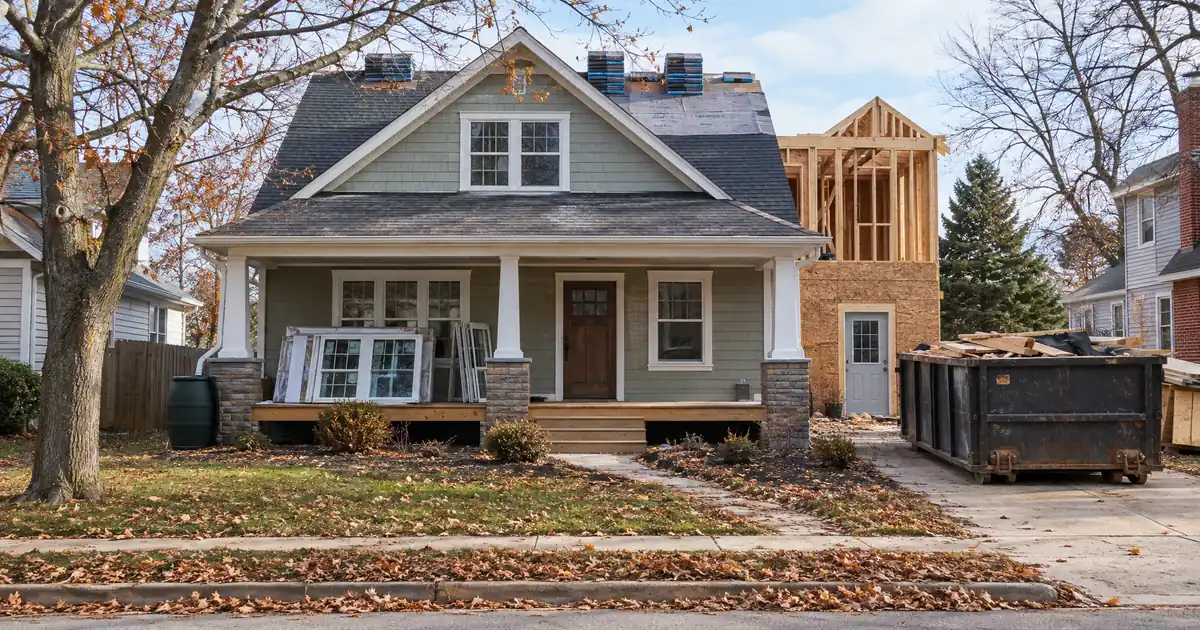
The Quick Read: Draw delays on a first flip usually come from an incomplete package, a mismatch between the work claimed and the work an inspector can see, or a permit or lien problem, not from the lender sitting on the money. Rehab funds are held back at closing and released in pieces after verified work, so the borrower carries each phase until reimbursement arrives. Clean paperwork and a well-capitalized first phase are the two levers an investor controls.
- Rehab money is held back at closing and paid against completed, inspected line items.
- Many lenders reimburse work already done, so the first phase often comes out of the borrower’s pocket.
- Missing lien waivers, scope changes, and unissued permits are the usual triggers for a stalled draw.
- Any timeline a lender quotes runs from a complete package, not from the day of the request.
- Hard money is short-term financing. Many investors refinance into long-term rental financing once the property is stabilized.
What a Draw Is and Why a First Flip Feels It Most
A draw is a release of rehab funds from a lender-controlled holdback after work is shown to be done. At closing, the purchase portion funds. The renovation budget sits with the lender and is paid out in installments against line items.
What this loan actually costs to carry.
Hard money is sized against the project and priced by time. Enter the deal and see how much the program will lend, the cash required at closing, the carry while you hold it, and what is left at the exit.
Leverage tiers on the current program: 85% with fewer than 2, 90% with 2 or more, 93% with 5 or more completed projects — every tier capped at 75% of after-repair value. Loan amounts up to $5,000,000, larger by exception; terms of 6 to 18 months, interest-only, no prepayment penalty. The rehab portion funds in draws against completed work, not at closing.
Program parameters shown update from Lendmire’s centralized guideline source. Rate, points, and months are editable assumptions, not quoted terms.
Cost cap sets the loan · positive spread
Illustrative estimate only — not a quote, Loan Estimate, approval, or commitment to lend. Rate, points, and months are editable assumptions. Hard money is business-purpose financing for real estate investors, not a consumer mortgage. Leverage on the current program tops out at 93% of project cost for investors with a documented track record, capped at 75% of after-repair value, with rehab funding up to 100% of the documented budget released in draws; actual terms vary by lender, borrower experience, property, and exit. Lendmire is a mortgage broker, not a lender.
First-time flippers feel this harder than repeat borrowers. There is no track record with the lender, the contractor may be new to the paperwork, and cash reserves are usually thin. A repeat investor has a rhythm: the package goes in clean, the inspector knows the lender’s habits, and the cash cushion is already sized. A first-timer learns all of it mid-project.
No federal regulator sets private hard money draw rules. The terms live in the loan agreement and the lender’s draw policy. That means two files with the same budget can behave very differently. Read the draw section of the agreement before closing, not after the first request stalls.
The Draw Process, Step by Step
The mechanics are consistent across most private lenders, even where timing is not. Here is the sequence, with who owns each step.
1. Closing and holdback. The purchase funds. The rehab budget is approved and placed in holdback, released later in pieces. The investor owns reading the draw terms here.
2. Borrower funds the first phase. One investor on a BiggerPockets thread about rehab draw requirements described lenders that required their own capital up front and then reimbursed a portion of the cost, while others provided a share at the start. Terms vary by lender, so treat that as one account, not a rule.
3. Draw package. The borrower submits a scope of work using the same line items the lender approved, a request showing budget, percent complete, amount drawn so far and amount requested, dated photos, and lien waivers from the general contractor and any subs or suppliers being paid.
4. Lender review and inspection. The inspector confirms the claimed work exists and is installed. The inspection is mostly about verification, not a grade on workmanship. If the work does not match the request, the draw is reduced or held.
5. Release. Funds go out net of any holdback the agreement calls for.
| Step | Who owns it | What goes wrong | What you do |
|---|---|---|---|
| Closing | Investor and lender | Draw terms unread | Read the draw section first |
| First phase | Investor | Cash runs short | Size the float in advance |
| Package | Investor and contractor | Missing waiver | Use a pre-submission checklist |
| Inspection | Lender’s inspector | Scheduling gap | Ask for the cadence in writing |
| Release | Lender | Package incomplete | Confirm what restarts the clock |
A Federal Reference Point for Draw Mechanics
The only public template for a draw process comes from the FHA 203(k) program, which is an owner-occupant rehab loan. It is not what private flip lenders do, but it shows the logic. HUD’s 203(k) draw request form describes a 10% holdback that is not released until work is complete and no mechanic’s or materialmen’s liens have been placed on the property. It also sets a 48-hour target for escrow release after acceptable documentation.
Read that carefully. The clock starts when documentation is acceptable, not when the request is sent. A packet missing one lien waiver can sit for days without anyone technically being late. Private lenders do not necessarily hold back 10% or promise 48 hours. Use the 203(k) form as a lens for what a draw is meant to protect, which is the lender’s lien position, and not as a benchmark for your loan.
What Causes Draw Delays
Most delays fall into a short list. The useful move is working out which one you have before you call anyone.
| Symptom | Likely cause | Who controls it | Fix |
|---|---|---|---|
| Request sits unanswered | Missing waiver or form | Investor and contractor | Resubmit a complete package |
| Draw comes in short | Work not visibly complete | Contractor | Break budget into smaller line items |
| Funding paused | Permit not issued or signed off | Investor and city | Pull permits before the first draw |
| Inspection not scheduled | Inspector backlog | Lender | Ask for the cadence at closing |
| Draw reduced after new repairs | Scope changed without approval | Investor | Get approval before the work |
| Hold on release | Lien on title | Investor and contractor | Clear title, then resubmit |
Two causes deserve more space because they hit first-timers hardest.
Scope change after approval. A flipper on BiggerPockets described a draw question where new repairs surfaced after the lender approved the scope. The inspector did not credit them, so the draw came in short and the investor had to bring extra cash. Another first-time flipper in Houston reported on a draw schedule slowing progress, noting that some actual costs exceeded the allocated amounts on certain line items. Both are the same lesson. Money is tied to approved line items, and anything off the list needs lender approval before the work, not after.
Line items that are too big. Lenders pay on work that is complete and installed. A budget with a single large line for plumbing gives the inspector nothing to credit until the whole trade is done. One investor on a BiggerPockets thread about reimbursement-basis draws said their lender wants a line item complete before paying, so they split the budget into smaller chunks, such as plumbing rough-in separate from fixtures. That lets partial progress get paid.
Lender Inspections and City Inspections Run on Separate Clocks
A lender’s inspector checks that the work claimed is there. The city’s inspector checks that it meets code. They answer to different parties and keep different calendars.
This matters because permits can gate funding. The 203(k) acknowledgment form is explicit that no draws can be made until required permits have been issued. Private lenders often condition release on permits or sign-off in their own way. If a framing or electrical rough-in needs a municipal sign-off before the next phase, a delay at city hall becomes a delay at the lender, and it will not show up on any lender timeline.
Practical sequence: pull permits before the first draw request, schedule municipal inspections as soon as a trade finishes, and include the sign-off in the next draw package. Do not assume the lender’s inspector will wait for it, or that the city will move on the lender’s schedule.
A Worked First-Flip Scenario
Here is an illustration with no real figures, built only to show how one gap ripples.
Say an investor on a first flip finishes demolition and rough plumbing, then submits the first reimbursement request. The package has photos and the request form, but the plumber’s lien waiver is missing. The lender’s reviewer does not reject it. The file simply waits, because the package is not yet acceptable.
Meanwhile the electrician is scheduled to start and expects a deposit. The investor has not been reimbursed, so the deposit comes out of reserves. The plumber’s waiver arrives a few days later. The request goes back into the queue, the inspector then needs a slot, and the next draw slides further out. Interest keeps accruing on the funded balance the whole time, and the crew may move to another job.
One missing document did not cause a rejection. It caused a quiet stall that cost carry, crew momentum, and cash. That is the typical shape of a first-flip delay.
How Much Cash to Hold Between Draws
Sizing the float is arithmetic, not guesswork. There is no published industry average for draw turnaround, so build the buffer from your own agreement. Add these three pieces:
- The full cost of the first phase of work, since many lenders reimburse after completion.
- The contractor payments that come due while you wait between request and release.
- A cushion for one failed or short draw, such as a line item the inspector does not credit.
If any of the three is unknown, ask the lender. The cushion for a short draw is the one first-timers skip, and it is the one most often needed.
Contractor Payment Terms That Survive Draw Timing
A contractor who expects payment on completion and a lender who pays after inspection are in a timing mismatch. Fix it in the contract, not on site.
- Tie payments to the same line items as the lender’s budget. Do not renumber or regroup them.
- Collect lien waivers when you pay, not later. A waiver chased after the fact is a stalled draw.
- Agree on what the contractor does if reimbursement runs behind. Silence here is how crews walk.
- Keep deposits modest and tied to materials delivered and installed, since delivered materials alone are not credited.
Your Draw-Package Checklist
Run this before every submission:
- Scope of work with the exact line items the lender approved.
- Draw request showing budget, percent complete, amount drawn, and amount requested.
- Dated photos of each line item claimed.
- Lien waivers from the general contractor and every sub or supplier paid.
- Permit and municipal inspection sign-offs, where the phase requires them.
- A note on any change, with the lender’s written approval attached.
What to Do When a Draw Stalls
1. Identify which piece is missing. Ask the lender in writing what makes the package unacceptable, and what restarts the clock.
2. Fix the gap and resubmit one clean package. Piecemeal updates make it easy to lose track of what was received.
3. Check the inspection date. If no inspector is scheduled, ask for the next slot and who owns scheduling.
4. Cover the contractor. Decide early whether reserves can bridge the delay, so the crew does not leave.
5. Document everything. Keep dated messages and what was sent, in case the reduction later turns into a dispute.
6. Cure a short draw. If the draw was reduced, ask which line items were not credited and why, then fix those items and resubmit them.
Partial Approvals, Change Orders, and the Final Draw
Partial releases are normal. HUD’s handbook for 203(k) describes escrowed funds released in part based on the percentage of completion of each line item. Private lenders often work the same way in practice. A reduced draw is not a denial. It is the lender paying for what it can verify.
Overruns on one line are handled differently by lender. In 203(k), savings on a line item go to further improvements, other overruns, or principal prepayment. Private agreements vary, so check what yours says about reallocating savings and covering overruns.
Change orders are a process, not a conversation. Submit the change, get written approval, then do the work. An unapproved change can leave the next draw short.
The final draw tends to depend on everything being complete and lien-free, as with the 203(k) holdback. Plan the sale or exit with that in mind. If a lien appears late, the last release and any payoff plan can both slip.
Questions to Ask a Lender Before You Sign
Ask these while the terms are still negotiable:
- What is in the draw package, and what makes it unacceptable?
- Is the inspection in person or by photo, and who schedules it?
- How many draws are scheduled, and how are they tied to the budget?
- Are there per-draw or inspection fees, and where are they listed?
- What happens to savings or overruns on a single line item?
- Does the lender condition release on permits or municipal sign-off?
For reference, Lendmire’s wholesale network funds fix-and-flip loans up to 93% of project cost at 5 or more completed projects, 90% of project cost at 2 or more, and 85% of project cost with fewer than 2, with every tier capped at 75% of after-repair value. Up to 100% of the rehab budget funds in draws against completed work. Terms run 6 to 18 months, interest-only, with no prepayment penalty. Credit starts at a 620 minimum score with added conditions below 660, and first-time investors qualify at the lower leverage tiers. All of this varies by lender, property, and experience, and nothing here is a commitment to lend.
Key Terms Defined
Draw: A release of rehab funds from the lender’s holdback after work is verified.
Holdback: The portion of the loan the lender keeps in control and pays out over time.
Lien waiver: A signed document from a contractor, sub, or supplier giving up lien rights for the amount paid.
Reimbursement basis: A draw model where the borrower pays for the work first and is paid back afterward.
Change order: A written, approved change to the scope of work or budget.
Line item: A single budgeted piece of work, such as plumbing rough-in, that gets credited when complete.
Where DSCR Fits After the Flip
Hard money is built for acquisition and rehab, and it ends when the term does. Many investors refinance out of hard money into long-term rental financing once the property is rehabbed and stabilized, and Lendmire brokers that path through select lenders in its network. The complete DSCR loans guide explains how that long-term loan is reviewed on rental income.
If you are buying, rehabbing or refinancing an investment property on a short timeline and want to see how the numbers work, Lendmire can help you compare hard money options based on the project, the exit plan, leverage, and your goals.
Frequently Asked Questions
Do I pay for work before the draw?
Often, yes. Many private lenders reimburse completed work, so the first phase comes from your own capital. Some provide a share up front. Terms vary by lender, so confirm which model your agreement uses before you budget cash.
Why was my draw reduced?
Usually because the inspector could not verify a line item as complete and installed, or because the work claimed was outside the approved scope. Break the budget into smaller line items, document each one with dated photos, and ask the lender which items were not credited.
Do city inspections affect my draw?
Yes, they can. Lenders often condition release on permits or sign-off, and the FHA 203(k) form bars draws until required permits are issued. A municipal delay can hold a lender draw even when the lender’s own review is finished.
Can I change the scope mid-project?
Only with the lender’s approval, and approval should come before the work. A change the lender has not approved can leave the next draw short and force you to cover the cost out of pocket.
Is a quoted draw turnaround guaranteed?
No. Any timeline runs from a complete, acceptable package. A missing lien waiver can leave a request waiting without the lender being late. Ask your lender what restarts the clock.
About Lendmire
A DSCR-focused mortgage broker, Lendmire (NMLS# 2371349) places investor financing across 41 markets — 40 states plus Washington, D.C. — with DSCR eligibility generally reviewed by the lender on property cash flow instead of tax returns, subject to lender guidelines. Scotsman Guide named Lendmire a Top Mortgage Workplace in 2025 and 2026.
Many investors treat hard money as the acquisition tool and plan the exit up front – see the hard money loan overview.
Get Started
Ready to find the right loan for you?
In about 30 seconds you can review financing options available for your investment property. No commitment required.
Informational only. Not a Loan Estimate, approval, or commitment to lend. Program availability and eligibility are subject to lender guidelines, credit approval, property review, and underwriting.
References
1. BiggerPockets: rehab draw requirements
2. HUD Form 9746-A Draw Request (203(k))
3. BiggerPockets: Hard Money Draw Question
4. BiggerPockets: draw schedule slowing progress
5. BiggerPockets: draws on a reimbursement basis
This article is part of Lendmire’s hard money loan program — full qualification details, guidelines, and scenarios live on the program page.
Related reading: Changing Title Before vs After Closing a Hard Money Loan · Cash vs Gap Loan vs Hard Money Modification for a First Flip · Cash vs Gap Loan vs Hard Money Modification on a Cosmetic Flip
Brandon Miller
Founder & CEO, Mortgage Loan Originator, Lendmire LLC
- Mortgage Loan Originator · NMLS# 1129696 · Verify on NMLS Consumer Access
- North Carolina Real Estate Broker · License# 343312 · Verify on NCREC
- North Carolina Insurance Producer · License# 19053198 · Property, Casualty, Life, Health · Verify on NAIC SBS
- Lendmire LLC · Firm NMLS# 2371349 · Verify firm licensure
Required disclosures. Lendmire (NMLS# 2371349) operates as a licensed mortgage broker, not a direct lender or depository. The discussion in this article is general in nature and should not be relied upon as financial, legal, or tax advice — every investment scenario is unique and should be reviewed by a qualified professional. Any loan inquiry is subject to lender underwriting, and this article is not a commitment to lend or a guarantee of approval. Mortgage rates, loan terms, and program guidelines vary by borrower, property, and state, and may change without notice. Equal Housing Opportunity. Verify licensure at NMLS Consumer Access.