
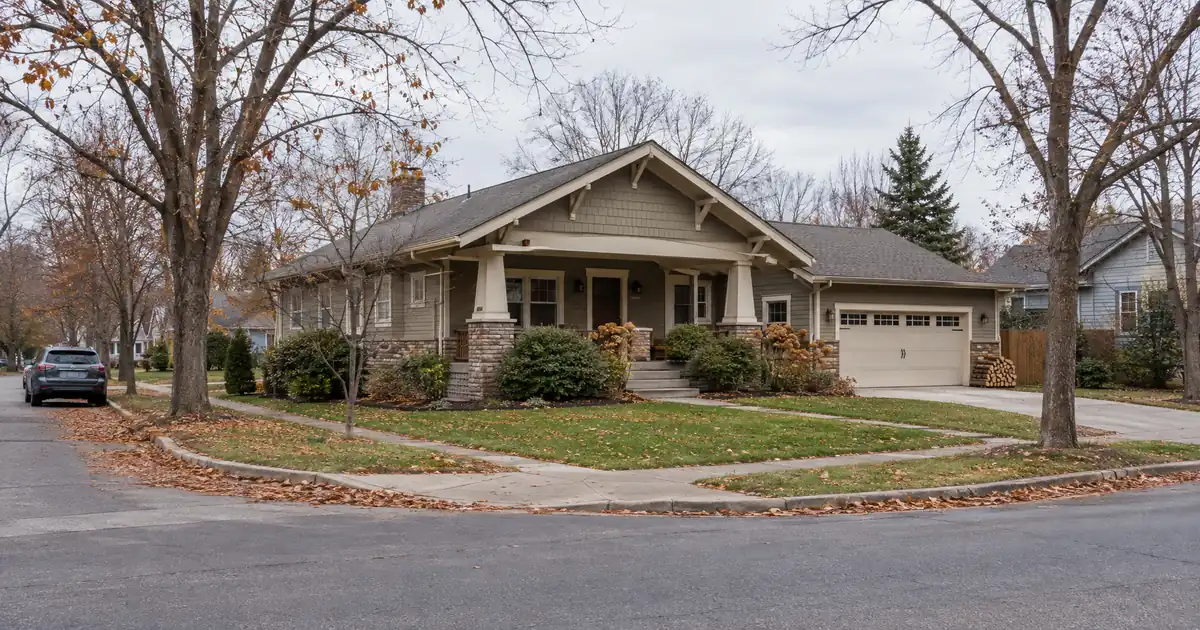
The Quick Read: Sometimes, but only when the rental is titled in your own name or a revocable living trust and your personal credit and debt-to-income ratio can carry the line. A HELOC is underwritten on you; a DSCR cash-out is underwritten mainly on the rent against the payment. On a paid-off property, the HELOC’s usual edge, keeping a cheap first mortgage, does not apply.
- An investment-property HELOC on Lendmire’s network caps at 70% CLTV and a $500,000 line, with a 700 minimum credit score.
- An LLC cannot hold title on that product, so an LLC-owned rental points toward a DSCR cash-out or a vesting change.
- A HELOC suits staged, uncertain spending; a closed-end cash-out suits one large, known need.
- Standard-rental DSCR cash-out generally tops out near 75% LTV across most of the network, subject to lender guidelines.
- Neither product is guaranteed. Every file is reviewed individually.
Key Terms Defined
HELOC: A home equity line of credit, a revolving line secured by the property that you draw from, repay, and draw again during a set window.
Cash-out refinance: A new closed-end first loan on the property that pays out equity as a single lump sum.
CLTV: Combined loan-to-value, which adds every loan secured by the property and divides by its value.
Vesting: The way title is held, such as an individual, a revocable living trust, or an LLC.
DSCR: Debt service coverage ratio, which divides monthly rent by the monthly payment (principal, interest, taxes, insurance, and any HOA dues).
Lien position: Where a loan sits in line for repayment if the property is sold or foreclosed.
How large a line the equity supports.
An equity line is sized by combined loan-to-value, occupancy, and credit — not by rental coverage. Switch the occupancy or the credit band and the ceiling moves with it.
Investment-property lines require a 700 minimum credit score; second-home lines start at a 640 minimum and primary-residence lines at 600, and the combined-LTV ceiling steps down as the credit band drops on primary-residence and second-home lines and holds on investment-property lines; the line cap steps down on primary-residence lines and holds at every tier on investment-property and second-home lines.
A debt-to-income ratio above 45% requires 680+ credit. Profiles under 640 are limited to single-family homes. At least 75% of the approved line is drawn at closing. Ceilings, floors, and caps update from Lendmire’s centralized guideline source.
Line estimate
Illustrative estimate only — not a quote, Loan Estimate, approval, or commitment to lend. The rate is an editable assumption; equity-line pricing is variable through both the draw and repayment periods and never converts to fixed. Occupancy and credit drive the ceiling together: an investment property tops out at 70% combined LTV (minimum credit 700, line cap $500,000); a second home tops out at 90% combined LTV (minimum credit 640, line cap $500,000), with the ceiling stepping down as the credit band drops (the cap holds at every tier); a primary residence tops out at 90% combined LTV (minimum credit 600), and its $750,000 maximum line is available only at 75% combined LTV or below with a 700-or-better credit profile (720 on the longer-runway program) and a full appraisal. Lines above $500,000 require a full appraisal. Credit, debt-to-income, property type, and full underwriting review all affect the final line.
What Does “Paid-Off” Actually Change?
It removes the main reason investors choose a HELOC over a refinance. Most HELOC-versus-cash-out advice assumes a first mortgage you would hate to lose. A paid-off rental has none, so the HELOC would be the only lien and a cash-out would create a new one.
That reframes the decision. You are not protecting an old loan. You are picking between two structures for the same equity: a revolving line judged on your personal profile, or a lump-sum first lien judged on the property’s income.
One cost point remains. A cash-out puts a new first loan in place, so the hold period has to be long enough to justify the closing costs. A HELOC avoids that refinance step, though it brings its own variable-payment exposure, covered below.
How Does Each Lender Judge You?
A HELOC looks at you personally. Lenders review your credit, income, debts, and equity, and rental income may count only partly. NerdWallet notes that investment-property lines tend to come from a smaller pool of lenders, with lower borrowing amounts than on a primary home, because lenders see higher default risk on rentals.
A DSCR cash-out qualifies primarily on property-level rental income covering the payment, subject to lender guidelines. Your personal debt-to-income ratio is not the center of the file. Across the wholesale network, most programs want around a 660 score, a 620 floor exists in parts of the network, and 700+ unlocks the strongest leverage tiers.
This is the real split. If your personal debt load is already heavy, or you are self-employed with modest taxable income, a HELOC may stall where a property-reviewed cash-out does not. If your personal profile is clean and the rental’s rent is thin relative to its payment, the reverse can be true.
Two clarifications keep the comparison honest. Clearing 1.00 coverage is not the same as positive cash flow, since repairs, vacancy, management, and capex sit outside the ratio. And 1.00 is where select programs start, not a universal standard. A separate select-lender path takes coverage below 1.00, with leverage and terms adjusted.
HELOC vs. DSCR Cash-Out Side by Side
| Factor | Investment HELOC | DSCR cash-out |
|---|---|---|
| What gets judged | Your credit, DTI, equity | Rent against the payment |
| Title | Individual or revocable trust | LLC possible, per program terms |
| Structure | Revolving line | Closed-end first lien |
| Funding | Draws, with limits | One lump sum |
| Max leverage (network) | 70% CLTV, investment | About 75% LTV, standard rental |
| Size | $25,000 to $500,000 | Up to $3,000,000 on standard programs |
| Credit minimum | 700 | 620 to 660 typical, program-based |
| Valuation | Usually automated | Full appraisal with rent schedule |
The HELOC figures reflect select wholesale partners’ guidelines. On Lendmire’s network, an investment line stops at 70% CLTV.
Title and Entity Rules: Where Many Investors Stall
Title decides more outcomes than leverage does. On the network’s investment HELOC, title must sit with the individual borrower or an inter vivos revocable living trust. LLCs, corporations, partnerships, and irrevocable, blind, or land trusts cannot hold title.
| How the rental is titled | HELOC route | Practical path |
|---|---|---|
| Personal name | Eligible, if the rest fits | HELOC or DSCR cash-out |
| Revocable living trust | Eligible, if the rest fits | HELOC or DSCR cash-out |
| LLC | Not eligible | DSCR cash-out, subject to program terms |
| Land or irrevocable trust | Not eligible | Vesting change or DSCR cash-out |
If the property already sits in an LLC, you have two choices: move title out of the entity, or take a DSCR cash-out that can usually stay in it. Re-deeding can carry its own consequences for insurance, liability protection, and lender review, so weigh it before treating it as a quick fix.
When Does a HELOC Fit, and When Does Cash-Out?
A HELOC fits when your spending is staged or uncertain. Think phased renovations on a free-and-clear duplex, or standby capital for the next down payment. You can draw as needs arise, and the structure is built for that.
The catch is the draw requirement. On the network’s investment line, at least 75% of the line is drawn at closing. If you take most of the line on day one to fund a purchase, the “borrow only what you need” advantage mostly disappears. Interest accrues on the balance, much as it would on a lump sum.
Cash-out fits a large, known need: a down payment on a fourplex, a full-gut rehab, paying off another loan. You get the money once, in a closed-end structure, rather than depending on a line a lender can limit. Lendmire’s piece How Much Cash a Paid-Off Rental Releases in an Investor Cash-Out covers sizing that lump sum.
A quick sort:
- Lean HELOC: personal-name or trust title, strong personal credit, modest dollar need, spending spread over months.
- Lean cash-out: LLC title, need above $500,000, crowded personal DTI, or a single large purchase.
- Genuine toss-up: clean personal profile, personal-name title, mid-sized need, and an investor who values avoiding a new first lien. Run both and compare.
Worked Examples on a Free-and-Clear Rental
These use percentages and ratios only, with modeled assumptions rather than market data.
Staged rehab. Picture an investor holding a paid-off single-family rental in personal name, with a 740 score and personal DTI well under the 50% maximum. The need arrives in three phases over a year. A HELOC at up to 70% CLTV fits the pattern, since the line absorbs draws as invoices arrive. Because most of the line is funded at closing, the investor should size the line to the project, not the maximum.
One large purchase. Say you own a paid-off triplex and want the equity for the down payment on a larger building, all at once. A DSCR cash-out at up to roughly 75% LTV on a standard rental delivers the lump sum, and rent coverage around 1.2x would put the file in comfortable territory for pricing and leverage. The HELOC’s 70% investment ceiling and dollar cap make it the tighter tool here. Every figure here varies by lender and program — guidelines, property type, leverage, and credit profile all apply.
LLC-held rental. An investor holds a paid-off fourplex in an LLC. The HELOC is off the table unless title moves. A DSCR cash-out is reviewed on the property, subject to lender program eligibility, and keeps the entity intact. Many experienced operators default to this path for exactly that reason.
Thin personal capacity. Consider a self-employed investor whose traditional personal-income documentation shows low taxable income but whose rentals cover themselves with room to spare. A HELOC is reviewed on personal DTI, tested on the interest-only payment at the maximum draw, so the line may not fit. The property-reviewed cash-out reads the same file differently.
One pattern worth knowing from brokering both: investors tend to ask about the HELOC because the product sounds cheaper, then discover the title or DTI test decides it before the math ever does.
A Decision Sequence
Run these tests in order and stop where the answer settles.
1. Title. LLC, corporation, or land trust? Go to DSCR cash-out or a vesting change.
2. Size. Need above $500,000? Investment lines stop there, so cash-out is the lane.
3. Personal profile. Score under 700, or DTI near the 50% ceiling? A HELOC likely will not clear, and cash-out may.
4. Timing. Staged needs favor the line; one known lump sum favors cash-out.
5. Payment tolerance. Can the budget absorb a variable payment that steps up after the draw period? If not, closed-end structure is steadier.
6. Portfolio plans. Heading toward more than 15 financed properties, or already holding multiple lines? HELOC exposure limits may bind before equity runs out.
Risks After Closing
The structure matters more than the pitch. The CFPB’s HELOC brochure explains that a HELOC is a line you borrow, spend, and repay as you go, secured by the property. It also notes that these lines typically carry variable rather than fixed pricing, some allow interest-only payments during the draw period, and payments can change even when you do not draw more.
On the network’s investment line, pricing floats through both the draw and repayment periods and never converts to fixed. The structure is a 5-year interest-only draw followed by a 25-year fully amortizing repayment. When the draw ends, the payment resets to include principal, and investors who budgeted only for interest-only carry can feel that jump.
Other things to plan around:
- Qualifying payment. Lenders test DTI on the interest-only payment at the maximum draw, not only what you actually borrow.
- Personal debt footprint. A line adds to your personal debt stack, which can crowd the next purchase. A DSCR loan is reviewed property by property.
- Line limits. A borrower can hold at most three lines, and more than 15 financed properties makes a borrower ineligible.
- Availability. The HELOC program is offered in Lendmire’s 16 full-service states only, narrower than its 41-market DSCR footprint, which covers 40 states plus Washington, D.C.
Property Types That Work, and Ones That Do Not
Eligible: single-family, 2-4 units, PUDs, townhomes, and condos, including non-warrantable condos. Not eligible: manufactured homes, co-ops, condotels, log homes, commercial, mixed-use, and agriculturally zoned property. A property listed for sale, or listed within the past 60 days, is ineligible in several states.
What About Borrowing Against Your Own Home Instead?
Many investors skip the rental entirely and draw on a primary-residence line, then deploy the cash into the rental or the next deal. Primary-home lines are easier to obtain and reach higher leverage, up to 90% CLTV at a 720-or-better profile on this network. A primary-home line above $500,000 requires 700 or better (720 on the longer-runway structure), caps at 75% CLTV, and needs a full appraisal.
The tradeoff is risk. You are pledging the house your family lives in to fund a business asset. For some investors that is acceptable; for others, keeping the risk on the rental is worth the harder qualification.
If you already carry a line and want to retire it with rental equity, Lendmire’s piece How to Use a Rental Cash-Out Refinance to Pay Off a HELOC walks through that move.
A Note on Tax
Tax treatment can depend on how the funds are used and how the property is held; borrowers should keep clear records and speak with a qualified tax professional before relying on any deduction. For general background, see IRS Publication 936.
Where This Leaves an Investor
For a personal-name rental with a clean profile and staged spending, a HELOC is a defensible tool. For an LLC-held property, a large single need, or a file where personal DTI is the weak link, DSCR cash-out is the more workable structure. The complete DSCR loans guide covers how coverage, leverage, and credit interact across the network.
If you are weighing a home equity line against a cash-out refinance and want to see how the numbers work, Lendmire can help you compare options based on the property, the equity available, credit profile, combined leverage, and your goals. Everything above is subject to lender guidelines and full file review, and none of it is a commitment to lend.
Frequently Asked Questions
Can I get a HELOC on a rental I own free and clear?
Sometimes. It depends on title, credit, and personal debt-to-income. Many banks write lines only on owner-occupied homes, so the lender pool is smaller. On Lendmire’s network, an investment line requires a 700 minimum score, individual or revocable-trust title, and caps at 70% CLTV and $500,000.
Why would I choose a HELOC over a cash-out on a paid-off property?
Usually for flexibility and to avoid placing a new first lien. If your spending comes in stages, a line fits better than a lump sum. The advantage shrinks if most of the line is drawn at closing, which the network’s program requires at 75% or more.
Does an LLC-owned rental qualify for a HELOC?
No, not on this network. LLCs, corporations, partnerships, and irrevocable, blind, or land trusts cannot hold title on the line. The options are moving title to yourself or a revocable living trust, or using a DSCR cash-out, which can usually stay in the entity, subject to program terms.
Which borrows more, a HELOC or a DSCR cash-out?
The cash-out, in most cases. An investment HELOC tops out at 70% CLTV with a $500,000 line, while a standard-rental DSCR cash-out generally reaches about 75% LTV, with loan sizes up to $3,000,000. Short-term-rental collateral caps lower, at 70% on a cash-out.
What happens when the draw period ends?
The payment resets to include principal. The investment line runs a 5-year interest-only draw and then a 25-year repayment, and pricing floats throughout. Budget for the step-up before you draw, since the CFPB notes HELOC payments can change even without new draws.
A deeper walk-through of investment-property equity extraction lives in Lendmire’s guide to cash-out refinance on an investment property.
About Lendmire
Lendmire, NMLS# 2371349, is a mortgage brokerage that arranges home equity lines of credit through wholesale lending partners in its 16 full-service states. Lines on primary residences, second homes and investment properties are each reviewed individually by the lender under the program’s occupancy, credit and combined-loan-to-value guidelines. Scotsman Guide named Lendmire a Top Mortgage Workplace in both 2025 and 2026.
Get Started
Ready to find the right loan for you?
In about 30 seconds you can review financing options available for your home or investment property. No commitment required.
Informational only. Not a Loan Estimate, approval, or commitment to lend. Program availability and eligibility are subject to lender guidelines, credit approval, property review, and underwriting.
References
1. NerdWallet – Can You Get a HELOC on an Investment Property?
2. CFPB – What You Should Know About HELOCs brochure
This article is part of Lendmire’s investment property HELOC program — full qualification details, guidelines, and scenarios live on the program page.
Related reading: How to Fund a Rental Remodel With a HELOC and Refinance to DSCR · Can a Rental Portfolio Get DSCR Cash-Out on Rent Instead of Income? · Can You Use a HELOC on Your Primary Home to Buy a Rental Property?
Brandon Miller
Founder & CEO, Mortgage Loan Originator, Lendmire LLC
- Mortgage Loan Originator · NMLS# 1129696 · Verify on NMLS Consumer Access
- North Carolina Real Estate Broker · License# 343312 · Verify on NCREC
- North Carolina Insurance Producer · License# 19053198 · Property, Casualty, Life, Health · Verify on NAIC SBS
- Lendmire LLC · Firm NMLS# 2371349 · Verify firm licensure
Required disclosures. Lendmire (NMLS# 2371349) operates as a licensed mortgage broker, not a direct lender or depository. The discussion in this article is general in nature and should not be relied upon as financial, legal, or tax advice — every investment scenario is unique and should be reviewed by a qualified professional. Any loan inquiry is subject to lender underwriting, and this article is not a commitment to lend or a guarantee of approval. Mortgage rates, loan terms, and program guidelines vary by borrower, property, and state, and may change without notice. Equal Housing Opportunity. Verify licensure at NMLS Consumer Access.