
The Quick Read: It depends on the spread: a small loan is worth it when the gap between your all-in cost and the after-repair value is wide enough to absorb fixed fees, draw costs and interest through a flip that often runs longer than planned. It is not worth it when the margin is thin. Fixed costs hit a small loan harder than a large one, so you have to price the loan in dollars, not in headline terms.
- Flat minimum fees, per-draw inspection fees and third-party costs weigh more on a small balance than on a large one.
- Gross flip margins have been shrinking. The most recent quarterly report puts the typical gross margin at 21.5%, before rehab, financing and sale costs (The Title Report).
- Across the wholesale network Lendmire places hard money files with, fix-and-flip leverage runs up to 93% of project cost for investors with 5+ completed projects, always capped at 75% of after-repair value. That varies by lender, property, and experience.
- Hard money is not a no-cash solution. You still fund fees and the early rehab phases.
What Does “Small Balance” Mean for a Flip?
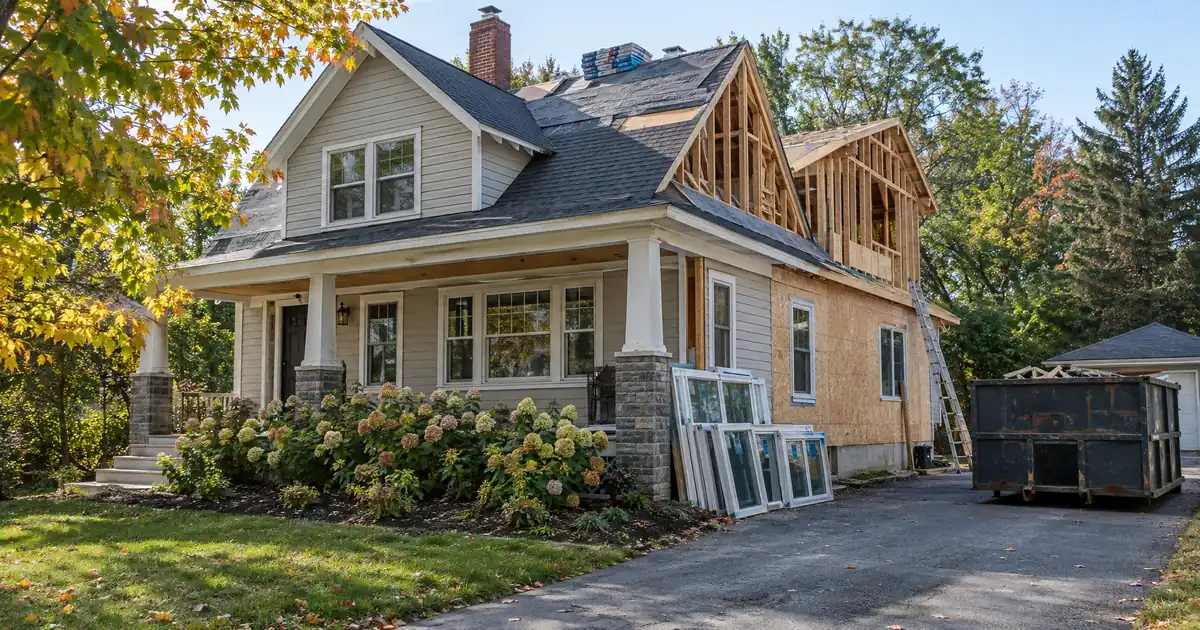
For a flipper, small balance means a modest loan on a modest-priced house. Think of a starter home that needs a kitchen, floors and paint. It does not mean a small personal loan or a small owner-occupied mortgage. Those are different products, and this article covers neither.
What this loan actually costs to carry.
Hard money is sized against the project and priced by time. Enter the deal and see how much the program will lend, the cash required at closing, the carry while you hold it, and what is left at the exit.
Leverage tiers on the current program: 85% with fewer than 2, 90% with 2 or more, 93% with 5 or more completed projects — every tier capped at 75% of after-repair value. Loan amounts up to $5,000,000, larger by exception; terms of 6 to 18 months, interest-only, no prepayment penalty. The rehab portion funds in draws against completed work, not at closing.
Program parameters shown update from Lendmire’s centralized guideline source. Rate, points, and months are editable assumptions, not quoted terms.
Cost cap sets the loan · positive spread
Illustrative estimate only — not a quote, Loan Estimate, approval, or commitment to lend. Rate, points, and months are editable assumptions. Hard money is business-purpose financing for real estate investors, not a consumer mortgage. Leverage on the current program tops out at 93% of project cost for investors with a documented track record, capped at 75% of after-repair value, with rehab funding up to 100% of the documented budget released in draws; actual terms vary by lender, borrower experience, property, and exit. Lendmire is a mortgage broker, not a lender.
The phrase confuses people because lenders use it differently. Investor Fuel describes small-balance private lending as commercial-style loans from roughly $500K to $5M. That is a lender niche. A flipper’s small balance sits far below it.
On the network side, hard money loan amounts run up to $5,000,000, with larger loans by exception. Smaller balances vary by lender. Some lenders set a size floor, and some don’t. Finding the ones that fit your deal is half the work.
Why Small Loans Cost More Per Dollar Borrowed
A lender does roughly the same work on a small file as on a large one. It orders the valuation, reviews the scope, checks title, sets up the draw process and services the loan. The effort doesn’t shrink with the loan size, but the income does. That is why many lenders set minimums or add flat fees.
BiggerPockets discussions describe lenders that charge a minimum fee on smaller loans. A flat minimum works out to a larger share of a small loan than the quoted percentage suggests. Same fee. Bigger bite.
This is also why small files get declined or priced differently. It is rarely about you or the deal. It is about the lender’s math at that size. Some private lenders also can’t lend in certain states because of licensing. Investor Fuel calls that a licensing issue, not a deal-quality issue.
The Cost Anatomy of a Small Flip Loan
Quoted terms are only the start. Here is where small loans leak.
| Cost line | What to ask |
|---|---|
| Origination or minimum fee | Is there a flat floor on small loans? |
| Valuation and title | Who orders it, and who pays? |
| Draw and inspection fees | What is the fee per draw? |
| Interest on the rehab budget | Charged on drawn funds or the full amount? |
| Extension charges | What happens if the sale slips? |
| Prepayment | Any penalty for an early payoff? |
BiggerPockets investors also list application, administrative, commitment, underwriting and servicing fees on their hidden-fee checklists. Not every lender charges all of them. Ask anyway.
One data point from the network: the hard money program carries 6-18 month terms, interest-only payments and no prepayment penalty. Selling early costs you nothing extra on that front. Terms vary by lender, property, and experience.
Where the Margin Actually Is
Flip margins are thinner than the headlines imply. The latest quarterly report shows a typical gross profit of $60,526 and a 21.5% gross margin, down from 27.6% a year earlier (The Title Report). The earlier quarter showed a median flip of 165 days, with 61.1% of flipped homes bought with cash (HousingWire).
Read those carefully. Gross means before rehab, financing, taxes, insurance and sale costs. And a financed flipper often bids against cash buyers who carry no loan cost at all.
The headline average is not your profit. HomeSage reports that veteran flippers put rehab and other expenses at 20%–33% of after-repair value. Subtract that, then subtract the loan cost, and the cushion on a thin deal vanishes.
Worth It If, Think Twice If
| Worth it if | Think twice if |
|---|---|
| The spread is wide after all costs | The margin is already thin on paper |
| The scope is tight and the budget is firm | The scope could grow mid-project |
| You have a contractor and a plan | You are hunting for a contractor mid-deal |
| You can fund fees and early phases | You are counting on zero cash in |
| The exit is a clear sale or refinance | The exit depends on one buyer or one price |
Short flips and long flips also feel fees differently. Upfront fees hurt more on quick sales, and interest hurts more on slow ones. A BiggerPockets investor describes preferring higher interest with no upfront fee on a three-to-six-month flip. The national median of 165 days shows many flips run longer than that. Choose your fee mix against a realistic timeline.
What Leverage Looks Like in the Network
Leverage depends on experience. The structure has three tiers, and each is a loan-to-cost figure capped at 75% of ARV:
- 93% of project cost for investors with 5+ completed projects.
- 90% of project cost at 2+ completed projects.
- 85% of project cost with fewer than 2.
The top tier is reserved for experienced investors. Up to 100% of the rehab budget is funded in draws against completed work. That is a rehab-budget figure, not a purchase loan-to-value. Bridge purchases without rehab run up to 80% of purchase price, and refinances up to 65% of value. All of it varies by lender, property, and experience, and nothing here is a commitment to lend.
On credit, a 620 minimum score is the floor, with additional conditions below 660. First-time investors qualify at the lower leverage tiers. Underwriting stays asset-based, so the property, the plan and the exit carry the file. Eligible collateral is non-owner-occupied residential property of one to four units. That is business-purpose lending, not consumer financing. The network covers 41 markets, including Washington, D.C., so availability still depends on the state.
You will see ads that promise to fund the whole deal. No program funds the full purchase price, and the lender’s after-repair-value cap sits over every tier. Nav explains that even a loan sold as covering the full cost has to fit under that cap, and that thin-margin deals often won’t qualify for it. The same logic holds here.
Draws, Holdbacks and the Cash You Still Need
The lender funds the purchase at closing and holds the rehab money in escrow. You start the work, request a draw, an inspector verifies progress, and the lender reimburses completed work. You fund each phase first. Lendmire’s piece on how hard money draw schedules work covers the mechanics.
Contractors often want money up front. A BiggerPockets thread notes the first phase usually comes out of the investor’s pocket. Add inspection fees and slow permit approvals, and draw delays add holding cost.
A veteran in a BiggerPockets thread on draws says flipping is cash-intensive. By his rule of thumb, even a deal that pencils out well against ARV still leaves the investor covering a meaningful cash gap out of pocket, because lenders typically fund only part of the total cost. Treat that as a rule of thumb, not a program term.
One practitioner point. On small projects, a delayed first draw can create a real cash-flow squeeze, because the budget has little slack. Hold a reserve for it.
What Else Could Fund a Small Flip?
Hard money is one tool. Compare it against the others before you sign.
| Option | Best when |
|---|---|
| Your own cash | The spread is thin and speed doesn’t matter |
| A partner’s capital | You have the deal but not the cash |
| Hard money | The spread is wide and you need leverage on cost |
| DSCR purchase loan | You plan to keep it as a rental |
The last row deserves a caution. A DSCR loan compares rent to the full monthly obligation, meaning principal, interest, taxes, insurance and any association dues. Clearing 1.00 doesn’t equal positive cash flow, since repairs, vacancy and management sit outside the ratio. If the plan is a hold rather than a flip, the complete DSCR loans guide explains how qualification works. It qualifies primarily on property-level rental income covering the payment, subject to lender guidelines.
How to Vet a Lender for a Small Deal
Run every lender through the same checklist. Fees you can’t see can’t be compared.
1. Size floor. Does the lender fund your loan size at all?
2. Fee schedule. Get every line in writing, including flat minimums.
3. Draw process. Who inspects, what does it cost, and how are draws released?
4. Interest basis. Is interest charged on drawn funds or the full rehab budget?
5. Extension terms. What does a delay cost?
6. Prepayment. Is early payoff penalty-free?
7. Entity and title. Which entity takes title?
First-time flippers should expect experience to be priced into the file rather than treated as a flat disqualifier, according to Investor Fuel. A first-time investor can still qualify at the lower leverage tier.
Exit Planning When the Sale Slips
Plan the exit before you close, not after. Three questions matter. What does an extension cost? What is your list-price floor? And what is the fallback if the market moves?
Many investors refinance out of hard money into long-term DSCR investor loans once the property is stabilized and rented. Lendmire brokers that path. Investors who need more runway than 18 months have no multi-year hard money option here, so a refinance into long-term rental financing is the route.
One more thing on upsizing. Don’t borrow more than the project needs just to hit a lender’s minimum. Every extra dollar accrues interest through the whole hold.
Key Terms Defined
After-repair value (ARV): What the property should be worth once the renovation is finished, as the lender estimates it.
Loan-to-cost: The share of your total project cost, purchase plus rehab, that the lender funds.
Draw: A release of rehab money from escrow, paid after the lender verifies completed work.
Holdback: The rehab portion of the loan the lender keeps in escrow until work is done.
Interest-only: A payment structure where you pay interest during the term and repay the principal at payoff.
DSCR: Debt service coverage ratio, which compares a rental’s income to its monthly obligation.
Frequently Asked Questions
Is hard money only for flips?
No. Investors also use it for bridge purchases without rehab, refinances and ground-up construction. Flips are the most common use. Terms and leverage differ by purpose, and all of it varies by lender, property, and experience.
Why do lenders decline small loans?
Usually because the fee income doesn’t cover the work involved. A lender’s file costs are fixed, so a small balance earns less per file. Some lenders also can’t operate in certain states due to licensing. Matching your loan size to lenders whose floors fit is the practical fix.
Can a first-time flipper use hard money?
Yes, at the lower leverage tiers. Across the network, first-time investors qualify, with leverage of 85% of project cost for those with fewer than two completed projects, capped at 75% of ARV. A 620 minimum score applies, with extra conditions below 660. Approval is not guaranteed and depends on the property, plan and exit. Each figure is subject to lender guidelines and a complete review of property type, leverage, and credit.
Do I still need cash with hard money?
Almost always. Fees come due at closing and early rehab phases are often paid first. Draws reimburse completed work. Plan on reserves for the gap, plus a cushion for delays.
What if the flip turns into a rental?
Many investors refinance into long-term DSCR financing once the property is stabilized. Qualification runs on property-level rental income covering the payment, subject to lender guidelines, credit and property review. Tax treatment varies; consult a qualified professional.
Next Step
If you are buying, rehabbing or refinancing an investment property on a short timeline and want to see how the numbers work, Lendmire can help you compare hard money options based on the project, the exit plan, leverage, and your goals. The site’s illustrative calculator can give you a rough estimate to start.
For related reading, see Lendmire’s guide Small Balance Hard Money Loan Requirements for Fix and Flip Investors.
About Lendmire
Lendmire (NMLS# 2371349) is a mortgage broker arranging hard money and DSCR investor financing through select lenders in its wholesale network, across 41 markets including Washington, D.C. It places the loans. The lenders review and approve them. Scotsman Guide named Lendmire a Top Mortgage Workplace in both 2025 and 2026.
Get Started
Ready to find the right loan for you?
In about 30 seconds you can review financing options available for your investment property. No commitment required.
Informational only. Not a Loan Estimate, approval, or commitment to lend. Program availability and eligibility are subject to lender guidelines, credit approval, property review, and underwriting.
References
1. thetitlereport.com: Attom Report Showing Continuous Drop in Home Flipp
2. Investor Fuel: small-balance private lending
3. BiggerPockets: hard money loan for fix and flip
4. HousingWire: ATTOM Q1 coverage
5. HomeSage: is flipping houses still profitable
6. BiggerPockets: hard money lender strategy for fix and flip
7. Nav: hard money loans and the ARV cap
8. BiggerPockets: understanding hard money lending
9. BiggerPockets: hard money loan draws
This article is part of Lendmire’s hard money loan program — full qualification details, guidelines, and scenarios live on the program page.
Related reading: How a Hard Money Lender Sizes an Interest-Only Fix and Flip Loan · Hard Money Application Fee Rules for a Fix-and-Flip Purchase · How to Replace Seller Financing With a Hard Money Loan on a First Flip
Brandon Miller
Founder & CEO, Mortgage Loan Originator, Lendmire LLC
- Mortgage Loan Originator · NMLS# 1129696 · Verify on NMLS Consumer Access
- North Carolina Real Estate Broker · License# 343312 · Verify on NCREC
- North Carolina Insurance Producer · License# 19053198 · Property, Casualty, Life, Health · Verify on NAIC SBS
- Lendmire LLC · Firm NMLS# 2371349 · Verify firm licensure
Disclosures. The information presented in this article is general market commentary, not financial, legal, or tax advice. Lendmire is a mortgage brokerage (NMLS# 2371349) — not a direct lender or depository institution — and loan placement is subject to lender underwriting. Nothing in this content represents a commitment to lend. Loan terms, pricing, and program availability vary based on borrower qualifications, property characteristics, and state of subject property, and are subject to change at any time. Lendmire complies with Equal Housing Opportunity requirements. Consumer access: nmlsconsumeraccess.org.