
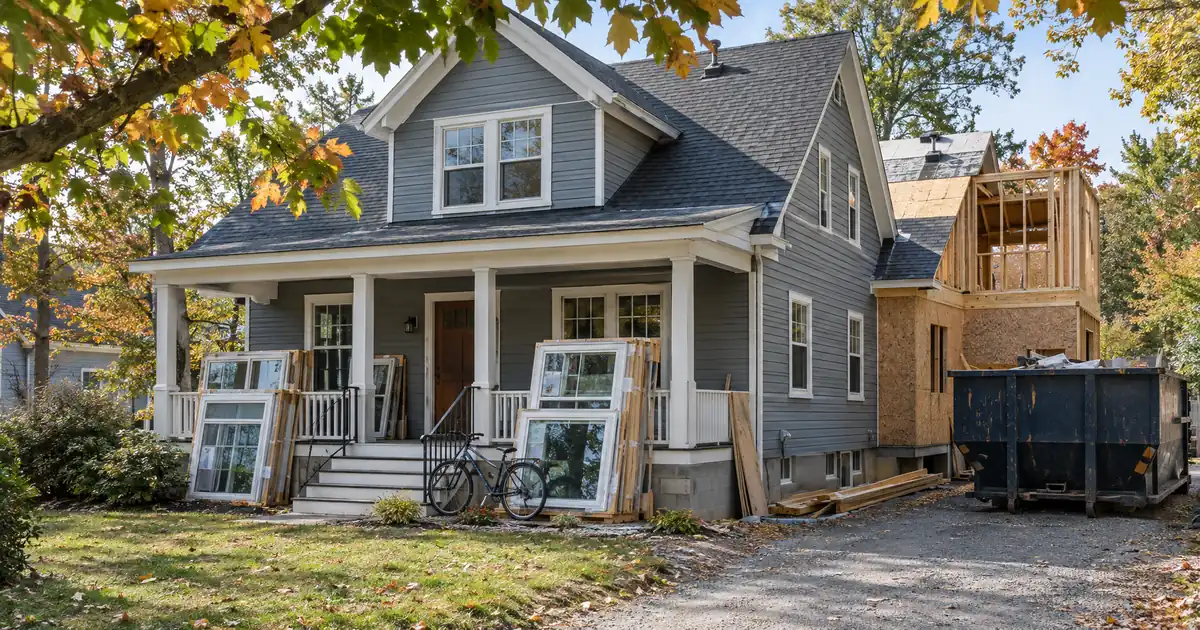
The Quick Read: Your borrowing limit comes from the property and the project, not from your business income. The lender funds whichever cap is lowest: a percentage of project cost, a percentage of after-repair value, or a fixed percentage of value on a refinance.
- Fix-and-flip files typically fund 85% to 93% of project cost, depending on completed projects, and always stay at or under 75% of after-repair value.
- Bridge purchases with no rehab typically reach up to 80% of purchase price. Refinances typically reach up to 65% of value.
- Loan amounts run up to $5,000,000, with larger loans by exception. Terms are 6 to 18 months, interest-only.
- Collateral must be non-owner-occupied residential property of 1 to 4 units. Every figure varies by lender, property, and experience.
How Do Hard Money Bridge Loan Borrowing Limits Work?
Hard money bridge loan borrowing limits are set by collateral. Lenders size the loan on what the property costs and what it will be worth, then fund to the lowest ceiling that applies. Your tax return, your W-2, and your business’s monthly deposits are not the sizing tool.
What this loan actually costs to carry.
Hard money is sized against the project and priced by time. Enter the deal and see how much the program will lend, the cash required at closing, the carry while you hold it, and what is left at the exit.
Leverage tiers on the current program: 85% with fewer than 2, 90% with 2 or more, 93% with 5 or more completed projects — every tier capped at 75% of after-repair value. Loan amounts up to $5,000,000, larger by exception; terms of 6 to 18 months, interest-only, no prepayment penalty. The rehab portion funds in draws against completed work, not at closing.
Program parameters shown update from Lendmire’s centralized guideline source. Rate, points, and months are editable assumptions, not quoted terms.
Cost cap sets the loan · positive spread
Illustrative estimate only — not a quote, Loan Estimate, approval, or commitment to lend. Rate, points, and months are editable assumptions. Hard money is business-purpose financing for real estate investors, not a consumer mortgage. Leverage on the current program tops out at 93% of project cost for investors with a documented track record, capped at 75% of after-repair value, with rehab funding up to 100% of the documented budget released in draws; actual terms vary by lender, borrower experience, property, and exit. Lendmire is a mortgage broker, not a lender.
That is good news if you own a business. Owners often show irregular or tax-minimized income, which can complicate a bank file. A hard money file asks different questions. What is the property? What is the plan? Who is doing the work? How does the loan get repaid?
Two ceilings do most of the work on a rehab deal. One is a percentage of total project cost, meaning purchase price plus rehab budget. The other is a percentage of after-repair value, the estimated worth once the work is done. Real Estate Skills describes this same dual-ceiling structure, with the lender funding to whichever ceiling is hit first. Across the wholesale network Lendmire places files with, the figures are specific and tiered by experience, as the next section shows.
Lendmire is a broker. It arranges these loans through select lenders in its network across 41 markets, including Washington, D.C. The lenders set the final terms, and nothing here is a commitment to lend.
What Are the Leverage Limits by Loan Type?
The ceiling depends on what you are doing with the property. A rehab, a bridge purchase, a refinance, and a ground-up build each size differently. The table shows typical ranges across select lenders in the network. They vary by lender, property, and experience.
| Loan type | Typical ceiling | Measured against |
|---|---|---|
| Fix-and-flip, 5+ completed projects | 93% | Project cost |
| Fix-and-flip, 2+ completed projects | 90% | Project cost |
| Fix-and-flip, under 2 projects | 85% | Project cost |
| Bridge purchase, no rehab | Up to 80% | Purchase price |
| Cash-out or rate/term refinance | Up to 65% | Value |
| Ground-up build, 3+ projects | 90% cost, 75% value | Cost and completed value |
Every fix-and-flip tier is also capped at 75% of after-repair value. The top tier is reserved for experienced investors. First-time investors can qualify, but at the lower leverage tiers.
Rehab money works differently from purchase money. Up to 100% of the rehab budget can fund in draws against completed work. That figure is a share of the rehab budget only. It is not a purchase loan-to-value number.
There is no true 100% purchase program. When a headline promises full financing, it usually means a high share of project cost plus the rehab draws. You still bring cash for the gap, and the lender still checks the value cap.
What Else Limits the Loan Amount?
Percentages are only one limit. The program also sets dollar boundaries and property boundaries.
- Loan size. Loans run up to $5,000,000, with larger loans by exception. Smaller balances vary by lender.
- Term. Terms run 6 to 18 months, interest-only, with no prepayment penalty. There are no multi-year options on the current program.
- Credit. The minimum score is 620, with additional conditions below 660. Underwriting stays asset-based, so the property, the plan, and the exit carry the file.
- Property type. The collateral must be non-owner-occupied residential property of 1 to 4 units. Ground-up construction can reach 10 units. Commercial buildings, industrial property, land, lots, hospitality, and owner-occupied property are not on the program.
That last point matters for business owners. If you want to buy the building your own company will operate from, this is not the right product. The same goes for a mixed-use storefront or a vacant lot.
How Does the Lowest Cap Win? A Worked Example
Run the numbers on one rehab using index points instead of dollars. These are modeled assumptions, not market data. Say the purchase price is 100 and the rehab budget is 30, so total project cost is 130. The after-repair value is estimated at 160.
The value cap is 75% of 160, which is 120. Now apply the experience tiers to the 130 of project cost.
- 5+ completed projects (93%): 120.9 by cost. The value cap of 120 binds, so the loan tops out at 120.
- 2+ completed projects (90%): 117 by cost. That is under the value cap, so cost binds and the loan is 117.
- Under 2 projects (85%): 110.5 by cost. Cost binds again.
Now change one input. Keep the same cost, but let the appraiser land on an after-repair value of 150. The value cap drops to 112.5.
- 5+ projects: 120.9 by cost is cut down to 112.5.
- 2+ projects: 117 by cost is cut down to 112.5.
- Under 2 projects: 110.5 by cost now sits under the value cap and stays at 110.5.
The lesson is simple. A softer appraisal can erase the advantage of a higher experience tier. Experienced investors feel that squeeze most, because their cost-based ceiling is the highest.
A no-rehab bridge purchase is simpler. If the price is 100, the ceiling is up to 80% of that price. A refinance is simpler still, at up to 65% of value. In both cases the gap between the loan and the property is your equity.
What Does Being a Business Owner Change?
“Business owner” can mean two different borrowers, and the limits differ. One is a real estate investor who holds property in an LLC or similar entity. The other runs an operating company and wants a bridge loan for company needs, such as a payroll gap or an equipment purchase.
This article covers the first borrower. Operating-company bridge loans are a separate product. Fundwell explains that they are often sized on a borrowing base, meaning eligible collateral multiplied by advance rates, and may be secured by a blanket lien on business assets. That is not real-estate-secured hard money, so do not compare the two limits side by side.
For the investor in an entity, a few points matter.
Entity ownership. Many investors borrow through an LLC, subject to lender program eligibility. The entity does not change the percentage ceilings. It does change the paperwork, because the lender will want the entity documents and the people behind them.
Personal guaranties. Expect the lender to ask for a personal guaranty from the principal. An LLC does not automatically wall off your personal assets. Your business and personal exposure are linked.
Business-purpose status. Hard money bridge loans are designed for non-owner-occupied investment property, so they are reviewed differently from a standard owner-occupied mortgage. The CFPB’s Regulation Z commentary treats credit to acquire, improve, or maintain non-owner-occupied rental property as business purpose. The practical effect for you is that sizing follows the deal and the collateral.
Here is what a broker sees across files like these. Business owners tend to overestimate what their company’s strength adds to the loan size and underestimate what the project’s paperwork adds. A tight scope of work, a realistic budget, and a documented track record usually move the outcome more than a strong business balance sheet does.
Why Do Requests Get Cut Back?
Most reductions trace to the same few causes. Knowing them before you apply saves you from resizing the deal at the last minute.
- A low appraisal. The value cap shrinks, and as the example showed, it often becomes the binding constraint.
- A rehab budget the lender does not believe. Underestimated costs lead to a lower cost basis or a tighter draw schedule.
- Thin experience. Fewer than two completed projects puts you in the 85% tier instead of 90% or 93%.
- Credit below 660. The program allows a 620 minimum, but conditions apply below 660, and those can lower leverage.
- Weak comparable sales. If the after-repair value rests on shaky comps, the lender tends to size to the conservative number.
- A vague exit. If the repayment plan is unclear, the lender may reduce leverage or decline the file.
- Property type. An owner-occupied or non-residential property is outside the program entirely.
A larger down payment can offset some of this. It cannot erase a credit floor, a property-type restriction, or a value cap. The strongest files clear both tests: enough equity and a credible plan.
How Is the Limit Different From What You Actually Receive?
The maximum loan amount and your net cash are different numbers. The limit is the ceiling on the loan. What reaches the contractor and the seller is smaller once a few items come off. Terms depend on the lender’s guidelines, the property type, the leverage, and a full review of the credit profile.
Rehab money arrives in draws, so it is not in your hands on day one. Interest-only carry accrues on what has been drawn. Any existing liens on a refinance must be paid off from the proceeds. Lender and third-party fees apply as well, and their amounts vary by lender.
Plan your cash for the gap between the loan and the full project. That means your down payment, your carry costs, and a cushion for overruns. This article gives no pricing, so ask each lender for a written breakdown of every cost before you commit.
Why Does the Exit Plan Cap Your Leverage?
A bridge loan is short by design, with terms of 6 to 18 months. Lenders size it partly on whether you can repay it, so the exit shapes the limit.
There are two common exits. You sell the property, or you refinance into long-term financing. Many investors refinance out of hard money into long-term DSCR financing once the property is stabilized and rented, a path Lendmire brokers. The complete DSCR loans guide explains how that take-out loan is sized.
The key point is to size the bridge so the later loan can retire it. If you borrow to the top of every cap, a modest miss on appraised value or rent can leave you short at refinance time. Biz2Credit also cautions that extension fees add up when an exit runs long. Build a conservative timeline, and remember that term lengths and extension options vary by lender.
What If You Need More Than the Limit Allows?
Sometimes the number the lender offers is lower than the number your project needs. You have a few options, and each carries a tradeoff.
- Bring more cash. This is the cleanest fix. It lowers your leverage and your refinance risk, but it ties up capital.
- Buy for less or trim the rehab. A smaller project can fit inside the caps. You give up some upside.
- Add equity from another property. Some lenders will consider additional collateral. That puts a second asset at risk.
- Use seller financing or second-position capital. These can fill a gap. They add a second payment, a second set of terms, and a more complicated payoff.
- Build experience first. Completing projects moves you into higher cost tiers on later deals.
Do not stack unlimited gap money on top of a maxed loan. If the project’s margin disappears once every layer is paid, the deal does not work at that size.
What Should You Gather Before You Apply?
You can estimate your own number before any lender sees the file. Follow these steps.
1. Write down the purchase price and the full rehab budget. Add them for total project cost.
2. Estimate after-repair value using recent comparable sales of finished homes nearby.
3. Multiply cost by the tier that matches your completed projects, then multiply value by 75%. The lower result is your working ceiling.
4. Subtract that ceiling from total cost. The remainder is the cash you must bring, before carry and reserves.
5. Plan your exit, and confirm the refinance or sale would clear the loan.
Documents typically include the property address and contract, a scope of work with contractor bids, your entity documents, and a record of your completed projects. Your credit report and proof of funds for the down payment round out the file. Requirements vary by lender and property.
Key Terms Defined
After-repair value (ARV): The estimated worth of a property once planned renovations are finished.
Loan-to-cost: The loan amount as a percentage of total project cost, meaning purchase price plus rehab budget.
Draws: Installments of rehab money released after completed work is verified.
Interest-only: A structure where you pay only interest during the term and repay the principal at the end.
Personal guaranty: A promise by an individual to repay the loan if the borrower entity does not.
Exit strategy: The plan for repaying the loan, usually a sale or a refinance into long-term financing.
When Should You Skip This Product?
Skip hard money if your project has no clear exit, if the margin disappears at the lender’s value cap, or if the property is owner-occupied or outside the 1 to 4 unit residential range. Skip it too if you cannot absorb a delay. Terms are short, and a stalled rehab puts pressure on your refinance.
One more note on the money side. Tax treatment can depend on how the funds are used and how the property is held; investors should keep clear records and speak with a qualified tax professional before relying on any deduction.
Frequently Asked Questions
How much can I borrow on a hard money bridge loan?
It depends on the loan type and your experience. A fix-and-flip typically funds 85% to 93% of project cost, never above 75% of after-repair value. A bridge purchase without rehab typically reaches up to 80% of purchase price, and a refinance up to 65% of value. Loan amounts run up to $5,000,000, with larger loans by exception.
Does my business income matter for the loan limit?
Not as the sizing tool. Underwriting is asset-based, so the property, the plan, and the exit drive the amount. Credit still matters, with a 620 minimum and additional conditions below 660.
Can I borrow 100% of the purchase price?
No. There is no true 100% purchase program. Up to 100% of the rehab budget can fund in draws against completed work, but you still bring cash toward the purchase.
Can I use a hard money bridge loan on my own business property?
No. The program covers non-owner-occupied residential property of 1 to 4 units, with ground-up construction up to 10 units. Owner-occupied property, commercial buildings, land, and lots are not offered.
What happens if the appraisal comes in low?
The value cap shrinks, and the loan amount usually drops with it. You then bring more cash, renegotiate the price, or reduce the project. Experienced-investor tiers are most exposed, since their cost-based ceiling sits closest to the value cap.
Next Steps
If you are buying, rehabbing, or refinancing an investment property on a short timeline and want to see how the numbers work, Lendmire can help you compare hard money options based on the project, the exit plan, leverage, and your goals. Reach the team at 828-256-2183 or request a quote through the site.
About Lendmire
Lendmire, NMLS# 2371349, is a non-QM mortgage broker serving real estate investors in 41 markets, including Washington, D.C., through DSCR investor loan programs. Qualification is generally reviewed around the subject property’s rental income, not the borrower’s W-2 history — a practical fit for LLC-titled portfolios and self-employed investors. All scenarios remain subject to lender review and program guidelines. Two consecutive Scotsman Guide Top Mortgage Workplace recognitions (2025, 2026).
Many investors treat hard money as the acquisition tool and plan the exit up front – see the hard money loan overview.
Get Started
Ready to find the right loan for you?
In about 30 seconds you can review financing options available for your investment property. No commitment required.
Informational only. Not a Loan Estimate, approval, or commitment to lend. Program availability and eligibility are subject to lender guidelines, credit approval, property review, and underwriting.
References
1. Real Estate Skills, bridge loan lender sizing
2. Fundwell, business bridge loan structure
3. CFPB, Regulation Z §1026.3 commentary
4. Biz2Credit, commercial bridge loan extension fees
This article is part of Lendmire’s hard money loan program — full qualification details, guidelines, and scenarios live on the program page.
Related reading: Can You Get a Hard Money Loan Without Owning a Business? · Does a Hard Money Loan on a Condo Have a Lower Borrowing Limit? · Can You Buy a Flip in an LLC With a Hard Money Loan?
Brandon Miller
Founder & CEO, Mortgage Loan Originator, Lendmire LLC
- Mortgage Loan Originator · NMLS# 1129696 · Verify on NMLS Consumer Access
- North Carolina Real Estate Broker · License# 343312 · Verify on NCREC
- North Carolina Insurance Producer · License# 19053198 · Property, Casualty, Life, Health · Verify on NAIC SBS
- Lendmire LLC · Firm NMLS# 2371349 · Verify firm licensure
Important disclosures. Lendmire (NMLS# 2371349) is a licensed mortgage brokerage. Lendmire is not a direct lender, depository institution, or financial advisor. All loan inquiries are subject to lender underwriting; this article does not constitute a commitment to lend. Rates, terms, and program guidelines are subject to change without notice and vary by borrower profile, property type, and state. Information in this article is general in nature and is not financial, legal, or tax advice. Equal Housing Opportunity. NMLS Consumer Access: nmlsconsumeraccess.org.