
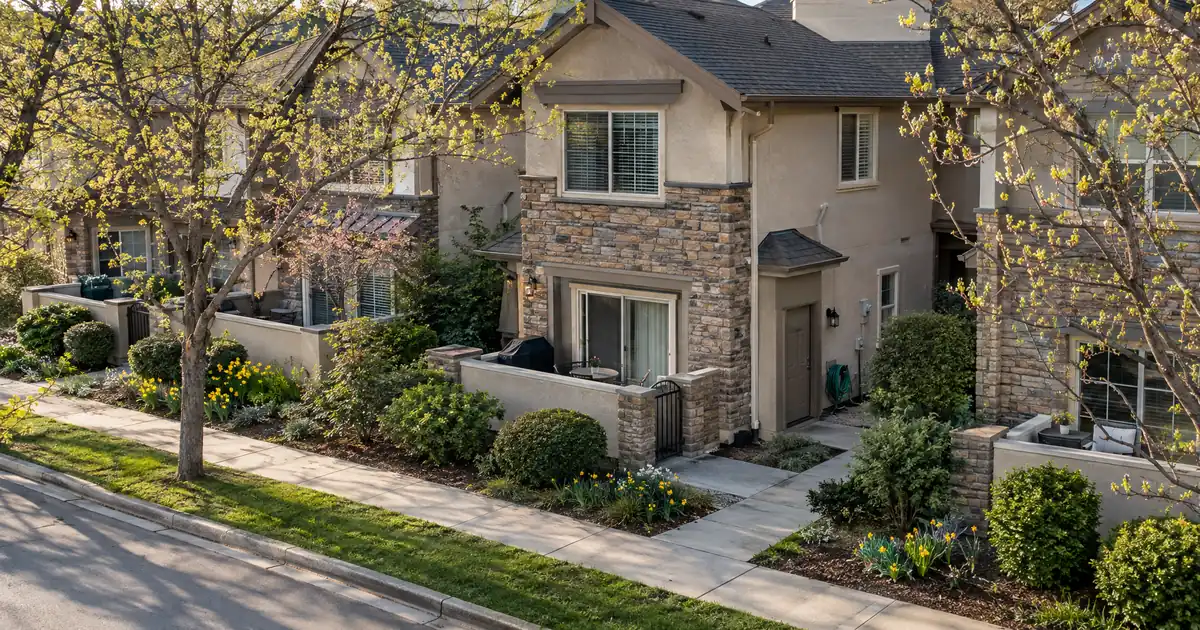
The Quick Read: A bridge loan on a condo investment property is short-term, asset-based financing that a lender approves by weighing three things together: your equity and credit, the unit itself, and the health of the building, backed by a documented exit that usually ends in a long-term rental refinance.
- Bridge purchases on non-owner-occupied 1-4 unit residential property typically reach up to 80% of project cost (purchase plus rehab budget), and refinances up to 65% of value. Terms run 6-18 months, interest-only, with no prepayment penalty. All of this varies by lender, property, and experience.
- The minimum credit score is 620, with additional conditions below 660.
- The building gets underwritten along with the unit, so a condo can fail on project facts even when you are strong.
- Rental rules in the HOA can break your exit before the bridge loan ever matures.
- The usual takeout is a DSCR refinance, which compares rent to the full monthly obligation. It does not measure cash flow.
What Is a Bridge Loan on a Condo?
A bridge loan is short-term financing that spans a gap until permanent financing arrives or an obligation is removed. Investopedia’s bridge loan definition describes it as interim financing, usually backed by real estate. For an investor, that gap is usually one of three things: buying before another property sells, renovating or leasing up before a long-term loan, or tapping equity to fund a purchase.
What this loan actually costs to carry.
Hard money is sized against the project and priced by time. Enter the deal and see how much the program will lend, the cash required at closing, the carry while you hold it, and what is left at the exit.
Leverage tiers on the current program: 85% with fewer than 2, 90% with 2 or more, 93% with 5 or more completed projects — every tier capped at 75% of after-repair value. Loan amounts up to $5,000,000, larger by exception; terms of 6 to 18 months, interest-only, no prepayment penalty. The rehab portion funds in draws against completed work, not at closing.
Program parameters shown update from Lendmire’s centralized guideline source. Rate, points, and months are editable assumptions, not quoted terms.
Cost cap sets the loan · positive spread
Illustrative estimate only — not a quote, Loan Estimate, approval, or commitment to lend. Rate, points, and months are editable assumptions. Hard money is business-purpose financing for real estate investors, not a consumer mortgage. Leverage on the current program tops out at 93% of project cost for investors with a documented track record, capped at 75% of after-repair value, with rehab funding up to 100% of the documented budget released in draws; actual terms vary by lender, borrower experience, property, and exit. Lendmire is a mortgage broker, not a lender.
The investor version differs from the homeowner “buy before you sell” loan. Investor bridge loans are business-purpose financing for non-owner-occupied property. The lender looks hard at the collateral, your equity, and the exit, and less at your paycheck.
The collateral here is a condo. A condo is two things at once: a unit you own and a share of a building you do not control. That second part is what makes condo requirements different from a single-family rental.
Requirements at a Glance
Lenders sort condo bridge requirements into four buckets. This table is the whole file in miniature.
| Bucket | What the lender reviews | What to prepare |
|---|---|---|
| Borrower | Equity, credit, experience | Proof of funds, entity papers |
| Unit | Value, condition, occupancy | Contract or payoff, lease |
| Building | Warrantability, finances, litigation | HOA budget and questionnaire |
| Exit | Sale or refinance path | Written takeout plan |
Program figures below come from the select-lender hard money programs Lendmire arranges through its wholesale network, a 41-market footprint that includes Washington, D.C. They vary by lender, property, and experience, and none of this is a commitment to lend.
Borrower Requirements: Equity, Credit, and Experience
Equity comes first. On a bridge purchase without a rehab, leverage typically tops out at 80% of purchase price. On a refinance, it typically tops out at 65% of value. Loan amounts run up to $5,000,000, with larger deals by exception. If you plan a rehab, leverage is usually measured against project cost and after-repair value rather than a plain purchase ratio.
Credit is the second gate. A 620 minimum score applies, with extra conditions below 660. First-time investors can qualify at the lower leverage tiers, while the highest tiers are reserved for investors with a documented track record.
Underwriting stays asset-based. The lender reviews the property, the plan, and the exit. That does not mean credit is ignored or approval is automatic. It means your personal income is not the main event.
Most investors also use an LLC. Entity borrowers are common, subject to lender program eligibility, so have your formation documents and operating agreement ready.
Condo Project Requirements: The Building Gets Underwritten Too
Here is the part most borrowers miss. The lender reviews the project as well as the unit, and a strong borrower cannot fix a weak building.
The first test is warrantability. A warrantable condo meets the standard project tests lenders use. A non-warrantable condo fails one of them. Common triggers are heavy investor concentration, pending litigation, thin reserves, and commercial space in the building. Non-warrantable does not mean a bad property. It is a paperwork verdict on the project, and some lenders in the network will review those condos while others will not. Eligibility is lender-specific.
The vehicle for this review is the HOA questionnaire. The HOA or its manager completes it, and it covers litigation, delinquent dues, investor share, reserves, and insurance. A non-warrantable finding often surfaces here rather than at the appraisal.
The appraisal comes next. Condo units are normally valued on the unit report, Fannie Mae’s Form 1073, and rented 2-4 unit properties use Form 1025, both listed on Fannie Mae’s appraiser forms page. The 1073 asks about project occupancy, whether the developer still controls the HOA, and the monthly unit charge. The appraiser reports those facts. The lender decides warrantability.
Insurance and dues matter too. The master policy, the HOA’s reserve funding, and any special assessments all shape the file. HOA dues also sit inside the monthly obligation your takeout lender will count, so heavy dues can sink an otherwise strong rent.
Rental Rules and Your Exit
Can you actually rent the unit the way your plan assumes? Check this before you sign, not at refinance.
HOA rental rules vary widely. Some buildings cap the share of rented units. Some set minimum lease lengths. Some ban short-term rentals outright. Short-term rental rules can vary by city, county, HOA, and property type, so investors should confirm local rules before relying on projected rental income.
Each rule cuts into the exit in a different way:
- A rental cap can block your tenant plan, or block your buyer if the exit is a sale.
- A minimum lease term can rule out a mid-term or furnished-rental strategy.
- A short-term rental ban removes the income your coverage math might assume.
The takeout lender runs its own project review at refinance. A building that passed for the bridge can fail for the permanent loan if its status changed. Pre-screen the building against both lenders’ tests.
Worked Example: Bridge In, DSCR Out
Run the numbers on this modeled scenario. An investor buys a condo that is rented to a tenant and is eligible for the bridge program. The bridge funds up to 80% of the purchase price, so the investor brings the rest as cash plus closing and carry costs. The investor holds the unit through the bridge term, then refinances into long-term rental financing.
The takeout math. Cash-out DSCR refinances top out around 75% LTV across most of the network, and about 6 months of seasoning is the common expectation. If the bridge sat at 80% of price, a refinance at 75% of value can leave a gap. Closing it takes either appreciation from a renovation or cash from you. Final terms depend on lender guidelines, property type, leverage, and the borrower’s complete credit picture.
The coverage math. DSCR divides monthly rent by the full monthly obligation: principal, interest, taxes, insurance, and HOA dues. In this scenario, say rent clears the payment at roughly 1.2x. Here 1.00 is where many select programs start, and stronger ratios open better pricing and leverage. A separate select-lender path takes coverage below 1.00, with leverage and terms adjusted.
The credit math. Most DSCR programs want around a 660 score, and 700+ unlocks the strongest leverage tiers. The 620 floor exists in parts of the network.
Many investors refinance out of a bridge or hard money loan into long-term DSCR financing once the property is stabilized, and Lendmire arranges that path through its network. The details are in the complete DSCR loans guide.
Documents Checklist
Assemble these three piles early.
Borrower documents
- Entity documents, if you buy through an LLC
- Proof of equity or funds for the down payment and carry
- A written exit plan
- Your schedule of owned properties, if the lender asks
Unit documents
- The purchase contract, or a payoff statement for a refinance
- The current lease or rent roll
- Evidence of insurance on the unit
HOA documents
- The completed HOA questionnaire
- The current budget and reserve information
- The master insurance certificate
- The rental rules and governing documents
Get the HOA package first. It is the slowest piece to collect, because you depend on a manager’s schedule, and the building’s verdict controls everything else.
Where the General Rule Breaks
Every rule above has edge cases. These are the ones that catch investors.
Non-warrantable condos. Some bridge programs treat them as eligible collateral and some limit eligibility to warrantable projects. Do not assume. Ask the lender about the building before you pay for an appraisal.
Condotels. A condotel is a condo in a hotel-style building with a rental program. Condotel and non-warrantable overlap, but they are not identical. Operator splits and fees come off the income first, so gross rent is not qualifying income.
Cross-collateral. An investor bridge loan can use equity in another property as security. Agency rules take the opposite view for owner-occupied purchases. Fannie Mae’s Selling Guide on bridge and swing loans accepts a bridge loan as a source of funds only if it is not cross-collateralized against the new property, and the lender must document that the borrower can carry the payments. DSCR loans are not agency products, so treat that as contrast, not a requirement.
The takeout is not guaranteed. A bridge lender does not promise the long-term loan. If the building changes status, the unit appraises short, or rent falls, the refinance can stall. The loan then matures with a balance due.
DSCR is not cash flow. Clearing 1.00 means rent covers the monthly payment. Repairs, vacancy, management, utilities, and capital expenses sit outside that calculation.
Ineligible property. Manufactured homes, log homes, and barndominiums are not offered in the DSCR network. The hard money collateral sheet covers non-owner-occupied residential property of 1-4 units, so commercial, hospitality, land, and owner-occupied property are not on it.
Bridge Loan vs Alternatives
| Option | Best for | Main limit |
|---|---|---|
| Bridge loan | Buying or repositioning now | Short term, balance due at maturity |
| DSCR purchase | Stabilized, rented condo | Building and credit rules apply |
| DSCR cash-out refinance | Pulling equity from a rented condo | About 75% LTV and seasoning |
A DSCR purchase is the better tool when the unit is already rented and the building is clean, because you skip the maturity deadline. A bridge makes sense when the property needs work or time before long-term financing is available.
Owners weighing this choice can also read Lendmire’s piece for owners deciding on a bridge loan.
Tax treatment varies; consult a qualified professional before relying on any deduction.
Key Terms Defined
Bridge loan: Short-term financing that spans the gap between buying or renovating and a permanent loan.
Warrantable condo: A condo project that meets the standard tests lenders apply to the building.
Non-warrantable condo: A condo project that fails one or more of those tests, often because of investor concentration, litigation, or low reserves.
HOA questionnaire: A form the HOA completes about finances, litigation, and ownership mix in the building.
Exit (or takeout): The sale or refinance that repays the bridge loan.
DSCR (debt service coverage ratio): Monthly rent divided by the full monthly obligation of principal, interest, taxes, insurance, and HOA dues.
Seasoning: The ownership period a lender expects before it will refinance at a new value.
Frequently Asked Questions
Can I use a non-warrantable condo for a bridge loan?
Sometimes. Eligibility depends on the lender, the specific reasons the project is non-warrantable, and your leverage. Expect lower leverage and a closer look at HOA financials. Get the HOA questionnaire reviewed before you commit to the unit.
Does the HOA need to approve my loan?
The HOA does not approve the loan, but it supplies the questionnaire and documents the lender relies on. The lender decides warrantability from those answers. The HOA’s rental rules still bind you as an owner.
Can I borrow through an LLC?
Yes, in many cases, subject to lender program eligibility. Have your formation documents and operating agreement ready, since lenders review the entity along with the property.
What if the condo doesn’t sell or refinance in time?
The balance comes due at maturity, so a plan B matters. Options include negotiating an extension with the lender, refinancing into DSCR financing once the unit is stabilized, or selling. Build in slack, because terms run 6-18 months and project reviews can reveal surprises.
Do I need to live in the unit?
No. The hard money program covers non-owner-occupied residential property. Owner-occupied property is not on the collateral sheet.
If you are buying, rehabbing or refinancing an investment property on a short timeline and want to see how the numbers work, Lendmire can help you compare hard money options based on the project, the exit plan, leverage, and your goals.
Pick the building before you pick the loan, because a condo’s rental rules and warrantable status will decide your exit long before the bridge term ends.
For current guidelines and terms, see Lendmire’s DSCR loan programs page.
About Lendmire
Lendmire (NMLS# 2371349) is a mortgage brokerage built around DSCR investor lending, with programs available in 41 markets, including Washington, D.C. DSCR lenders commonly evaluate rental-income coverage instead of personal income paperwork — a practical fit for LLC-owned and multi-property investors. Terms vary by lender, property, leverage, and program. Scotsman Guide named Lendmire a Top Mortgage Workplace in both 2025 and 2026.
Get Started
Ready to find the right loan for you?
In about 30 seconds you can review financing options available for your investment property. No commitment required.
Informational only. Not a Loan Estimate, approval, or commitment to lend. Program availability and eligibility are subject to lender guidelines, credit approval, property review, and underwriting.
References
2. Fannie Mae: Appraiser Forms and Property Underwriting
3. Fannie Mae Selling Guide B3-4.3-14: Bridge/Swing Loans
This article is part of Lendmire’s hard money loan program — full qualification details, guidelines, and scenarios live on the program page.
Related reading: Entity Requirements for Consolidating Rentals Into a DSCR Loan · 30-Year Portfolio DSCR Loan Requirements for Houses and Condos · Can a Rental Property Get a DSCR Home Equity Loan Behind the First?
Brandon Miller
Founder & CEO, Mortgage Loan Originator, Lendmire LLC
- Mortgage Loan Originator · NMLS# 1129696 · Verify on NMLS Consumer Access
- North Carolina Real Estate Broker · License# 343312 · Verify on NCREC
- North Carolina Insurance Producer · License# 19053198 · Property, Casualty, Life, Health · Verify on NAIC SBS
- Lendmire LLC · Firm NMLS# 2371349 · Verify firm licensure
Disclosures. The information presented in this article is general market commentary, not financial, legal, or tax advice. Lendmire is a mortgage brokerage (NMLS# 2371349) — not a direct lender or depository institution — and loan placement is subject to lender underwriting. Nothing in this content represents a commitment to lend. Loan terms, pricing, and program availability vary based on borrower qualifications, property characteristics, and state of subject property, and are subject to change at any time. Lendmire complies with Equal Housing Opportunity requirements. Consumer access: nmlsconsumeraccess.org.