
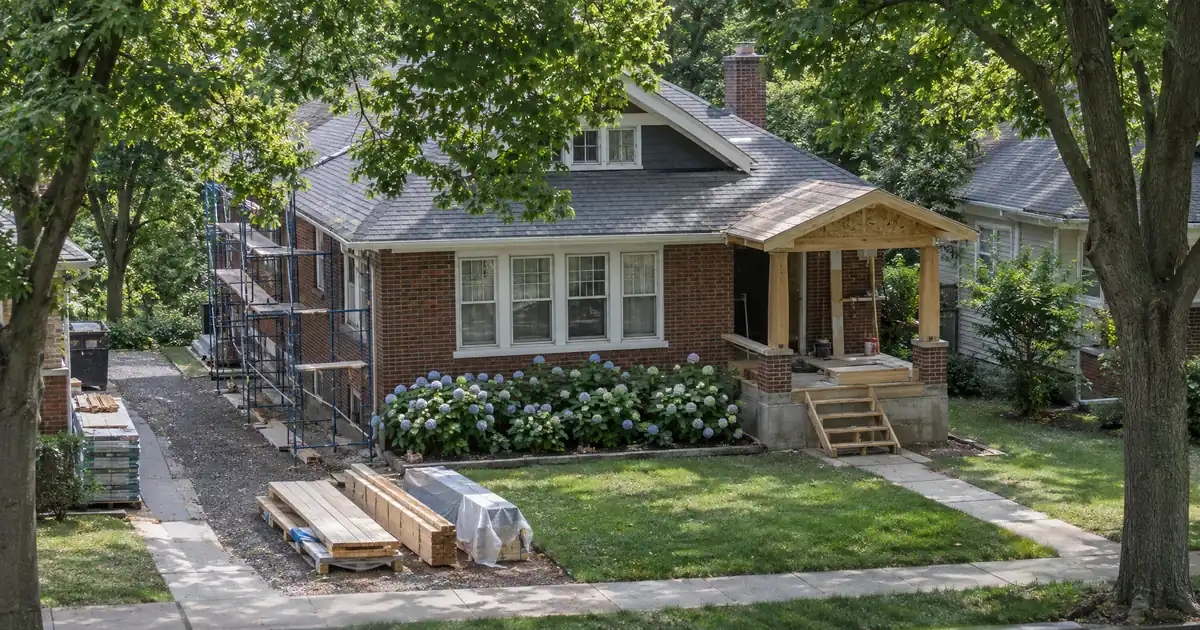
The Quick Read: A hard money lender sizes a flip loan on the property and the plan, and it runs two tests on every file: a cost-based cap and an after-repair-value cap, with the lower result setting the loan.
- A clean flip leans on the purchase price. The rehab budget is small, draws are few, and cost is usually the cap that binds.
- A rehab flip leans on the after-repair value. The holdback is large, draws are staged, and scope detail drives the file.
- On Lendmire’s network, flip leverage runs up to 93% of project cost at 5+ completed projects, 90% at 2+, and 85% with fewer than 2, every tier capped at 75% of after-repair value (varies by lender, property, and experience).
- Up to 100% of the rehab budget funds in draws against completed work. That is a rehab-budget figure, not a purchase figure.
- Nothing here is a commitment to lend. Each file is underwritten individually.
The honest answer on who each option is for: a clean flip suits an investor with a livable house, a short punch list, and little need for draw management. A rehab suits an investor who has the experience, the cash float, and the documentation to carry a staged build. Both are the same loan product. The scope changes which number binds and how the cash moves.
What this loan actually costs to carry.
Hard money is sized against the project and priced by time. Enter the deal and see how much the program will lend, the cash required at closing, the carry while you hold it, and what is left at the exit.
Leverage tiers on the current program: 85% with fewer than 2, 90% with 2 or more, 93% with 5 or more completed projects — every tier capped at 75% of after-repair value. Loan amounts up to $5,000,000, larger by exception; terms of 6 to 18 months, interest-only, no prepayment penalty. The rehab portion funds in draws against completed work, not at closing.
Program parameters shown update from Lendmire’s centralized guideline source. Rate, points, and months are editable assumptions, not quoted terms.
Cost cap sets the loan · positive spread
Illustrative estimate only — not a quote, Loan Estimate, approval, or commitment to lend. Rate, points, and months are editable assumptions. Hard money is business-purpose financing for real estate investors, not a consumer mortgage. Leverage on the current program tops out at 93% of project cost for investors with a documented track record, capped at 75% of after-repair value, with rehab funding up to 100% of the documented budget released in draws; actual terms vary by lender, borrower experience, property, and exit. Lendmire is a mortgage broker, not a lender.
This piece covers business-purpose flips on non-owner-occupied 1-4 unit residential property. Lendmire is a broker. It arranges these loans through select lenders in its wholesale network across 41 markets, including Washington, D.C., and the lenders review and approve.
Key Terms Defined
- As-is value: what the property is worth today, before any work.
- After-repair value (ARV): an appraiser’s estimate of value once the renovation is finished.
- Loan-to-cost (LTC): the loan as a share of purchase price plus rehab budget.
- Holdback: the rehab money the lender holds back at closing.
- Draw: a release from the holdback, paid after the lender verifies completed work.
- Spread: the gap between total project cost and ARV. It is the lender’s cushion.
How Does a Hard Money Lender Size a Flip Loan?
The lender runs two tests and takes the lower result. One test is cost: a percentage of purchase price plus rehab budget. The other is value: a percentage of the ARV. Corporate Finance Institute describes hard money as asset-secured, short-term private lending, and that asset focus is why both tests look at the property rather than your income.
Here is the mechanical order on most files:
1. The borrower submits the contract, a line-item scope, contractor bids, comps, and an exit plan.
2. An appraisal or broker price opinion sets the as-is value and the ARV.
3. The lender applies the cost cap by experience tier. Across the network that is 93% of project cost at 5+ completed projects, 90% at 2+, 85% below that.
4. The lender applies the value cap: 75% of ARV on every tier.
5. The lower number is the loan. You fund the gap plus closing costs.
6. Only the acquisition portion funds at closing. The rehab budget sits in a holdback and releases in draws.
Credit still matters. A 620 minimum score applies, with additional conditions below 660. First-time investors qualify at the lower leverage tiers. Underwriting stays asset-based: property, plan, exit. All of it varies by lender, property, and experience.
Side-by-Side
| Factor | Clean Flip | Rehab Flip |
|---|---|---|
| Sizing weight | Purchase price | After-repair value |
| Cap that usually binds | Cost cap | Value cap on thin spreads |
| Holdback | Small | Large |
| Draws | Few | Several, staged |
| Scope document | Short, itemized | Detailed, line by line |
| Cash float | Modest | Heavier, work is reimbursed |
| Appraisal focus | As-is close to ARV | Scope drives ARV |
| Main risk | Thin spread | Overrun and scope change |
| Entity vesting | Entity docs and guarantee | Same, with closer review |
| Timeline | Short build | Longer build, more to plan |
Reserves and documentation follow the same pattern. A light scope needs a short package. A heavy scope needs a full package and more proof of funds.
What Actually Makes a Flip “Clean” or a “Rehab”
There is no regulatory line between the two. The distinction is the lender’s view of risk. A clean flip is cosmetic work on a livable house: paint, flooring, fixtures, landscaping. The as-is value and the ARV sit close together, so there is less value created for the lender to lend against.
A rehab involves systems or structure: roofing, electrical, plumbing, layout changes. The ARV carries more of the sizing weight. Scope realism, contractor vetting, and the draw schedule become the main underwriting items.
Older houses blur the line. A cosmetic scope can hide old wiring, old plumbing, or unpermitted prior work. A file submitted as clean that turns up those items becomes a rehab mid-project, and the budget and draws no longer match.
When a Clean Flip Is the Better Fit
Choose the clean flip when the house is livable, the scope fits on a page, and your cash position is solid. The cost cap does most of the work, the holdback is small, and few draws means little inspection friction.
Reserves or a slightly larger down payment may be all the file needs on a light scope. The trade-off is thinner upside. With a small spread between cost and ARV, the lender has less cushion, so the file leans on your experience tier and a realistic ARV.
Picture a $300,000 purchase with paint, floors, and fixtures. At the 90% tier the cost test binds easily, because the ARV cap sits well above the cost-based loan. The question for the file is whether comps support the finished value, not whether the budget can be verified draw by draw.
Clean flips also suit investors who may hold. Cosmetic work is a candidate for direct DSCR financing rather than hard money first, when the property is already rentable. Lendmire’s piece Should a Light-Rehab Airbnb Go Hard Money Then DSCR or Direct DSCR? covers that fork.
When a Rehab Flip Is the Better Fit
Choose the rehab when the value is created by the work. The ARV test gets more weight, and up to 100% of the rehab budget funds in draws against completed work. That means the lender carries the construction cost as it is verified, which matters when the budget is large.
The catch is float. Draws reimburse finished work, so you fund early contractor payments and wait for inspection. Per-draw inspection fees are common and vary by lender. Experience matters here, because the top leverage tier is reserved for investors with documented completed projects.
Scope documentation decides these files. A line reading interior work with one lump figure gives an inspector nothing to match against. Break it into roofing, electrical, flooring, kitchen, and paint, and each draw ties to a line. Add a contingency line and keep room to shift unspent funds between lines. Scope added after the appraisal was ordered can force a revised ARV, so freeze the scope first.
Run the numbers on a $250,000 purchase with a heavy budget. The cost-based loan at 85%, 90%, or 93% of project cost may look generous, but the 75%-of-ARV cap can cut it back if the spread is thin. That is the usual place a rehab file loses leverage: the value cap, not the cost cap.
Structural problems matter too. A house with foundation trouble may work as a short-term flip when it would not work as a rental hold. Severe structural, title, or legal problems can still stop a deal.
How Draws Change Your Cash
A bigger holdback raises the cash you carry. On a clean flip there are few draws and little float. On a rehab, the borrower pays first, the lender inspects, then releases. Investor Fuel notes that exits into rental financing carry their own requirements on top of a coverage ratio near 1.0, so plan the exit while you plan the build.
The loan is interest-only on a 6-18 month term with no prepayment penalty. There are no multi-year options on the current program. Fit the rehab, the sale or lease-up, and any refinance inside that window. Many investors who stabilize a property refinance out of hard money into long-term DSCR investor loans, and Lendmire brokers that path.
Entity, Title, and Documentation Friction
Whichever flip you run, the same documents slow files down:
- Entity documents that name who can borrow and who can pledge the property, since the person with that authority signs at closing.
- A personal guarantee, which most lenders require from the owners of an entity borrower.
- A course-of-construction or builder’s-risk insurance binder naming the lender.
- Clear title, so draws and lien waivers protect lien position.
- An itemized scope, bids, and proof of funds.
Heavier scopes get closer review on every one of these. Clean flips pass through with less to reconcile.
Where Most Flippers Get It Wrong
A common error is treating hard money as cash. A hard money loan has underwriting, an appraisal, and conditions. If the lender will not fund, a cash-style offer can put earnest money at risk.
The second is assuming 100% financing means 100% of the purchase. The rehab budget can fund up to 100% in draws. The purchase cannot. There is no true 100% purchase program.
The third is an optimistic ARV. An inflated finished value is a leading reason a flip loan gets cut back. Use comps from renovated sales, not asking prices.
On tax, a flip is generally treated as inventory held for sale, per IRS Publication 544. Tax treatment varies; consult a qualified professional.
The Verdict
If the work is cosmetic and the house is livable, the clean flip is the lower-friction structure. If the work creates the value, the rehab earns more upside and demands more documentation, float, and experience. The same lender math sits under both: two caps, the lower one wins.
Pick on four factors. How big is the scope? How much cash can you carry before reimbursement? How many completed projects can you document? Is the exit inside the term? If you are buying, rehabbing, or refinancing an investment property on a short timeline and want to see how the numbers work, Lendmire can help you compare hard money options based on the project, the exit plan, leverage, and your goals. Call 828-256-2183 or request a quote. For the broader financing picture, see the complete DSCR loans guide.
Frequently Asked Questions
Which number does a hard money lender use to set the loan, cost or ARV?
Both, and the lower result governs. Across the network, cost-based leverage runs 85% to 93% of project cost by experience tier, with every tier capped at 75% of after-repair value. These figures vary by lender, property, and experience.
Does a clean flip need a holdback?
Usually a small one. A light scope means a small rehab budget and few draws. The lender still holds back rehab money and releases it after verifying the work, but the float you carry is modest.
Can a first-time flipper get a rehab loan?
First-time investors qualify at the lower leverage tiers, subject to lender guidelines. The top tier is reserved for experienced investors. Expect to bring more cash and a tighter scope.
Is 100% rehab financing the same as 100% financing?
No. Up to 100% of the rehab budget can fund in draws against completed work. The purchase itself is not financed at 100%.
What happens if the appraisal comes in below my ARV?
The value cap shrinks the loan, and you fund the difference. Bring renovated comps and a frozen, itemized scope. A reconsideration request with recent sales can help.
Can I refinance after the flip?
Many investors who keep a property refinance into long-term DSCR financing once it is stabilized. Rental-rate and coverage requirements apply, subject to lender guidelines.
About Lendmire
Lendmire — NMLS# 2371349 — is a mortgage brokerage specializing in DSCR investor loans, helping arrange financing across 41 markets, including Washington, D.C., through wholesale and investor-lending channels. The model centers on property-level rental income reviewed by the lender rather than W-2 documentation, subject to lender guidelines, suiting entity-owned and multi-property investors. Lendmire holds Scotsman Guide Top Mortgage Workplace recognition for 2025 and 2026.
Get Started
Ready to find the right loan for you?
In about 30 seconds you can review financing options available for your investment property. No commitment required.
Informational only. Not a Loan Estimate, approval, or commitment to lend. Program availability and eligibility are subject to lender guidelines, credit approval, property review, and underwriting.
References
1. Corporate Finance Institute: Hard Money Loan
2. Investor Fuel: When a Flip Won’t Sell
This article is part of Lendmire’s hard money loan program — full qualification details, guidelines, and scenarios live on the program page.
Related reading: Hard Money Loan Qualification Documents for a Flip Investor · Can You Estimate Monthly Holding Costs on a Hard Money Flip Loan? · Private vs Direct Hard Money Lender Requirements for a Flip Loan
Brandon Miller
Founder & CEO, Mortgage Loan Originator, Lendmire LLC
- Mortgage Loan Originator · NMLS# 1129696 · Verify on NMLS Consumer Access
- North Carolina Real Estate Broker · License# 343312 · Verify on NCREC
- North Carolina Insurance Producer · License# 19053198 · Property, Casualty, Life, Health · Verify on NAIC SBS
- Lendmire LLC · Firm NMLS# 2371349 · Verify firm licensure
Important disclosures. Lendmire (NMLS# 2371349) is a licensed mortgage brokerage. Lendmire is not a direct lender, depository institution, or financial advisor. All loan inquiries are subject to lender underwriting; this article does not constitute a commitment to lend. Rates, terms, and program guidelines are subject to change without notice and vary by borrower profile, property type, and state. Information in this article is general in nature and is not financial, legal, or tax advice. Equal Housing Opportunity. NMLS Consumer Access: nmlsconsumeraccess.org.