
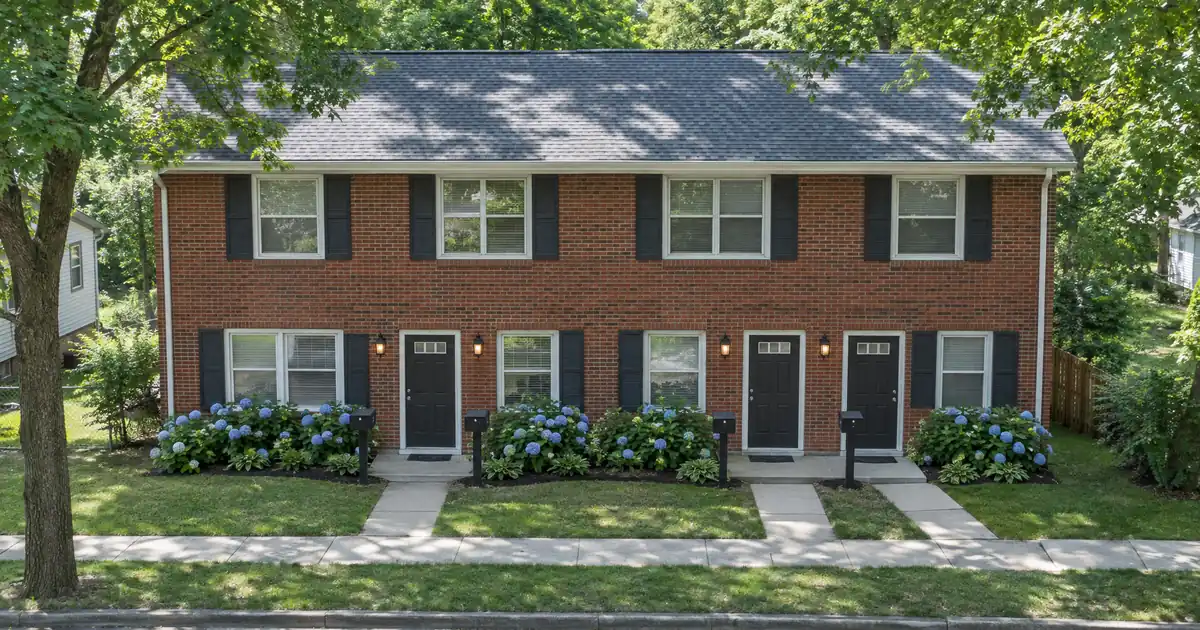
The Quick Read: A hard money bridge down payment on a 2-4 unit is the gap between your purchase price and what the lender advances, so you build it by sizing the loan on project cost, checking the after-repair value cap, funding the gap with cash you can document, and planning the refinance or sale that repays the bridge. There is no true 100% purchase program. The cash you bring to closing is also larger than the down payment alone. Every figure below varies by lender, property, and experience, and nothing here is a commitment to lend.
The Short Version
- The down payment is a gap, not a fixed percentage. It equals project cost minus the loan, and the loan is the lower of two tests: a cost-based advance and a cap tied to after-repair value.
- Across the network Lendmire works with, fix-and-flip advances run 85%, 90%, or 93% of project cost depending on completed projects. Every tier is capped at 75% of after-repair value.
- A bridge purchase with no rehab runs up to 80% of the purchase price. Fees, first-phase rehab, interest carry, and reserves all sit on top of the down payment.
- Work backward from the exit. A bridge sized too tightly can leave you short when the refinance caps out lower.
- Unit count matters for the appraisal and the rent picture, not for the leverage tiers.
What Is the Down Payment on a Bridge Purchase of a 2-4 Unit?
The down payment is whatever part of the purchase price the loan does not cover. The lender decides how much to advance. You fund the rest.
What this loan actually costs to carry.
Hard money is sized against the project and priced by time. Enter the deal and see how much the program will lend, the cash required at closing, the carry while you hold it, and what is left at the exit.
Leverage tiers on the current program: 85% with fewer than 2, 90% with 2 or more, 93% with 5 or more completed projects — every tier capped at 75% of after-repair value. Loan amounts up to $5,000,000, larger by exception; terms of 6 to 18 months, interest-only, no prepayment penalty. The rehab portion funds in draws against completed work, not at closing.
Program parameters shown update from Lendmire’s centralized guideline source. Rate, points, and months are editable assumptions, not quoted terms.
Cost cap sets the loan · positive spread
Illustrative estimate only — not a quote, Loan Estimate, approval, or commitment to lend. Rate, points, and months are editable assumptions. Hard money is business-purpose financing for real estate investors, not a consumer mortgage. Leverage on the current program tops out at 93% of project cost for investors with a documented track record, capped at 75% of after-repair value, with rehab funding up to 100% of the documented budget released in draws; actual terms vary by lender, borrower experience, property, and exit. Lendmire is a mortgage broker, not a lender.
One quick clarification first. A consumer bridge loan lets a homeowner borrow against a current home to buy the next one. That is a different product. An investor bridge is a business-purpose loan secured by the property you are buying. DSCR and hard money loans are designed for non-owner-occupied investment property, so lenders review them differently from a standard owner-occupied mortgage.
Hard money underwriting is asset-based. The lender looks at the property, the plan, and the exit before anything else. Credit still matters. A 620 score is the minimum, with additional conditions below 660, and first-time investors qualify at the lower leverage tiers.
Key Terms Defined
Loan-to-cost (LTC): The loan amount as a share of purchase price plus rehab budget.
Loan-to-value (LTV): The loan amount as a share of appraised value only.
After-repair value (ARV): The estimated value of the property once the planned work is finished.
Draw: A release of rehab money after work is completed. You pay for the work first, then the lender reimburses you.
Cross-collateral: Pledging a second property as extra security so the lender will advance more on the first one.
Seasoning: The waiting period a refinance lender wants before it will lend against a new value.
Takeout: The loan or sale that pays off the bridge.
PITIA: Principal, interest, taxes, insurance, and any association dues. A DSCR (debt service coverage ratio) is monthly rent divided by this payment.
How Lenders Size the Loan
Lenders run two tests and lend the lower result. The first test is a cost-based advance. The second is a cap tied to value. Your down payment is purchase price, plus any rehab not funded, minus that loan.
The leverage tiers depend on documented completed projects. The top tier is reserved for experienced investors.
| Deal type | Typical maximum | Basis |
|---|---|---|
| Fix-and-flip, 5+ completed projects | 93% | Of project cost |
| Fix-and-flip, 2+ completed projects | 90% | Of project cost |
| Fix-and-flip, fewer than 2 | 85% | Of project cost |
| All flip tiers | 75% | Of after-repair value |
| Bridge purchase, no rehab | Up to 80% | Of purchase price |
| Refinance, cash-out or rate/term | Up to 65% | Of value |
Rehab money funds up to 100% of the rehab budget, released in draws against completed work. That is a rehab-budget figure, not a purchase LTV. Treat all of these as typical ranges that vary by lender, property, and experience.
The most common mistake is reading 90% as 90% of the purchase price. When a lender quotes a cost-based figure, ask what it is a percentage of. The same 90% can mean very different cash needs depending on the basis.
Worked Examples With Indexed Numbers
These examples use a modeled index instead of dollars. Set the purchase price at 100 units and measure everything against that. The inputs are assumptions for illustration, not market data.
Example 1: Bridge purchase, no rehab. The loan is up to 80% of purchase price, which is 80 units. Your down payment is 20 units before fees and reserves.
Example 2: Purchase with rehab. Say rehab is 30 units, so project cost is 130. Assume an after-repair value of 160, which makes the 75% cap equal to 120. Here is how each tier plays out.
| Tier | Cost-based loan | ARV cap | Loan | Gap (down payment) |
|---|---|---|---|---|
| 85% of cost | 110.5 | 120 | 110.5 | 19.5 |
| 90% of cost | 117 | 120 | 117 | 13 |
| 93% of cost | 120.9 | 120 | 120 | 10 |
At the top tier, the value cap binds before the cost advance does. Experience gets you a higher advance, but it cannot lift the loan past 75% of after-repair value.
Example 3: The value estimate drops. Keep the 90% tier but lower the after-repair value to 150. The cap becomes 112.5, which is below the 117 cost-based figure. The loan falls to 112.5 and the gap rises to 17.5. A more cautious value opinion raised your cash need by 4.5 units without changing the price you negotiated.
In the simplified model above, the lender holds the rehab back and funds it in draws. So the loan at closing covers the purchase price less your gap, and the rehab portion arrives as work is completed. Lenders structure draws differently, so confirm how yours works.
What Do 2, 3, and 4 Units Change?
Unit count does not change the leverage tiers. It changes the appraisal and the income story.
Fannie Mae’s Selling Guide and its Appraisers Learning Center both list the appraisal forms used for small residential properties. Whether a given DSCR program uses one of those forms, or a separate rent schedule, is a program question.
Rent is analyzed unit by unit. For the DSCR takeout, the lender combines all unit rents against the full PITIA. That is the real advantage of a duplex or fourplex: several leases carry one payment. The catch is that the units must be leased and documented before the refinance. A vacant unit contributes nothing to the ratio.
Collateral on the hard money side is non-owner-occupied residential property with one to four units. Five or more units is a different product. Confirm the unit count and property type against the specific program before you promise anyone a 2-4 unit exit. Some property types are not offered at all in the DSCR network, including manufactured homes, log homes, and barndominiums.
Five Ways to Fund the Equity
The equity can come from several places. Each carries a different documentation load and risk.
| Source | What it requires | Risk | Best for |
|---|---|---|---|
| Your own cash | Seasoned bank statements | Lowest | Most files |
| Partner capital | Agreement plus partner funds sourced | Shared control | Larger projects |
| Entity funds | Entity account and ownership documents | Commingling | LLC buyers |
| Cross-collateral | Second property pledged | Second asset at risk | Cash-light, equity-rich owners |
| Seller credit or gifted equity | Usually does not count as your cash | Can derail the file | Rarely the answer |
Cash in your own accounts is the cleanest path. Partner money works when the paperwork shows who put in what and who owns what. Entity funds can work for LLC-titled purchases, subject to lender program eligibility.
Cross-collateral can replace cash down, but it encumbers a second property. If the deal goes wrong, you may lose both. Some lenders consider it and others do not, so treat it as an option to ask about, not a standard feature.
Most lenders want the down payment to be your money and to be traceable. Seller credits and seller financing generally do not stand in for it.
What Is Total Cash to Close, Beyond the Down Payment?
Total cash is the down payment plus everything the loan does not cover. Here is the ledger, line by line.
| Cash item | Financed by the loan? |
|---|---|
| Purchase-price gap | No |
| Lender origination charges | Depends on the lender |
| Title, insurance, appraisal | Usually paid in cash |
| First phase of rehab | No, reimbursed through a draw |
| Interest during the term | Interest-only payments you budget for |
| Takeout closing costs and reserves | Paid at the refinance |
Two lines surprise people. The first is origination charges. Some lenders deduct them from loan proceeds and others add them to the balance. Your cash at the table differs depending on which one your lender does.
The second is draws. Draws reimburse completed work, so your liquidity has to cover the first phase of work in addition to the down payment. Terms run six to eighteen months with interest-only payments and no prepayment penalty, so budget the carry for the full term you expect to use. Tax treatment can depend on how the funds are used and how the property is held; investors should keep clear records and speak with a qualified tax professional before relying on any deduction.
Papering the Funds
Lenders ask where the cash came from. Have the answer ready before you submit.
- Two or more months of statements for the account holding the down payment.
- A written explanation and documentation for any large recent deposit.
- A partner agreement and the partner’s statements if outside money is involved.
- Entity documents and an operating agreement if the buyer is an LLC.
- For any cross-collateral, a title report on the pledged property.
- For the takeout, a lease, deposit verification, and proof of the first month’s rent and security deposit once units are leased.
Why Work Backward From the Exit?
The bridge is repaid by a sale or a refinance. For a rental hold, the refinance is usually long-term DSCR investor loans, and many investors refinance out of hard money that way once the property is stabilized. Lendmire arranges that path through select lenders in its wholesale network, and the takeout limits how much you should borrow at the bridge stage.
Take the two scenarios from earlier. Suppose the bridge loan is 120 units against an after-repair value of 160. Across most of the network, a DSCR cash-out refinance tops out around 75% LTV, which is 120 units if the appraisal matches your estimate. The takeout then equals the bridge principal and leaves nothing for accrued interest, fees, or closing costs. You cover the difference. Leverage, reserves, and pricing vary by lender and program; the final terms follow the full file review.
Now suppose the appraisal comes in at 150. The cash-out loan is 112.5, so you are 7.5 units short before costs. Even a no-rehab bridge can leave you short. A bridge at 80% of purchase price, refinanced at 75% of a value equal to the price, leaves a 5-unit gap.
Three things decide whether the takeout works.
- Seasoning. A cash-out refinance typically expects around six months of ownership before lending on the new value. A payoff-only refinance returns no cash and is generally lighter on seasoning. A two-step path of payoff first and cash-out later means two sets of closing costs, and lenders differ on the details.
- Documentation. A lease and deposit proof matter as much as the value does.
- Coverage. DSCR is monthly rent divided by PITIA. Many select programs start at 1.00 coverage, and stronger ratios open better pricing and leverage. A separate select-lender path takes coverage below 1.00, with leverage and terms adjusted. Clearing 1.00 is not the same as positive cash flow, because repairs, vacancy, management, utilities, and capital expenses sit outside the calculation.
Credit lines up with the takeout too. Most DSCR programs want around a 660 score, and 700 or better unlocks the strongest leverage tiers. The complete DSCR loans guide walks through those requirements in detail.
One pattern shows up repeatedly across files in the network. Investors size the bridge for the lowest cash at closing and only later test the takeout. The files that stall are usually the ones where the takeout was never modeled at both the original value estimate and a lower one.
Where the General Rule Breaks
Several edge cases change the math.
- Basis confusion. A lender quoting 90% of cost and one quoting 90% of value are describing different loans. Ask for the basis in writing.
- Experience tiers. Fewer than two completed projects puts you in the 85% tier. Document your track record before you compare offers.
- Cross-collateral. It can cut your cash need, but it ties up a second property until the bridge is repaid.
- Fee treatment. Netted fees reduce proceeds at closing. Capitalized fees raise the payoff you must refinance.
- Delayed financing. In the agency mortgage world, delayed financing is a cash-buyer exception. A hard money loan secured by the purchase generally defeats it, so do not count on it to fix a bridge exit.
- A bridge secured by your own home. That belongs to the homebuyer product. It does not apply here.
- Property type. A fourplex is a residential 2-4 unit. Larger buildings fall outside both programs described here.
Put More Down or Keep Liquidity?
A bigger down payment lowers your loan and eases the takeout. It also drains the cash you need for draws, carry, and reserves. A smaller down payment preserves cash but leaves less cushion if the appraisal misses.
A reasonable middle path is to take the highest advance your experience tier offers, then hold back enough cash to cover the first phase of rehab, the full carry, and the takeout costs. If you cannot do both, the project is probably too big for your current liquidity. A larger down payment never erases leverage caps, credit floors, or property eligibility. The strongest files have enough equity and enough rental coverage.
Mistakes That Break a Down Payment Structure
- Treating a cost-based percentage as a purchase-price percentage.
- Counting seller credits as your down payment.
- Forgetting that draws reimburse work you have already paid for.
- Sizing the bridge at the top of the value range with no room at the takeout.
- Skipping the lease and deposit paperwork until the refinance is due.
- Assuming a short term leaves time for seasoning when it does not.
Pre-Closing Checklist
1. Confirm whether the lender’s percentage is of cost, value, or purchase price.
2. Run the loan at both the cost advance and the value cap and take the lower result.
3. Build the cash ledger: gap, fees, title, insurance, appraisal, first draw phase, carry.
4. Document the source of every dollar of the down payment.
5. Confirm the unit count and property type are eligible.
6. Model the takeout at your value estimate and at a lower one.
7. Line up leases and deposit records as units become occupied.
Frequently Asked Questions
Can I buy a 2-4 unit with a hard money bridge and put nothing down?
Not on a purchase. There is no true 100% purchase program. The 100% figure applies to rehab budget funded through draws, and you still bring cash for the purchase-price gap, fees, and reserves.
Does the number of units change how much I have to put down?
Not directly. The leverage tiers depend on your experience and the loan type. Unit count affects the appraisal form and how rent is analyzed, which matters most at the refinance.
Is the down payment based on purchase price or after-repair value?
Both play a role. The lender computes a cost-based advance and a cap at 75% of after-repair value, then lends the lower number. Your down payment is whatever remains.
Can another property help fund the down payment?
Sometimes. Some lenders will cross-collateralize a second property, which can reduce the cash you bring. It puts that second property at risk, so it works best for investors with ample equity elsewhere.
How does the DSCR refinance affect how much I should put down?
It sets the practical ceiling. The takeout must cover the bridge payoff plus costs. If the refinance caps below your bridge loan, you pay the difference in cash, so size the bridge with that in mind.
Next Step
If you are buying, rehabbing or refinancing an investment property on a short timeline and want to see how the numbers work, Lendmire can help you compare hard money options based on the project, the exit plan, leverage, and your goals. It arranges these loans as a broker through select lenders in its network, across 41 markets, including Washington, D.C. An illustrative calculator on the site can help you test different scenarios, though it is an estimate and not a quote.
About Lendmire
As a DSCR and non-QM mortgage broker, Lendmire — NMLS# 2371349 — connects investors with wholesale lending channels across 41 markets, including Washington, D.C. The property’s rental income, not the borrower’s tax returns, is central to lender review, which works for self-employed operators and portfolios beyond four financed properties. Scotsman Guide named Lendmire a Top Mortgage Workplace in both 2025 and 2026.
Get Started
Ready to find the right loan for you?
In about 30 seconds you can review financing options available for your investment property. No commitment required.
Informational only. Not a Loan Estimate, approval, or commitment to lend. Program availability and eligibility are subject to lender guidelines, credit approval, property review, and underwriting.
References
1. Fannie Mae Selling Guide B4-1.2-01
2. Fannie Mae Appraisers Learning Center
This article is part of Lendmire’s hard money loan program — full qualification details, guidelines, and scenarios live on the program page.
Related reading: How to Exit Hard Money When Your Appraisal Falls Under All-in Cost · How a First-Time Flipper Can Qualify for a Lower Hard Money Down Payment · Hard Money Balloon Payment Terms for a Buy and Hold Rental
Brandon Miller
Founder & CEO, Mortgage Loan Originator, Lendmire LLC
- Mortgage Loan Originator · NMLS# 1129696 · Verify on NMLS Consumer Access
- North Carolina Real Estate Broker · License# 343312 · Verify on NCREC
- North Carolina Insurance Producer · License# 19053198 · Property, Casualty, Life, Health · Verify on NAIC SBS
- Lendmire LLC · Firm NMLS# 2371349 · Verify firm licensure
Legal disclosures. Lendmire (NMLS# 2371349) is a state-licensed mortgage brokerage that arranges financing through wholesale lender relationships. Lendmire is not a direct lender, depository institution, or registered financial advisor. The discussion above is general informational content about real estate financing — it is not financial, legal, or tax advice, and readers should consult licensed professionals for guidance on their individual circumstances. Loan inquiries are subject to lender underwriting; this article does not represent a commitment to lend. Loan terms, rates, and qualification standards vary by borrower, property, and state, and are subject to change at any time. Equal Housing Opportunity. NMLS Consumer Access: nmlsconsumeraccess.org.