
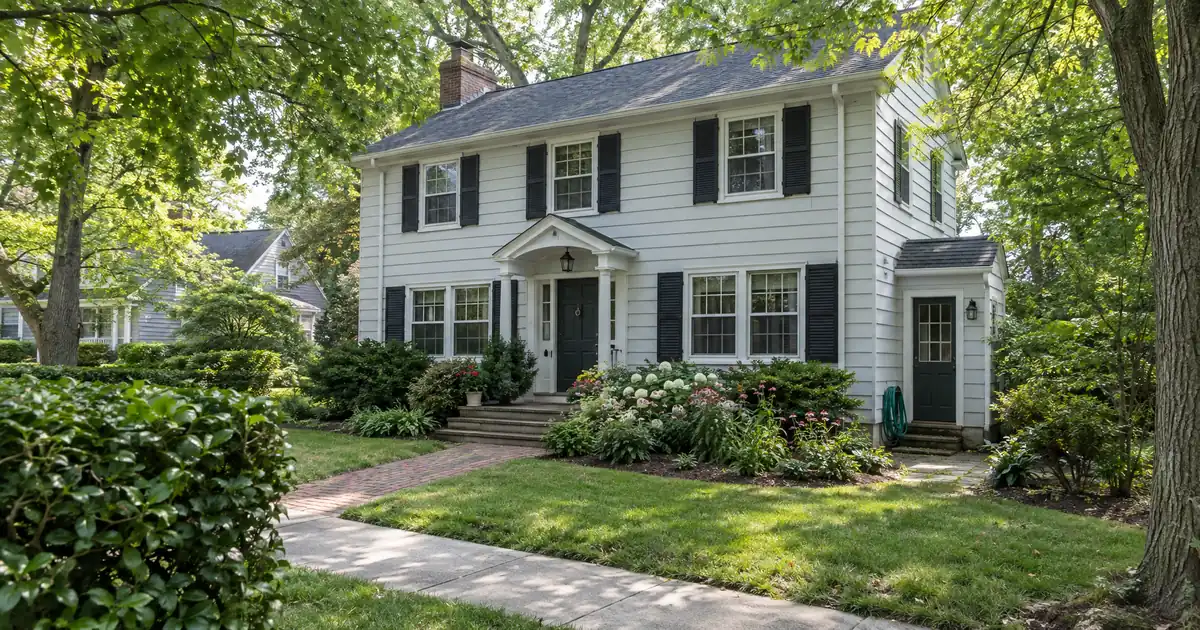
The Quick Read: A VA loan lets you buy with no money down, and choosing to put money down mostly changes three things: the funding fee, the loan balance, and how much cash you keep. Zero down is the starting point on the program, not a shortcut or a penalty. Whether a down payment earns its place depends on your savings, how long you expect to stay, and whether you owe the funding fee at all.
Here is the honest answer on who each option fits. Zero down suits the active-duty buyer who has modest savings and wants to hold onto cash for moving costs, an emergency fund, and the surprises that come with a first home. A down payment suits the buyer who has real savings beyond that cushion, expects to stay put for years, and owes the full funding fee. Put 5% or 10% down and the fee drops to a lower tier. Neither choice is the smart one for everybody. The right one depends on your file, and the VA loan programs Lendmire arranges through wholesale lenders can be structured either way, subject to lender guidelines and full file review.
Key Takeaways
- VA does not require a down payment. The government guaranty takes its place, per VA’s Buyer’s Guide.
- A down payment is optional. It shrinks the loan amount.
- Zero down can still need cash: closing costs, and any gap between the price and the appraised value.
- Active-duty buyers face one extra question: how likely is a move before equity builds?
VA payment estimate
Starting assumptions reflect an example price with no down payment and a first-use funding fee. Replace them with your own figures.
Editable benchmark: 7.32% as of October 22, 2026 · Freddie Mac 30-year average via FRED®. A conventional market reference, not a VA loan quote.
Illustrative starting assumptions: a $350,000 price, no down payment with full entitlement, a first-use funding fee financed into the loan, a thirty-year term at the current Freddie Mac benchmark, and property taxes and insurance estimated at typical national rates. Every field is editable.
Illustrative estimate only — not a Loan Estimate, approval, quote, or commitment to lend. The rate field carries the weekly Freddie Mac thirty-year conventional benchmark, a market reference and not a VA loan quote; your rate is set by the lender at lock. The funding fee follows VA’s published table for the use and down payment entered; the residual-income figure is VA’s guideline for the region and family size, and the rough residual shown subtracts only the housing payment and the debts entered, while VA also deducts taxes, maintenance and utilities. Taxes, insurance and dues are editable estimates; closing costs are not included. Licensed in sixteen states for consumer mortgages. Lendmire is not affiliated with or acting on behalf of the Department of Veterans Affairs.
Side-by-Side
Here is how the two paths compare on the points that matter. Figures describe the wholesale VA programs Lendmire places files with, subject to lender guidelines and full file review.
| Factor | Zero Down | Down Payment (5%+) |
|---|---|---|
| Leverage | 100% financing | 95% or less of price (90% at 10% down) |
| Credit floor | 580 decision score on these programs | Same floor |
| Mortgage insurance | None | None |
| Funding fee tier | Highest for your use | 5% down or more drops it |
| Cash kept in savings | Most | Less |
| Starting equity | None beyond price appreciation | Built in from day one |
| Occupancy | Primary residence | Primary residence |
| Documentation | COE, income, credit, residual income | Same documents |
Two rows deserve a note. Mortgage insurance is the same on both sides because VA loans do not carry it. And documentation barely moves, because the paperwork follows the loan program, not the down payment.
Why VA Allows Zero Down
A VA loan is made by a private lender, and VA guarantees a portion of it. VA’s Buyer’s Guide describes the guaranty as VA’s promise to reimburse the lender for a loss if the loan ends in foreclosure. The same guide says the guaranty takes the place of your down payment.
That guaranty is tied to your entitlement, which is the amount of VA backing available to you. A first-time VA user starts with full entitlement. With full entitlement there is no VA loan limit, though the lender still applies its own financial guidelines. Across the wholesale programs Lendmire places VA files with, loan amounts run to $4,000,000 with full entitlement.
Entitlement is also where a down payment can become a requirement. A Congressional Research Service report explains that the guaranty normally covers at least 25% of the loan balance. If the available guaranty falls short of that, a down payment may be needed. That mostly affects buyers who used VA before and have not restored their entitlement. First-timers on full entitlement usually sit outside that problem. If you have used a VA loan before, speak with a loan officer about how remaining entitlement applies to your price.
One more point for first-timers. “First-time buyer” does not limit the benefit. VA treats the home loan as a lifetime benefit you can use more than once, so you are not spending a one-shot chance by choosing zero down.
What You Still Pay at Zero Down
Zero down does not mean zero cash. Think of it as no down payment, not no costs. Here is what can still ask for money at closing:
- Closing costs. These are the fees to complete the purchase. Your Loan Estimate and Closing Disclosure show them.
- The funding fee. You can pay it in cash or finance it into the loan.
- An appraisal gap. If the price is above the value the VA appraiser sets, you cover the difference in cash.
- Earnest money. The good-faith deposit you put down when your offer is accepted. It generally goes toward your closing funds.
- Reserves for real life. VA’s own materials note that savings set aside can cover closing costs and unexpected expenses.
Lenders also have a say. VA says lenders may require a down payment for some borrowers even though VA does not. Some lenders set a higher credit floor than others, and not every lender offers VA loans. Shop for one that does.
The Funding Fee Is Where the Choice Gets Concrete
The funding fee is the one real cost lever that a down payment pulls. VA explains that this one-time charge helps cover the program’s cost to taxpayers, since VA loans have no down payment requirement and no monthly mortgage insurance. It applies to the loan amount, not the purchase price. That detail matters, because a down payment shrinks the base the fee is charged on.
Across the wholesale programs Lendmire places files with, the first-use fee works in three tiers:
- Less than 5% down: 2.15% of the loan.
- 5% to under 10% down: 1.5% of the loan.
- 10% or more down: 1.25% of the loan. Every figure here varies by lender and program — guidelines, property type, leverage, and credit profile all apply.
Second and later uses carry 3.3% with less than 5% down, then the same 1.5% and 1.25% tiers. Every figure varies by lender and program, and VA publishes its current chart on its funding fee page, so confirm there before you plan around a number. Final terms depend on lender guidelines, property type, leverage, and the borrower’s complete credit picture.
Now watch what a down payment does to the fee. It pulls two levers at once. It moves you into a lower tier, and it shrinks the loan the fee is charged on. A 5% down payment therefore cuts the fee by a meaningful slice of the home’s price. That is a real saving, but you spent 5% of the price in cash to get it. The fee drop alone rarely justifies the cash. The down payment earns its keep through the smaller balance, the built-in equity, and the lower monthly obligation, not through the fee tier alone. These specifics are subject to lender guidelines and a full review of property, leverage, and credit.
The fee can be financed, which raises the balance a little. Paying it in cash holds the balance down but costs more up front. VA suggests asking your lender what gets added to the loan amount. That is a fair question to put to any lender you talk with.
Now the exemptions. VA waives the fee for veterans receiving compensation for a service-connected disability, plus a few other groups, and its funding fee page lists who is exempt. If you are exempt, a down payment gains you nothing on the fee, and the case for zero down gets stronger. Check your status with VA before you decide, because your Certificate of Eligibility and your service record drive it.
When Zero Down Is the Better Fit
Zero down is the better fit when cash is the scarce resource and time in the home is uncertain. That describes many first-time buyers on active duty.
Consider a junior enlisted buyer with a small savings account. A 5% down payment could swallow most of those savings. That leaves nothing for a broken water heater, a move, or a lull in income. Keeping the cash and financing the full price puts the money where the risk is. Terms depend on the lender’s guidelines, the property type, the leverage, and a full review of the credit profile.
Zero down also fits when you expect orders. Active-duty life brings permanent change of station moves, sometimes sooner than planned. Equity from a down payment only pays you back if you stay long enough, or if the home gains value, to recover it. A short stay with a large down payment can leave you with cash tied up in a house you are leaving. Selling costs and a flat market can eat the cushion. That risk is real, and a down payment does not remove it. It only changes how much of your own money is exposed to it.
It also fits if you carry high-interest consumer debt. Paying that off first can improve your file more than a down payment would. Residual income, the money left each month after major obligations and living costs, is the controlling test on VA loans. The 41% debt-to-income figure is a guideline, not a cap, and a higher ratio needs residual income well above the table. Cutting debt can help that test more than parking cash in a home would.
Last, zero down fits the buyer who prefers to keep cash on hand. The VA program is built to let you skip the down payment, so that choice is available even when you could pay one.
Zero down has costs of its own. You start with no equity beyond price appreciation, the loan balance is larger, and the monthly obligation is higher than it would be with money down. There is no monthly mortgage insurance either way. That is the trade, and it is a fair one when cash is tight.
When a Down Payment Is the Better Fit
A down payment is the better fit when you have savings beyond a healthy cushion and plan to stay. This one makes sense for the buyer who has done the math on both paths and still has money left.
Picture a mid-career service member with solid savings, a stable duty station, and no plans to move for several years. After setting aside an emergency fund and moving costs, they still have cash to spare. Putting 10% down puts them in the lowest first-use fee tier, shrinks the loan, and builds equity from day one. A smaller balance also means less interest paid over the life of the loan, and a smaller monthly obligation. The trade is a thinner savings account, which this buyer can afford. The exact numbers vary by lender and program and follow a full review of property, leverage, and credit.
A down payment also helps in two other situations. The first is a price above the appraised value. VA says you may need cash if the price exceeds the reasonable value set by the VA appraiser. You can renegotiate, walk away, or cover the gap yourself. Cash on hand gives you all three options. The second is a partial entitlement, where a down payment may be required, as covered above.
A larger down payment can also give an offer extra weight in a market where sellers have choices. That effect varies by market and by seller. Treat it as a possible edge, not a reliable one. Plenty of VA offers are won at zero down.
Keep one caution in view. A down payment does not change your VA eligibility, and it does not guarantee approval. The lender still reviews your credit, income, residual income, and the property. The wholesale programs Lendmire places loans with start at a 580 decision score, and VA itself sets no minimum score. A bigger down payment can strengthen a file in the lender’s eyes, but it will not stand in for those basics.
Active-Duty Considerations
Three issues come up more for service members than for civilian buyers.
Occupancy. VA loans are for a primary residence. For an active-duty member, VA says the loan can cover a home you occupy, or one your spouse or dependents occupy. VA financing is for the home you live in, not a vacation home. If your orders change after you buy, talk to a loan officer about what that means before you close.
Timing and moves. Orders can arrive on their own schedule. Before you commit extra cash to a down payment, ask how long you realistically expect to hold the home. The shorter the stay, the weaker the case for tying up savings in it. If you will likely be there for years, equity has time to work.
Cash for the move. Moving, setting up a household, and temporary expenses can all cost money in the months around a purchase. Cash left in the bank can cover them. Cash locked in a down payment cannot be pulled back out.
How to Decide
Run through these steps in order. They will usually settle it.
1. Check the fee status. Find out if you are exempt from any applicable fee.
2. Set your cushion. Decide how many months of expenses, plus moving and repair money, you want left after closing.
3. Count what is above the cushion. Only that money is a candidate for a down payment.
4. Estimate your stay. The longer it is, the more a down payment can pay back.
5. Ask for both quotes. Ask your loan officer to price a zero-down file and a file with 5% and 10% down. Compare the Loan Estimates side by side. Final terms depend on the lender’s guidelines, the property type, and the borrower’s complete credit picture.
A quick map of the three typical buyers:
| Buyer | Likely Lean |
|---|---|
| Little savings, orders uncertain | Zero down |
| Fee-exempt, modest savings | Zero down |
| Strong savings, long stay planned | Down payment, often at the 5% or 10% tier |
Other First-Time Options, Briefly
VA is not the only road, and a fair comparison includes the others. FHA and conventional loans both ask for a down payment and carry mortgage insurance in most cases, which VA does not. For a related look at the rent-or-buy question, see Lendmire’s piece VA Loan vs Renting for a First-Time VA User on Active Duty.
Key Terms Defined
Entitlement: The amount of VA backing available to you. Full entitlement means no VA loan limit, subject to lender guidelines.
Guaranty: VA’s promise to reimburse the lender for part of a loss if the loan fails. It takes the place of a down payment.
Funding fee: A one-time VA charge on the loan amount. You can finance it, and some borrowers are exempt.
Reasonable value: The value a VA appraiser sets for the home. A price above it means you cover the gap in cash.
Certificate of Eligibility (COE): The VA document that confirms you qualify for the benefit. VA’s rules on service decide who qualifies, per its eligibility page.
Residual income: The money left each month after major obligations and living costs. It is the controlling underwriting test on VA loans.
The Verdict
Zero down and a down payment are both good tools, and neither wins on its own. For most active-duty first-timers with modest savings and uncertain orders, zero down protects the thing that matters most, which is liquid cash. For a buyer with real savings above a healthy cushion and years ahead in one place, a down payment trims the balance and the fee and builds equity early. If you are fee-exempt, lean toward keeping your cash. If you are not, run both quotes and let the numbers, not a rule of thumb, make the call.
Next Step
If you are buying a home and want to see whether a VA loan fits your file, Lendmire can help you compare the options and what each one asks of the file. Ask for both a zero-down version and a down-payment version, and compare them side by side.
Frequently Asked Questions
Does VA require a down payment on a first home?
No. VA does not require one, though a lender may ask for one for some borrowers. The guaranty stands in for it. You can still choose to put money down, and some situations make it necessary, such as a price above the appraised value.
Will skipping a down payment hurt my chances of approval?
Not by itself. Approval turns on credit, income, residual income, the property, and the lender’s own guidelines, all subject to full file review. A down payment can strengthen a file at the margins, but a zero-down VA file is a normal, standard structure for the program.
Does the funding fee count as my down payment?
No. The fee is a separate charge on the loan amount. You can pay it in cash or finance it. Financing it raises your balance, while paying it in cash costs more at closing.
If I can afford it, should I put down more than 10%?
It depends. At 10% you reach the lowest first-use fee tier, so extra cash beyond that only shrinks the balance and builds equity. Weigh that against the cushion you want to keep. Money left in savings stays flexible, while money in the house does not.
What happens if the appraisal comes in below my offer price?
VA bases the loan on the reasonable value, so a price above it leaves you a gap. You can ask the seller to lower the price, cover the gap with your own cash, or walk away. A larger cash reserve gives you more room to choose.
For your own numbers, request a scenario review with Lendmire.
About Lendmire
Lendmire (NMLS# 2371349) is a mortgage broker licensed for consumer lending in 16 states. Lendmire arranges FHA, VA, conventional and jumbo purchase and refinance loans through wholesale lenders; every file is underwritten by the lender under the applicable program guidelines. Scotsman Guide named Lendmire a Top Mortgage Workplace in both 2025 and 2026.
Get Started
Ready to find the right loan for you?
In about 30 seconds you can review financing options available for your home or investment property. No commitment required.
Informational only. Not a Loan Estimate, approval, or commitment to lend. Program availability and eligibility are subject to lender guidelines, credit approval, property review, and underwriting.
References
1. VA – Home Loan Guaranty Buyer’s Guide
2. Congressional Research Service – VA Home Loan Programs
3. VA – Funding fee and closing costs
This article is part of Lendmire’s VA loan program — full qualification details, guidelines, and scenarios live on the program page.
Related reading: How to Buy New Construction With Your First VA Loan on Active Duty · How to Get a VA Loan Preapproval on Active Duty for the First Time · How to Use Residual Income for a First VA Loan on Active Duty
Brandon Miller
Founder & CEO, Mortgage Loan Originator, Lendmire LLC
- Mortgage Loan Originator · NMLS# 1129696 · Verify on NMLS Consumer Access
- North Carolina Real Estate Broker · License# 343312 · Verify on NCREC
- North Carolina Insurance Producer · License# 19053198 · Property, Casualty, Life, Health · Verify on NAIC SBS
- Lendmire LLC · Firm NMLS# 2371349 · Verify firm licensure
Disclosure information. Lendmire is a state-licensed mortgage brokerage under NMLS# 2371349. Lendmire is not a depository institution, direct lender, or financial advisor — all loans referenced are placed through wholesale lender partners and are subject to each lender's underwriting standards. This article is provided for general informational purposes and is not a commitment to lend, nor does it constitute financial, legal, or tax advice. Loan programs, terms, rates, and qualification standards change without notice and depend on borrower profile, property type, and the state in which the subject property is located. Equal Housing Opportunity provider. NMLS Consumer Access: nmlsconsumeraccess.org.