
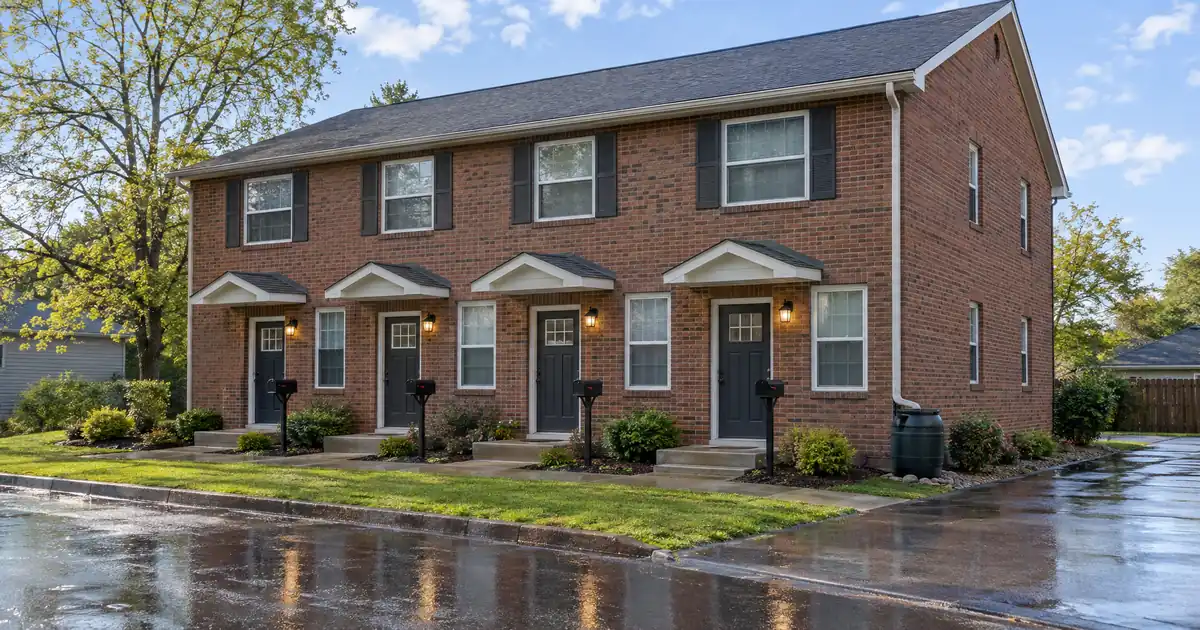
The Quick Read: You buy a duplex, triplex or fourplex with a conventional loan by living in one unit and treating the building as your principal residence. Leverage on these purchases goes up to 95%, subject to lender guidelines and full file review. The rent from the other units can help you qualify, but only a discounted share of it counts. Expect a larger cash need than a single-family purchase, because reserves and a more detailed appraisal come with the territory.
Key Takeaways
- A 2–4 unit counts as owner-occupied only if you live in one of the units.
- Purchase leverage on a 2–4 unit principal residence goes to 95%, subject to lender guidelines.
- Rent from the units you don’t live in can count as income, at a discount.
- Six months of reserves is the standard expectation on these files, on top of your down payment and closing costs.
- A full appraisal that values the rental units is the norm.
- Mortgage insurance applies above 80% LTV and comes off later under set rules.
What Counts as a 2–4 Unit Primary Home?
A 2–4 unit primary home is a single building with two, three or four residential units, where you occupy one unit as your principal residence. That occupancy is what makes it an owner-occupied loan. Without it, the loan is priced and limited as an investment property.
Conventional payment estimate
The starting figures are an example price at the first-time buyer’s minimum down payment. Replace them with yours.
Editable benchmark: 7.32% as of October 22, 2026 · Freddie Mac 30-year average via FRED®. A conventional market reference, not a conventional loan quote.
Estimate seeded at the low end of Fannie Mae’s published range (0.58%–1.86% a year); the insurer prices the actual premium on the score and the leverage. Applies only above 80% loan-to-value.
Illustrative starting assumptions: a $350,000 price, the first-time buyer’s minimum down payment, a thirty-year term at the current Freddie Mac benchmark, mortgage insurance at the low end of Fannie Mae’s published range, and property taxes and insurance estimated at typical national rates. Every field is editable.
Illustrative estimate only — not a Loan Estimate, approval, quote, or commitment to lend. The rate field carries the weekly Freddie Mac thirty-year conventional benchmark, a market reference and not a conventional loan quote; your rate is set by the lender at lock. The mortgage insurance figure is an editable estimate seeded from Fannie Mae’s published typical range, not a premium quote; the insurer prices the actual premium, and the cancellation month assumes scheduled payments with no extra principal and no change in value. Taxes, insurance and dues are editable estimates; closing costs are not included. Conforming loan limits apply by county. Licensed in sixteen states for consumer mortgages.
Fannie Mae describes this as a two- to four-unit principal residence in which the borrower occupies one of the units. Five or more units moves you into commercial territory, outside the conventional lane.
Occupancy has a practical meaning. You move in, and you plan to stay as your main home. Lenders generally expect you to occupy it within a set window after closing and keep it as your residence for a period. Treat that as a real commitment, not a formality. Misstating occupancy on a loan application is a serious problem.
One more boundary: a 2–4 unit can’t be financed as a second home. Second homes are limited to one-unit properties. If you want to live in one unit, it’s a primary residence loan. If you won’t live there, the occupancy changes and so does the leverage.
How Is a 2–4 Unit Conventional Loan Underwritten?
The lender checks your credit, your debt-to-income ratio (DTI), your cash and the property, in that order of importance. Across the wholesale programs Lendmire places files with, the automated underwriting finding governs most files. The rental units add a few extra steps that a single-family purchase never has.
Here is the sequence, start to finish.
Step 1: Occupancy and eligibility. The lender confirms you will live in one unit and that the building has two to four legal residential units.
Step 2: Credit and ratios. The wholesale conventional programs start at a 620 decision score. The total ratio ceiling on automated findings is 50%. Manually underwritten loans use 36% or 45%, with the reserve and score factors of the Eligibility Matrix. An adjustable rate under manual underwriting starts at 640.
Step 3: Income and rent. Your own income is documented as usual. If you want rent to count, the lender documents it separately (more on that below).
Step 4: Cash and reserves. The lender verifies your down payment, closing costs and a reserve cushion.
Step 5: Appraisal. A 2–4 unit needs the small residential income property appraisal, which looks at rent as well as value.
Step 6: Final review. Underwriting ties everything together, and the lender issues your Loan Estimate and Closing Disclosure along the way.
Credit history events carry agency waiting periods: four years from a chapter 7 discharge, seven from a foreclosure, and four from a short sale or deed-in-lieu. Documented extenuating circumstances can shorten those, per the agencies’ rules.
How Much Down Payment Does a 2–4 Unit Primary Home Need?
Purchase leverage on a two- to four-unit principal residence goes to 95% LTV, which means as little as 5% down. LTV (loan-to-value) is the loan amount divided by the property’s value. That 95% figure is the ceiling under agency purchase programs, subject to lender guidelines and your file.
The 97% first-time-buyer option is different. It applies to a one-unit principal residence with a fixed rate. It does not stretch to a duplex or fourplex. If you are buying your first home and want the lowest down payment, a single-family purchase can go lower than a 2–4 unit.
The Fannie Mae Eligibility Matrix sets maximum LTV by unit count and underwriting method. Manually underwritten loans on larger buildings can use tighter limits than automated ones. That is one reason the automated finding matters so much on these files.
Low-down-payment programs like HomeReady and Home Possible also allow 2–4 unit principal residences, with an income limit of 80% of area median income. Each has its own extra rules. Home Possible, for example, requires landlord education on 2–4 unit purchases, and a four-unit primary residence needs a specific appraisal form. Ask what your program adds before you write an offer.
Compare that with investment property, where purchase leverage on two to four units tops out at 75%. Living in the building is worth a lot of leverage. Keep that in mind if you are tempted to bend the occupancy story.
How Does Rent From the Other Units Count?
Rent from the units you don’t occupy can count as qualifying income, but only part of it. Both agencies take 75% of the gross rent. Freddie Mac’s guide uses 75% of the lease rent, or of the appraiser’s market rent when no lease exists. The other 25% covers vacancy, maintenance and surprise costs.
The unit you live in produces no qualifying income. Rent you imagine charging yourself doesn’t count.
Documentation depends on the situation:
| Situation | What the lender typically uses |
|---|---|
| Purchase with existing leases | Executed leases plus the appraiser’s rent schedule |
| Purchase with a vacant unit | Appraiser’s market rent |
| Refinance | Appraisal rent data and your most recent tax return |
| Rent not used to qualify | Gross rent still reported, no extra proof |
On a purchase, the lender must first document your current housing payment before using any rent from the subject property. First-time buyers with no housing payment history should raise this early. If the market rent doesn’t support the lease rent, the lender uses the lower number or documents why.
Even when you don’t use the rent to qualify, the lender still records each unit’s gross monthly rent for delivery data. So the appraiser’s rent schedule matters either way.
How Does Rent Affect Your Debt-to-Income Ratio?
On a 2–4 unit primary residence, the rent is added to your income and the full housing payment stays in your debt. They are not netted against each other. This is the single most misunderstood piece of the whole process.
Fannie Mae’s automated underwriting job aid says net rental income on a 2–4 unit principal residence is calculated without subtracting the proposed payment. The net income goes on the income side. The full payment, meaning principal, interest, taxes, insurance and any association dues, goes in your DTI.
Picture a buyer whose income alone leaves the DTI too high on a duplex. Adding 75% of the other unit’s rent to income can pull the ratio down under the ceiling. It helps. It just doesn’t help as much as the same rent would on a pure rental, where the payment is netted against the rent.
Also note that the automated system doesn’t calculate this figure for the lender. Someone does it by hand and enters it. Mistakes there are a common reason files stall.
What Reserves Do You Need?
Expect six months of reserves on a two- to four-unit principal residence. Reserves are money you still hold after closing, measured in months of your full housing payment. A one-unit principal residence has no general minimum, so this is a real difference.
The Fannie Mae reserve requirements set six months for 2–4 unit primary residences and note that the automated system can ask for more based on overall risk. A cash-out refinance with DTI over 45% adds its own six-month requirement. Terms vary by lender guidelines, property type, leverage, credit profile, and full file review.
Reserves can’t double as your down payment. They are a separate bucket. Consider a buyer putting 5% down on a fourplex: that buyer needs the down payment, closing costs and a six-month cushion, all verified. Many first-time buyers underestimate the third piece. Exact terms depend on the lender’s guidelines, property type, leverage, and a full review of the borrower’s file.
Freddie Mac applies a similar six-month standard to manually underwritten 2–4 unit primary residences. The reserve payment includes principal, interest, taxes, insurance, mortgage insurance and association dues where they apply.
One helpful note: owner-occupied loans carry no limit on how many other properties you finance. The extra reserve add-ons for multiple financed properties apply when the loan you’re getting is a second home or investment property.
How Does the Appraisal Work?
A 2–4 unit needs a full appraisal on the small residential income property form, which includes a rent schedule. Fannie Mae requires that report when rental income is used to qualify. Freddie Mac uses a comparable form.
Expect a more involved report than a single-family appraisal. Appraisal waivers are typically not available on 2–4 units, so plan on a full appraisal and the added cost and scheduling that comes with it.
Problems that derail these files:
- A unit that isn’t a legal, separate dwelling.
- A unit count that doesn’t match records or zoning.
- Market rent that comes in below the lease rent.
- Value that comes in under the contract price.
Ask your agent early whether all units are legal and permitted. It’s cheaper to learn that before you’re under contract than after.
What About Mortgage Insurance?
Mortgage insurance applies on conventional loans above 80% LTV. It protects the lender, and you pay for it. Across wholesale programs, published typical annual premiums run from 0.58% to 1.86% of the balance. That is a range, not a quote. Your credit, leverage and occupancy shape the real figure. Every figure here varies by lender and program — guidelines, property type, leverage, and credit profile all apply.
The good news on conventional loans is that it comes off. You may request cancellation when the balance reaches 80% of the original value, with good payment history, no subordinate liens and no decline in value. The servicer must end it automatically at 78%, under the Homeowners Protection Act.
How those rules apply to your specific multi-unit loan can depend on the loan and the servicer. Ask at application how cancellation works on yours.
Where the General Rules Break
The usual rules bend in a few named situations.
Manual underwriting. Three- and four-unit loans can face tighter leverage and reserve outcomes when a person, not the automated system, reviews them. The Eligibility Matrix spells it out.
Cash-out refinance later. If you refinance after buying, cash-out on a 2–4 unit principal residence is capped at 75% LTV, versus 80% on a one-unit. Seasoning applies too: the first mortgage being paid off must be at least 12 months old, and borrowers must have been on title for 6 months, with exceptions for delayed financing, inheritance and legal awards. If you are weighing that route, Lendmire’s piece Conventional Cash-Out Refinance Requirements on a 2-4 Unit Primary Home goes deeper. Final terms depend on lender guidelines, property type, leverage, and the borrower’s complete credit picture.
Short-term rentals. Fannie Mae now treats rental income from short-term rentals of the subject property under separate topic rules. Assume stricter treatment than a long-term lease, and ask before counting on it.
Loan size. Loans above the conforming limit become jumbo loans. Conforming limits vary by county and unit count, and they are higher for 2–4 units. The FHFA announces the limits each year, so check your county’s current figure. Jumbo lanes start at a 660 decision score, with leverage to 90% and a 50% ratio ceiling on the fixed lanes.
FHA and VA. Both treat 2–4 units differently from conventional. If you’re comparing, Lendmire’s article VA Cash-Out vs Staying Conventional on a 2-4 Unit Primary Home shows how one comparison plays out.
Guide renumbering. Fannie Mae relocated and renumbered its rental income guidance. If you read older material citing the old section numbers, the rules may have moved even where the substance looks familiar.
How Do You Decide If This Loan Fits?
Conventional works best when your credit is solid, your DTI works with discounted rent, and you hold a real cash cushion. It is a weaker fit when cash is thin or credit is low.
Think through it like this:
| Your situation | Likely direction |
|---|---|
| Strong credit, solid cash, moderate DTI | Conventional is a strong candidate |
| Thin reserves, decent income | Plan a larger savings runway first |
| First-time buyer wanting minimum down | Check one-unit 97% option versus 95% on 2–4 |
| DTI too high even with rent | Look at other programs |
Run your DTI two ways before you shop: once without rent, once with 75% of the other units’ rent added to income. The gap tells you how much the building helps. Also total your cash need: down payment, closing costs and six months of reserves.
Lendmire’s conventional loan programs are arranged through wholesale lenders, and every figure here is subject to lender guidelines and full file review. Nothing here is a commitment to lend.
Rent also carries tax consequences. Tax treatment can depend on your situation; borrowers should speak with a qualified tax professional before relying on any deduction or credit.
Key Terms Defined
LTV (loan-to-value): The loan amount divided by the property’s value, shown as a percentage.
DTI (debt-to-income ratio): Your monthly debts, including the full housing payment, divided by your monthly income.
Reserves: Money you still hold after closing, counted in months of your housing payment.
Principal residence: The home you live in as your main address.
Mortgage insurance: Coverage on conventional loans above 80% LTV that protects the lender and is paid by the borrower. These specifics are subject to lender guidelines and a full review of property, leverage, and credit.
Rent schedule: The appraiser’s estimate of market rent for each unit, included in the 2–4 unit appraisal report.
Seasoning: The waiting period a lender wants before certain refinances.
Frequently Asked Questions
Can I use all the rent from my tenants to qualify?
No. Lenders count 75% of the gross rent from the units you don’t live in, and nothing from the unit you occupy. The discount covers vacancy and expenses. Narrow exceptions like boarder income exist, but plan on the standard treatment.
Do I need reserves if I’m buying a duplex to live in?
Yes, typically six months. One-unit primary residences have no general minimum, but two- to four-unit principal residences do under the agency rules. The automated system can also ask for more depending on your file.
Can a duplex be financed as a second home?
No. Second homes are limited to one-unit properties. If you live in the building, it’s a primary residence loan. If you don’t, occupancy changes and leverage drops to investment-property levels.
How long do I pay mortgage insurance?
Only until the loan reaches 80% of the original value if you request cancellation and meet the conditions, and automatically at 78%. How this applies to your loan can depend on the servicer, so ask at application.
What if I want cash out of the building later?
Conventional cash-out on a two- to four-unit principal residence is capped at 75% LTV, compared with 80% on a one-unit. Seasoning rules also apply to the first mortgage and your time on title. Terms depend on the lender’s guidelines, the property type, the leverage, and a full review of the credit profile.
Next Step
If you are buying a home and want to see whether a conventional loan fits your file, Lendmire can help you compare the options and what each one asks of the file.
For your own numbers, request a scenario review with Lendmire.
About Lendmire
As a mortgage broker (NMLS# 2371349), Lendmire helps homeowners and home buyers in 16 states with FHA, VA, conventional and jumbo purchase and refinance loans arranged through wholesale lenders. Lendmire is never the lender; program terms are set by the lender and the agency guidelines. Scotsman Guide named Lendmire a Top Mortgage Workplace in both 2025 and 2026.
Get Started
Ready to find the right loan for you?
In about 30 seconds you can review financing options available for your home or investment property. No commitment required.
Informational only. Not a Loan Estimate, approval, or commitment to lend. Program availability and eligibility are subject to lender guidelines, credit approval, property review, and underwriting.
References
1. Fannie Mae Selling Guide: Rental Income from the Subject Property
2. Fannie Mae Eligibility Matrix
3. Freddie Mac Seller/Servicer Guide: Rental Income
4. Fannie Mae DU Job Aid: Entering Income from Rental Property
5. Fannie Mae Selling Guide: Minimum Reserve Requirements
This article is part of Lendmire’s conventional loan program — full qualification details, guidelines, and scenarios live on the program page.
Related reading: Can a Buyer Near the DTI Ceiling Get a Conventional Loan on a 2-4 Unit? · Conventional Loan Down Payment Rules for a 2-4 Unit Primary Home · Can a Repeat Buyer Use Homeready on a 2-4 Unit Conventional Loan?
Brandon Miller
Founder & CEO, Mortgage Loan Originator, Lendmire LLC
- Mortgage Loan Originator · NMLS# 1129696 · Verify on NMLS Consumer Access
- North Carolina Real Estate Broker · License# 343312 · Verify on NCREC
- North Carolina Insurance Producer · License# 19053198 · Property, Casualty, Life, Health · Verify on NAIC SBS
- Lendmire LLC · Firm NMLS# 2371349 · Verify firm licensure
Disclosure information. Lendmire is a state-licensed mortgage brokerage under NMLS# 2371349. Lendmire is not a depository institution, direct lender, or financial advisor — all loans referenced are placed through wholesale lender partners and are subject to each lender's underwriting standards. This article is provided for general informational purposes and is not a commitment to lend, nor does it constitute financial, legal, or tax advice. Loan programs, terms, rates, and qualification standards change without notice and depend on borrower profile, property type, and the state in which the subject property is located. Equal Housing Opportunity provider. NMLS Consumer Access: nmlsconsumeraccess.org.