
The Quick Read: Every HELOC gets a valuation, but not every HELOC gets an appraiser. The lender picks a method from automated software, a desktop review, an exterior-only drive-by, or a full interior appraisal, based on line size, leverage, occupancy, and how confident the software is in the value. Lendmire’s network ordinarily uses automated valuation on lines up to $500,000 and requires a full appraisal above that, subject to lender guidelines.
- A no-appraisal line still has a valuation. Software replaces the appraiser, not the value check.
- A drive-by is an exterior-only appraisal. It can miss interior renovations that a full appraisal would credit.
- On the network’s equity lines, a full appraisal is required on every line above $500,000, and a borrower may request one on any line.
- Investment-property lines top out at $500,000 and 70% CLTV, so they sit in the automated-valuation lane by design.
- The value sets the combined loan-to-value (CLTV) test, so a conservative value shrinks the line by more than the percentage the value drops.
What Does a HELOC Appraisal Requirement Actually Mean?
The requirement is a lender policy, not a single national rule. Each lender decides how it will establish collateral value, and the choice usually scales with risk. A small line at modest leverage on a standard house gets a lighter touch. A large line, high leverage, or an unusual property gets a closer look.
How large a line the equity supports.
An equity line is sized by combined loan-to-value, occupancy, and credit — not by rental coverage. Switch the occupancy or the credit band and the ceiling moves with it.
Investment-property lines require a 700 minimum credit score; second-home lines start at a 640 minimum and primary-residence lines at 600, and the combined-LTV ceiling steps down as the credit band drops on primary-residence and second-home lines and holds on investment-property lines; the line cap steps down on primary-residence lines and holds at every tier on investment-property and second-home lines.
A debt-to-income ratio above 45% requires 680+ credit. Profiles under 640 are limited to single-family homes. At least 75% of the approved line is drawn at closing. Ceilings, floors, and caps update from Lendmire’s centralized guideline source.
Line estimate
Illustrative estimate only — not a quote, Loan Estimate, approval, or commitment to lend. The rate is an editable assumption; equity-line pricing is variable through both the draw and repayment periods and never converts to fixed. Occupancy and credit drive the ceiling together: an investment property tops out at 70% combined LTV (minimum credit 700, line cap $500,000); a second home tops out at 90% combined LTV (minimum credit 640, line cap $500,000), with the ceiling stepping down as the credit band drops (the cap holds at every tier); a primary residence tops out at 90% combined LTV (minimum credit 600), and its $750,000 maximum line is available only at 75% combined LTV or below with a 700-or-better credit profile (720 on the longer-runway program) and a full appraisal. Lines above $500,000 require a full appraisal. Credit, debt-to-income, property type, and full underwriting review all affect the final line.
Three words get mixed up on these files. An appraisal comes from a licensed or certified appraiser. An automated valuation model (AVM) is software that estimates value from public records, sales data, and comparable properties. A valuation is the umbrella term for any of them.
That is why a no-appraisal HELOC is a marketing phrase, not a description. The line still needs a value. The lender gets that value from software, from a records-based review, or from a short exterior visit. The CLTV test, which compares the first mortgage plus the new line against the property value, cannot run without one.
The Valuation Ladder, From Lightest to Heaviest
Lenders use five methods, and a file can move up the ladder if the lighter method fails. Here is how they compare.
| Method | Who looks | What is reviewed | Best fit |
|---|---|---|---|
| AVM | Software only | Records, sales data, comps | Smaller lines, standard homes |
| Desktop valuation | Licensed appraiser, remote | Records, comps, maps | AVM came back thin |
| Drive-by | Appraiser, outside only | Exterior, street, neighborhood | Mid-size lines, stable homes |
| Hybrid | Third party plus appraiser | Collected photos and data | Remote or hard-to-reach homes |
| Full appraisal | Appraiser, inside and out | Condition, layout, upgrades | Large lines, unusual homes |
An AVM returns a value and a confidence score. A low score, which comes from few nearby sales or an unusual property, can send the file to a desktop review or a full appraisal. Bills.com describes this escalation pattern.
Drive-By Valuations in Depth
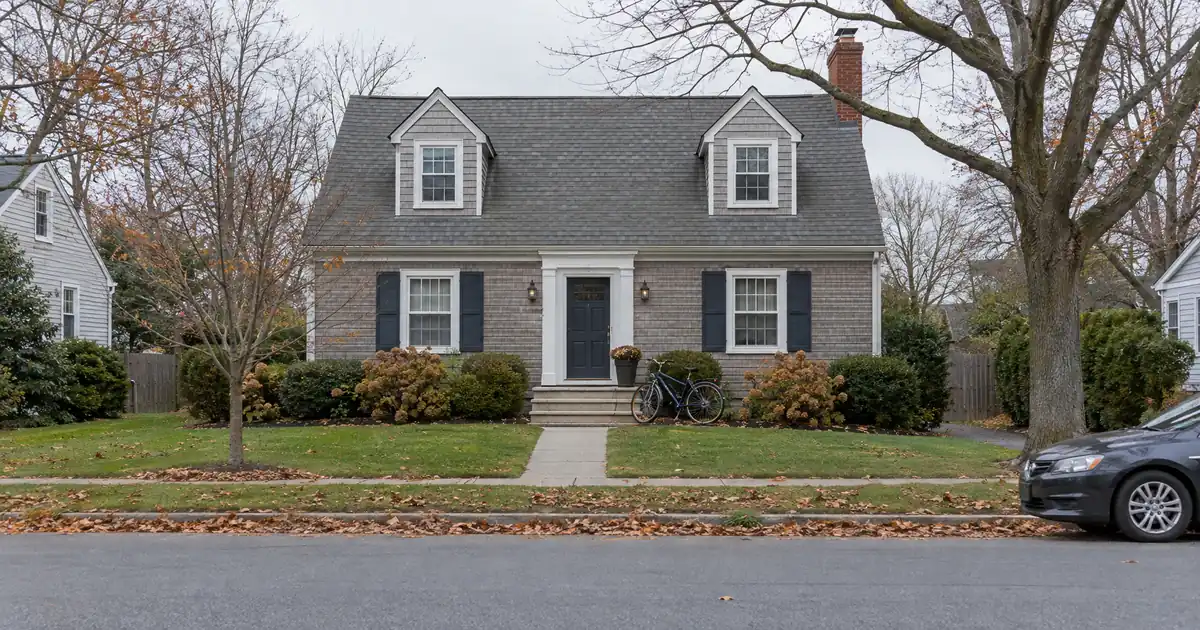
A drive-by is a real appraisal with a narrow inspection. The appraiser looks at the exterior, the lot, the street, and the surrounding neighborhood. The appraiser does not go inside. The report then blends that visit with public records and comparable sales to reach an opinion of value.
The method has three strengths. It involves a licensed human, so it carries more weight than software alone. It does not require the borrower to be home. It suits properties where the exterior and the neighborhood tell most of the story.
It also has limits. The appraiser cannot see a gutted-and-rebuilt kitchen, new flooring, a finished basement, or deferred maintenance inside. If the interior is better than the records suggest, a drive-by can undervalue the property. If the interior is worse, it can overvalue it.
Here is the point investors miss. Lendmire’s network guidelines for these equity lines do not describe a drive-by tier. The ladder inside the network is automated valuation, a secondary valuation where higher CLTV calls for one, and a full appraisal. A drive-by is a tool that lenders and credit unions use, so do not build a file around one unless a specific lender confirms it.
How the Network Handles Valuation on Equity Lines
Lendmire brokers HELOCs through select wholesale partners. Two standalone line programs are involved. One is a higher-leverage program with a 3-year interest-only draw. The other is a longer-runway program with a 5-year interest-only draw. Both are subject to lender guidelines and full file review.
Valuation works the same way on both:
- Lines at or below $500,000 ordinarily run an automated valuation with no traditional appraisal. A higher CLTV may call for a secondary valuation.
- A full appraisal is required on every line above $500,000.
- A borrower may request a full appraisal in any case.
Occupancy changes the leverage that value feeds into, so the ceilings differ by property use:
| Occupancy | Maximum line | Top CLTV | Credit pairing |
|---|---|---|---|
| Primary residence | $750,000 | 90% | 720 or better, on lines up to $500,000 |
| Second home | $500,000 | 90% | 720 or better |
| Investment property | $500,000 | 70% | 700 minimum (no higher tier) |
On a primary residence, a line above $500,000 is available only at 700 or better (720 on the longer-runway program). It caps at 75% CLTV and requires a full appraisal. Investment lines never reach that tier. They stop at $500,000, so the automated lane is the normal path for them.
Title is the sharp edge on investment lines. The property must be held by the individual borrower or an inter vivos revocable living trust. An LLC, corporation, partnership, or irrevocable, blind, or land trust cannot hold title. A rental already deeded to an LLC needs a vesting change first, or a different product. Manufactured homes, co-ops, condotels, and log homes are not eligible on either program. The HELOC product is available in Lendmire’s 16 full-service states, which is narrower than the 41-market DSCR footprint.
Which Valuation Will You Get?
Use these patterns as a working guide. The lender makes the final call.
- Smaller line, standard single-family home, plenty of equity: automated valuation is the likely method.
- Higher CLTV request on a line under $500,000: expect a secondary valuation behind the AVM.
- Line above $500,000 on a primary residence: a full appraisal is required.
- Recent renovation the records do not show: request a full appraisal. Software and exterior visits cannot see interior work.
- Thin comps or an unusual property: a low AVM confidence score can force escalation.
- Condo, townhome, PUD, or 2-4 unit: these are eligible property types, but the valuation method still follows line size and leverage.
An investor holding a rental with a fresh interior renovation should think about this before applying. The AVM sees the old county record. A borrower who expects the software to come in low can ask for the full appraisal at the start, instead of discovering the gap after the line is sized.
Step by Step: How the Valuation Moves Through the File
1. Application and credit review. The lender reviews credit, debt-to-income, title and vesting, and property type before it spends money on a valuation.
2. Valuation tier is chosen. Line size, CLTV request, occupancy, and property features set the starting method.
3. The value comes back. Software returns an estimate and a confidence score. An appraiser returns an opinion of value.
4. Escalation if needed. A weak confidence score or a value that does not fit the deal moves the file up to a desktop review or full appraisal.
5. CLTV is tested. The value is set against the first-mortgage balance plus the new line, and the result is compared to the program ceiling for that occupancy and credit tier.
6. The line is sized. The line cannot exceed the ceiling minus the existing first lien, and it cannot exceed the program’s maximum line size.
7. Settlement reconciliation. Title, vesting, and the final figures are checked against the approved terms before the line is set up.
Run the Numbers: Value Into CLTV Into Line
Run the math on an investment property, using modeled assumptions rather than market data. The ceiling is 70% CLTV. Suppose the owner expects a value, and the first mortgage sits at 50% of that expected value. The room under the ceiling is 20% of the expected value.
Now say the valuation comes in 10% below expectation. The new ceiling is 70% of 0.90, which is 63% of the original value. The first mortgage still sits at 50% of the original value. The room drops to 13%.
A 10% value miss cut the available line by 35%. That is why the value matters more than most borrowers expect. Leverage is a cap on a total, and the existing mortgage does not shrink when the value does. Lendmire’s explanation of how a value drop cuts a HELOC limit walks through what an appraisal can fix.
Where the General Rule Breaks
Investment property versus primary residence. Many lenders require an in-person appraisal on rental lines. The network is different. Because investment lines cap at $500,000, they sit in the automated lane by structure. The market answer and the network answer do not match.
Low AVM confidence. A software value with a weak confidence score does not stand on its own. The file escalates.
Recent improvements. Software and drive-bys both lag renovations. Documented permits, invoices, and photos help an appraiser, and they only help if the method puts an appraiser inside the home.
LLC-held rentals. The valuation question comes second. The first question is whether the property can be titled to an individual or a revocable trust.
Listed properties. In Indiana, North Carolina, Pennsylvania, Tennessee, Texas, and Washington, a property listed for sale, or listed within the past 60 days, is ineligible.
Texas primary residences. A Texas primary residence is a homestead and caps at 80% combined loan-to-value. The higher matrix tiers never apply to it. Texas second homes and investment properties follow the standard tables.
An investor with a lot of financed property. A borrower with more than 15 financed properties is not eligible, and a borrower is limited to three lines.
The Rules Behind the Practice
The appraisal requirement on home equity lines comes from lender and investor policy. Federal rules set thresholds for regulated banks, and they do not dictate a method. Federal regulators raised the residential appraisal exemption from $250,000 to $400,000. The Federal Register notice says a regulated lender at or below that threshold must still obtain an appropriate evaluation of the collateral. An evaluation is less formal than an appraisal. It can lean on software or public records.
An AVM is a model, so it has its own oversight. Six federal agencies issued a joint rule on AVM quality control. The CFPB compliance guide for the AVM rule lists five standards: confidence in the estimates, protection against data manipulation, avoidance of conflicts of interest, random sample testing, and compliance with nondiscrimination laws. The rule is now effective. Alston & Bird’s summary of the AVM rule notes that the rule does not prescribe how institutions structure their policies, and that it covers mortgages on a consumer’s principal dwelling.
For an investor, the takeaway is practical. The method is set by the lender, and the lender must show its software is checked. A borrower cannot demand a method, but a borrower can request a full appraisal on the network’s equity lines.
If the Value Comes in Low
A low value does not end the file, but it changes the math. The line shrinks, and the CLTV test may fail at the amount requested. There are three practical moves.
First, ask for a full appraisal if the first value was automated and the property has upgrades the records miss. Second, document the improvements with invoices, permits, and dated photos before the appraiser arrives. Third, compare the new line size against the purpose of the funds. If the smaller line no longer works, a different structure may fit better.
Do not pay for your own appraisal before the lender asks. The lender usually orders its own and may not accept an outside report.
How to Prepare
For an automated valuation, the useful work happens before applying. Confirm the county record shows the right square footage, bedroom count, and lot. Confirm title is held by an individual or a revocable trust. Gather the renovation records in case a full appraisal is requested.
For a full or exterior appraisal, clear access to the property and give the appraiser a one-page list of upgrades with dates. For a tenant-occupied rental, coordinate entry with the tenant and keep lease documentation ready, since the property is an investment file.
Key Terms Defined
AVM: Software that estimates a property’s value from public records, sales data, and comparable properties.
Desktop valuation: A value opinion from a licensed appraiser working remotely from records, maps, and comps.
Drive-by appraisal: An appraisal where the appraiser inspects only the exterior and the neighborhood.
Hybrid valuation: A report where a third party collects property data and a licensed appraiser analyzes it.
CLTV: Combined loan-to-value, which is the first mortgage plus the new line, divided by the property value.
Evaluation: A less formal estimate of collateral value that regulated banks may use below the federal appraisal threshold.
When a HELOC Is the Wrong Tool
A HELOC fits when the property can be titled to an individual or a revocable trust, the line is $500,000 or less, and the borrower wants a revolving draw. It fits poorly when the rental sits in an LLC, when the investor needs a larger sum, or when the plan is to pull equity across a portfolio.
DSCR loans are designed for non-owner-occupied investment properties. Because they are business-purpose investor loans, they are reviewed differently from a standard owner-occupied mortgage. A DSCR cash-out refinance is a different product. It tops out around 75% LTV on a standard rental across most of the network, and about 6 months of seasoning is a common expectation. A 70% ceiling applies to short-term-rental collateral. Coverage of 1.00 is where select programs start, and most programs want a credit score around 660. Appraisal specifics on a DSCR file come from the lender’s guidelines, so they differ from HELOC practice. The property qualifies primarily on property-level rental income covering the payment, subject to lender guidelines. The complete DSCR loans guide explains how that structure works.
If you are considering a home equity line and want to see how the numbers work, Lendmire can help you compare HELOC options based on the property, the equity available, credit profile, combined leverage, and your goals.
Frequently Asked Questions
Does every HELOC need a full appraisal?
No. Lenders choose among software valuations, desktop reviews, drive-bys, and full appraisals. On the network’s equity lines, a full appraisal is required above $500,000, and a borrower may request one on any line. Lines at or below $500,000 ordinarily run automated valuation.
Is a drive-by appraisal the same as an interior appraisal?
No. A drive-by covers only the exterior and the neighborhood, so it can miss interior renovations or problems. A full appraisal covers the inside and outside. Drive-bys are a tool some lenders use, and Lendmire’s network guidelines for these lines do not describe one.
Can a HELOC on a rental property use an automated valuation?
Yes, in the network’s structure. Investment-property lines cap at $500,000 and 70% CLTV, with a 700 minimum credit score, so they fall in the automated lane. A borrower can still request a full appraisal. Title must sit with an individual or a revocable trust, not an LLC.
Why did my line come in smaller than I expected?
The valuation sets the combined-leverage ceiling, and the existing first mortgage does not shrink with it. A modest drop in value cuts the available line by a larger percentage. A full appraisal can help if the software missed upgrades.
Is an AVM the same as an appraisal?
No. An AVM is a software estimate, and an appraisal comes from a licensed or certified appraiser. Lenders may use an AVM instead of an appraisal on smaller lines, and federal AVM quality-control standards apply to the software.
About Lendmire
Lendmire (NMLS# 2371349) is a mortgage broker. Home equity lines of credit — on a primary residence, a second home or an investment property — are arranged through wholesale lenders in Lendmire’s 16 full-service states, and every line is underwritten by the lender under its program guidelines. Scotsman Guide named Lendmire a Top Mortgage Workplace in both 2025 and 2026.
Get Started
Ready to find the right loan for you?
In about two minutes you can review financing options available for your home or investment property. No commitment required.
Informational only. Not a Loan Estimate, approval, or commitment to lend. Program availability and eligibility are subject to lender guidelines, credit approval, property review, and underwriting.
References
1. Bills.com, Appraisal, LTV and HELOC
2. Federal Register, Real Estate Appraisals
3. CFPB, Quality Control Standards for AVMs: Small Entity Compliance Guide
4. Alston & Bird, CFPB and Other Federal Agencies Finally Adopt AVM Rule
This article is part of Lendmire’s HELOC & home equity loan program — full qualification details, guidelines, and scenarios live on the program page.
Related reading: Second HELOC Requirements After Paying Off Your First HELOC · HELOC Home Appraisal Requirements and Valuation Options · Home Equity Agreement vs HELOC Requirements for a Primary Home
Brandon Miller
Founder & CEO, Mortgage Loan Originator, Lendmire LLC
- Mortgage Loan Originator · NMLS# 1129696 · Verify on NMLS Consumer Access
- North Carolina Real Estate Broker · License# 343312 · Verify on NCREC
- North Carolina Insurance Producer · License# 19053198 · Property, Casualty, Life, Health · Verify on NAIC SBS
- Lendmire LLC · Firm NMLS# 2371349 · Verify firm licensure
Required disclosures. Lendmire (NMLS# 2371349) operates as a licensed mortgage broker, not a direct lender or depository. The discussion in this article is general in nature and should not be relied upon as financial, legal, or tax advice — every investment scenario is unique and should be reviewed by a qualified professional. Any loan inquiry is subject to lender underwriting, and this article is not a commitment to lend or a guarantee of approval. Mortgage rates, loan terms, and program guidelines vary by borrower, property, and state, and may change without notice. Equal Housing Opportunity. Verify licensure at NMLS Consumer Access.