
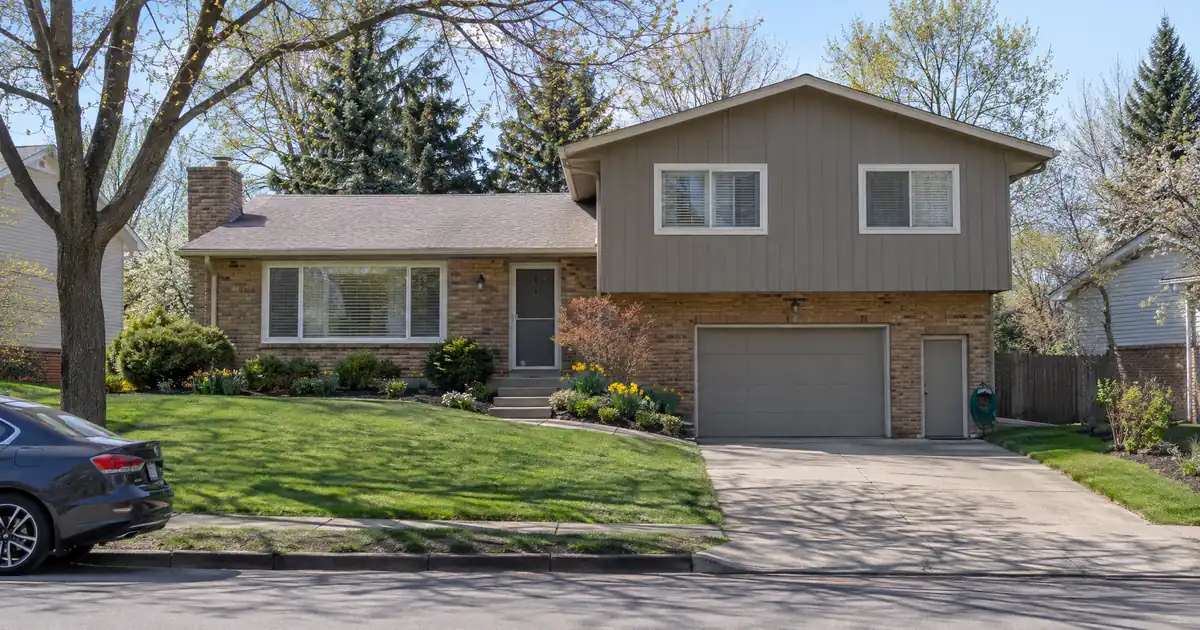
The Quick Read: You cannot move a HELOC to a new home, because the line is a recorded lien on one property, so the old line is paid off and closed at the sale and a separate new line is opened on the next home. The sequence and the timing between the two decisions decide how smoothly this goes.
- The old line ends at the sale. The new line is a new application with its own underwriting.
- Whether the new home is a primary residence, a second home, or a rental changes the leverage, credit, and line-size limits.
- Opening a line on the old home before listing can fund the next down payment, but it can leave you carrying three loans for a stretch.
- A new purchase usually cannot support a large line right away, since there is little equity in a home you just bought.
- If the new home is a rental, a DSCR purchase loan is often the cleaner tool, and the equity line becomes an optional add-on.
Why a HELOC Cannot Follow You
A HELOC is secured by a lien recorded against one property. When that property sells, the buyer needs clear title, so the lien has to be paid and released. That is the whole reason the line cannot transfer. Nothing about your credit or your good payment history changes it.
How large a line the equity supports.
An equity line is sized by combined loan-to-value, occupancy, and credit — not by rental coverage. Switch the occupancy or the credit band and the ceiling moves with it.
Investment-property lines require a 700 minimum credit score; second-home lines start at a 640 minimum and primary-residence lines at 600, and the combined-LTV ceiling steps down as the credit band drops on primary-residence and second-home lines and holds on investment-property lines; the line cap steps down on primary-residence lines and holds at every tier on investment-property and second-home lines.
A debt-to-income ratio above 45% requires 680+ credit. Profiles under 640 are limited to single-family homes. At least 75% of the approved line is drawn at closing. Ceilings, floors, and caps update from Lendmire’s centralized guideline source.
Line estimate
Illustrative estimate only — not a quote, Loan Estimate, approval, or commitment to lend. The rate is an editable assumption; equity-line pricing is variable through both the draw and repayment periods and never converts to fixed. Occupancy and credit drive the ceiling together: an investment property tops out at 70% combined LTV (minimum credit 700, line cap $500,000); a second home tops out at 90% combined LTV (minimum credit 640, line cap $500,000), with the ceiling stepping down as the credit band drops (the cap holds at every tier); a primary residence tops out at 90% combined LTV (minimum credit 600), and its $750,000 maximum line is available only at 75% combined LTV or below with a 700-or-better credit profile (720 on the longer-runway program) and a full appraisal. Lines above $500,000 require a full appraisal. Credit, debt-to-income, property type, and full underwriting review all affect the final line.
The CFPB HELOC brochure says a sale generally means paying the line off in full right away. It also suggests weighing the up-front costs of a line if you may sell soon. So the planning question is never “how do I move it.” It is “what do I use in its place, and when.”
A zero balance does not end the matter. An unused line still has a recorded lien, and it must be formally closed so the lien can be released. Ask for written confirmation of closure and a lien release after the sale.
What “Replace” Actually Means
Replace is a loose word, and it covers four different things.
- Transfer: moving the same line to a new property. Not possible.
- Modify: changing terms on the existing line. It stays on the old home.
- Refinance: a new loan on the same property that pays off the old line.
- Replace by new line: a fresh line on the new home that serves the same purpose. The old line still ends at the sale.
Only the last one fits a move. The new line is not a continuation of the old one. It is a new loan, underwritten from scratch on the new property and your current profile.
The Sequence From Old Line to New Line
Here is the order that works in most moves.
1. Decide whether you need a line at all. Some movers only need the old line to fund a down payment. After that, they pay it off and skip a new one.
2. Open or draw on the old line before listing, if you want it as a bridge. Lenders often hesitate to open a new line once a home is on the market, and a lender can freeze or reduce an existing line. Only count on money that is already drawn.
3. Use the drawn funds for the new purchase. Expect the purchase lender to ask where the down payment came from.
4. Request a payoff statement before the sale closes. Interest keeps accruing, so the payoff amount can run above your last statement.
5. Let the settlement agent pay the liens in order. The first mortgage is paid first, then the HELOC, then the remaining costs.
6. Collect the lien release. Confirm the line is closed, not just at zero.
7. Apply for the new line once you own the new home. Valuation, equity, and credit are reviewed fresh.
Two Timing Scenarios Compared
The order you buy and sell in changes the risk more than any other choice.
| Factor | Sell first, then buy | Buy first, then sell |
|---|---|---|
| Old line status | Closed at sale | Open until the old home closes |
| Loans carried at once | Usually one | Often three |
| Down payment source | Sale proceeds | Draw on old line |
| Main risk | Gap with no home | Payment stacking |
| Freeze exposure | Low | High if you plan future draws |
Buying first gives you leverage in a market-rate purchase, since you are not contingent on a sale. It also means carrying the old mortgage, the line, and the new mortgage at the same time. If the old home takes longer to sell than planned, that stack is the real cost of the strategy.
A freeze deserves its own planning. The same CFPB brochure says a lender may freeze or reduce a line if home value falls or your finances change for the worse. Federal home-equity rules also limit when a lender can end a plan and demand the full balance early, but a freeze is a different tool and it can still leave you unable to draw. Draw what you need early, and do not build a plan around draws you have not made.
What the New Line Looks Like by Occupancy
This is where the word “replace” gets misleading. The line you give up and the line you can get are not always the same product. The figures below describe select wholesale-network programs, are subject to lender guidelines and full file review, and are not a commitment to lend.
| Property use | Max CLTV | Credit | Max line |
|---|---|---|---|
| Primary residence | Up to 90% | 720+ for the 90% tier | $750,000 |
| Second home | Up to 90% | 720+ for the 90% tier | $500,000 |
| Investment property | 70% | 700 minimum | $500,000 |
On a primary residence, the 90% CLTV tier applies only at 720 or better and on lines up to $500,000. Lower scores step the ceiling down. A line above $500,000 is for primary residences only, needs a credit profile of 700 or better (720 on the longer-runway structure), caps at 75% CLTV, and requires a full appraisal.
Investment lines are narrower. The ceiling is 70% CLTV, the credit floor is 700, and the draw structure is a five-year interest-only draw followed by a 25-year repayment period. NerdWallet’s guide to investment-property lines says fewer lenders offer them and the requirements are stricter, which matches what the network shows.
Across the wholesale network, a few features apply to these lines:
- Lines run $25,000 to $750,000, with at least 75% of the line drawn at closing.
- Pricing floats through the draw and repayment periods and never converts to fixed.
- Debt-to-income tops out at 50%, and a ratio above 45% requires a 680 minimum.
- Lines at or below $500,000 ordinarily use an automated valuation, while larger lines need a full appraisal.
Entity title is a hard stop. These lines require title held by the individual borrower or a revocable living trust. An LLC cannot hold title, so a rental already deeded to an entity needs a vesting change or a different loan type. The line is also limited to a handful of full-service states, so availability depends on where the property sits.
Why You Often Cannot Open the New Line Immediately
A home you just bought has little equity. If you put 20% down, combined leverage is already near 80% before any line. A primary-residence line can reach a high CLTV only at the top credit tier, so the room is thin right after a purchase. Each figure is subject to lender guidelines and a complete review of property type, leverage, and credit.
Two other things get in the way. First, the lender has to value the property, and a recent purchase price is not always treated as current value. Second, some states add waiting or seasoning rules on primary residences. Texas, for example, applies a waiting period and seasoning to primary homes, and several states bar a line on a property listed for sale within the past 60 days.
The practical read: if you need a line on the new home right away, plan for a larger down payment or a smaller line. If you can wait, equity builds and the options widen.
How Underwriting Treats the Two Decisions
A HELOC is underwritten on you. The lender looks at credit, debt-to-income, and the equity in the property, and it is reviewed around the interest-only payment calculated on the maximum draw. Your old mortgage, the new mortgage, and the line can all count against you during overlap.
A DSCR purchase loan on a rental is underwritten differently. It qualifies primarily on property-level rental income covering the payment, subject to lender guidelines. The rent is compared against principal, interest, taxes, insurance, and any HOA dues. That sidesteps the personal debt-to-income squeeze, but it does not remove other file tests such as credit, reserves, and property eligibility.
Here is the catch for movers. If you used a draw on your old home for the down payment, the purchase lender decides how it treats borrowed funds. Some programs in the network accept it with documentation, and some want the money seasoned in your account first. One investor discussion on BiggerPockets notes that a HELOC-funded down payment can work on a DSCR purchase, but the rental then needs to carry its own loan with the line in mind. Treat that as one investor’s report, and lean on the lender’s written guidelines instead.
On DSCR purchases, most files land at 75% to 80% LTV, with select high-leverage programs reaching 85% at roughly a 700 score. A higher down payment can lift coverage, but it never erases leverage caps, credit floors, or reserve rules. And clearing 1.00 coverage is not the same as positive cash flow, since repairs, vacancy, management, and capex sit outside the calculation. The complete DSCR loans guide walks through how those tests fit together.
A Practitioner Observation
Across the files the brokerage sees, a common mistake is not the loan choice. It is timing the draw. Borrowers open or draw the old-home line after the listing goes live, find it frozen or declined, and then scramble for a down payment. The cleaner files draw early, park the funds, and keep a paper trail that shows where the money came from. That habit helps with any purchase lender, DSCR or otherwise.
Which Path Fits Which Investor
| Situation | Often fits | Watch for |
|---|---|---|
| Need only a down payment | Draw old line, pay off at sale | Three-loan overlap |
| Keeping a line on the next primary | New line after purchase | Thin early equity |
| New home is a rental | DSCR purchase, skip the line | Borrowed-funds rules |
| Rental held in an LLC | DSCR cash-out later | Line cannot be LLC-titled |
| Equity needed after purchase | Bigger new loan | Leverage caps |
The investor profile decides this. A W-2 owner moving into a new primary home, with strong credit and a modest balance, may find a new line simple. An investor buying a rental, or holding property in an entity, usually finds the line is the harder product and the DSCR loan is the main event.
Edge Cases Where the Rule Bends
The old home becomes a rental. If you keep it, the line stays. You are not replacing anything, but the occupancy change can alter your lender’s terms or the line’s status, so tell the lender before you rely on it.
The line is already in repayment. Once the draw period ends, the balance amortizes and no new draws are possible. A bridge strategy built on future draws does not work.
A shortfall at closing. If sale proceeds do not cover both liens, you owe the difference at the table. That is rare in rising markets, but it is real if values have dropped.
A freeze mid-transaction. If the line is frozen, you cannot draw. Build the plan around funded money only.
A property already in an LLC. The line cannot be placed on it. A vesting change or a different loan type is the route.
Key Terms Defined
Lien: a recorded legal claim on a property that secures a loan.
Lien release: the document that clears the lender’s claim after payoff.
CLTV: combined loan-to-value, which adds every loan on the property and divides by its value.
Draw period: the stretch when you can borrow from the line, usually paying interest only.
Payoff statement: the lender’s written figure for what you owe on a given date, including accrued interest.
DSCR: the ratio of a rental’s monthly income to its monthly debt obligation, used to underwrite investment loans.
Pre-Listing Checklist
- Decide whether you want a bridge draw, and open or draw before listing.
- Ask the old lender about freeze triggers and early-closure terms.
- Keep a clear record of where the down payment came from.
- Request the payoff statement before the sale closes.
- Confirm the line is closed and the lien released afterward.
- Talk to the new-home lender about equity, valuation, and any waiting rules before you count on a line.
Frequently Asked Questions
Can I keep my HELOC if I sell the house?
No, not on the home you sold. The lien has to be cleared for the buyer to receive clear title, so the line is paid off from proceeds. If you keep the home and rent it out, the line can stay, though the lender may adjust terms after the occupancy change.
Can I use the old line to pay for the new home?
Yes, if the line is open and funded before it freezes. Draw early and document the source of funds. The purchase lender decides how it treats borrowed money, and the new property still has to support the loans you carry through the overlap.
How soon can I open a line on a home I just bought?
It depends on equity, valuation, and the lender’s seasoning rules. A new purchase leaves little equity, and some states add waiting periods on primary residences. A larger down payment or a smaller line widens your options.
Can I get an equity line on a rental I just bought?
Sometimes, but it is a narrower product. On an investment property, the network ceiling is 70% CLTV with a 700 minimum credit score and a line up to $500,000. Title must be held personally or in a revocable trust, not in an LLC, subject to lender guidelines.
Is a DSCR loan or an equity line better for buying the next rental?
A DSCR purchase loan is reviewed primarily on property-level rental income covering the payment, so it avoids the personal debt-to-income squeeze. An equity line is reviewed on you. Many investors use a line only for the down payment and a DSCR loan for the property itself.
If you are considering a home equity line and want to see how the numbers work, Lendmire can help you compare HELOC options based on the property, the equity available, credit profile, combined leverage, and your goals. You can reach the team at 828-256-2183 or request a quote. Whether the new home is a primary, a second home, or a rental, the cleanest moves start with the one decision most movers make last: what the new property can actually support on day one.
About Lendmire
Lendmire (NMLS# 2371349) is a mortgage broker. Home equity lines of credit — on a primary residence, a second home or an investment property — are arranged through wholesale lenders in Lendmire’s 16 full-service states, and every line is underwritten by the lender under its program guidelines. Scotsman Guide named Lendmire a Top Mortgage Workplace in both 2025 and 2026.
Get Started
Ready to find the right loan for you?
In about two minutes you can review financing options available for your home or investment property. No commitment required.
Informational only. Not a Loan Estimate, approval, or commitment to lend. Program availability and eligibility are subject to lender guidelines, credit approval, property review, and underwriting.
References
2. eCFR, 12 CFR 1026.40 home-equity plan rules
3. NerdWallet on HELOCs for investment properties
4. BiggerPockets discussion on HELOC down payments
This article is part of Lendmire’s HELOC & home equity loan program — full qualification details, guidelines, and scenarios live on the program page.
Related reading: How to Handle a Minimum Initial Draw on a New HELOC · HELOC Documentation for Switching the Collateral to a New Home · How Much a HELOC Releases From Your Current Home Before You Sell
Brandon Miller
Founder & CEO, Mortgage Loan Originator, Lendmire LLC
- Mortgage Loan Originator · NMLS# 1129696 · Verify on NMLS Consumer Access
- North Carolina Real Estate Broker · License# 343312 · Verify on NCREC
- North Carolina Insurance Producer · License# 19053198 · Property, Casualty, Life, Health · Verify on NAIC SBS
- Lendmire LLC · Firm NMLS# 2371349 · Verify firm licensure
Required disclosures. Lendmire (NMLS# 2371349) operates as a licensed mortgage broker, not a direct lender or depository. The discussion in this article is general in nature and should not be relied upon as financial, legal, or tax advice — every investment scenario is unique and should be reviewed by a qualified professional. Any loan inquiry is subject to lender underwriting, and this article is not a commitment to lend or a guarantee of approval. Mortgage rates, loan terms, and program guidelines vary by borrower, property, and state, and may change without notice. Equal Housing Opportunity. Verify licensure at NMLS Consumer Access.