
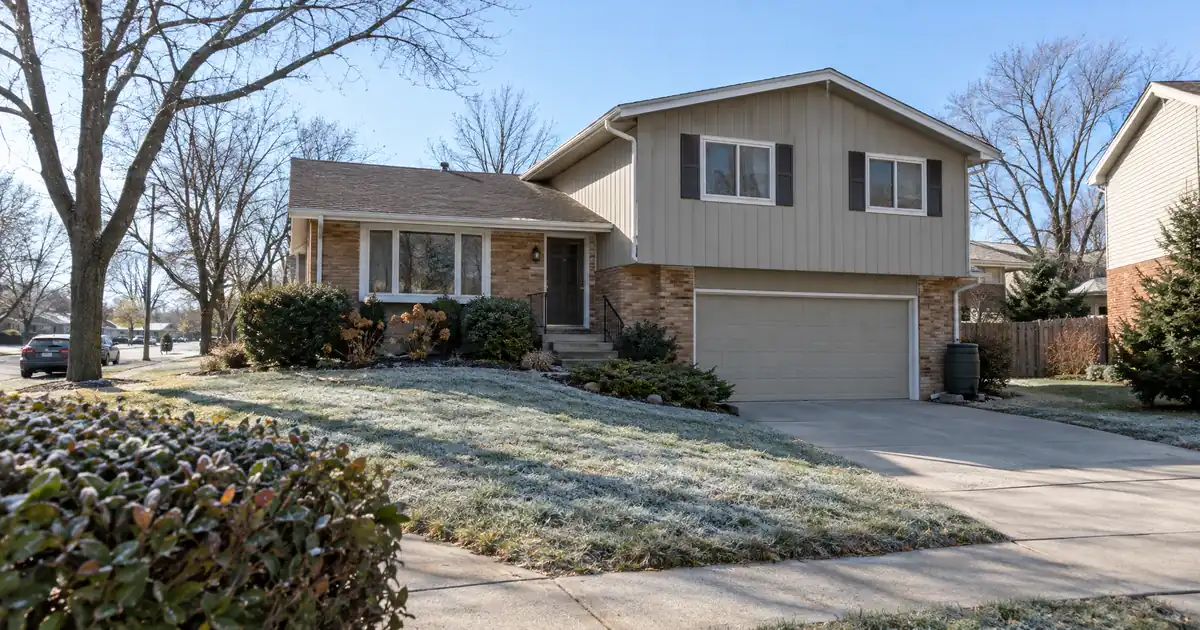
The Quick Read: Usually, yes: when your home sits in a mapped high-risk flood zone, your community takes part in the federal flood insurance program, and a federally regulated lender makes the line, the lender must see flood coverage in place before it opens, increases, or renews your HELOC. Outside those conditions, flood coverage becomes the lender’s own choice.
- A HELOC is a new loan, so your first mortgage’s history does not decide the question.
- Second liens and business-purpose lines are not exempt.
- Private flood policies can satisfy the requirement if they meet the federal definition.
- Homeowners insurance does not cover flood, so this is a separate policy.
- Non-bank lenders often require coverage anyway, through their own guidelines.
Why Does a New HELOC Trigger the Rule When Your First Mortgage Didn’t?
A HELOC is its own loan, so the lender checks flood status fresh. Your first mortgage may have closed before the maps changed, or in a zone that was then rated lower. None of that carries over to the new line.
How large a line the equity supports.
An equity line is sized by combined loan-to-value, occupancy, and credit — not by rental coverage. Switch the occupancy or the credit band and the ceiling moves with it.
Investment-property lines require a 700 minimum credit score; second-home lines start at a 640 minimum and primary-residence lines at 600, and the combined-LTV ceiling steps down as the credit band drops on primary-residence and second-home lines and holds on investment-property lines; the line cap steps down on primary-residence lines and holds at every tier on investment-property and second-home lines.
A debt-to-income ratio above 45% requires 680+ credit. Profiles under 640 are limited to single-family homes. At least 75% of the approved line is drawn at closing. Ceilings, floors, and caps update from Lendmire’s centralized guideline source.
Line estimate
Illustrative estimate only — not a quote, Loan Estimate, approval, or commitment to lend. The rate is an editable assumption; equity-line pricing is variable through both the draw and repayment periods and never converts to fixed. Occupancy and credit drive the ceiling together: an investment property tops out at 70% combined LTV (minimum credit 700, line cap $500,000); a second home tops out at 90% combined LTV (minimum credit 640, line cap $500,000), with the ceiling stepping down as the credit band drops (the cap holds at every tier); a primary residence tops out at 90% combined LTV (minimum credit 600), and its $750,000 maximum line is available only at 75% combined LTV or below with a 700-or-better credit profile (720 on the longer-runway program) and a full appraisal. Lines above $500,000 require a full appraisal. Credit, debt-to-income, property type, and full underwriting review all affect the final line.
Three things must be true for the federal requirement to apply. The loan is secured by a building, that building sits in a mapped high-risk flood zone, and your community participates in the federal flood insurance program. When all three are present, a regulated lender cannot make, increase, extend, or renew the line without coverage.
Notice what is not on that list. Your flood history does not matter, and neither do your neighbors’ policies. Your plan to draw only a small amount does not matter either. The building and the map decide it.
The lender runs a flood zone determination, which is a standard check of where the building falls on the map. Paying the determination fee does not mean you must buy insurance. The requirement follows only if the check shows a high-risk zone.
When Does the Requirement Apply, and When Doesn’t It?
It applies when all three conditions are met and the lender is federally regulated. In other situations, the federal mandate drops away, but your lender’s own policy may still ask for coverage.
| Situation | Federal mandate applies? | Lender may still require? |
|---|---|---|
| High-risk zone, participating community, regulated lender | Yes | Yes |
| Moderate- or low-risk zone | No | Yes, by lender policy |
| Community not participating | No | Yes, commonly |
| Non-bank or private lender | Not directly | Yes, commonly |
The lower-risk zones, including the unshaded and shaded X zones, sit outside the mandate. A lender can still ask for coverage on a home near the zone line. Treat “not in the zone” as the start of the conversation, not the end of it.
Non-bank lenders are not directly covered by the statute. In practice, they usually impose flood coverage through their own guidelines or their investors’ guidelines. Ask the specific lender before you assume you are exempt.
A map change can also work in your favor. A formal map amendment or a flood-level determination can remove a building from the requirement. Investors sometimes pursue this with an elevation survey, and it takes real paperwork. The Federal Reserve Regulation H handbook notes that these determinations can exempt a loan from the purchase requirement.
Do Second Mortgages, Rentals, and Condos Count?
Yes to all three. Regulators treat home equity lines as covered loans, so a HELOC in second position has no special exemption. The FDIC Consumer Compliance Examination Manual says second mortgages and home equity loans may be subject to the mandatory purchase rules.
The rule also reaches business-purpose loans. It applies to commercial and consumer loans alike, so a line against a rental is not exempt because you are an investor.
Condos work a little differently. Coverage can come from the association’s master policy or from your own policy, depending on what the lender accepts. Ask the lender which form it needs before you buy anything.
How Much Coverage Will You Need?
The minimum is the lesser of three amounts. Those are the loan amount, the building’s value, and the maximum coverage available for that property type. Flood coverage limits for residential buildings are capped, so a large line against a high-value home often lands at the cap.
On a HELOC, the question is whether the loan amount means the full line or only the drawn balance. Regulators describe two approaches. A lender can monitor draws and repayments and adjust coverage over time. Or it can require coverage at origination for the total line, the property value, or the maximum available, whichever is least.
Plan on the second approach, because it is simpler for lenders. Coverage sized to the full line means your premium does not shrink just because you have not drawn yet. Ask the lender, in writing, which method it uses and what dollar amount it needs.
The minimum is also not the same as enough. The lender’s requirement protects the lender’s collateral, not your finances. If water damages the building, the policy may not make you whole, so many owners insure above the minimum.
Does Your Existing Flood Policy Count?
Often it does, with one adjustment. Only one federal flood policy can be issued per building. A lender should not demand a second policy when a first-lien policy already exists. You tell your insurer about the new lien, and the coverage is adjusted so the lender is listed.
The proof the lender wants is the policy declarations page. Have it ready at application.
A private flood policy can also work. A regulated lender must accept a private policy that meets the federal definition of flood insurance. Lenders may accept other private policies at their discretion. Private quotes can differ from federal ones, so it can pay to get both before you commit.
One more point catches people out. Standard homeowners insurance does not cover flood. If you only carry that, you do not have flood coverage, and the lender will say so.
What Does the Process Look Like?
Here is the sequence, without the guesswork:
1. You apply, and the lender orders the flood zone determination.
2. If the property is in a high-risk zone, you receive a written notice of special flood hazards.
3. You provide proof of coverage that meets the lender’s amount and form.
4. The lender confirms the coverage lists the new lien.
5. If the premium is escrowed, the lender sets that up with your payments. Escrow applies to loans secured by residential property, with limited exceptions.
Start the insurance quote early. Binding a policy can take a few steps, and a missing declarations page is a common reason a line stalls.
What Happens If Coverage Lapses?
The lender can buy coverage for you, which is called force-placed insurance. If you do not provide proof after notice, the lender must force-place it. The Federal Reserve handbook notes that force-placed rates run considerably higher than a voluntary policy.
On a HELOC, force-placement is limited to the minimum required amount. If the first-lien servicer already force-placed, or you carry a policy at the required minimum, the HELOC lender has met its duty. Regulators can assess civil money penalties for violations, which is why lenders are strict about this.
What Does a Flood Premium Do to a Rental Investor’s Numbers?
It raises the cost of holding the property. A flood premium eats into cash flow whether you finance with a line or a DSCR loan. A DSCR, or debt service coverage ratio, divides the property’s rent by its monthly obligation, which includes principal, interest, taxes, insurance, and any HOA dues. Flood insurance sits in that insurance line, so a higher premium lowers coverage.
Run the premium into your numbers before you commit. Get a real quote from an agent and use a conservative figure.
A bank HELOC on a rental is a narrow path to begin with. Across the equity lines Lendmire can broker, lenders treat investment property most tightly:
- On an investment-property line, the network ceiling is 70% CLTV (combined loan-to-value, which adds the existing mortgage balance to the new line), with a 700 minimum credit score and a maximum line of $500,000.
- On a primary-residence or second-home line, the ceiling reaches 90% CLTV, but only at a 720-or-better credit profile and up to $500,000.
- The property must be titled in your own name or in a revocable living trust. LLC-owned rentals do not qualify for these lines.
- These lines are available through select wholesale lenders in 16 states, subject to lender guidelines.
If you pull equity for a rental purchase or repairs, keep clear records of how you use the funds.
For many rentals, a DSCR cash-out refinance is the more natural fit. DSCR loans are designed for non-owner-occupied investment properties. Because they are business-purpose investor loans, they are reviewed differently from a standard owner-occupied mortgage. Qualification runs primarily on property-level rental income covering the payment, subject to lender guidelines.
Across our wholesale network, a cash-out refinance tops out around 75% LTV on a standard rental and around 70% on short-term-rental collateral. About six months of seasoning is the common expectation. Most programs want a credit score near 660, a 620 floor exists in parts of the network, and 700 or higher opens the strongest leverage. A coverage ratio of 1.00 is where many select programs start; a separate select-lender path takes coverage below 1.00 with leverage and terms adjusted. These loans can also be made to an LLC, subject to program terms.
On flood, DSCR lenders typically expect coverage on a property in a mapped high-risk zone, and the premium counts inside the payment. Clearing 1.00 does not mean the property cash flows, because repairs, vacancy, and management sit outside the calculation. For broader background, see Lendmire’s complete DSCR loans guide.
If a flood zone is the sticking point, Lendmire has a piece that goes deeper on how to handle insurance and flood zone problems on a HELOC.
Key Terms Defined
HELOC: A home equity line of credit, a revolving line secured by your property that you draw on and repay over time.
Flood zone determination: The lender’s check of where your building falls on the federal flood maps.
Special flood hazard area: A mapped high-risk flood zone, the trigger for the federal requirement.
Declarations page: The summary page of your insurance policy, showing coverage amounts and listed lienholders.
Force-placed insurance: Coverage the lender buys on your behalf when you fail to provide proof, usually at a higher cost.
CLTV: Combined loan-to-value, the total of all loans against the property divided by its value.
Frequently Asked Questions
Do I need flood insurance if I never draw on the line?
Yes, if the federal mandate applies. The requirement attaches to making the line, not to using it. Coverage is often sized to the whole line, so an unused line still carries the requirement.
What if my home is in Zone X?
The federal mandate does not apply, but your lender may still ask for coverage under its own policy. Ask early, because a lender can decide differently than the map suggests. Coverage may also protect you if a storm hits a lower-risk area.
Can I use a private flood policy?
Often yes. A regulated lender must accept a private policy that meets the federal definition. Other private policies are at the lender’s discretion, so confirm before you buy.
What if the flood map changes after I buy?
A new HELOC triggers a fresh check, and the updated map governs. A home that was outside the zone at purchase can fall inside it later. A formal map amendment can sometimes reverse that outcome.
Does an LLC-owned rental qualify for a HELOC?
Not through the equity lines Lendmire brokers, which require title in your own name or a revocable living trust. A rental held in an LLC usually needs a vesting change or a DSCR cash-out refinance instead.
If you are considering a home equity line and want to see how the numbers work, Lendmire can help you compare HELOC options based on the property, the equity available, credit profile, combined leverage, and your goals. Flood-zone rentals reward the investor who prices the premium first and picks the financing second.
About Lendmire
Lendmire is a mortgage brokerage (NMLS# 2371349) arranging home equity lines of credit — primary-residence, second-home and investment-property lines — through a wholesale lending network in its 16 full-service states. Eligibility is determined by the lender on each file. Scotsman Guide named Lendmire a Top Mortgage Workplace in both 2025 and 2026.
Get Started
Ready to find the right loan for you?
In about two minutes you can review financing options available for your home or investment property. No commitment required.
Informational only. Not a Loan Estimate, approval, or commitment to lend. Program availability and eligibility are subject to lender guidelines, credit approval, property review, and underwriting.
References
1. Federal Reserve Regulation H handbook, flood insurance
2. FDIC Consumer Compliance Examination Manual V-6, Flood Disaster Protection Act
This article is part of Lendmire’s HELOC & home equity loan program — full qualification details, guidelines, and scenarios live on the program page.
Related reading: HELOC Limits for a Primary Home With an Existing Mortgage · Flood Insurance Requirements for a Second Mortgage or HELOC · HELOC Homeowners Insurance Requirements for Qualifying
Brandon Miller
Founder & CEO, Mortgage Loan Originator, Lendmire LLC
- Mortgage Loan Originator · NMLS# 1129696 · Verify on NMLS Consumer Access
- North Carolina Real Estate Broker · License# 343312 · Verify on NCREC
- North Carolina Insurance Producer · License# 19053198 · Property, Casualty, Life, Health · Verify on NAIC SBS
- Lendmire LLC · Firm NMLS# 2371349 · Verify firm licensure
Disclosure information. Lendmire is a state-licensed mortgage brokerage under NMLS# 2371349. Lendmire is not a depository institution, direct lender, or financial advisor — all loans referenced are placed through wholesale lender partners and are subject to each lender's underwriting standards. This article is provided for general informational purposes and is not a commitment to lend, nor does it constitute financial, legal, or tax advice. Loan programs, terms, rates, and qualification standards change without notice and depend on borrower profile, property type, and the state in which the subject property is located. Equal Housing Opportunity provider. NMLS Consumer Access: nmlsconsumeraccess.org.