
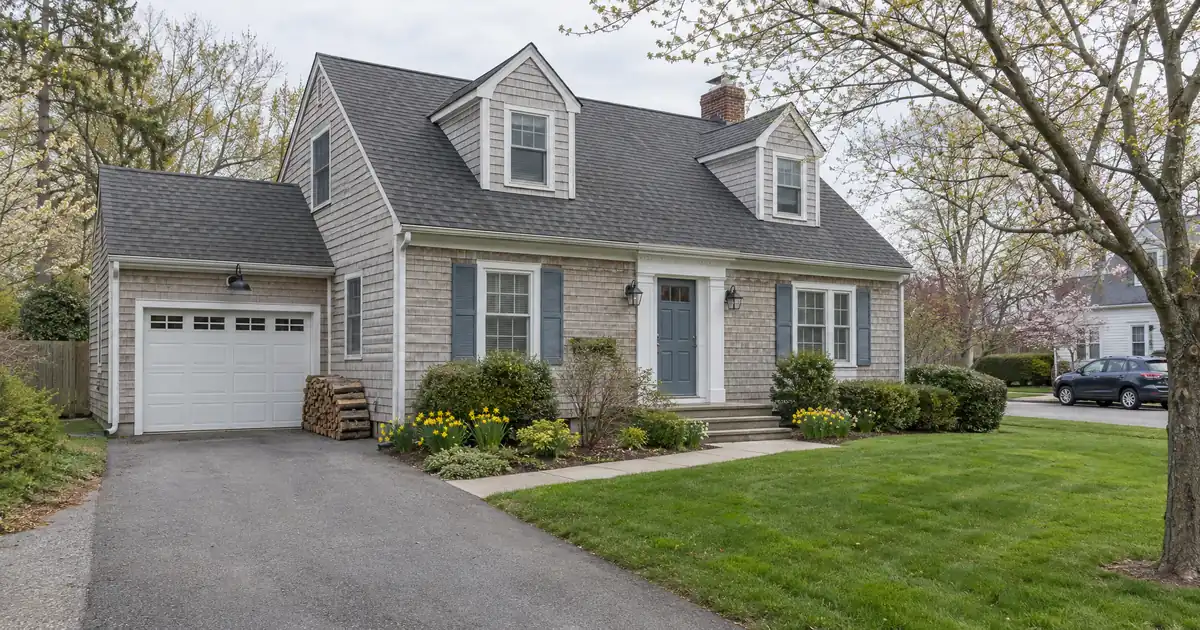
The Quick Read: It depends on three things: real equity in a rental you already own, a new property whose rent carries its own loan plus the line’s interest, and a plan to repay within a year or two, and when all three line up, a DSCR HELOC can supply the cash to close the next rental. A DSCR HELOC is a revolving line of credit on a rental you already own, qualified on that rental’s rent instead of your personal income. It does not buy the new property. It only puts cash in your account.
- It fits best when the new rental has real cushion and you have a defined exit, such as a refinance, a sale, or a payoff.
- It fits poorly when the plan is a fully borrowed down payment on a thin-margin rental you intend to hold for years.
- The line’s payment is not part of the new property’s coverage math, but it still comes out of your real cash flow.
- Most programs require the line to be open and drawn before you go under contract.
- Through select programs, the line sits on a rental you own, never on the property you are buying.
What Do People Mean by “DSCR HELOC”?
The label is loose. It is not one standardized product, and investors use it for two different structures. Knowing which one you are looking at changes everything that follows.
| Item | Rent-qualified line | Personal-income HELOC |
|---|---|---|
| Secured by | A rental you own | Usually your own home |
| Reviewed on | The rental’s rent | Your income, credit, equity |
| Risk sits on | That rental | Your residence |
This article is mostly about the first column. The line is secured by a non-owner-occupied one-to-four-unit rental, and the rent covering the payment is what qualifies it. DSCR stands for debt service coverage ratio: monthly rent divided by the monthly obligation. The owner’s tax returns, pay stubs and debt-to-income ratio are not part of the file. Qualification runs primarily on property-level rental income covering the payment, subject to lender guidelines.
The second column is a different animal. It is a home equity line on your primary residence that you draw on for a down payment.
How the Two Loans Fit Together
A line of credit and a purchase loan are separate files with separate jobs. The line creates cash. A DSCR purchase loan on the new property closes the deal. Think of the line as the down payment and the purchase loan as the mortgage.
The sequence matters, and it trips people up. Across the wholesale network Lendmire places files with, the line has to exist and be drawn before you sign the purchase contract. You cannot open a line on the rental you are about to buy. Nor can the line be closed together with a purchase. This program writes the line as a standalone second lien behind a first mortgage you keep, or as a standalone first lien on a rental with no mortgage.
The new property’s coverage test is simple: its rent against its own full monthly obligation, meaning principal, interest, taxes, insurance and any association dues. The line’s payment is not plugged into that ratio. That is the first thing to understand, and the last thing most borrowers think about. We come back to it below.
What the Line Itself Looks Like
Leverage on these lines is capped well below a purchase loan, and the cap depends on your lien position. Lenders measure it as loan-to-value (LTV) on a first lien. On a second lien they measure combined loan-to-value (CLTV), which adds the first mortgage balance to the new line before dividing by value.
| Position (investment property) | Ceiling | Credit score |
|---|---|---|
| Second lien, lines to $500,000 | 70% CLTV | 720 or better |
| First lien, lines to $500,000 | 75% LTV | 740 or better |
| First lien, lines to $500,000 | 70% LTV | 700 to 739 |
| First lien, $500,000 to $1,000,000 | 65% LTV | 720 or better |
All figures are subject to underwriting, and they are ceilings, not offers. Lines start at $50,000. The rental securing the line must show at least 1.10x coverage. That test uses a stress payment: a fully amortizing payment on the entire credit limit at a higher-than-start rate. It is deliberately harsher than the interest you will actually pay early on. On a second lien, the lender’s own coverage calculation governs how the first mortgage factors in.
The rest of the file is short. A lease must be in place. Rent counts as the lesser of the appraiser’s market rent (Form 1007) or the lease. A two-to-four-unit building may have at most one vacant unit. Lines to $400,000 use an automated valuation plus a property inspection report, or a full appraisal. Larger lines need a full interior appraisal. Appraisal waivers are not accepted.
Two gates catch investors by surprise:
- Seasoning. A rental bought or refinanced in the last 6 months is not eligible. You need 6 months of ownership. Seasoning is simply the waiting period.
- Property type. Rural-designated property, row homes, condotels and leaseholds are outside the program.
Borrowers must be U.S. citizens, permanent residents, or non-permanent residents with a Social Security number. No reserves are required, and no cash to close. An LLC can stay on title, subject to program terms, with the members signing as guarantors. The brokerage’s broader walkthrough sits in its complete DSCR loans guide.
The Catch Most Investors Miss: You Draw Most of It at Closing
Here is the part that changes the math for a “fund my down payment” plan. At least 80% of the line, and never less than $50,000, is drawn at closing. Later draws must be at least $5,000 each.
That means you cannot open a large line “just in case” and pay nothing. Interest runs on the drawn balance from day one. During the 5-year draw period you pay interest only on what is drawn. Then a 25-year fully amortizing repayment period begins, with a 30-year maturity. The rate is variable, so the cost can move.
So size the line to the need. If the next purchase needs a down payment and closing costs of a certain size, a line three times that large leaves you paying interest on money sitting in your account. Not ideal. Most investors who use these lines well treat the draw as a bridge with a repayment date attached.
What the Purchase Lender Will Accept
Programs differ here, and this is where a broker earns the fee. Borrowed down payment money is often acceptable when you can trace it from the line, through your account, into the closing. Some programs accept a documented draw as the entire down payment. Others cap the borrowed share. A few want part of the cash unborrowed.
Down payment, closing costs and reserves are separate buckets. Borrowed funds are commonly accepted for the first two but are often excluded from reserves. And the same borrowed dollars cannot count twice, once as down payment and again as reserves.
Investor opinion splits on all of this. One BiggerPockets contributor says using a line to acquire a property quickly is fine if you have a reliable way to repay it within a year or two. That is an anecdote, not a guideline, but it matches what a broker sees on files: the line works as a short-term tool. The answer on whether your purchase program takes borrowed funds is always “check the specific program, before you draw.”
The Payment Blind Spot
The new property’s coverage ratio can look healthy while the deal loses money. The line’s interest is paid from your pocket, or from the same rent check. The ratio does not see it.
Run the numbers on two modeled scenarios. Both use percentages and ratios only.
Scenario one, the cushion deal. Say you own a rental with no mortgage and a 740 credit score. A first-lien line is available up to 75% LTV, subject to underwriting. The new rental clears roughly 1.3x on its own loan. You add the line’s interest-only payment and coverage on the combined obligations still sits comfortably above break-even. The plan is a refinance after seasoning. This one pencils. Exact terms depend on the lender’s guidelines, property type, leverage, and a full review of the borrower’s file.
Scenario two, the thin deal. The same investor buys a rental that clears about 1.05x on its own. A fully borrowed down payment sits on top, so total borrowing approaches 100% of the purchase price, split across two liens on two properties. Once line interest comes out of the same rent, the property runs near or below break-even. One vacancy and the investor is feeding it from savings. (A repair surprise would do the same.)
If the numbers only work when the money is borrowed, the property is the problem, not the financing.
Stress-Test It Before You Draw
Three shocks matter. Run each against your own file.
| Shock | What it does | What to check |
|---|---|---|
| Vacancy | Rent stops, line interest continues | Months of carry you can fund |
| Variable-rate move | Line cost rises | Cash flow at a higher cost |
| Draw period ends | Interest-only becomes amortizing | Payment after repayment starts |
The third one deserves a pause. After the 5-year draw period, the payment resets to a fully amortizing 25-year schedule. It will be meaningfully higher than interest-only. If your exit plan is to be done well before that, the reset is irrelevant. If the plan drifts, it becomes the main event.
Two lender-side risks sit behind all this. The CFPB notes that a lender can restrict further draws if the value of the property falls significantly, and that falling behind on any HELOC can put the secured property at risk. The FTC adds that HELOCs typically carry a variable rate. Both describe HELOCs generally, but the lesson carries over: unused credit is not committed money, so draw what you need while you can.
Which Property Do You Borrow Against?
The security property sets the risk. A line on your primary residence puts your home behind a rental bet. This program never writes that. It sits on a rental, so the downside stays with an investment asset.
The tradeoff is access. Lenders see higher default risk on investment property, so the leverage is tighter and the file is stricter than a home line. Personal-income home equity lines often require individual or trust title, while this program allows an LLC to stay on title. If your rental is LLC-held and you want the line anyway, this is the structure built for it.
If your equity rental is on the excluded list (rural, row home, condotel, leasehold), look at a DSCR cash-out refinance instead. Also check your lease: renting out a property can be restricted under some line agreements, so read the one you sign.
DSCR vs. conventional financing
There are two common ways to finance an investment property, and they qualify you differently — here’s how investors weigh them.
Why investors choose it
- Qualifies on the property’s rental income — no personal tax returns, W-2s, or pay stubs needed to document income.
- No personal debt-to-income ceiling to clear, so existing mortgages and obligations don’t cap your borrowing the same way.
- Can be closed in an LLC, keeping the property inside a business entity.
- Built for scaling — not held to the limit on number of financed properties that conventional financing applies.
- Underwriting centers on the deal: generally qualifies when the rent covers the payment, a 1.00x coverage ratio being a common baseline (confirmed in underwriting).
- Designed specifically for investment property, including long-term and, where the program allows, short-term rentals.
Where it’s strong
- Often the lowest ongoing financing cost for a buyer who fully qualifies on personal income — a fit for a first property or a cost-first purchase.
Trade-offs for investors
- Requires full personal income documentation and must fit within a debt-to-income limit — salary, existing debts, and other mortgages all count.
- Typically held in your personal name rather than a business entity.
- Caps how many financed properties you can carry, which can become a ceiling as a portfolio grows.
- Evaluates you as a borrower as much as the property, which usually means more paperwork.
How investors usually choose: a first or single property often optimizes for the lowest financing cost; portfolio builders often optimize for leverage, vesting in an LLC, and scaling past conventional caps. The right answer depends on your goals, the property, and current guidelines — both paths run through select lenders in Lendmire’s wholesale network, with eligibility and terms confirmed in underwriting.
How It Stacks Up Against the Alternatives
| Option | Best when | Watch for |
|---|---|---|
| DSCR HELOC | Short bridge, defined exit | Variable cost, 80% drawn |
| DSCR cash-out refinance | Large, long-term equity pull | Replaces your first mortgage |
| DSCR purchase, cash down | You have the cash | Ties up capital |
| Waiting | Thin margin, thin equity | Missed opportunity |
A cash-out refinance replaces the first mortgage. A second-lien line leaves it untouched, which matters if your existing first mortgage is one you would rather keep.
One more practical point. Many DSCR purchase loans carry a prepayment penalty that steps down over several years. If your exit is an early refinance, price that penalty into the plan. Tax treatment can depend on how the funds are used and how the property is held; borrowers should keep clear records and speak with a qualified tax professional before relying on any deduction.
Green Light, Red Light
- Your equity rental has been owned past the 6-month seasoning mark and is an eligible property type.
- You can carry both payments through a few months of vacancy from your own funds.
- You have a named exit: a refinance after seasoning, a sale, or a paydown schedule.
- Your credit sits at 720 or better for a second lien, or 700 or better for a first lien.
- The deal only works if the money is 100% borrowed.
- The exit depends on a refinance happening on a hoped-for timeline.
- You plan to hold the line balance for years.
- You are counting borrowed funds as reserves.
- The rental securing the line sits in a declining-market flag area, which lowers the ceiling by 5 points.
Honestly, the repeat-buyer scale play and the one-time bridge play are different decisions. The scale play can work, but only when each cycle has its own exit. The bridge play is the cleaner fit.
Key Terms Defined
DSCR (debt service coverage ratio): Monthly rent divided by the property’s full monthly obligation. Above 1.00x means rent covers the payment.
HELOC: A revolving line of credit secured by property equity. You draw, repay, and draw again within the program’s rules.
Lien position: Your place in line if the property is sold to pay debts. A second lien sits behind the first mortgage.
CLTV (combined loan-to-value): The first mortgage plus the new line, divided by the property’s value.
Seasoning: The waiting period a lender wants after a purchase or refinance before you can borrow against the property.
Draw period: The stretch when you can borrow from the line and pay interest only on the balance.
Stress payment: A deliberately harsh qualifying payment used only to test coverage. It is not what you pay.
Frequently Asked Questions
Can a DSCR HELOC cover the whole purchase?
Rarely. The line pays for the down payment and closing costs, not the purchase itself. A separate DSCR purchase loan finances the property. Combined, borrowing can approach 100% of the price, which is exactly why thin-margin deals are risky. Leverage on the line is also capped, as the tiers above show, and every figure is subject to underwriting.
Does the line’s payment count in the new rental’s DSCR?
No. The new property’s ratio compares its rent to its own monthly obligation only. The line is a separate file. But it still reduces your real cash flow, so a deal can show strong coverage and still lose money after the line is paid.
Will the purchase lender accept borrowed down payment money?
Often, but it varies by program. Many accept it when you can trace the funds from the line, through your account, into the closing. Some cap the borrowed share. Borrowed funds are frequently excluded from reserves. Confirm with the specific program before you draw.
Can I open the line on an LLC-held rental?
Yes, through this program, subject to program terms. The LLC stays on title, the members sign as guarantors, and a title holder who is not a borrower signs a non-borrowing owner acknowledgment and the security instrument. The property must be a non-owner-occupied one-to-four-unit rental.
Where is this offered?
The program is offered in the 15 states below under Lendmire’s consumer licensing: Alabama, California, Colorado, Florida, Georgia, Indiana, Michigan, Montana, New Mexico, North Carolina, Ohio, Pennsylvania, Texas, Virginia and Washington. It is not offered in Tennessee. Availability is narrower than the DSCR purchase footprint.
Running Your Own Numbers
If you are considering a home equity line on a rental property and want to see how the numbers work, Lendmire can help you compare DSCR HELOC options based on the property, the rent, the equity available, credit profile, combined leverage, and your goals. Reach the team at 828-256-2183 or request a quote. Lendmire is a mortgage broker, not a lender, and every file is subject to underwriting and lender guidelines.
The investors who do this well treat the next rental’s rent as the thing that has to hold up, and treat the line as a short, defined bridge to it.
For current guidelines and terms, see Lendmire’s DSCR HELOC programs page.
About Lendmire
Lendmire (NMLS# 2371349) is a mortgage brokerage serving homeowners and real estate investors in its 16 full-service states. Home equity lines of credit are arranged through wholesale lending channels; Lendmire brokers the line and the lender underwrites each application under its occupancy-based guidelines. Scotsman Guide named Lendmire a Top Mortgage Workplace in both 2025 and 2026.
Get Started
Ready to find the right loan for you?
See your offer in seconds. No credit pull, no obligation.
Informational only. Not a Loan Estimate, approval, or commitment to lend. Program availability and eligibility are subject to lender guidelines, credit approval, property review, and underwriting.
References
1. BiggerPockets – Thoughts on using a HELOC from a primary home for a first investment property
2. CFPB
3. FTC – Home equity loans and HELOCs
This article is part of Lendmire’s DSCR HELOC program — full qualification details, guidelines, and scenarios live on the program page.
Related reading: 2-4 Unit DSCR HELOC Requirements for a Rental Property · DSCR Loan vs DSCR HELOC for a Cash-Out on a Rental · How a DSCR HELOC Works on a Rental Property
Brandon Miller
Founder & CEO, Mortgage Loan Originator, Lendmire LLC
- Mortgage Loan Originator · NMLS# 1129696 · Verify on NMLS Consumer Access
- North Carolina Real Estate Broker · License# 343312 · Verify on NCREC
- North Carolina Insurance Producer · License# 19053198 · Property, Casualty, Life, Health · Verify on NAIC SBS
- Lendmire LLC · Firm NMLS# 2371349 · Verify firm licensure
Important disclosures. Lendmire (NMLS# 2371349) is a licensed mortgage brokerage. Lendmire is not a direct lender, depository institution, or financial advisor. All loan inquiries are subject to lender underwriting; this article does not constitute a commitment to lend. Rates, terms, and program guidelines are subject to change without notice and vary by borrower profile, property type, and state. Information in this article is general in nature and is not financial, legal, or tax advice. Equal Housing Opportunity. NMLS Consumer Access: nmlsconsumeraccess.org.