
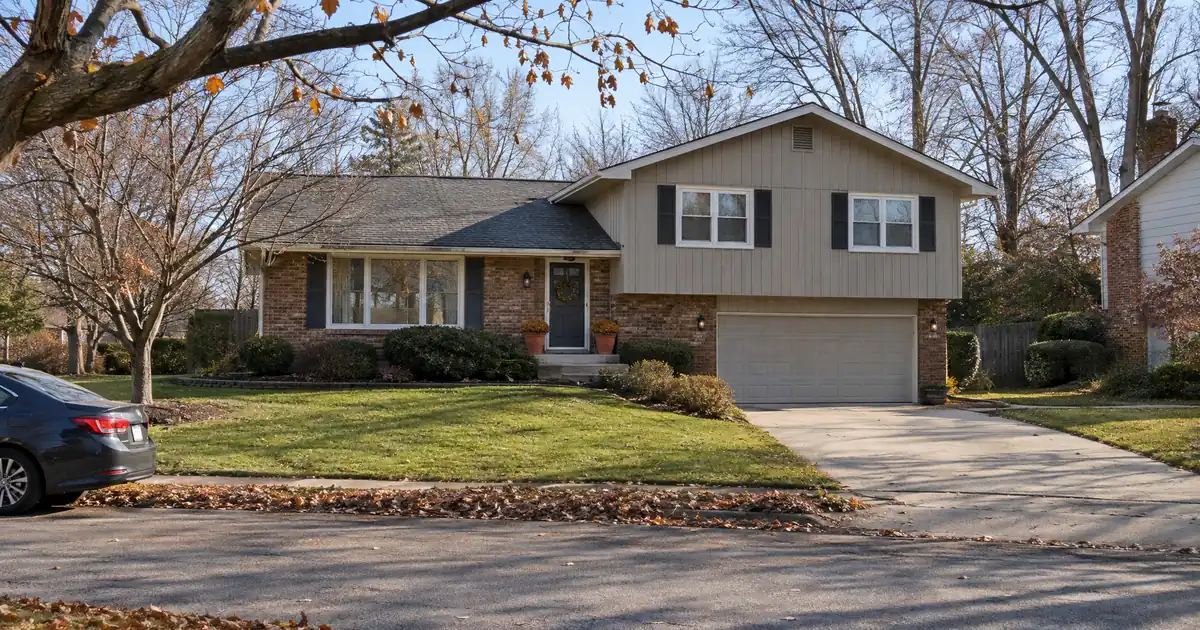
The Quick Read: A DSCR cash-out refinance is usually the better fit when a rental has to be bought out of a divorce, because it replaces the joint first mortgage and can fund the equalization payment in one transaction. A DSCR HELOC fits better after the dust settles, when the keeping spouse already holds a clean first mortgage alone and wants flexible access to equity.
- A DSCR HELOC is a standalone second lien (or a first lien on a paid-off rental). It leaves the existing first mortgage, and any ex-spouse on that note, exactly where they are.
- A cash-out refinance pays off the old note, which is the usual way an ex-spouse is released from the debt.
- Both qualify primarily on property-level rental income, subject to lender guidelines. Neither works for a home you live in.
- Financing a buyout with cash-out raises the loan balance and lowers the coverage ratio, so test it before the settlement terms are final.
- A decree and a quitclaim deed move ownership. They do not, on their own, remove anyone from the loan.
Side-by-Side
The table below compares the two structures on how they work, not on cost. The HELOC column reflects Lendmire’s wholesale network program and is subject to underwriting. The cash-out column shows published industry norms, which vary by lender, so treat it as a general picture.
| Factor | DSCR HELOC | DSCR Cash-Out Refinance |
|---|---|---|
| Structure | Revolving line, second lien (or first on a paid-off rental) | New closed-end first lien replacing the old loan |
| Review basis | Rent coverage, 1.10x on a stress payment over the whole line | Rent coverage, commonly built around a 1.00x benchmark |
| Personal income file | No traditional personal-income documentation, W-2s or DTI | Typically none; credit and reserves still reviewed |
| Existing first mortgage | Stays in place | Paid off and replaced |
| Ex-spouse on the old note | Not released | Released when the old note is paid off |
| Can it fund a buyout? | Draws can fund it, but the old note stays | Yes, at the same closing as the payoff |
| Entity vesting | LLC allowed, subject to program terms | Lender-specific |
| Reserves | None required | Often required; varies |
| Seasoning | 6 months of ownership; 6 months since purchase or refinance | Lender-specific; sometimes waived for divorce-awarded property |
| Property types | 1-4 units, condos, PUDs; no rural, condotel or row homes | Often broader; varies by lender |
The HELOC’s own limits are worth stating. A second lien reaches up to 70% combined loan-to-value at a 720 credit score or better, on lines from $50,000 to $500,000. A first lien on a rental with no mortgage reaches up to 75% loan-to-value at 740 or better. Both are ceilings, not offers, and both depend on underwriting. Leverage, reserves, and pricing vary by lender and program; the final terms follow the full file review.
When a DSCR HELOC Is the Better Fit
A DSCR HELOC works best when the divorce is behind you and the first mortgage is already in your name alone. It keeps that first loan untouched and adds a line behind it, qualified on the rent instead of your post-divorce income.
Picture an investor who received a duplex in the settlement and refinanced it into her own name months ago. The first mortgage is solid and she wants to keep it. She now needs money for a roof and a down payment on a second rental. A line behind the existing loan serves that need without disturbing the first lien. The same logic applies to a rental owned free and clear. The line can sit in first position on it, with the owner’s LLC on title if the owner prefers, subject to program terms.
Across the wholesale network, the draw structure matters as much as the leverage. The program runs a 5-year interest-only draw period, then a 25-year repayment period, with a 30-year maturity and a variable rate. At least 80% of the line is drawn at closing, and later draws start at $5,000. That suits staged projects. It suits a one-time buyout less well, because most of the line is funded on day one and the old note still sits underneath.
The HELOC also asks for things a divorcing owner may not yet have:
- A lease in place, with at most one vacant unit on a two-to-four unit property.
- Clear title. A title holder who is not a borrower must sign an acknowledgment and the security instrument, which is hard while ownership is contested.
- A 720 credit score on a second lien, or 700 on a first lien.
- Six months of ownership, and six months since any purchase or refinance of the property. Terms vary by lender guidelines, property type, leverage, credit profile, and full file review.
For the 6-month seasoning point, Lendmire’s piece HELOC vs. Cash-Out Refinance for a Buyer Right After Closing covers the same timing logic.
The flip point is simple. If the ex-spouse is still liable on the first note, or title is not settled, the HELOC solves a problem you do not yet have.
When a DSCR Cash-Out Refinance Is the Better Fit
A DSCR cash-out refinance is the better fit when you are keeping the rental and buying out your spouse. A new loan in the keeping spouse’s name (or entity, depending on lender rules) pays off the joint mortgage, releases the ex, funds the equalization payment and records the deed in one closing.
Sequence is the main reason. A quitclaim deed changes who owns the property, but a legal explainer on quitclaim deeds and mortgages notes that the borrower who signed the note typically stays liable until the lender releases them. That release usually comes through a refinance, a formal assumption or a payoff. A cash-out refinance delivers the payoff and the release together.
Underwriting runs on the property. The appraisal includes a rent schedule, and the lender typically uses the lesser of the lease or market rent. The keeping spouse’s credit and reserves are still reviewed. That matters when income has changed after separation, because the file does not hinge on support payments or a reduced paycheck. It does not make the file easy. Credit, reserves, title and vesting all get scrutiny.
Most programs are built around a 1.00x coverage benchmark. Select lenders in the network will review sub-1.00 coverage, but leverage and terms adjust, and no outcome is assured. Some programs waive standard cash-out seasoning for divorce-awarded property. Others do not, so ask before you plan around it.
The flip point: cash-out is the wrong tool when the existing first mortgage is a good loan you would rather keep, or when the property is a prepayment-penalty loan that is still inside its penalty window.
What a Buyout Does to Your Coverage Ratio
Financing a buyout through cash-out raises the balance, so the same rent covers a larger obligation. Here is an illustrative case using ratios only.
Suppose a duplex covers its existing debt at roughly 1.35x. A buyout funded by cash-out lifts the balance. The new loan might cover at about 1.10x. That can still clear a standard test. But clearing the test is not the same as cash flowing, because the cushion for vacancy and repairs just got much thinner. Models like this are why the ratio should be run before the settlement terms are signed, not after.
The HELOC version has its own wrinkle. Its qualifying payment is a stress payment on the whole credit limit, set two percentage points above the line’s starting rate, not just the amount drawn. A large line on a modest rent can fail the 1.10x test even if you plan to draw little. Whether the first-mortgage payment is added to that calculation on a second lien is determined by the lender’s coverage calculation, so do not assume it either way.
If neither structure clears at the leverage you need, take that as information about the buyout number. Re-examine the settlement terms or the property, not just the loan type.
Getting an Ex-Spouse Off the Loan
A decree does not take an ex-spouse off a mortgage. Only the lender can release a borrower, and that usually happens through a payoff, a refinance or a formal assumption. This is where the two products diverge most.
A HELOC does not touch the first note. The ex stays liable on the joint mortgage, and the new second lien sits behind it. A cash-out refinance pays that note off, which ends the ex’s liability.
Assumption is a third path, and it is slower and less certain. The CFPB’s Issue Spotlight on homeowners after divorce or death reports that servicers often give incomplete or inaccurate information and move slowly on assumption paperwork. National Law Review’s coverage of the same report adds that servicers sometimes refuse to release the original borrower, even where a divorce decree requires it. Orrick’s summary notes servicers pressured successor homeowners to refinance rather than keep the existing loan.
That framework is built around consumer, owner-occupied loans. Business-purpose investor loans are reviewed differently, so do not assume those servicing protections carry over to a rental.
The same caution applies to federal limits on calling a loan due when a divorce transfers a home. Those protections are generally framed around residential property, and practitioners often tie them to the spouse living in the home. Whether they reach a rental is a question for a family-law or real-estate attorney.
Edge Cases Worth Checking
LLC-held rentals. Both products can work with entity vesting, depending on program guidelines, but lender rules differ. Ask which vesting a lender accepts before anyone deeds the property to a spouse or into a new entity. On the HELOC, members sign as guarantors.
Owner-occupied homes. If the keeping spouse will live in the property, neither DSCR product applies. The HELOC is never written on an owner-occupied home, and DSCR loans require a non-owner-occupancy certification. A different product is needed.
Joint access to a line. A revolving line gives its borrowers access to draws. If the property is jointly held while the case is pending, a family-law attorney may want limits in place before anyone opens one.
Prepayment terms. Refinancing out of an existing DSCR loan can trigger a prepayment penalty in its early years. Read the old note first.
Second liens behind a DSCR first. An existing DSCR first mortgage often sits poorly with a second lien behind it, and that combination is rare. If the plan is to keep a DSCR first and add a line, confirm that the first lender allows it.
Borrower eligibility. The HELOC is for US citizens, permanent residents and non-permanent residents with a Social Security number. Foreign nationals and ITIN borrowers are not eligible on this program.
The HELOC is offered only in certain states through Lendmire’s consumer licensing, so state availability is a real factor before any comparison begins.
Which Situation Points Which Way
| Your situation | Lean toward | Why |
|---|---|---|
| Keeping the rental, buying out the ex | Cash-out refinance | Pays off the joint note and funds the buyout |
| Decree final, clean first mortgage in your name | HELOC | Keeps the first loan; flexible access to equity |
| Rental owned free and clear | Either | HELOC as a first lien; cash-out as a new loan |
| Title still contested | Neither yet | Both need clear title and signers |
| Selling, not keeping | Neither | Sale proceeds settle it |
| Coverage drops near 1.00x after the buyout | Re-test the plan | Thin cushion; revisit the settlement number |
Key Terms Defined
DSCR: The debt service coverage ratio, which is monthly rent divided by the full monthly obligation on the property.
Second lien: A loan recorded behind the first mortgage, so the first lender is paid first.
Seasoning: The length of time you must have owned a property, or held a loan on it, before certain financing is available.
Cash-out: A refinance that pays off the old loan and puts equity in your hands, including money sent to an ex-spouse in a buyout.
Combined loan-to-value (CLTV): The first mortgage balance plus the new line, divided by the property’s value.
DSCR HELOC vs. DSCR Cash-Out Refinance: The Balanced Verdict
During the divorce, the cash-out refinance is the more practical tool for most investors who are keeping a rental. It releases the ex, funds the equalization payment and rebuilds the loan on the property’s rent. After the divorce, the HELOC becomes the more flexible option, as long as the first mortgage is already in your name and worth keeping.
The deciding variable is the old note. If the ex is still on it, a HELOC leaves that liability in place. If the old note is already yours alone, a HELOC adds equity access without disturbing it. Plan the sequence with a family-law attorney first, since title and loan are separate problems. Tax treatment can depend on how the funds are used and how the property is held; borrowers should keep clear records and speak with a qualified tax professional before relying on any deduction.
If a line is the right end state, Lendmire’s guide Cash-Out Refinance vs Keeping Your Existing HELOC After a Refinance explains how the two interact. For program basics across all DSCR options, see the complete DSCR loans guide.
If you are considering a home equity line on a rental property and want to see how the numbers work, Lendmire can help you compare DSCR HELOC options based on the property, the rent, the equity available, credit profile, combined leverage, and your goals.
Frequently Asked Questions
Can I open a DSCR HELOC on a rental in the middle of a divorce?
Rarely, in practice. The line needs clear title, and any title holder who is not a borrower must sign the security instrument, which is hard while ownership is disputed. A lease in place and six months of ownership are also required. It is a poor fit until title is settled, subject to underwriting.
Does a divorce decree remove my ex from the mortgage?
No. The decree allocates responsibility between the two of you, but the lender is not bound by it. The signer of the note stays liable until the lender releases them, usually through a refinance, an assumption or a payoff.
Can cash-out refinance proceeds pay my spouse?
Yes, that is the usual use. The new loan pays off the joint mortgage and funds the equalization payment at the same closing. Funds beyond the payoff and costs may be treated as cash-out, which affects leverage limits and seasoning. Terms vary by lender.
Does a DSCR loan work if I will live in the home?
No. DSCR loans and this home equity line are for non-owner-occupied rentals only. A home you live in needs a different, owner-occupied product.
Does the LLC matter?
It can matter. Entity vesting is allowed on the HELOC, subject to program terms, and varies by lender on cash-out. If an LLC holds title, ask what the lender requires before any deed moves between spouses or into an entity.
A deeper walk-through of investment-property equity extraction lives in Lendmire’s guide to cash-out refinance on an investment property.
About Lendmire
Lendmire (NMLS# 2371349) is a mortgage broker. Home equity lines of credit — on a primary residence, a second home or an investment property — are arranged through wholesale lenders in Lendmire’s 16 full-service states, and every line is underwritten by the lender under its program guidelines. Scotsman Guide named Lendmire a Top Mortgage Workplace in both 2025 and 2026.
Get Started
Ready to find the right loan for you?
See your offer in seconds. No credit pull, no obligation.
Informational only. Not a Loan Estimate, approval, or commitment to lend. Program availability and eligibility are subject to lender guidelines, credit approval, property review, and underwriting.
References
1. Collins legal explainer on quitclaim deeds and mortgages
2. CFPB Issue Spotlight on homeowners after divorce or death
3. National Law Review on the CFPB successor-homeowner spotlight
4. Orrick InfoBytes on successor homeowners and assumptions
This article is part of Lendmire’s DSCR HELOC program — full qualification details, guidelines, and scenarios live on the program page.
Related reading: DSCR HELOC vs Delayed Financing When You Want Cash Out · Investment Property Cash-Out Refinance vs DSCR HELOC Under an LLC · No-Ratio DSCR Loan vs DSCR HELOC for a Cash-Out
Brandon Miller
Founder & CEO, Mortgage Loan Originator, Lendmire LLC
- Mortgage Loan Originator · NMLS# 1129696 · Verify on NMLS Consumer Access
- North Carolina Real Estate Broker · License# 343312 · Verify on NCREC
- North Carolina Insurance Producer · License# 19053198 · Property, Casualty, Life, Health · Verify on NAIC SBS
- Lendmire LLC · Firm NMLS# 2371349 · Verify firm licensure
Compliance and disclosures. Lendmire (NMLS# 2371349) is a licensed mortgage broker and is not a direct lender, depository institution, financial advisor, or tax professional. Content in this article is general market analysis and educational information — not financial, legal, or tax advice for any specific situation. Lendmire does not guarantee loan approval; every transaction is subject to underwriting by the funding lender. Mortgage pricing and loan program guidelines are subject to change at any time without notice and vary by borrower characteristics, property type, and state regulations. Lendmire complies with Equal Housing Opportunity. Licensure verification: NMLS Consumer Access.